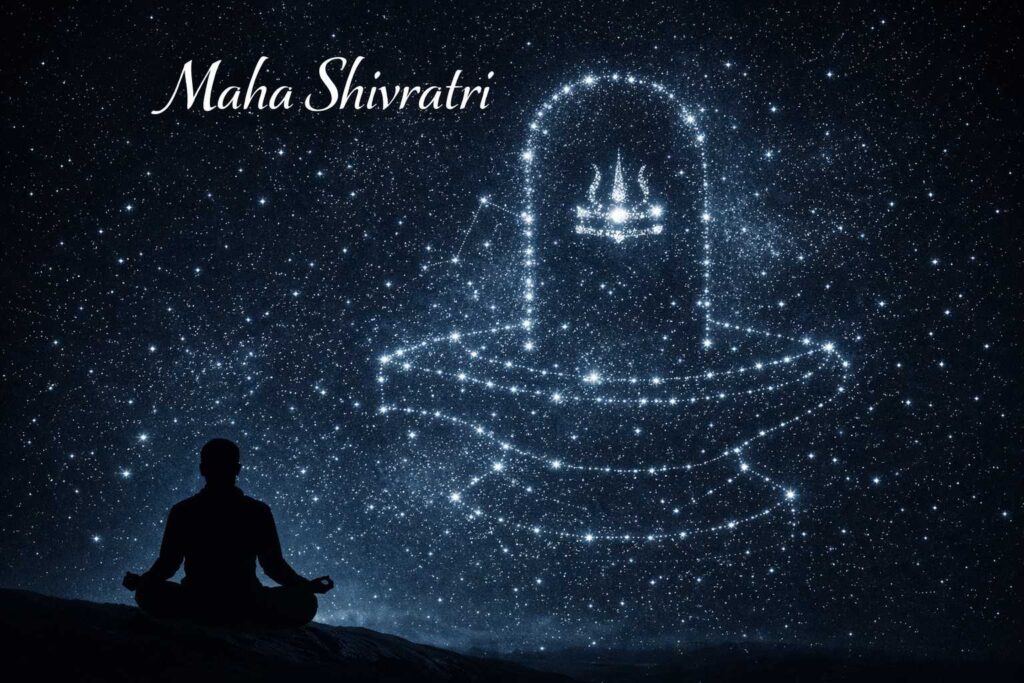
What Is Maha Shivratri?
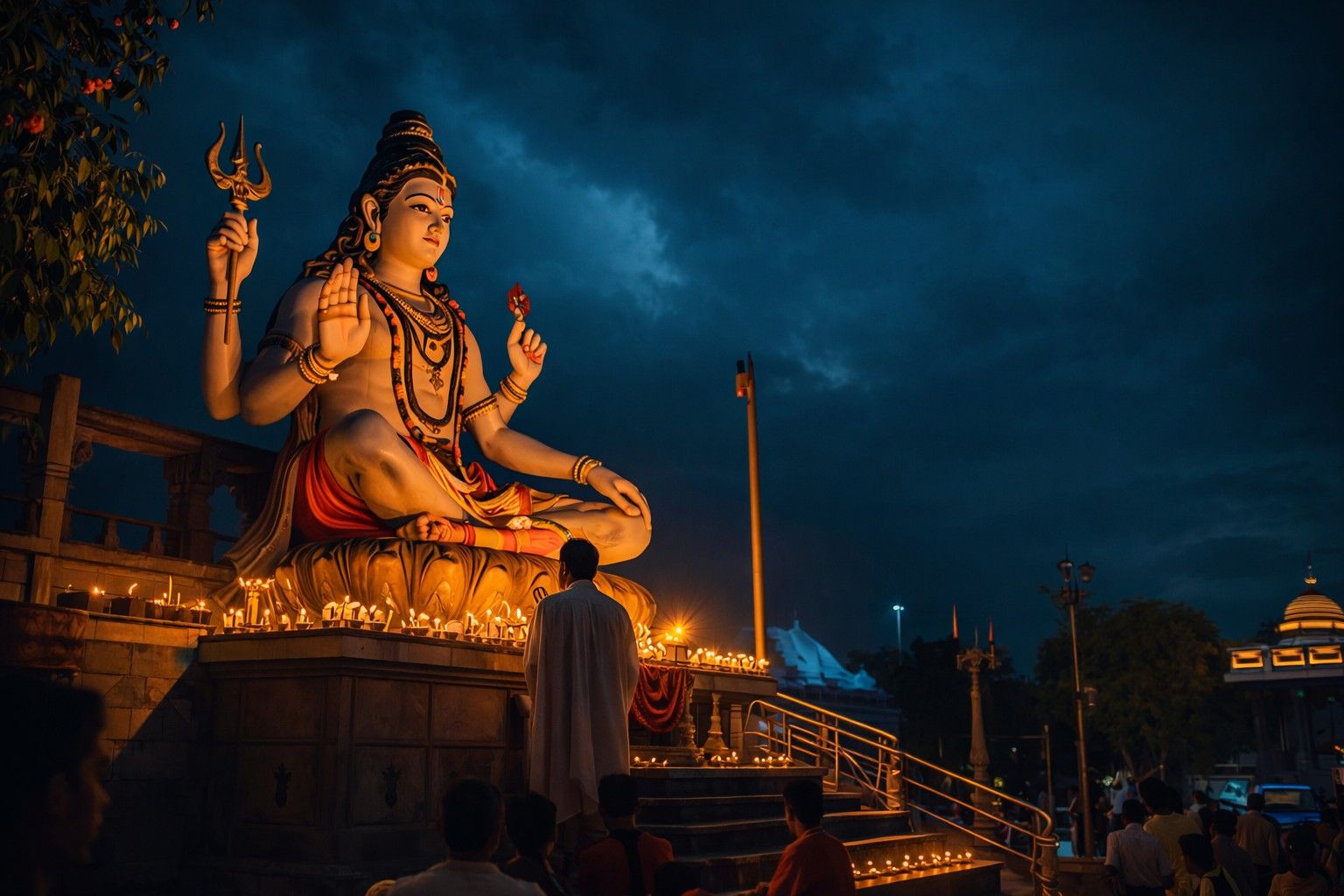 What is Maha Shivratri? At its core, Maha Shivratri — literally “the Great Night of Shiva” — is one of the most important Hindu festivals devoted to Lord Shiva. Devotees observe a night of prayer, vigil, and special worship of the Shiva linga, often combined with fasting and chanting, to deepen spiritual focus and seek blessings.
The festival falls on the 13th night and 14th day (Chaturdashi) of the waning moon in the Hindu month of Phalguna (sometimes Magha), so it usually occurs in February–March in the Gregorian calendar; its timing links the observance to ancient lunar cycles.
Maha Shivratri has many layers of meaning — from celebrating Shiva’s cosmic dance (Tandava) and his union with Parvati to marking a night for overcoming ignorance and renewing spiritual resolve. Customs and stories vary by region, but the central purpose remains the same: intense devotion, reflection, and renewal in the presence of Shiva.
Why Is Maha Shivratri Celebrated?
Maha Shivratri is celebrated to honor Lord Shiva and symbolize the victory of awareness over ignorance. Devotees believe this night is especially powerful for meditation, self-discipline, and spiritual transformation.
According to tradition, the festival is linked to several spiritual events:
-
The divine marriage of Lord Shiva and Goddess Parvati
-
The cosmic dance of Shiva (Tandava)
-
A night for spiritual awakening and inner purification
Rather than material celebration, the focus is on devotion, meditation, and self-reflection.
Maha Shivratri Meaning and Spiritual Significance
The Maha Shivratri meaning goes beyond a festival date or ritual—it represents a powerful spiritual moment dedicated to Lord Shiva, the symbol of consciousness and transformation in Hindu philosophy. The word “Shivratri” means “the night of Shiva,” and “Maha” signifies its greatness. Together, Maha Shivratri points to a sacred night believed to be ideal for inner awareness, meditation, and spiritual growth.
The meaning of Maha Shivratri goes beyond rituals. It represents a sacred time for spiritual growth and inner awareness.
The festival symbolizes:
-
Victory of knowledge over ignorance
-
Self-control and discipline
-
Inner transformation
-
Balance between destruction and renewal
Devotees believe that sincere prayers on this night can help cleanse past karma and bring mental clarity.
When Is Maha Shivratri Celebrated?
When is Maha Shivratri celebrated? Maha Shivratri is observed every year on the 13th night and 14th day (Chaturdashi) of the waning moon in the Hindu month of Phalguna, which usually falls in February or March according to the Gregorian calendar. Unlike many Hindu festivals celebrated during the day, Maha Shivratri is mainly observed at night, as the hours after sunset are considered spiritually powerful for worship and meditation.
The night-long vigil, prayers, and fasting are central to the festival, as devotees believe this specific lunar phase supports inner stillness and heightened awareness. Because it follows the lunar calendar, the exact date changes every year, but its spiritual purpose remains the same.
Maha Shivratri Date and Lunar Calendar
Maha Shivratri is observed with devotion, discipline, and spiritual focus. Devotees:
-
Wake early and take a ritual bath
-
Visit temples dedicated to Lord Shiva
-
Perform night-long prayers and meditation
-
Stay awake in vigil throughout the night
The festival is calm and introspective, focusing on inner awareness rather than external celebration.
How Is Maha Shivratri Celebrated?
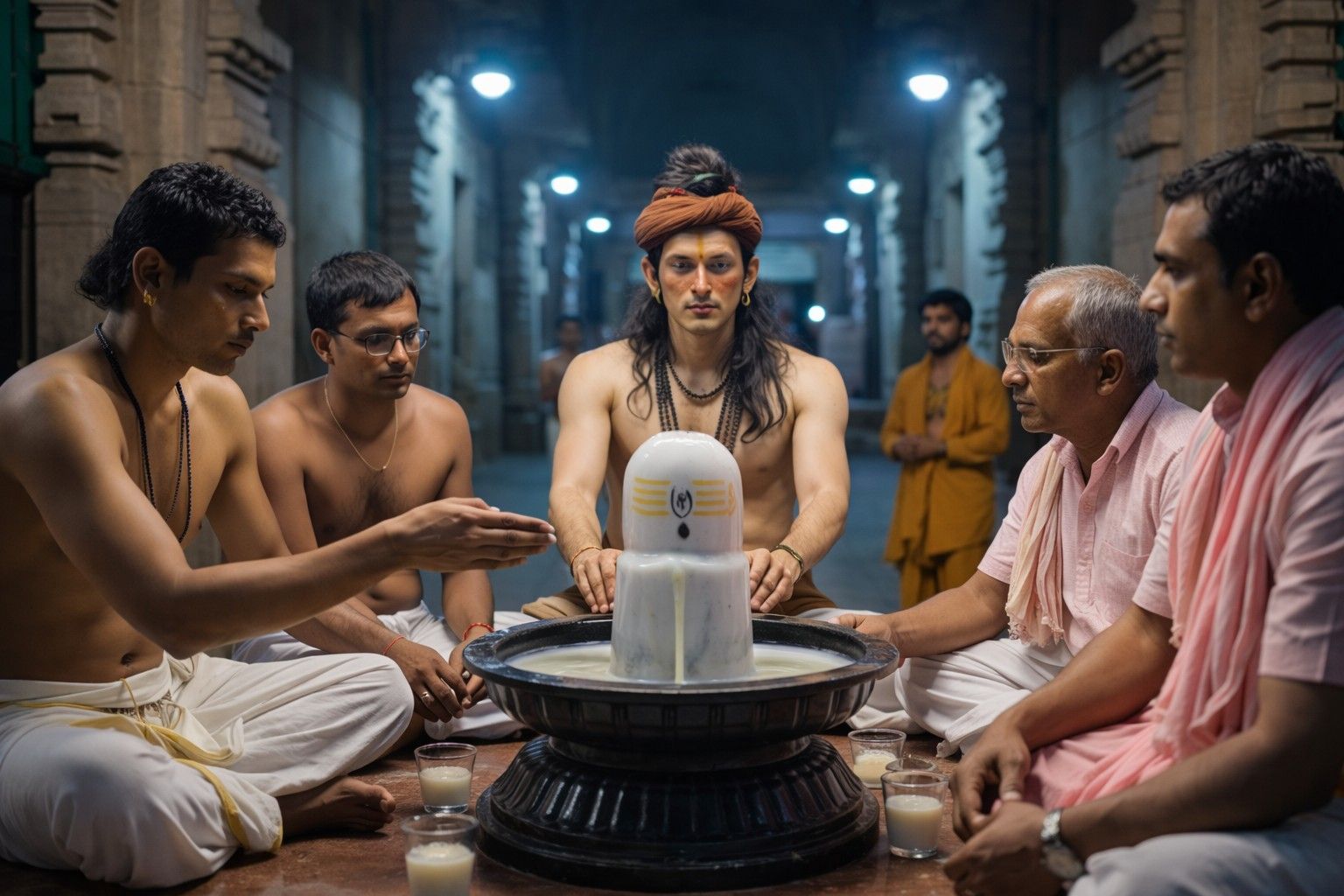
The main ritual involves worship of the Shiva linga. Devotees perform Abhishekam by offering:
-
Water
-
Milk
-
Honey
-
Yogurt
-
Ghee
-
Bilva leaves
Mantras such as “Om Namah Shivaya” are chanted throughout the night. The puja is often performed four times during the night, symbolizing different spiritual stages.
Maha Shivratri Rituals and Puja
Maha Shivratri rituals and puja focus on the worship of the Shiva linga. Devotees perform Abhishekam by offering water, milk, honey, yogurt, and ghee, each symbolizing purification and devotion. Bilva leaves are considered especially sacred and are offered with prayers and mantras like “Om Namah Shivaya.”
Puja is often performed four times during the night, known as Nishita Kaal Puja, marking different phases of the vigil. These rituals represent gratitude, surrender, and the removal of negative energies from one’s life.
Maha Shivratri Fasting Rules
Maha Shivratri fasting rules vary by tradition and personal belief, but fasting is an important part of the observance. Many devotees observe a strict fast, consuming only water, while others follow a partial fast with fruits, milk, and light foods. Grains, salt, and cooked meals are usually avoided.
Fasting is not just physical restraint but a spiritual practice meant to discipline the body and mind. Devotees believe that sincere fasting on Maha Shivratri helps purify thoughts, strengthen willpower, and deepen devotion to Lord Shiva.
Importance of Maha Shivratri in Hinduism
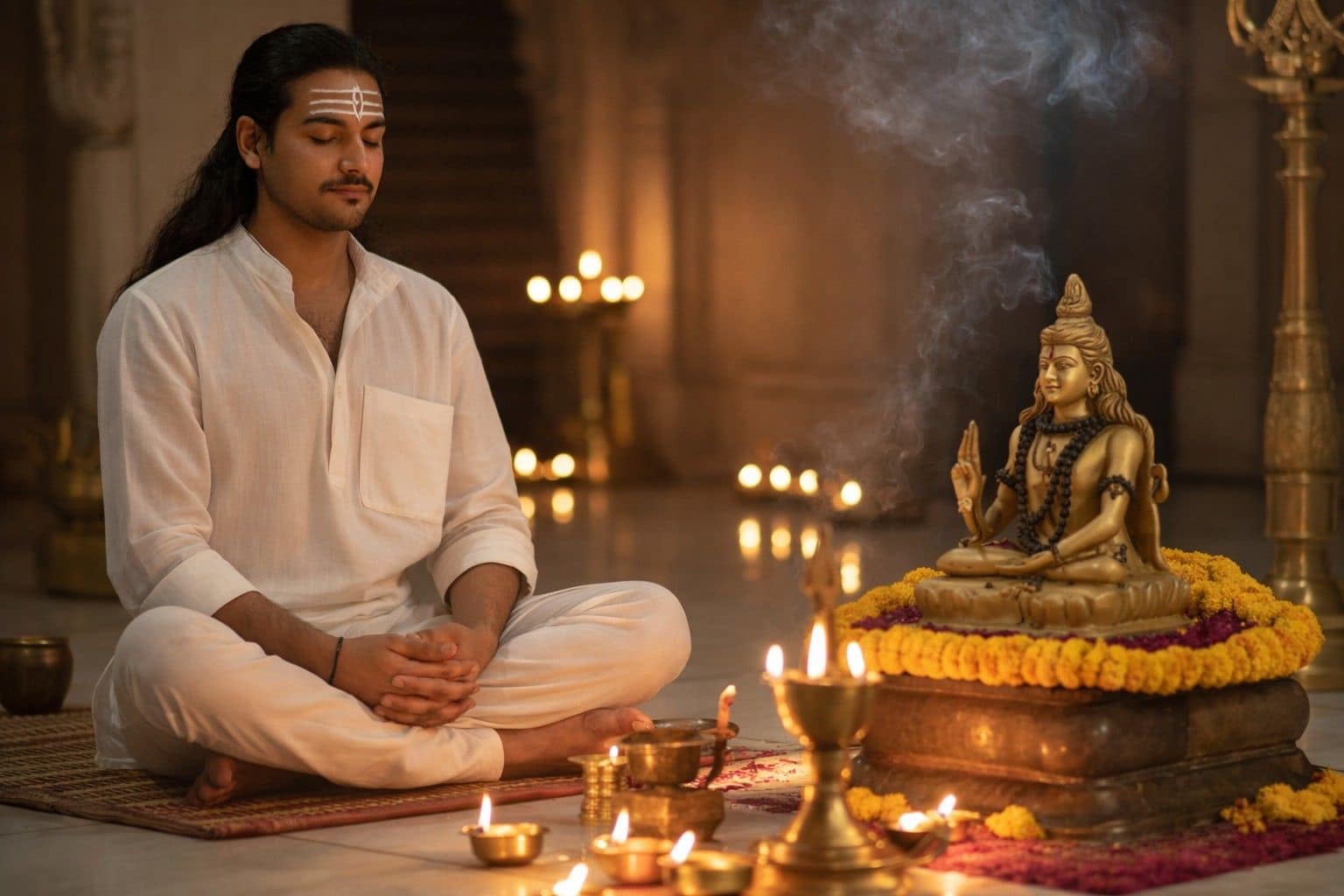 The importance of Maha Shivratri in Hinduism lies in its deep spiritual and philosophical meaning. This sacred night is dedicated to Lord Shiva, who is regarded as the supreme yogi and the source of consciousness. Maha Shivratri reminds devotees that true spiritual growth comes from self-discipline, inner silence, and devotion rather than external celebrations.
In Hindu belief, Maha Shivratri holds special significance because it encourages spiritual awakening. Staying awake through the night symbolizes remaining alert to higher truth and resisting ignorance. Practices like meditation, fasting, and chanting are meant to calm the mind and help devotees connect with Shiva’s energy, which represents balance, transformation, and inner strength.
The festival also plays an important role in uniting different traditions within Hinduism, including Shaivism, yoga, and meditation practices. For many devotees, Maha Shivratri is a time to seek forgiveness, release negative habits, and renew their spiritual path. In this way, the importance of Maha Shivratri in Hinduism goes beyond ritual—it serves as a reminder of the journey toward self-realization and inner peace.
Best Places to Experience Maha Shivratri
Varanasi
One of the most sacred cities for Lord Shiva. Temples remain open all night, and the atmosphere is deeply spiritual.
Ujjain
The Mahakaleshwar Temple hosts grand celebrations and special rituals.
Haridwar and Rishikesh
Pilgrims gather near the Ganges for prayers, meditation, and temple visits.
Srisailam
A major Shiva temple in South India known for traditional rituals.
Travel Tips for Visitors
What to wear
-
Modest traditional or comfortable clothing
-
Light shawl for cooler nights
Safety tips
-
Stay in crowded, well-lit areas
-
Keep valuables secure
Best time to visit temples
-
Evening and midnight hours are most significant
Cultural etiquette
-
Remove shoes before entering temples
-
Maintain silence during prayers
The Great Night of Lord Shiva
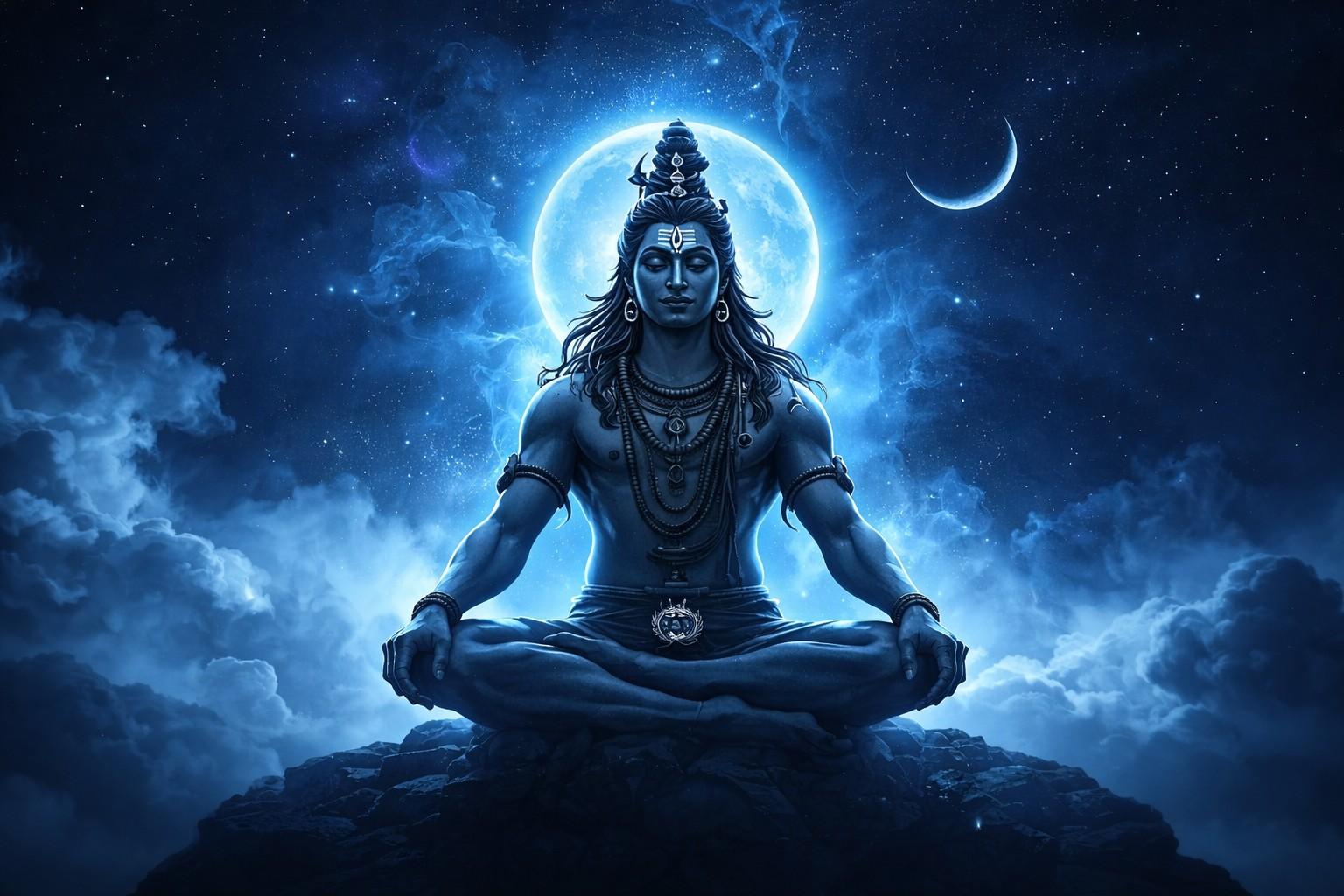 The phrase Great Night of Lord Shiva beautifully captures the spiritual essence of Maha Shivratri. This night is believed to be especially powerful for inner awakening because it represents a natural alignment of cosmic energies that supports meditation and self-realization. In Hindu tradition, Lord Shiva is known as the Adiyogi—the first yogi—and this night is seen as an ideal time to turn inward, calm the mind, and connect with higher consciousness.
Unlike other festivals that focus on celebration, the Great Night of Lord Shiva emphasizes stillness and awareness. Devotees stay awake through the night, chanting mantras, meditating, and offering prayers, believing that sincere devotion during these hours can lead to spiritual clarity and liberation. The darkness of the night symbolizes ignorance, while staying awake represents awareness and inner light.
Spiritually, the Great Night of Lord Shiva is a reminder that transformation begins within. It encourages letting go of ego, negative habits, and distractions, making space for peace, discipline, and deeper understanding. For many, this night is not just a ritual but a personal journey toward balance, renewal, and spiritual growth.
Interesting Facts About Maha Shivratri
- It is one of the most important festivals dedicated to Lord Shiva.
- Devotees stay awake all night in prayer and meditation.
- The festival follows the lunar calendar, so the date changes yearly.
- Many temples remain open throughout the night.
- It is considered highly auspicious for spiritual practices.
Common Mistakes to Avoid
-
Wearing inappropriate clothing to temples
-
Ignoring temple rules or local customs
-
Skipping hydration during fasting
-
Arriving late to major temple rituals
-
Not booking accommodation in advance
Frequently Asked Questions About Maha Shivratri
What Is Maha Shivratri?
What is Maha Shivratri? Maha Shivratri is a major Hindu festival dedicated to Lord Shiva, also known as the Great Night of Shiva. On this sacred night, devotees worship Shiva with prayers, meditation, and fasting, seeking spiritual growth, inner peace, and a deeper connection to divine consciousness.
Why Is Maha Shivratri Celebrated?
Why is Maha Shivratri celebrated? Maha Shivratri is celebrated to honor Lord Shiva and symbolize the victory of awareness over ignorance. Devotees observe this night-long festival as a time for deep devotion, reflection, and self-discipline, believing these practices help purify the mind and strengthen spiritual resolve.
When Is Maha Shivratri Celebrated?
When is Maha Shivratri celebrated? Maha Shivratri is observed each year on the fourteenth night (Chaturdashi) of the waning moon in the Hindu month of Phalguna, usually falling in February or March. This lunar-based timing makes the festival a sacred night for intense devotion and vigil.
How Is Maha Shivratri Celebrated?
How is Maha Shivratri celebrated? Maha Shivratri is celebrated with prayers, temple visits, night vigils, mantra chanting, and meditation. Devotees often perform puja to the Shiva linga, offer water, milk, and Bilva leaves, and stay awake through the night to deepen their spiritual connection and focus.
What Are the Fasting Rules for Maha Shivratri?
What are the fasting rules for Maha Shivratri? On Maha Shivratri, many devotees observe a strict fast, consuming only water, while others allow light foods like fruits, milk, or dairy without grains. Fasting is a form of spiritual discipline meant to calm the body and mind and enhance devotion to Lord Shiva.
Conclusion
Maha Shivratri is more than a religious festival—it is a night of inner awakening, discipline, and spiritual renewal. Through fasting, meditation, and prayer, devotees seek clarity, peace, and a deeper connection with Lord Shiva. Whether experienced in a sacred temple or quietly at home, the Great Night of Shiva offers a powerful reminder that true transformation begins within.
Har Har Maha Dev🙏
Written by Abhay Ramola, founder of DionFest, a website dedicated to global festival guides and cultural celebrations.