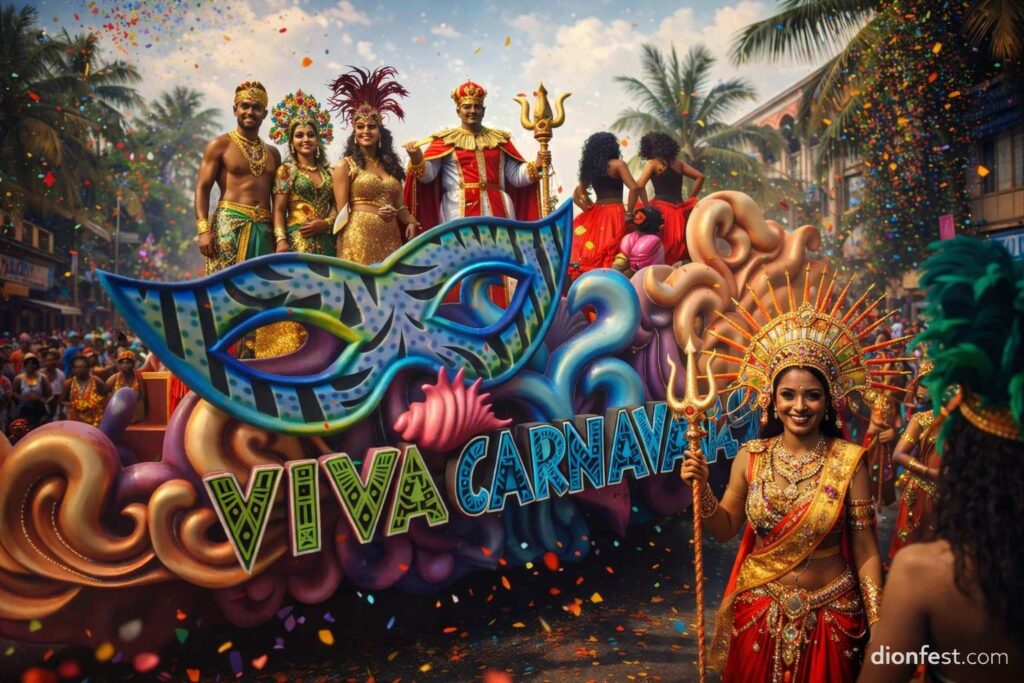
Goa Carnival is one of India’s most vibrant cultural festivals, celebrated every year in Goa just before the Christian season of Lent. Known for its colorful parades, music, dance, and lively street celebrations, the festival attracts thousands of visitors. This article covers Goa Carnival 2026 dates, history, parade routes, events, and travel tips.
What is Goa Carnival
 What is Goa Carnival?
Goa Carnival is a four-day cultural festival celebrated in Goa just before the Christian season of Lent. It is known for its colorful parades, music, dance performances, elaborate costumes, and street celebrations influenced by Portuguese traditions. The festival is one of the most vibrant pre-Lenten carnivals in India and attracts both locals and tourists from around the world.
The Goa Carnival transforms cities like Panaji, Margao, and Mapusa into open-air celebration zones filled with decorated floats, live bands, masked dancers, and festive crowds. Over time, it has become a symbol of Goa’s joyful spirit, blending history, culture, and modern entertainment into one grand celebration.
Origin of Goa Carnival Festival
The origin of Goa Carnival Festival dates back to the Portuguese colonial period, when Goa was under Portuguese rule for more than four centuries. The tradition of celebrating Carnival before Lent was introduced from Europe as a time of indulgence, feasting, and enjoyment before the start of fasting and religious discipline.
As the festival evolved, local Goan culture merged with European customs, adding Konkani music, satire, street performances, and vibrant floats. In the 20th century, the introduction of organized parades and the symbolic King Momo gave the Goa Carnival its modern identity, turning it into a major cultural and tourism event.
Why Goa Carnival is Celebrated Before Lent
Why Goa Carnival is celebrated before Lent is closely linked to Christian religious tradition. Lent is a 40-day period of fasting, self-control, and spiritual reflection leading up to Easter. Carnival is celebrated just before Lent as a final time to enjoy food, music, dance, and social gatherings.
In Goa, this religious tradition developed into a large public festival where celebration and community spirit take center stage. Even today, the timing of the Goa Carnival follows the Christian calendar, preserving its original purpose while welcoming people of all backgrounds to join the festivities.
Why is Goa Carnival Famous
When people ask why is Goa Carnival famous, the answer lies in its unmatched energy and cultural mix. The festival turns entire streets into celebration zones where music, dance, humor, and color take over everyday life. Unlike most Indian festivals that are rooted only in religious rituals, the Goa Carnival is a public, open-air celebration that welcomes everyone equally — locals, tourists, and performers all become part of the same experience.
Another reason why Goa Carnival is famous is its grand parade culture. Massive floats, live bands, dancers in elaborate costumes, and satirical performances move through the streets, creating a festive atmosphere that feels more like a global carnival than a local event. This blend of history, entertainment, and community spirit is what makes the Goa Carnival stand out among festivals in India.
Portuguese Influence on Goa Carnival
The strong Portuguese influence on Goa Carnival is one of the main reasons the festival feels so unique. Introduced during Portuguese rule, the tradition of celebrating Carnival before Lent brought European-style parades, masquerades, and public revelry to Goa. Elements like fancy dress, masked performers, and street processions are directly inspired by European carnivals, especially those from Portugal.
Over time, these influences blended naturally with Goan culture. Local music, Konkani language, and Indian performance styles merged with European customs, creating a festival that reflects Goa’s colonial past without losing its local identity. This cultural fusion plays a major role in explaining why Goa Carnival is famous not just in India, but internationally as well.
Unique Traditions of Goa Carnival
The unique traditions of Goa Carnival give the festival its distinctive character. One of the most iconic traditions is the arrival of King Momo, a symbolic figure who declares the start of the celebrations and encourages everyone to eat, drink, and enjoy. Satirical performances, humorous skits, and social commentary are also an important part of the carnival, adding depth beyond just entertainment.
Another unique aspect is the participation of the local community. Residents actively join the parades, decorate floats, wear creative costumes, and celebrate openly on the streets. This strong community involvement, combined with music, dance, and cultural expression, explains why Goa Carnival is famous as a festival that truly belongs to the people.
Goa Carnival History and Significance
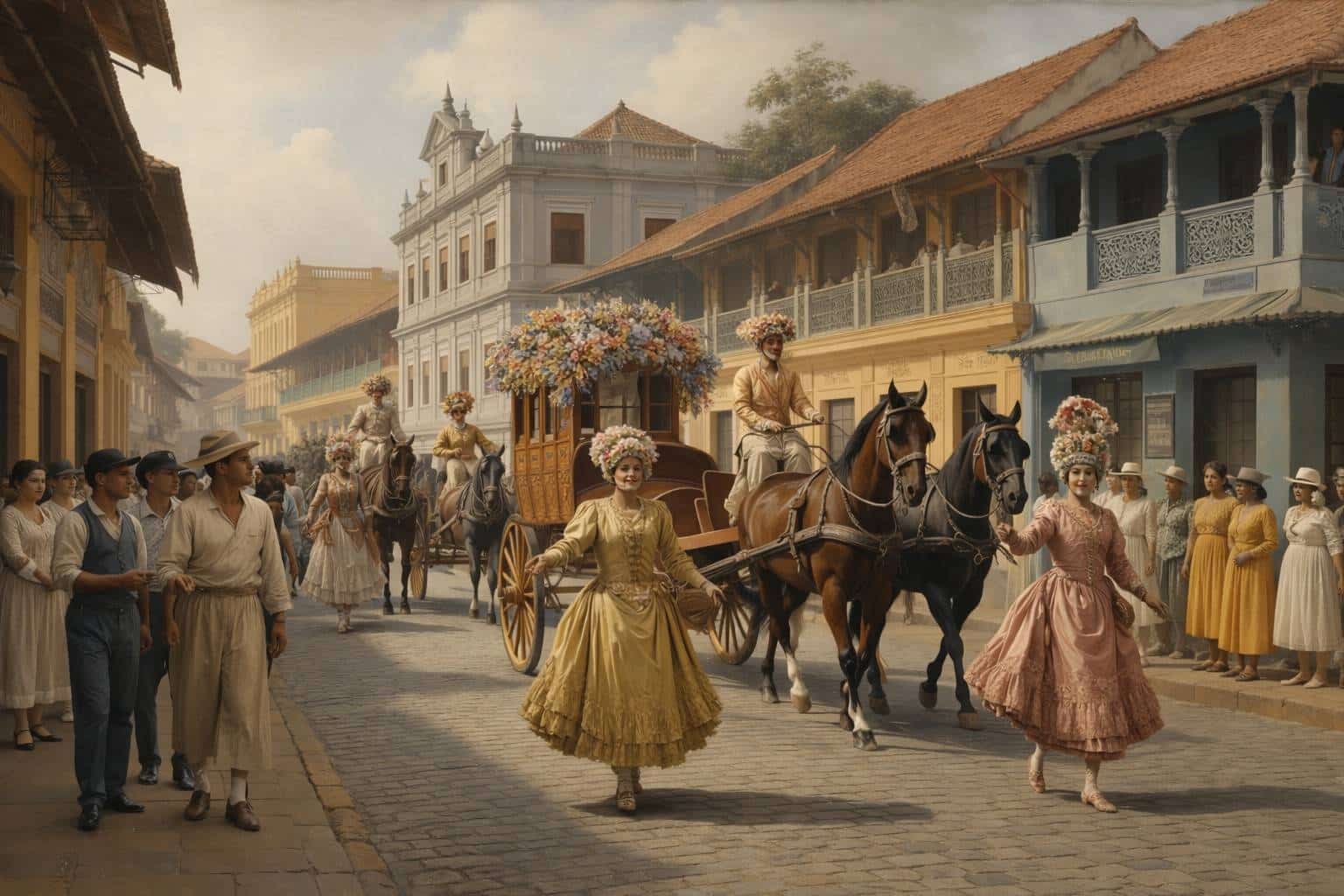 Understanding Goa Carnival history and significance helps explain why this festival has survived for centuries and still feels relevant today. Unlike many modern events created for tourism, the Goa Carnival is rooted in real historical tradition and social practice. It reflects Goa’s colonial past, religious calendar, and evolving cultural identity, all coming together in a single public celebration.
The significance of the Goa Carnival goes beyond entertainment. It represents freedom of expression, social unity, and a rare moment when social boundaries blur and the streets belong to everyone. This deeper meaning is what gives the festival long-term cultural value and keeps it relevant generation after generation.
History of Goa Carnival in India
The history of Goa Carnival in India began during Portuguese rule, when Carnival was introduced as a pre-Lenten celebration observed by the Christian community. Over time, the festival spread beyond religious boundaries and became a public event celebrated across Goa. Early forms of the carnival were simple, community-based gatherings focused on music, food, and social interaction.
In the mid-20th century, the Goa Carnival took on its modern form with organized parades, themed floats, and official celebrations in major towns. This transformation helped preserve the tradition while adapting it to changing times, making the festival both historically rich and accessible to a wider audience across India and beyond.
Cultural Importance of Goa Carnival
The cultural importance of Goa Carnival lies in its role as a living expression of Goa’s mixed heritage. The festival brings together Portuguese customs, Indian traditions, local languages, music, and humor in a way that feels natural rather than forced. It serves as a reminder of Goa’s multicultural past and its ability to absorb different influences while maintaining a distinct identity.
Culturally, the carnival also acts as a platform for creativity and social commentary. Satire, costumes, and performances often reflect everyday life and current issues, allowing people to express themselves freely. This openness and inclusivity strengthen community bonds, highlighting why the Goa Carnival holds lasting cultural significance in Goa and in India as a whole.
Goa Carnival 2026 Dates and Schedule
When planning a visit, knowing the Goa Carnival 2026 dates is essential because the festival follows the Christian calendar and changes every year. Goa Carnival is celebrated just before Ash Wednesday, usually between February and early March. Since it is a time-bound festival, dates are announced in advance, and celebrations take place simultaneously across major towns in Goa.
The schedule of Goa Carnival is carefully planned to include parades, cultural events, music performances, and street celebrations on each day. From the grand opening procession to the final day of revelry, every moment of the carnival is designed to keep the festive spirit alive from morning till late night.
How Long Does Goa Carnival Last
One of the most common questions related to the Goa Carnival 2026 dates is about its duration. Goa Carnival typically lasts for four days, starting on the Saturday before Ash Wednesday and ending on Tuesday, also known as Shrove Tuesday. Each day has its own charm, with celebrations gradually building up to the grand finale.
Although the official carnival lasts four days, the festive mood often begins earlier with pre-carnival events and continues even after the main celebrations end. This extended atmosphere makes the Goa Carnival feel longer and more immersive for visitors.
Daily Schedule of Goa Carnival Celebrations
The daily schedule of Goa Carnival celebrations is packed with events spread across different parts of the state. Mornings usually feature cultural programs and smaller performances, while afternoons and evenings are reserved for the famous street parades with floats, dancers, and live music. Nights often turn into lively parties with concerts and local celebrations.
Each major town follows a similar structure but with its own local flavor, ensuring that no two days feel the same. This well-organized daily flow is one of the reasons why the Goa Carnival remains easy to enjoy and plan around, especially for first-time visitors.
How is Goa Carnival Celebrated in Goa
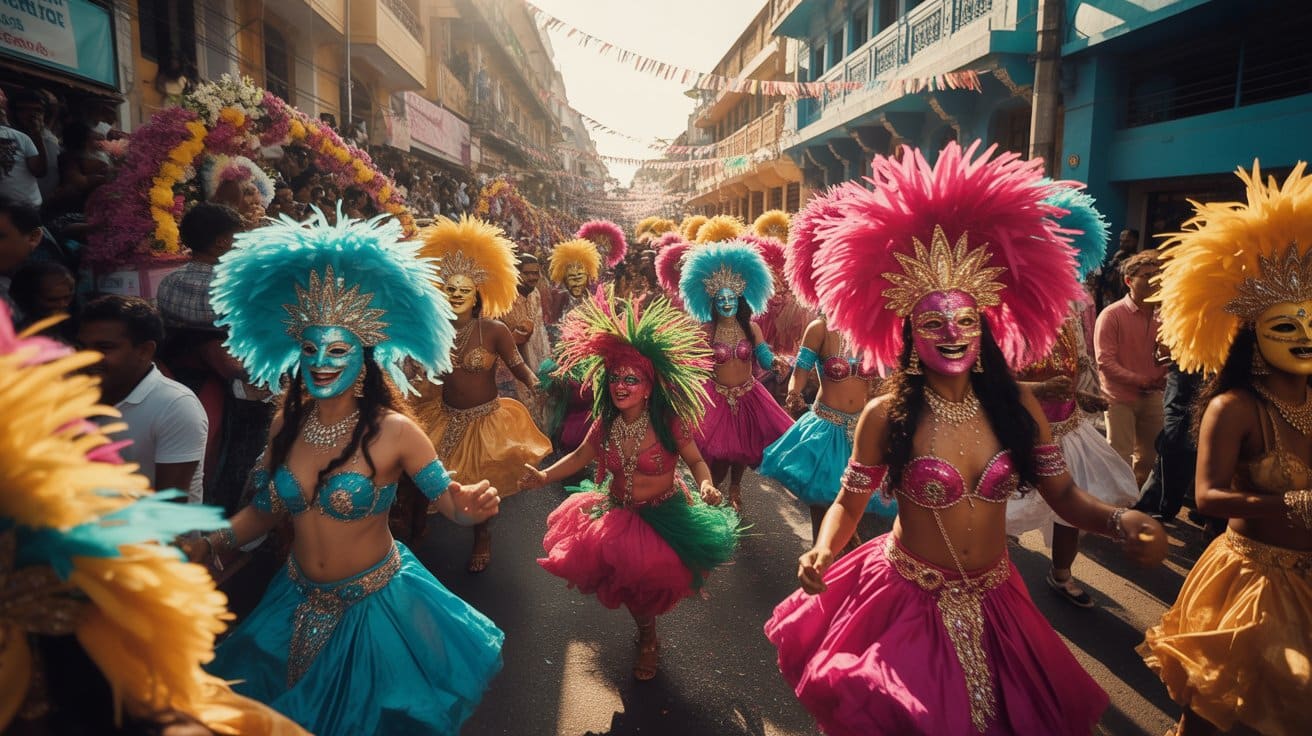 To understand how is Goa Carnival celebrated in Goa, you have to look at the way the festival takes over everyday life. During the carnival days, streets become the main stage for celebration, with music, performances, and crowds filling public spaces from morning to night. Instead of being limited to temples or churches, the carnival is celebrated openly, allowing everyone to participate regardless of background.
Celebrations happen simultaneously across different towns, each adding its own local style to the festivities. From grand processions to spontaneous street dancing, the Goa Carnival is celebrated as a shared social experience where entertainment, culture, and community come together.
Street Parades, Music and Dance
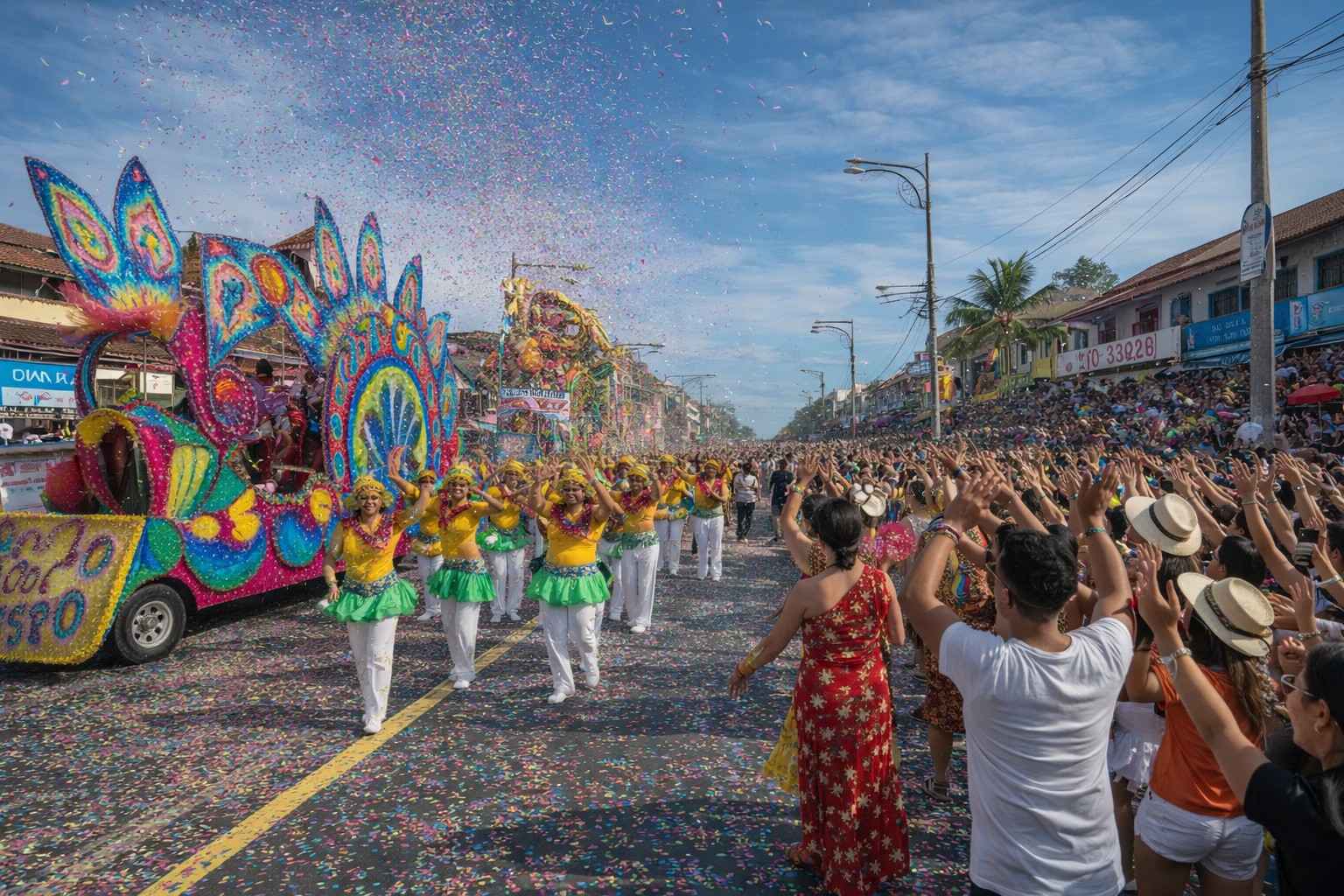
Street parades are the heart of the Goa Carnival and the clearest example of how Goa Carnival is celebrated in Goa. Large floats move through the streets accompanied by live bands, drummers, and dancers performing to energetic music. These parades create a festive rhythm that pulls spectators into the celebration, turning onlookers into participants.
Music and dance play a constant role throughout the day. Traditional Goan tunes blend with modern beats, while dance performances range from choreographed routines to free-flowing street dancing. This continuous movement and sound give the carnival its lively, high-energy atmosphere.
Costumes, Masks and Float Performances
Costumes, masks, and floats add visual drama to the Goa Carnival celebrations. Performers dress in colorful outfits, themed costumes, and creative disguises, often reflecting humor, fantasy, or social satire. Masks allow participants to step out of everyday identities and fully embrace the spirit of the carnival.
Float performances are carefully designed and often tell stories through visuals, music, and movement. Whether traditional or modern in theme, these elements together highlight how Goa Carnival is celebrated in Goa as a festival of creativity, expression, and joyful excess.
Goa Carnival Parade Route and Timings
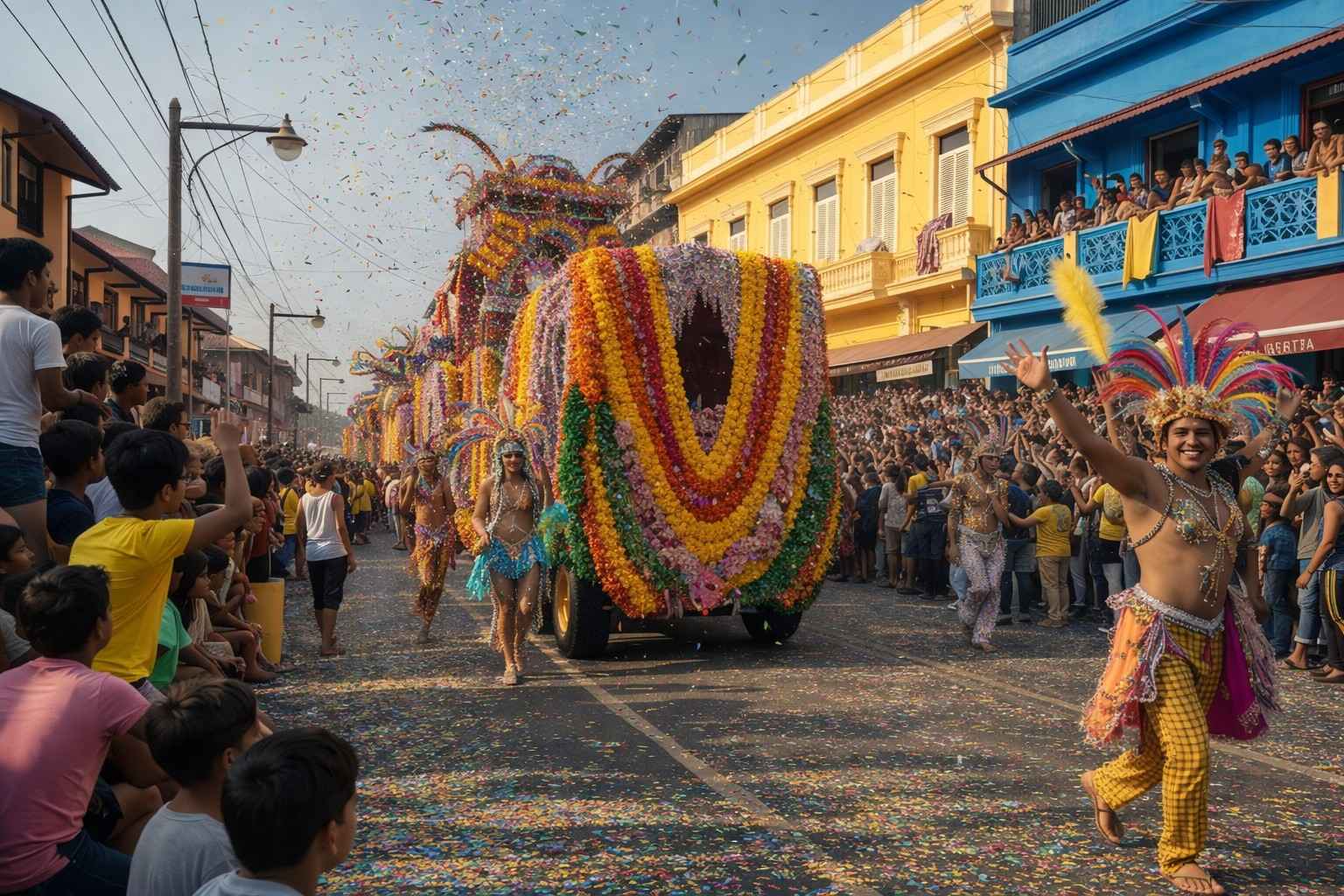 Knowing the Goa Carnival parade route and timings is important for anyone who wants to experience the festival up close. The parades are the main highlight of the carnival and follow fixed routes through major towns, allowing spectators to plan where and when to watch the celebrations. Each location hosts its own procession, but the overall structure remains similar across Goa.
The timing of the parades is usually announced in advance by local authorities, ensuring smooth crowd movement and better viewing experiences. Since celebrations happen throughout the day, understanding the route and schedule helps visitors avoid missing the most exciting moments of the Goa Carnival.
Panaji Goa Carnival Parade Route
The Panaji Goa Carnival parade route is the most popular and widely attended in the state. The parade generally moves through the main streets of Panaji, passing key public areas where large crowds gather to watch the floats, dancers, and live bands. This route is designed to be easily accessible, making Panaji the top choice for first-time visitors.
Due to its central location and grand scale, the Panaji parade attracts the largest number of performers and spectators. Watching the carnival along this route offers a complete experience of Goa Carnival parade route and timings, from elaborate floats to energetic street performances.
Parade Timings for Each Day
The parade timings for each day of the Goa Carnival usually follow a consistent pattern. Major parades are commonly held in the afternoon or early evening, when crowds are at their peak and the festive atmosphere is at its liveliest. Each day may feature different themes or performances, keeping the experience fresh and engaging.
While exact timings can vary by location, the schedule is structured to allow visitors to attend multiple events across different towns. This organized approach to Goa Carnival parade route and timings makes it easier for tourists to plan their day and enjoy the celebrations without confusion.
Best Places to See Goa Carnival Parade
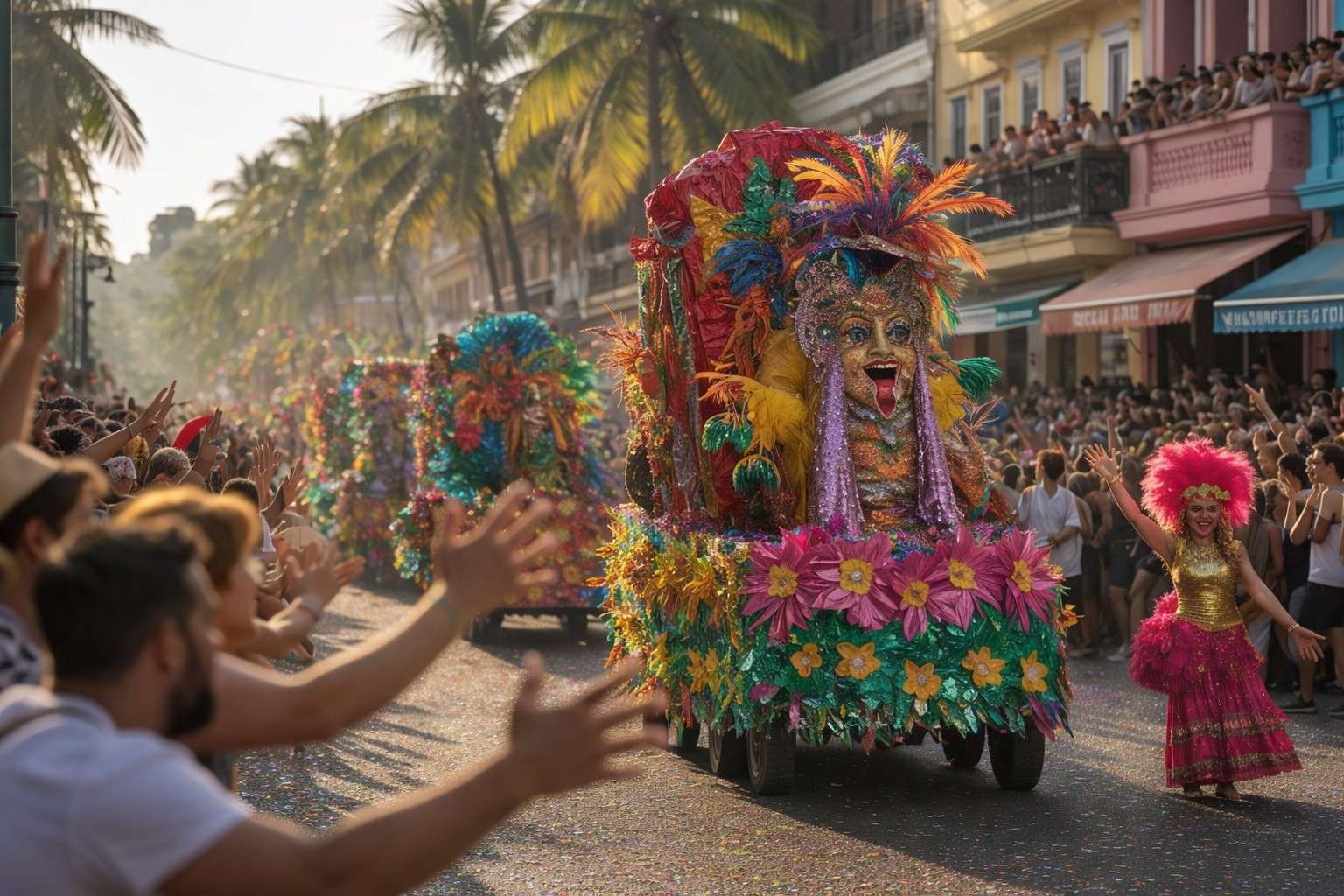 Choosing the best places to see Goa Carnival parade can make a big difference in how you experience the festival. While celebrations take place across the state, certain towns are known for their scale, energy, and overall atmosphere. Each location offers a slightly different vibe, allowing visitors to pick what suits their travel style best.
Some places focus on grand processions and large crowds, while others provide a more local and relaxed carnival experience. This variety is one of the reasons why watching the Goa Carnival parade feels fresh and exciting, even if you attend it in more than one town.
Panaji Carnival Celebrations
Panaji is widely regarded as one of the best places to see Goa Carnival parade, especially for first-time visitors. The capital city hosts the largest and most organized celebrations, featuring elaborate floats, live bands, and energetic dance performances. The main streets of Panaji turn into vibrant viewing spots packed with locals and tourists alike.
Panaji Carnival celebrations are known for their festive scale and accessibility. With well-planned routes and a lively crowd, watching the parade here offers a complete and immersive Goa Carnival experience.
Margao and Mapusa Carnival Highlights
For those looking beyond the capital, Margao and Mapusa Carnival highlights offer a more local and culturally rich experience. Margao, located in South Goa, is known for its community-driven celebrations, creative floats, and traditional performances that reflect the town’s heritage.
Mapusa, on the other hand, delivers a high-energy carnival atmosphere with enthusiastic crowds and colorful street performances. These towns are also considered among the best places to see Goa Carnival parade for visitors who want to experience the festival in a slightly less crowded but equally authentic setting.
King Momo Goa Carnival
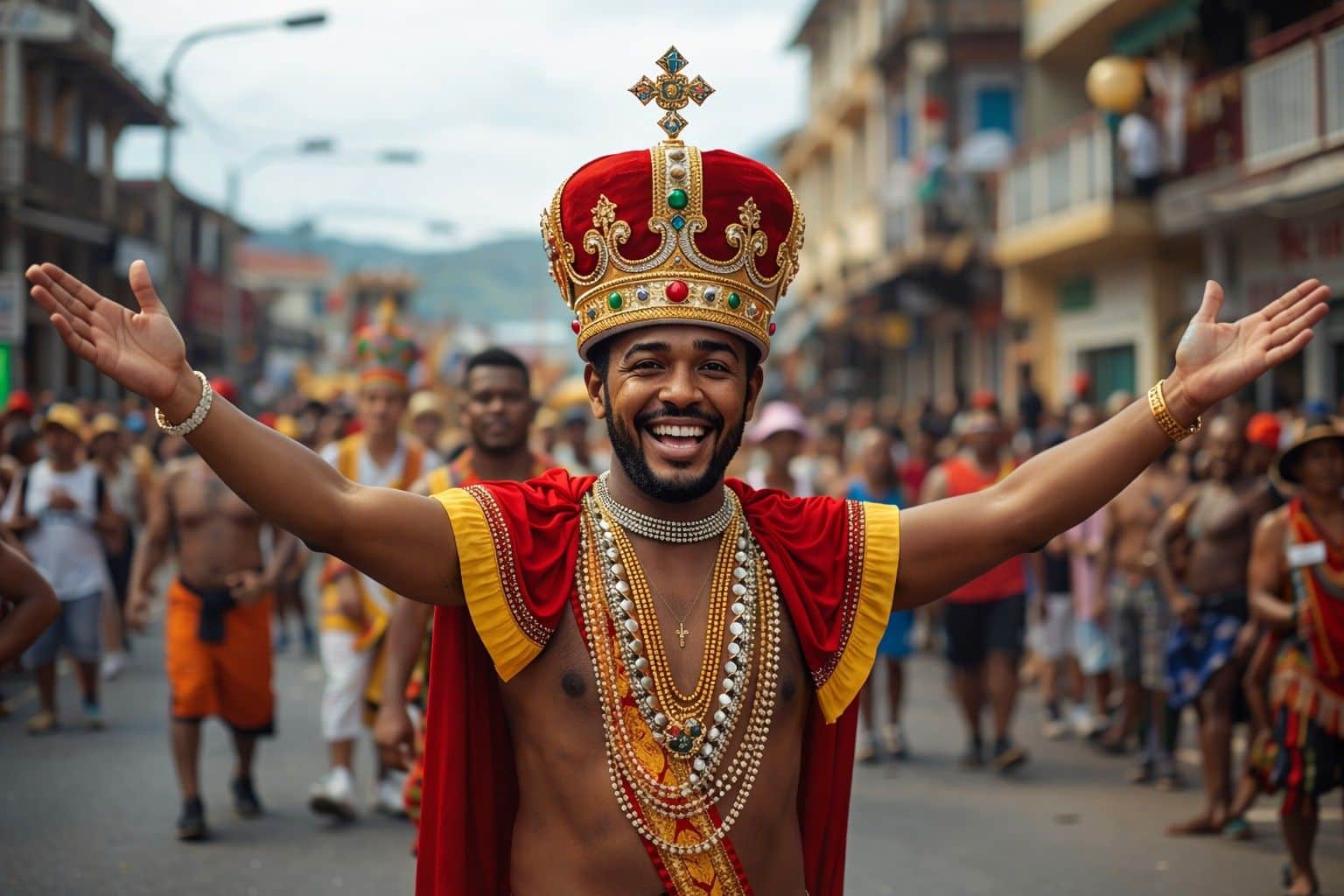 The tradition of King Momo Goa Carnival gives the festival its symbolic heart. King Momo represents joy, excess, and freedom — the very spirit of Carnival. His presence marks the official beginning of the celebrations and sets the mood for days filled with music, dance, and public revelry across Goa.
More than just a character, King Momo acts as a cultural signal that normal routines are paused and celebration takes over. This symbolic role helps connect modern carnival festivities with their historical and cultural roots, making King Momo an essential part of the Goa Carnival identity.
Who is King Momo
Who is King Momo?
King Momo is the symbolic ruler of the Goa Carnival, traditionally portrayed as a cheerful, larger-than-life figure who announces the start of the festivities. He is often seen leading the opening parade and delivering a playful message inviting people to eat, drink, and enjoy without restraint.
The character of King Momo comes from European Carnival traditions and was adopted in Goa during Portuguese rule. Over time, he became a familiar and much-loved figure, instantly recognizable as the face of the Goa Carnival celebrations.
Role of King Momo in Goa Carnival
The role of King Momo in Goa Carnival goes beyond ceremony. He acts as the official host of the festival, symbolically granting permission for celebration, fun, and social freedom. His declaration marks the shift from everyday life to a few days of collective joy and indulgence.
King Momo also adds continuity to the carnival, linking past traditions with present-day celebrations. By leading parades and appearing at key events, he reinforces the cultural meaning of the festival and strengthens the identity of the Goa Carnival as a celebration rooted in history, symbolism, and community spirit.
Goa Carnival Events and Celebrations
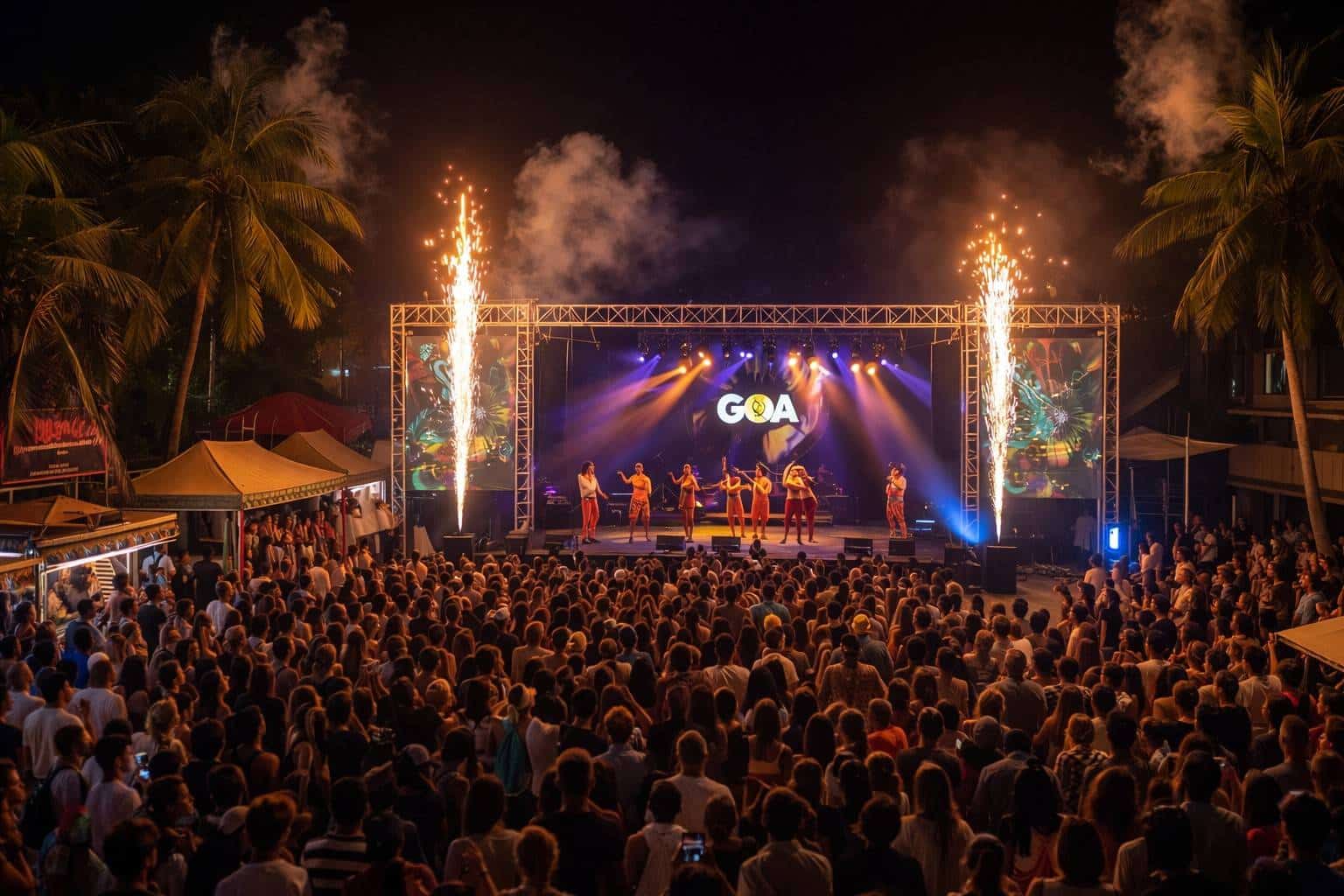 The variety of Goa Carnival events and celebrations is what keeps the festival lively from start to finish. Instead of being limited to one main attraction, the carnival unfolds through multiple events happening across different towns and at different times of the day. This layered structure allows visitors to experience music, dance, food, and street culture all in one festival.
From large public parades to smaller cultural programs and nighttime parties, the Goa Carnival offers something for every kind of traveler. These events together create a continuous festive atmosphere that defines the overall carnival experience.
Music Concerts and Dance Events
Music concerts and dance performances are a central part of Goa Carnival events and celebrations. Live bands, percussion groups, and DJs perform throughout the carnival days, filling the streets and open venues with energetic sounds. Dance events range from choreographed group performances to spontaneous street dancing, where crowds join in freely.
These music and dance events showcase both traditional Goan rhythms and modern influences, reflecting the cultural diversity of the region. Their open and inclusive nature makes them one of the most engaging elements of the Goa Carnival.
Food, Drinks and Night Celebrations
Food, drinks, and night celebrations add another exciting layer to the Goa Carnival experience. Local food stalls, pop-up vendors, and nearby restaurants serve traditional Goan dishes along with festive treats, allowing visitors to explore the region’s flavors during the celebrations. Drinks and refreshments are also an important part of the carnival’s social atmosphere.
As night falls, the celebrations continue with parties, live music, and informal gatherings across towns. These night-time festivities extend the energy of the day and complete the cycle of Goa Carnival events and celebrations, making the festival feel nonstop and immersive.
Goa Carnival Travel Guide
A well-planned Goa Carnival travel guide helps you enjoy the festival without stress and make the most of your trip. Since the carnival attracts large crowds from India and abroad, advance planning around dates, accommodation, and local movement is important. From choosing the right location to understanding crowd patterns, a little preparation goes a long way.
This travel guide focuses on practical aspects like timing your visit, finding convenient places to stay, and navigating the festival safely. These details are especially useful for first-time visitors who want to enjoy the carnival comfortably while soaking in the festive atmosphere.
Best Time to Visit Goa Carnival
The best time to visit Goa Carnival is during the main parade days, usually from Saturday to Tuesday before Ash Wednesday. These days feature the biggest processions, most events, and the highest energy levels. Visiting during this period ensures you don’t miss the core carnival experience.
Arriving a day or two earlier is also recommended, as it allows time to explore the area and attend pre-carnival events. Since the carnival season falls during peak tourist months, booking travel and accommodation early is an important part of any reliable Goa Carnival travel guide.
Hotels Near Goa Carnival Parade
Choosing hotels near Goa Carnival parade routes can save time and make the experience more convenient. Staying close to main celebration areas like Panaji allows easy access to parades, events, and night festivities without long travel or traffic delays.
Hotels near the parade routes are especially popular during carnival days, so early reservations are strongly advised. For budget travelers, nearby guesthouses and homestays also offer practical options while keeping you close to the action.
Tips for Tourists Visiting Goa Carnival
Following simple tips for tourists visiting Goa Carnival can help ensure a smooth and enjoyable experience. Wearing comfortable clothing, staying hydrated, and keeping personal belongings secure are essential due to long hours and crowded streets. It’s also wise to follow local instructions and parade schedules to avoid restricted areas.
Tourists should plan transportation in advance, as traffic diversions are common during carnival days. Respecting local culture and participating responsibly will enhance your experience and make your Goa Carnival travel guide truly useful for a memorable visit.
FAQs About Goa Carnival
When is Goa Carnival Celebrated
Goa Carnival is celebrated every year just before the Christian season of Lent, usually between February and early March. The exact dates change annually as they depend on the Christian calendar and end a day before Ash Wednesday.
Is Goa Carnival Free to Attend
Yes, Goa Carnival is free to attend for the public. Street parades, cultural events, and most celebrations are open to everyone without any entry fee. However, some private parties, concerts, or special events may require paid passes.
What Should I Wear to Goa Carnival
There is no strict dress code for Goa Carnival, but comfortable clothing is recommended due to long hours of walking and standing. Many people choose to wear colorful outfits, costumes, or masks to match the festive vibe, while light footwear helps during crowded parades.
Is Goa Carnival Worth Visiting
Yes, Goa Carnival is definitely worth visiting, especially for travelers who enjoy culture, music, and vibrant street festivals. The combination of grand parades, lively atmosphere, and Goa’s unique heritage makes it one of the most exciting festivals in India for both first-time and repeat visitors.
If you want to learn more about Indian festivals, you can explore here.dionfest