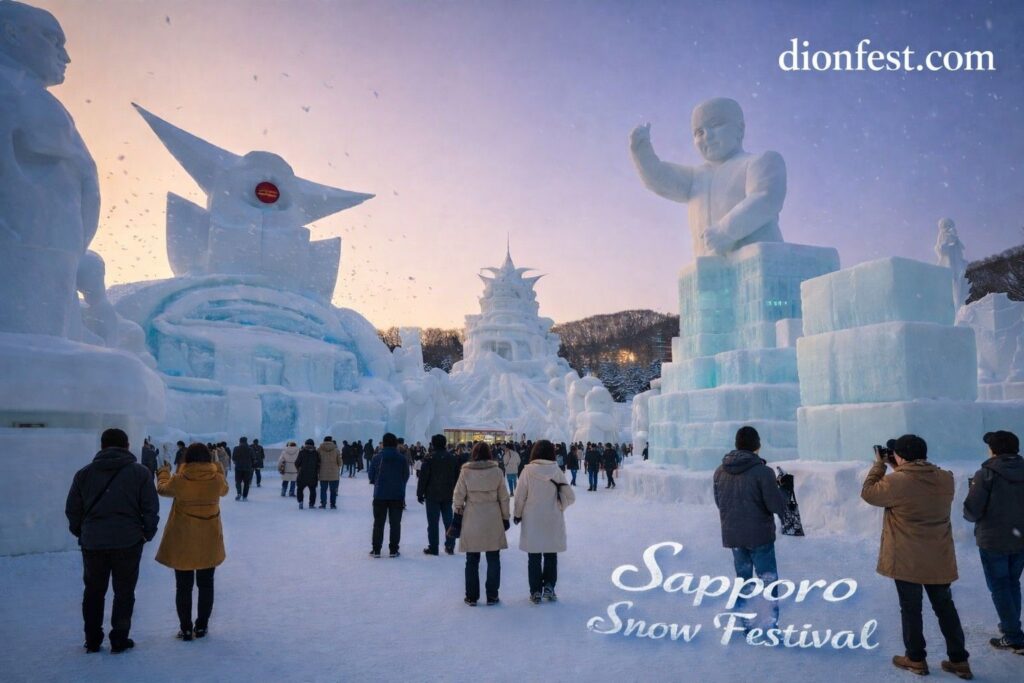
Sapporo Snow Festival 2026 is one of Japan’s most spectacular winter events, drawing millions of visitors to Hokkaido every year.The Sapporo Snow Festival is one of Japan’s most spectacular winter celebrations, drawing millions of visitors to Hokkaido every year. Held in the heart of winter, this world-famous event transforms the city of Sapporo into a breathtaking display of massive snow sculptures, delicate ice carvings, and vibrant festival events. From the iconic snow art at Odori Park to glowing ice sculptures in Susukino and fun winter activities at Tsudome, the festival offers something for every traveler. Whether you’re visiting for photography, culture, or pure winter magic, the Sapporo Snow Festival is an unforgettable experience.
What Is the Sapporo Snow Festival?
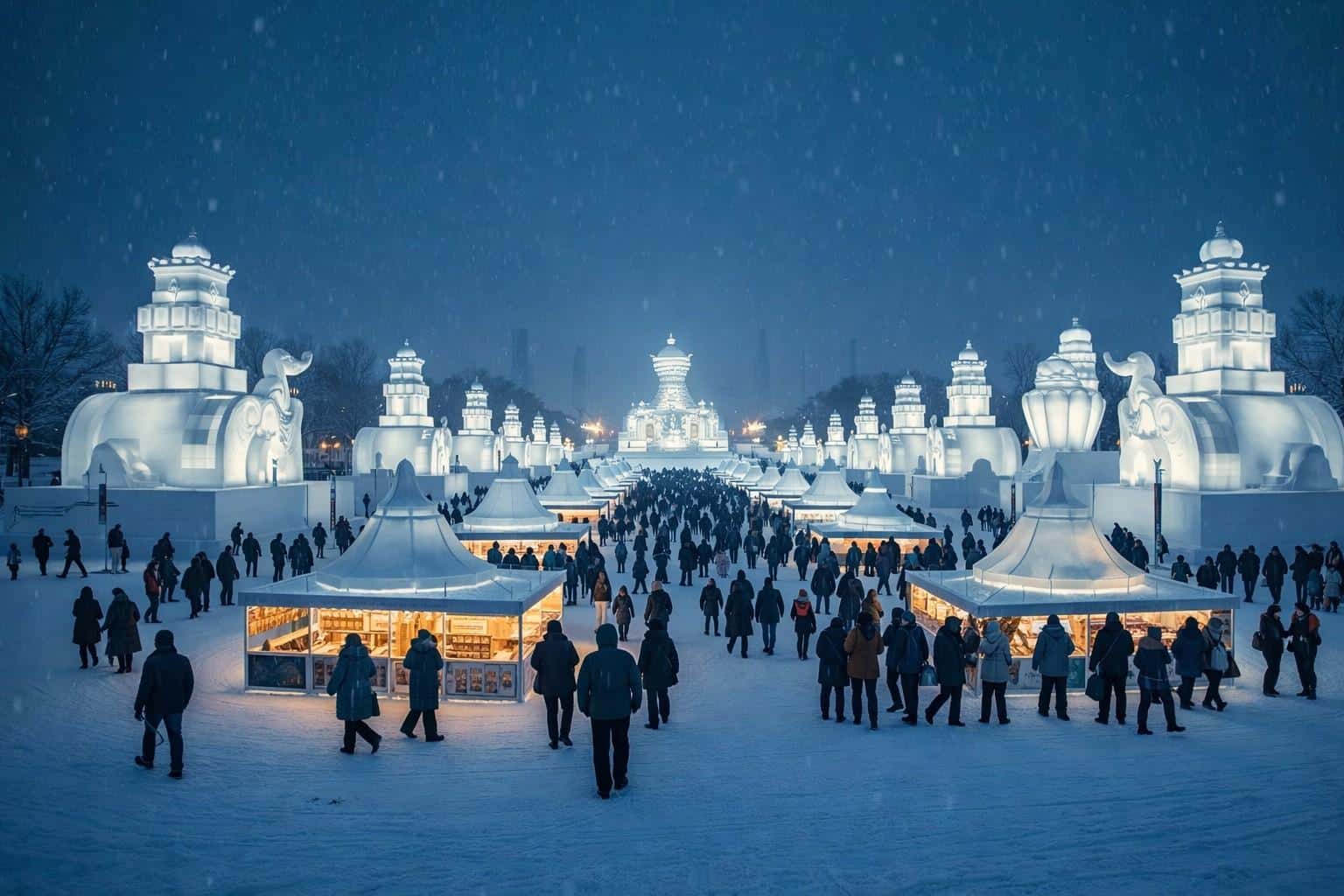
The Sapporo Snow Festival (Sapporo Yuki Matsuri) is an annual winter event held each February in Sapporo, Hokkaido, that turns large parts of the city into a sparkling winter playground. What starts as a display of snow and ice becomes a week-long celebration of large-scale snow sculptures, delicate ice carvings, light-up displays, food stalls and family-friendly activities across three main sites: Odori Park, Susukino and Tsudome. The festival grew from a small student-led display in 1950 into one of Japan’s biggest winter events.
Odori Park is the heart of the festival — a 1.5 km stretch lined with huge snow statues and artistic displays that are often lit up after dark. Susukino focuses mainly on ice sculptures and nighttime illuminations carved right in the city’s entertainment district, while Tsudome is the family-and-activity site with snow slides, tubing and interactive attractions. Together, these sites offer a mix of visual spectacle (the snow and ice sculptures), hands-on fun, and evening events that keep both locals and visitors entertained.
Why the Sapporo Snow Festival Is Famous Worldwide
There are a few simple reasons the Sapporo Snow Festival draws global attention. First, scale: the festival routinely attracts millions of visitors and features snow sculptures that range from charming character reliefs to towering, intricately detailed replicas of buildings and scenes — some reach dozens of feet high. Those monumental works are often best seen in Odori Park, where teams — including international competitors — build show-stopping pieces that dominate headlines each year.
Second, the festival blends artistry with spectacle. The combination of daytime detail and dramatic night illuminations turns snow and ice sculptures into cinematic sights; photographers and social feeds light up with images every festival season. Add to that the International Snow Sculpture Competition and carefully curated events (performances, light shows, and community activities), and you have something that’s both a serious art contest and a crowd-pleasing winter festival that news outlets and travel guides love to cover.
Finally, accessibility and atmosphere help the festival’s reputation. Held in a major city with reliable winter infrastructure, it’s easy for visitors to combine sculpture-spotting with local food (think miso ramen and street snacks), evening strolls, and family fun at Tsudome. That mix of massive artistic ambition, nightly magic, and approachable winter activities is what keeps the Sapporo Snow Festival on international travel radar year after year.
Sapporo Snow Festival 2026 Dates & Schedule
The Sapporo Snow Festival dates for 2026 are officially set from Wednesday, February 4 to Wednesday, February 11, 2026, making this year’s celebration an eight-day winter spectacle in Sapporo, Hokkaido.
During this period, the city transforms into a vibrant winter wonderland filled with snow and ice art across three major venues: Odori Park, Susukino and Tsudome. Each site runs daily from morning into the evening, with illuminations at Odori Park typically lit until about 10 PM and Susukino’s ice sculptures glowing late into the night, creating a magical atmosphere for visitors of all ages.
The festival’s schedule is carefully planned so you can enjoy the full range of activities throughout the week. Sculptors begin preparing their snow and ice masterpieces well before the official start, meaning even early attendees will see both finished and in-progress works that showcase incredible craftsmanship.
Daily Schedule of Sapporo Snow Festival Events
Each day of the Sapporo Snow Festival events brings something new to explore. From February 4 through February 11, visitors can stroll at Odori Park’s snow sculpture displays stretching over a kilometer, enjoy participatory light shows, and catch special themed illuminations each evening.
Typical days begin with the snow and ice exhibits already in place and ready for viewing. During daylight hours, families often explore Tsudome for interactive snow activities like sledding, snow rafting and fun winter attractions, while Susukino invites visitors to wander among striking ice sculptures set against the backdrop of the city’s neon lights.
As the sun sets, nighttime events ramp up: Odori Park’s larger-than-life snow sculptures are bathed in colorful lights, often synchronized with music for an engaging experience, and Susukino’s illuminated ice carvings make for spectacular evening walks well into the festival week.
Throughout the eight-day span, festival organizers also host community events, cultural showcases and local food stalls, ensuring every visit during the Sapporo Snow Festival events feels rich with winter fun and artistic celebration.
Sapporo Snow Festival Location & Main Venues
The Sapporo Snow Festival location is one of its greatest charms — the festival is spread across three distinct venues in Sapporo, Hokkaido, each offering a different winter experience that attracts millions of visitors every year. These sites are Odori Park (the main snow sculpture zone), the Susukino Ice World (the nighttime ice art district), and the Tsudome Site (family-friendly snow activities and play).
Together, these locations transform parts of downtown Sapporo into a sprawling winter celebration where visitors can appreciate massive snow and ice art displays, local food stalls, cultural performances, and hands-on snow fun — all within easy reach via the city’s efficient subway system.
Odori Park Snow Sculptures
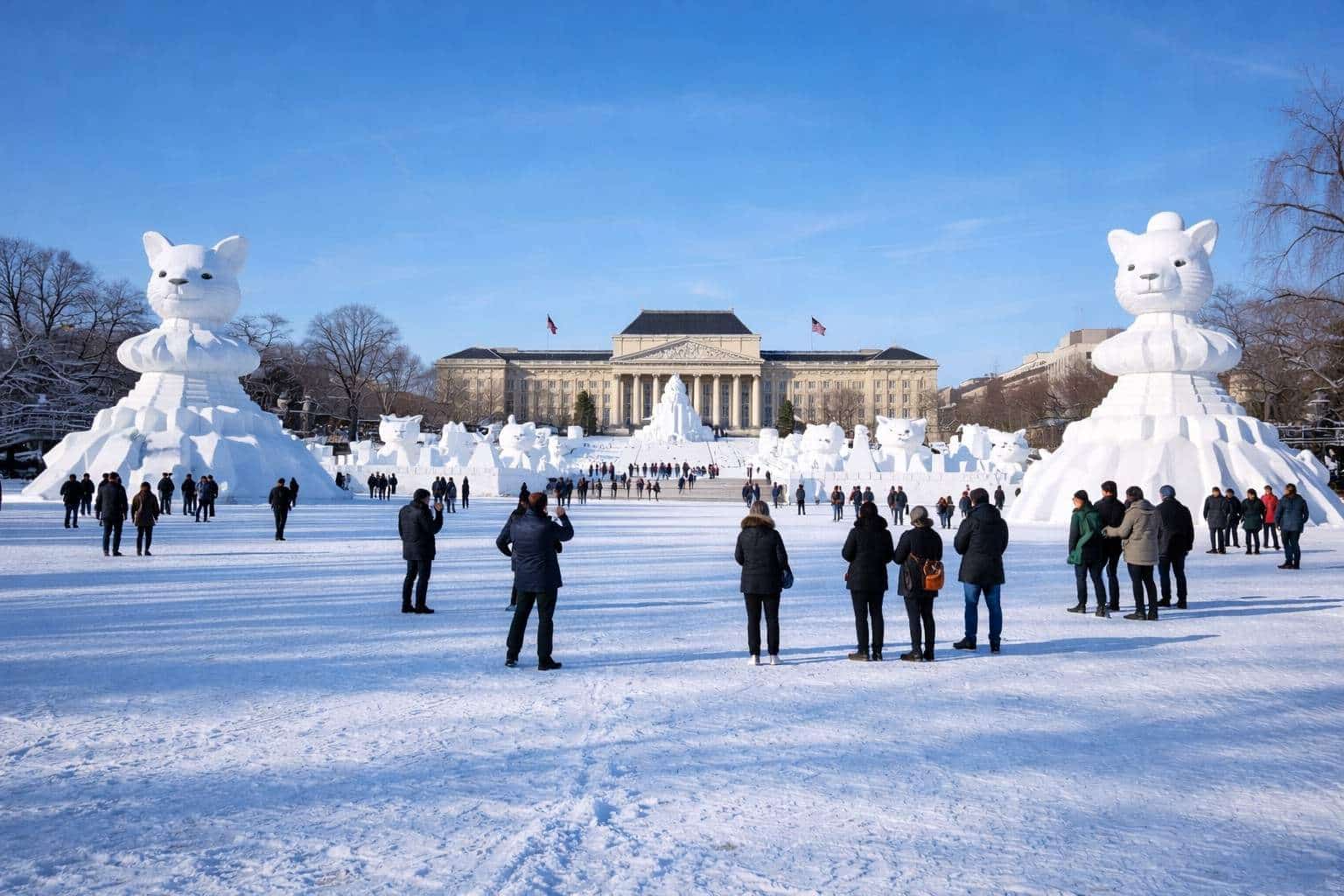
At the heart of the festival lies Odori Park, a long green space slicing through central Sapporo that becomes the main stage for the Sapporo Snow Festival ice sculptures each February. Here, over 1.5 kilometers of parkland are filled with massive snow sculptures — from grand historic scenes and famous characters to creative art pieces — created by teams from across Japan and around the world.
These snow sculptures are the highlight for many visitors because of their sheer scale and detail, with some towering dozens of feet and illuminated beautifully after dark. Odori Park’s exhibits often include special competition zones and citizen-made works that reflect both local craftsmanship and international participation, making it a must-see for anyone attending the Sapporo Snow Festival.
Susukino Ice World
Just one subway stop south of Odori Park is the Susukino Ice World, set in Sapporo’s vibrant entertainment district. Unlike Odori Park’s snow figures, this site specializes in crystal-clear ice sculptures crafted from blocks of pure ice and arranged along Ekimae-dori Street between Minami 4-jo and Minami 7-jo.
Susukino’s ice displays shine especially at night when artistic lighting brings out the glistening details of each carving. You’ll find a mix of large ice works and intricate smaller pieces that often take inspiration from cultural themes, characters and seasonal motifs. Because the Susukino venue runs into the evening, it’s a perfect place for visitors who want to enjoy artistic ice art after exploring Odori Park.
Tsudome Site Winter Activities
For visitors looking beyond sculptures and lights, the Tsudome Site offers an interactive side of the Sapporo Snow Festival. Located a short subway ride from the city center, this venue focuses on winter activities and snow play, making it especially popular with families and young visitors.
At Tsudome, you’ll find giant snow slides, snow rafts, tubing runs and other attractions where everyone can enjoy the snow firsthand. There’s also indoor space with food vendors and warm rest areas for breaks between activities — an ideal complement to the more traditional snow and ice art on display at Odori Park and Susukino.
Sapporo Snow Festival Tickets & Entry Fees
If you’re planning your trip, one of the best things about the Sapporo Snow Festival tickets situation is how surprisingly budget-friendly it is. For most visitors, there’s no ticket needed at all to enter and stroll through the iconic snow and ice sculptures at the festival’s main outdoor sites like Odori Park and Susukino — entrance is completely free. You can walk around, take photos, enjoy the light displays, and soak up the winter atmosphere without paying any admission fee.
That said, some experiences around the festival may still require a small cost. For example, guided tours, special exhibits, rides at the Tsudome snow play area, food stalls, souvenir shops, or attractions like climbing the Sapporo TV Tower observation deck all have their own pricing. If you want those extras on top of the free entry, plan to bring a little extra cash with you when you visit.
Overall, the Sapporo Snow Festival tickets setup makes it easy for everyone — families, solo travelers, and budget visitors — to enjoy one of Japan’s most famous winter celebrations without worrying about steep entry costs.
Is the Sapporo Snow Festival Free for Visitors?
Yes — Is Sapporo Snow Festival free? For the vast majority of people visiting the festival, the answer is yes! Viewing the snow and ice art across Odori Park, Susukino Ice World and other outdoor areas doesn’t require purchasing a ticket. These public festival sites are open to everyone at no charge, allowing visitors to wander around the sculptures, watch the evening illuminations, and soak in the festive vibes freely.
There are a few exceptions where you might pay — such as certain amusement features at Tsudome (like snow slides or indoor snow attractions) or optional paid experiences like viewing platforms and tours — but these are extras rather than required entry fees. So if your primary goal is to experience the snow sculptures and festival atmosphere, you can do that easily without buying Sapporo Snow Festival tickets.
In a world where many big festivals charge for access, this free-entry model makes the Sapporo Snow Festival one of the most accessible and welcoming winter events you can attend.
Top Things to See at the Sapporo Snow Festival
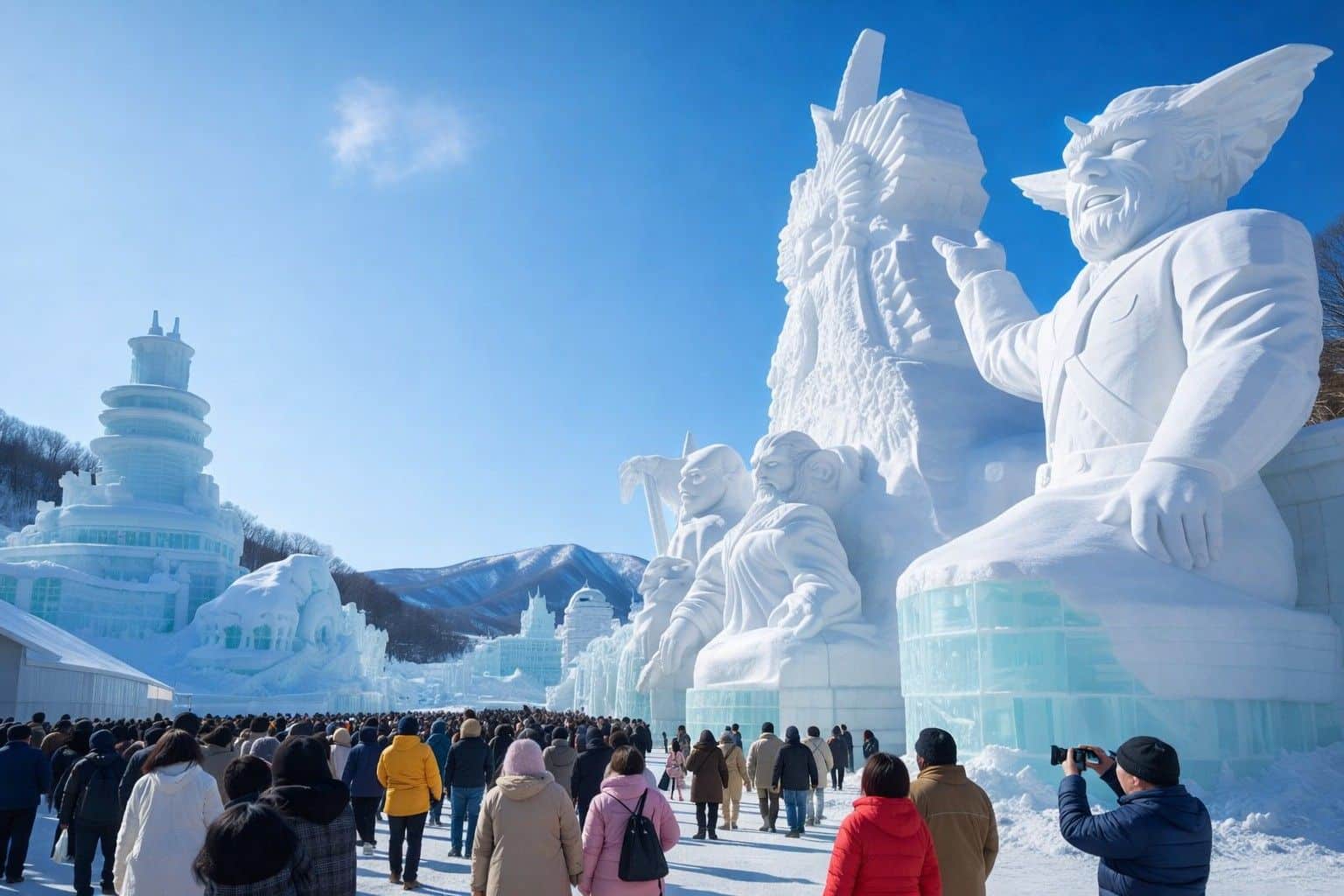
The Sapporo Snow Festival events are much more than just a stroll through a winter park — they’re an immersive celebration of winter art, culture, and community that brings Sapporo to life each February. Across the festival’s main sites, visitors can witness stunning snow and ice creations, engaging performances, and a magical blend of daytime fun and night-time charm that draws millions of visitors from Japan and around the world every year.
Famous Ice Sculptures and Snow Art Displays
One of the biggest highlights of the Sapporo Snow Festival events is undoubtedly the incredible ice sculptures and snow art that line the festival venues — especially at Odori Park and Susukino. At Odori Park, massive snow sculptures — some reaching heights of over 10 meters — stretch along a long park promenade, showcasing everything from iconic architectural replicas to creative pop culture figures carved from pure snow.
At the nearby Susukino Ice World, dozens of ice sculptures made from crystal-clear ice blocks glow under colorful lights at night, turning the city’s entertainment district into a dazzling gallery of ice art. These works are more than just static displays — many are interactive, photo-friendly pieces that invite visitors to slow down, explore close up, and appreciate the remarkable craftsmanship behind them.
Whether you’re wandering through snow mountains at Odori or admiring intricate ice carvings in Susukino, these ice sculptures are the heart of the festival’s artistic spectacle and a key reason people travel from across the globe to attend.
Night Illuminations and Cultural Performances
As day turns to evening, the Sapporo Snow Festival events take on an even more magical feel thanks to spectacular night illuminations and a variety of cultural performances. From sunset until late in the evening, both snow and ice sculptures are bathed in shimmering light, creating a warm, almost dream-like atmosphere that’s perfect for evening walks and photography.
Odori Park often hosts live performances, music stages, and community gatherings throughout the festival, using the snowy backdrop as a stage that celebrates both local and international talent. Whether it’s traditional music, dance, or modern performances, these events add rhythm and cultural richness to the festival experience beyond just visual art.
At Susukino, the illuminated ice sculptures alongside street lighting and nearby entertainment spots further add to the festive mood, making night visits especially memorable. The interplay of light, art and performance gives visitors a deeper sense of celebration and community that defines the Sapporo Snow Festival.
Best Time to Visit the Sapporo Snow Festival
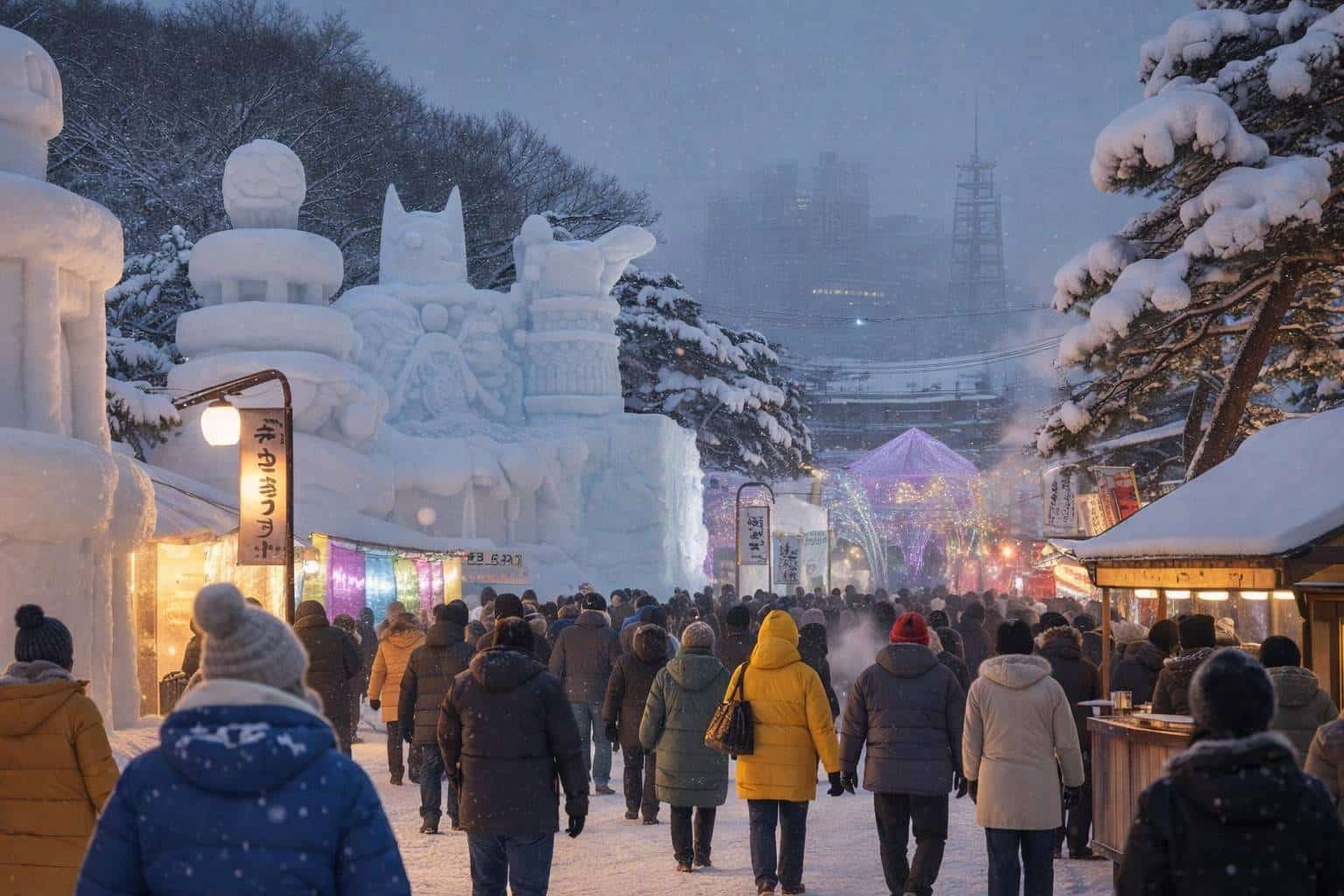
When planning your trip around the Best time to visit Sapporo Snow Festival, there’s really one standout period each year: early February, when the festival is in full swing and the city is at its most magical. This timing coincides with the coldest part of the season in Sapporo — typically February 4 to February 11 — meaning snow is abundant and the conditions are perfect for the amazing snow and ice displays that define the celebration.
If you’re looking to enjoy not only the festival but also the snowy landscapes, winter sports, and festive atmosphere of Hokkaido’s capital, then December through March is generally considered the ideal window to visit Sapporo overall — but February specifically is when the iconic Sapporo Snow Festival comes alive and attracts visitors from around the world.
Lower crowd levels in the early mornings (around 7–9 AM) or later evenings (after 9 PM) during festival days offer quieter opportunities to enjoy the sculptures and installations before or after peak visiting hours.
Weather Conditions During the Festival
If you’re visiting at the Best time to visit Sapporo Snow Festival, it’s important to be prepared for genuine winter weather. February in Sapporo is one of the coldest months of the year, with temperatures often hovering well below freezing — frequently from around -11 °C in the early morning to just around 1 °C during the warmest part of the day — and snowfall is common throughout the festival.
Because the festival sites like Odori Park and Susukino are entirely outdoors, this chill becomes part of the experience — dusting the snow sculptures with fresh snow and filling the city with that classic winter wonderland feel. Dressing in layers, with a warm coat, insulated boots, good gloves and a hat, makes walking between exhibits and staying out after sunset much more enjoyable.
Despite the cold, the crisp weather and frequent snowfall create perfect conditions for the festival’s stunning snow and ice art, as the sculptures hold their shape and sparkle throughout the day — and especially at night, when lights and performances bring the whole event to life.
Complete Sapporo Snow Festival Travel Guide
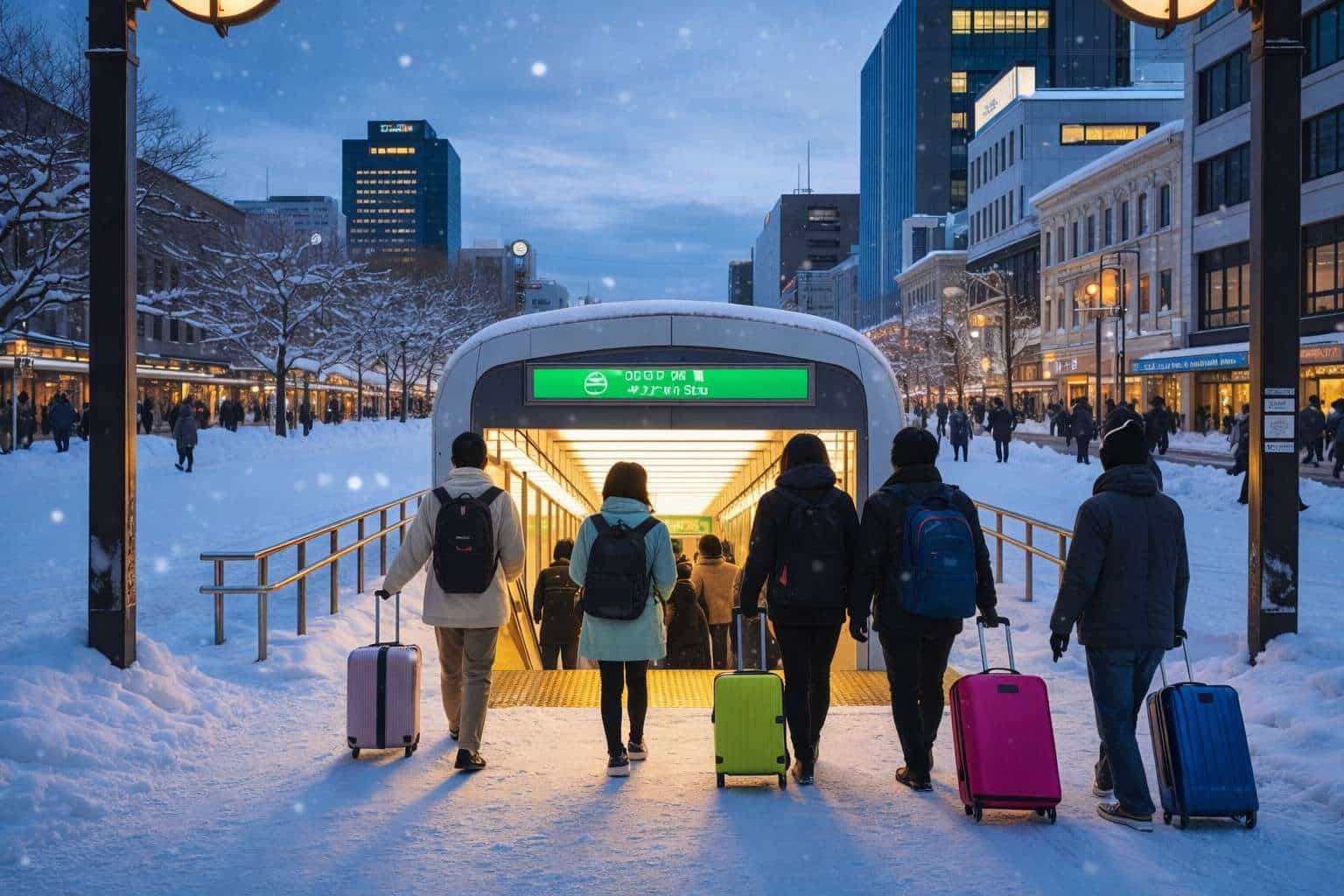
If you’re putting together a Sapporo Snow Festival travel guide, here’s the practical low-down you need: the festival is spread across central Sapporo and is extremely easy to reach from New Chitose Airport — a rapid JR train gets you to JR Sapporo Station in roughly 35–40 minutes, and from there the main Odori site is a short walk or one subway stop away.
The festival’s three venues (Odori Park, Susukino and Tsudome) are well connected by Sapporo’s subway lines and frequent shuttle buses during the festival period, so planning your days around sites rather than worrying about transport works best. Odori and Susukino sit in the city centre and are walkable from most central hotels; Tsudome is farther out but served by the Toho Line to Sakaemachi Station plus short shuttle/walk options.
Money-wise and comfort-wise, book central accommodation early — hotels around Odori/Susukino sell out fast during the festival, and staying near Odori gives you direct, quick access to the festival’s main snow sculptures and evening illuminations. Popular hotel picks in that area (good balance of location and value) include properties like KOKO HOTEL Sapporo Odori, Richmond Hotel Sapporo Odori, and Cross Hotel Sapporo — all within easy walking distance of Odori Park.
Practical tips for a smooth trip: rely on the subway for cold days (it’s frequent and cheap), carry small cash for food stalls and rides, and aim for early mornings or late evenings at Odori if you want fewer crowds and better photo light. These small planning moves make this travel guide actually useful on the ground.
How to Reach the Sapporo Snow Festival
Getting to the festival is straightforward. From New Chitose Airport take the JR Rapid or Special Rapid service to JR Sapporo Station (about 33–40 minutes), then either walk (≈10–15 minutes) or hop one stop on the subway to Odori Station for Odori Park. Susukino is one subway stop south of Odori on the Namboku Line, and Tsudome is accessed via the Toho Line to Sakaemachi Station followed by a short walk or festival shuttle.
During the festival there are also dedicated shuttle buses from major points (Sapporo Station / Odori) to Tsudome, and clear signage in English at stations. Buying an IC card (Kitaca or other regional IC) for subway and bus rides speeds things up and keeps fingers warm in the cold.
Best Places to Stay During the Festival
For convenience and the best festival access, choose a hotel near Odori Park or Susukino. Staying in this area lets you pop back to your room to warm up between shows and makes evening illuminations and night performances much easier to enjoy. Highly recommended hotel options (based on proximity and frequent traveler picks) include KOKO HOTEL Sapporo Odori, Richmond Hotel Sapporo Odori, Cross Hotel Sapporo, and several well-rated business hotels clustered around Odori and Tanukikoji shopping street.
If you want more space or family-oriented facilities (and don’t mind the extra commute), consider staying closer to Sakaemachi/Tsudome for faster access to the family activities there — but expect a 20–30 minute transfer into the city centre. Wherever you stay, book as early as possible for festival week: rooms fill up quickly and prices rise the closer you get to the event.
Frequently Asked Questions About Sapporo Snow Festival
When Is the Sapporo Snow Festival Held?
A very common question visitors ask is about the Sapporo Snow Festival dates — and for 2026, the festival is officially scheduled to run from February 4 to February 11, 2026. This aligns with its long-standing tradition of being held over about a week in early February each year in Sapporo, Hokkaido, bringing together snow and ice art, cultural displays, and winter celebrations across multiple venues in the city.
During this eight-day span, you can explore snow sculptures, ice carvings, and festive attractions at Odori Park, Susukino Ice World and the Tsudome site in comfortable sequence; evenings are especially lively thanks to illuminations and events scheduled throughout the festival dates.
How Long Does the Sapporo Snow Festival Last?
When people wonder how long the Sapporo Snow Festival lasts, the simple answer is that it typically stretches over about eight days in early February. In 2026, as mentioned above, it runs from February 4 to February 11.
This duration gives you plenty of time to take in the main snow and ice displays, visit different festival venues at different times of day, and enjoy evening light shows without feeling rushed. While the official festival period is fixed, many snow and ice installations remain viewable before the start and even a short while after the formal closing, especially in areas like Odori Park and Susukino.
What Should I Wear to the Sapporo Snow Festival?
Because most activities at the Sapporo Snow Festival occur outdoors in the heart of winter, dressing for cold weather is essential. Sapporo in early February is very cold, with temperatures often well below freezing, so warm clothing will make your festival experience much more enjoyable.
A good outfit includes a down jacket or long wool coat, thick sweater layers, thermal underwear, wind-resistant pants, warm socks, gloves, a scarf, and a hat. It’s also wise to wear non-slip snow boots because sidewalks and festival areas can be icy or snowy.
Layering is key — inner thermal layers trap body heat while outer layers protect you from wind and cold — and this type of dressing isn’t just practical, it lets you enjoy festival events like snow sculpture viewing and evening illuminations in comfort, even when temperatures dip as you explore Sapporo’s winter wonderland.
Final Tips for Visiting the Sapporo Snow Festival
Visiting the Sapporo Snow Festival is one of the most magical winter experiences you can have, but a little preparation goes a long way toward turning your trip into unforgettable memories. First, plan your days around key Sapporo Snow Festival events like sunrise or early morning visits to Odori Park and Susukino — from about 7–9 AM you’ll find these iconic snow and ice displays quieter and beautifully lit by soft natural light, which is perfect for photos without huge crowds.
Since millions of visitors flock here during the official Sapporo Snow Festival dates (February 4–11, 2026), booking your hotel and transport early is essential. Hotels near Odori Park or Susukino fill fast and often offer direct festival access, helping you rest and recharge quickly between exploring the snow sculptures, ice carvings, light shows, and nighttime performances.
Dressing appropriately is another top tip — Sapporo in early February sees very cold weather and frequent snow, so warm layers, waterproof boots with good traction, gloves, and heat packs will keep you comfortable as you wander between venues. Snack breaks at the festival’s many food stalls not only let you taste local delights like warm soup and grilled treats but also give you a chance to thaw out and enjoy the atmosphere between viewing the art and attending the cultural festival events.
Finally, if your schedule allows, try spacing your sightseeing over a few days rather than cramming everything into one visit — viewing snow and ice sculptures both during daylight and at night under illuminations offers two very different but equally stunning perspectives. These final tips help ensure your Sapporo Snow Festival travel guide isn’t just informative, but also practical for making the most of this winter wonderland.
If you want to learn more about world’s festivals, you can explore here.dionfest