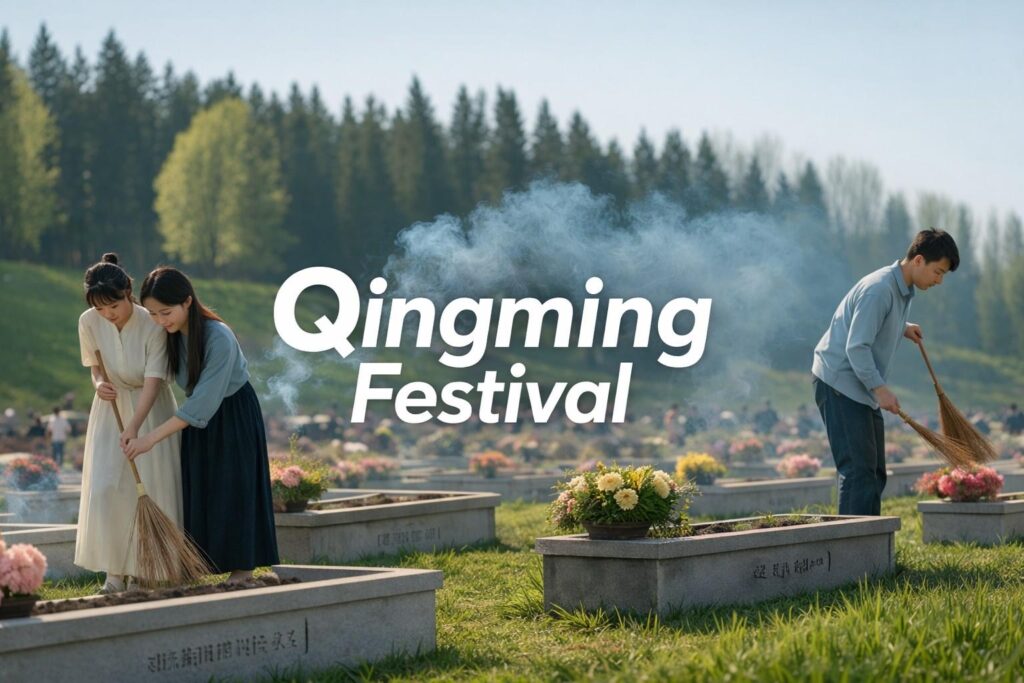
Qingming Festival, also known as Tomb Sweeping Day, is one of the most meaningful traditional festivals in Chinese culture. Observed each spring, it is a time when families honor their ancestors by visiting graves, cleaning tombstones, and making offerings. More than just a day of remembrance, the Qingming Festival reflects deep values such as filial piety, respect for family heritage, and the connection between past and present. Set during the “clear and bright” season, the festival also celebrates renewal and new life, blending quiet reflection with the beauty of spring.
What is Qingming Festival?
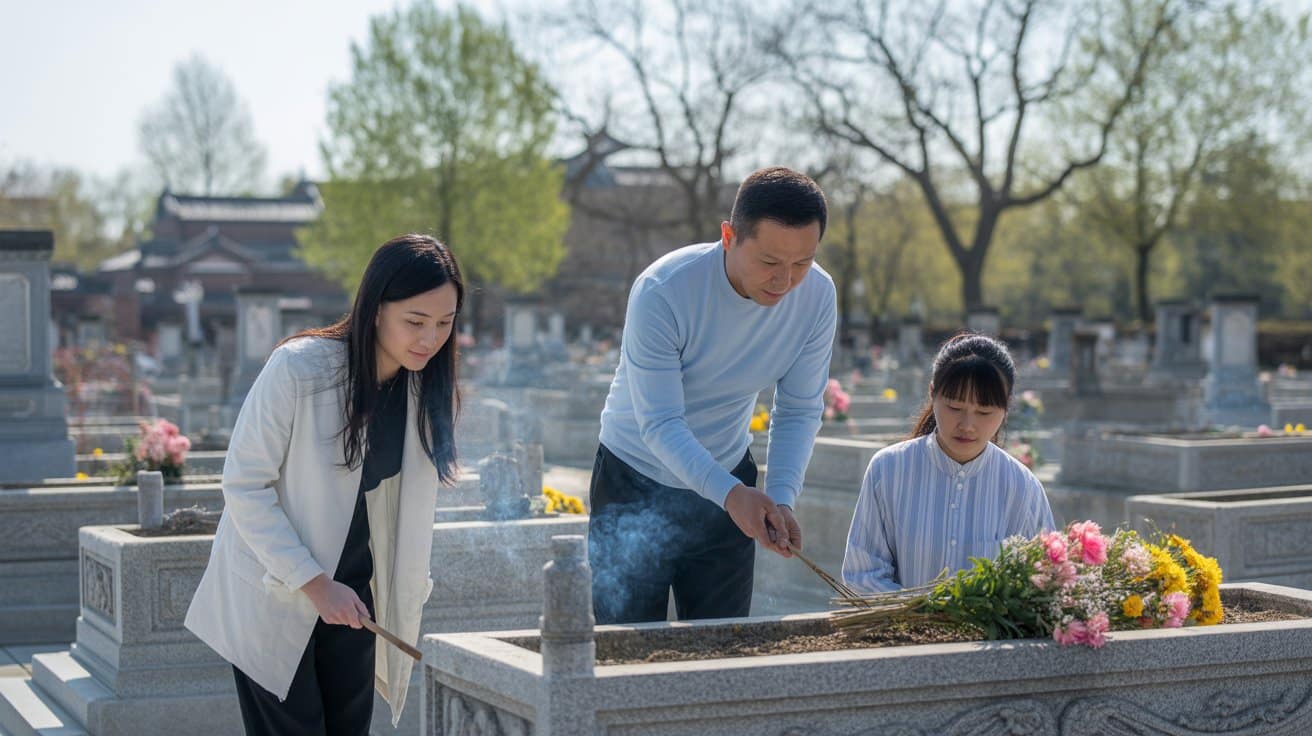 What is Qingming Festival? At its simplest, the Qingming Festival—often called Tomb Sweeping Day—is a traditional Chinese occasion for remembering and honoring ancestors. Families visit ancestral graves to clean the tombstone, pull weeds, burn incense and joss paper, and leave food or flowers as offerings; these acts make respect for the dead visible and ongoing.
Historically the festival reaches back more than two millennia and is linked to older observances such as Cold Food Day; one well-known origin story involves Jie Zitui, whose tale helped shape early customs of remembrance. Qingming also sits on the solar calendar (the “Clear and Bright” solar term), so it usually falls on April 4, 5, or 6—a moment that doubles as both a time for grave rituals and a spring outing when families enjoy the fresh season.
Beyond graveside rites, Qingming Festival mixes solemnity with everyday life: people fly kites, eat seasonal foods like qingtuan (green rice dumplings), and use the holiday to reconnect with family and cultural memory. It’s observed across mainland China and by Chinese communities worldwide, making the festival both a personal family practice and a living piece of Chinese cultural identity.
In short: if someone asks, “What is Qingming Festival?” you can say it’s a springtime festival of “clear and bright” weather that centers on tomb-sweeping and ancestor veneration—an annual moment when the past is cared for, remembered, and woven back into the life of the living.
Qingming Festival Meaning and Significance
The Qingming Festival meaning goes far beyond a single day of tradition—it reflects some of the deepest values in Chinese culture. At its heart, Qingming is about remembrance, respect, and continuity. The festival emphasizes honoring ancestors, acknowledging family roots, and recognizing that the present generation is closely connected to those who came before. By visiting graves and performing simple rituals, families express gratitude and maintain a moral bond with their ancestors, even after death.
The significance of Qingming Festival also lies in its focus on filial piety, a core Confucian value. Caring for ancestors’ resting places is seen as a responsibility, not an obligation, and it reinforces ideas of respect, duty, and family unity. This practice teaches younger generations the importance of remembering their heritage and understanding where they come from, making Qingming both a cultural and educational experience.
At the same time, Qingming Festival carries a seasonal and emotional meaning. The term “Qingming” translates to “clear and bright,” symbolizing renewal, clarity, and the arrival of spring. While the festival honors the dead, it also celebrates life—people enjoy nature, take spring outings, and reconnect with family. This balance between mourning and renewal is what makes the Qingming Festival meaning so powerful: it reminds people to respect the past while embracing the present and future.
In essence, the Qingming Festival is significant because it blends memory, morality, and nature into one meaningful tradition. It is a moment to pause, reflect, and strengthen family bonds, ensuring that cultural values are passed down generation after generation.
Why Is Qingming Festival Celebrated?
To understand why Qingming Festival is celebrated, you have to look at both history and the deep-rooted tradition of ancestor worship in Chinese culture. The festival began more than 2,000 years ago and gradually evolved from ancient spring rituals and memorial customs. Over time, it became a dedicated occasion for families to honor their ancestors, care for their graves, and show respect to those who came before them.
One key reason why Qingming Festival is celebrated is the belief that ancestors continue to influence the lives of the living. By sweeping tombs, offering food, burning incense, and presenting paper offerings, families express gratitude and maintain a spiritual connection with their ancestors. These acts are not about fear or superstition but about respect, remembrance, and fulfilling moral responsibilities passed down through generations.
Historically, Qingming is also linked to early agricultural society. It falls during a solar term that marks clear weather and the beginning of spring farming. This made it a natural time for people to step outside, tend to graves, and reflect on life and renewal. As a result, the festival blends remembrance of the dead with appreciation for nature and new beginnings.
In simple terms, Qingming Festival is celebrated to honor ancestors, preserve family values, and keep cultural traditions alive. It reminds people where they come from, encourages respect for family heritage, and creates a meaningful pause in modern life to reflect on both the past and the present.
Qingming Festival Date and Time of Celebration
The Qingming Festival date is closely tied to the traditional Chinese solar calendar rather than a fixed lunar date. Each year, Qingming Festival is observed on April 4, 5, or 6, depending on the position of the sun. Most commonly, it falls on April 4 or April 5, making it one of the few major Chinese festivals based on a solar term instead of the lunar cycle.
Qingming marks the “Clear and Bright” solar term, a time when the weather becomes warmer, rainfall increases, and spring fully arrives. This seasonal background is important to understanding the festival. Historically, it was the perfect moment for families to go outdoors, tend to ancestral graves, and reconnect with nature after winter. The clear skies and fresh greenery symbolized renewal and balance between life and remembrance.
Because of its fixed place in the solar calendar, the Qingming Festival date is predictable every year, which makes it easier for families to plan tomb-sweeping visits and gatherings. In modern China, the festival is usually observed over one day, though it may be combined with a short public holiday depending on the calendar.
Overall, the timing of Qingming Festival reflects its deeper meaning—honoring the past while welcoming the brightness and new life of spring.
How Is Qingming Festival Celebrated in China?
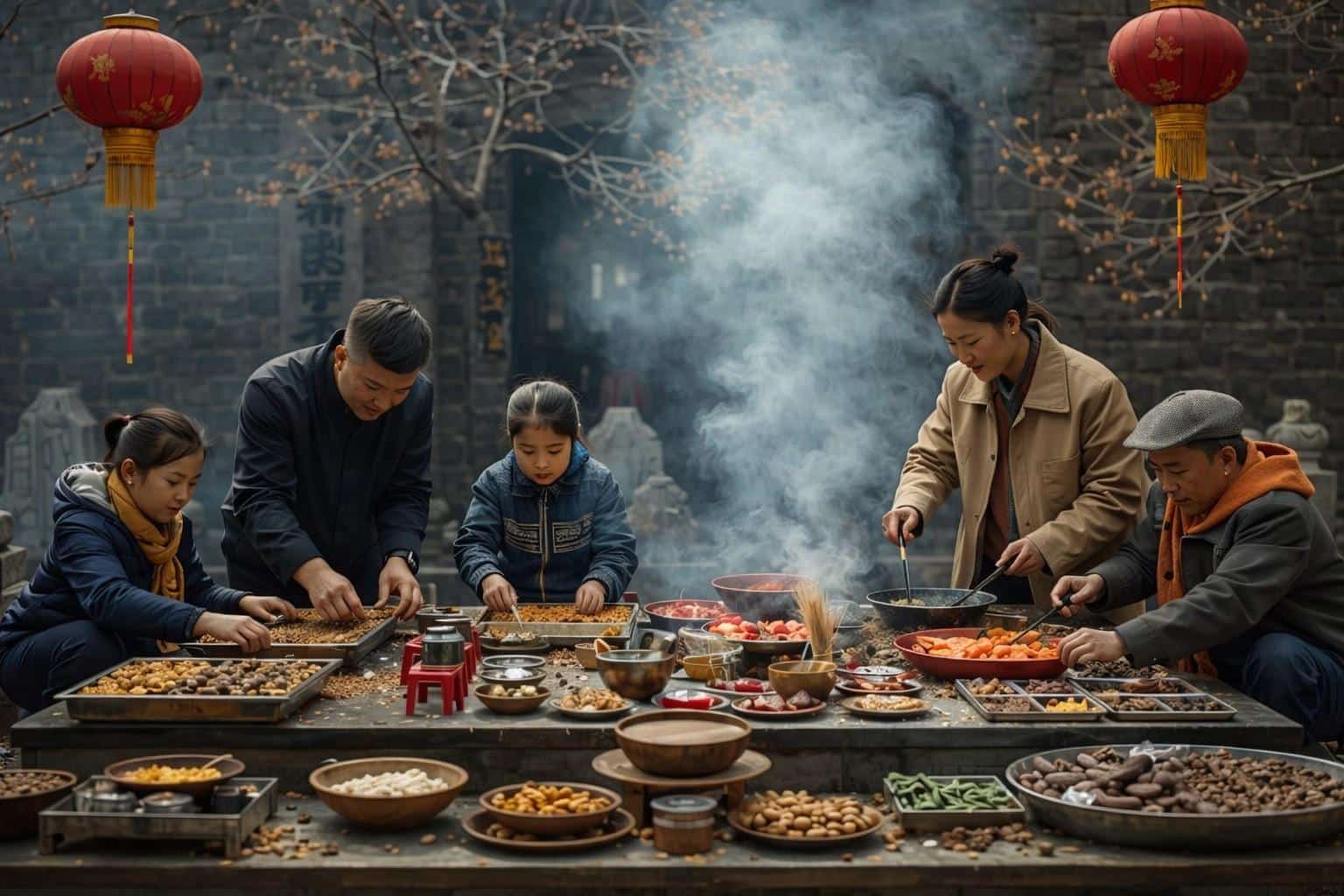 So, how is Qingming Festival celebrated in China today? At its core, the festival is a family-centered occasion that blends remembrance with simple outdoor activities. Families travel to ancestral burial sites to pay respects, often across cities or back to their hometowns. The day is usually calm and reflective, but not overly somber—many people see it as a meaningful pause to remember loved ones while also enjoying the arrival of spring.
While customs can vary by region, the heart of the celebration remains the same: honoring ancestors, caring for graves, and strengthening family bonds. Alongside these rituals, people may take spring walks, fly kites, or spend time together outdoors, reflecting the balance between memory and renewal that defines the Qingming Festival.
Tomb Sweeping Day Traditions
The most important Tomb Sweeping Day traditions focus on grave sweeping and ancestor remembrance. Families clean the tombstones, remove weeds, and repair any damage to show care and respect. Offerings such as fruit, cooked dishes, tea, or wine are placed at the gravesite, symbolizing sharing a meal with ancestors.
Burning incense and joss paper is another key practice during Tomb Sweeping Day. The smoke is believed to carry prayers to the spirit world, while paper offerings represent items ancestors may need in the afterlife. These Qingming Festival traditions are deeply symbolic, emphasizing gratitude, continuity, and respect rather than mourning alone.
Qingming Festival Customs and Rituals
Beyond grave sweeping, Qingming Festival customs and rituals include ancestor prayers and family visits. Some families hold small ceremonies at home, displaying ancestral tablets or photos and offering food as a sign of remembrance. Elders often share family stories during this time, helping younger generations understand their roots and heritage.
In many areas, people also burn paper replicas of money, clothes, or everyday items, believing this helps ancestors live comfortably in the spirit world. These rituals, passed down through generations, keep cultural values alive and make Qingming Festival a deeply personal and meaningful tradition for families across China.
Qingming Festival Food and Special Dishes
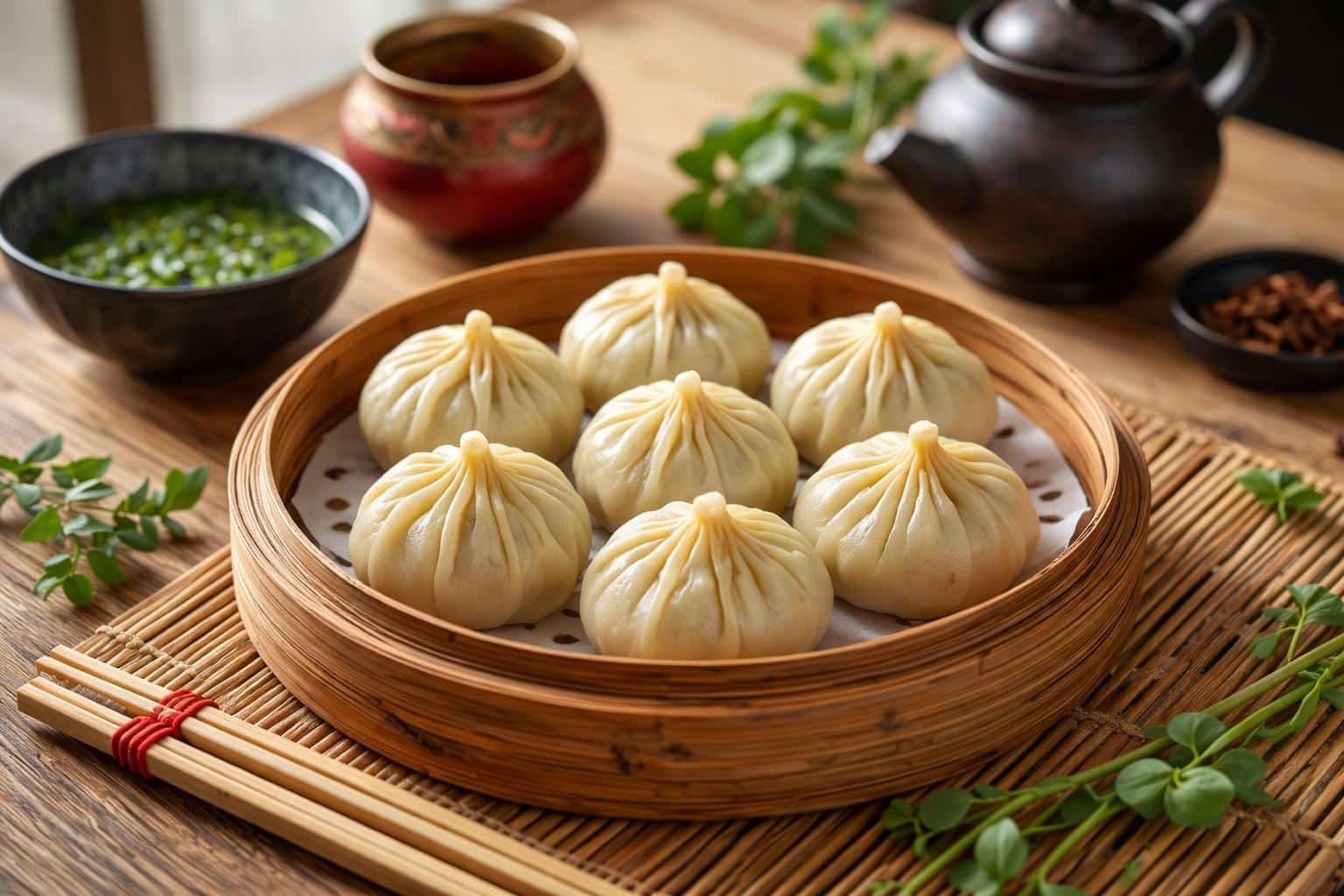 Qingming Festival food is simple, seasonal, and deeply symbolic, reflecting both remembrance and the arrival of spring. Many traditional dishes eaten during Qingming are connected to nature and fresh ingredients, emphasizing purity, renewal, and respect for ancestors. Food is often prepared not only for family meals but also as offerings at ancestral graves, reinforcing the idea of sharing with those who have passed on.
One of the most well-known Qingming Festival foods is qingtuan, soft green rice dumplings made from glutinous rice and wild herbs like mugwort or barley grass. Their green color represents spring and new life, while the fillings—often sweet red bean paste or sesame—add warmth and comfort. Qingtuan is especially popular in southern China and has become a symbol of the festival itself.
In some regions, people also prepare cold foods, a custom linked to ancient traditions that discouraged lighting fires during this time. Simple dishes such as cold rice cakes, boiled eggs, or chilled vegetables are common, especially in northern China. These foods highlight restraint and respect, aligning with the reflective mood of the festival.
Overall, Qingming Festival food is less about luxury and more about meaning. The dishes are modest but thoughtful, connecting families to seasonal change, cultural memory, and the act of honoring ancestors through shared meals and offerings.
Is Qingming Festival a Public Holiday in China?
Yes, Qingming Festival is a public holiday in China, and it is officially recognized by the Chinese government. In mainland China, people usually receive one day off to observe the festival, allowing families time to visit ancestral graves and take part in traditional rituals. When the Qingming Festival date falls close to a weekend, the holiday is often adjusted into a short three-day break, making travel and family gatherings more convenient.
Although the official holiday lasts one day, its cultural importance extends beyond that single date. Many people choose to perform tomb-sweeping activities before or after the public holiday, depending on work schedules, weather, or family traditions. Schools, government offices, and most businesses close on the official day, while essential services continue to operate.
Outside mainland China, Qingming is observed differently. It is a public holiday in places like Hong Kong and Taiwan, but Chinese communities in other countries usually mark the day without an official day off. Overall, the public holiday status highlights how important Qingming Festival is in Chinese society—not just as a tradition, but as a nationally respected time for remembrance and family connection.
Importance of Tomb Sweeping Day in Chinese Culture
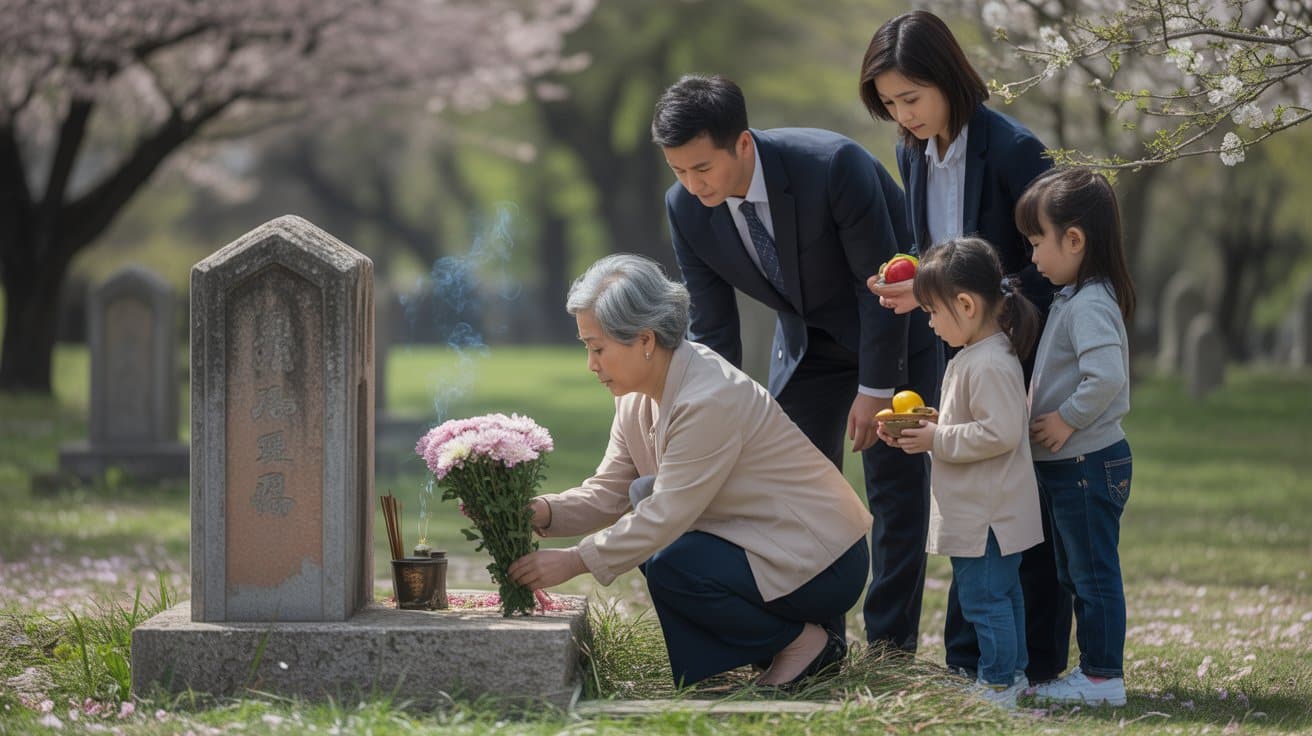 The importance of Tomb Sweeping Day in Chinese culture lies in its deep emotional and moral meaning rather than grand celebrations. It is a time when families pause their busy lives to remember where they come from. By visiting ancestral graves, people express respect, gratitude, and a continuing bond with loved ones who have passed away. This act of remembrance keeps family history alive and turns memory into a living tradition.
Culturally, Tomb Sweeping Day reflects the long-standing Chinese value of filial piety—the belief that honoring parents and ancestors is a lifelong responsibility. Cleaning graves, making offerings, and standing quietly in reflection are not just rituals; they are lessons passed from elders to younger generations. Through these moments, children learn respect, responsibility, and the importance of family roots in a very personal way.
Emotionally, Tomb Sweeping Day offers space for reflection and healing. It allows people to grieve, remember, and reconnect with family members, both living and deceased. Unlike festivals filled with noise and excitement, this day is calm and thoughtful, encouraging inner reflection. In modern society, where traditions can easily fade, Tomb Sweeping Day remains a powerful reminder of identity, continuity, and the enduring connection between past and present in Chinese culture.
Frequently Asked Questions About Qingming Festival
What is Qingming Festival?
Qingming Festival, also known as Tomb Sweeping Day, is a traditional Chinese festival dedicated to honoring ancestors. Families visit ancestral graves to clean tombs, make offerings, and show respect to loved ones who have passed away. It also marks the arrival of spring, combining remembrance with seasonal renewal.
When is Qingming Festival celebrated?
Qingming Festival is celebrated every year on April 4, 5, or 6, depending on the solar calendar. Most often, it falls on April 4 or April 5. Unlike many Chinese festivals based on the lunar calendar, Qingming follows a solar term, making its date fairly consistent each year.
Why is Qingming Festival important?
Qingming Festival is important because it reflects core Chinese values such as filial piety, respect for ancestors, and family unity. The festival encourages people to remember their roots, honor past generations, and pass cultural traditions down to younger family members in a meaningful and personal way.
How is Tomb Sweeping Day celebrated?
Tomb Sweeping Day is celebrated by visiting ancestral graves, cleaning the site, and offering food, incense, and paper items. Families may say prayers or stand in quiet reflection. Many people also take spring outings, fly kites, or spend time outdoors, balancing remembrance with renewal.
Is Qingming Festival a public holiday in China?
Yes, Qingming Festival is a public holiday in China. People usually receive one official day off, and when it falls near a weekend, it may become part of a longer holiday break. This allows families time to travel and take part in traditional Tomb Sweeping Day activities.
If you want to learn more about world’s festivals, you can explore here.dionfest