
Spring Festival (Chinese New Year): Traditions, Meaning, and Global Celebrations
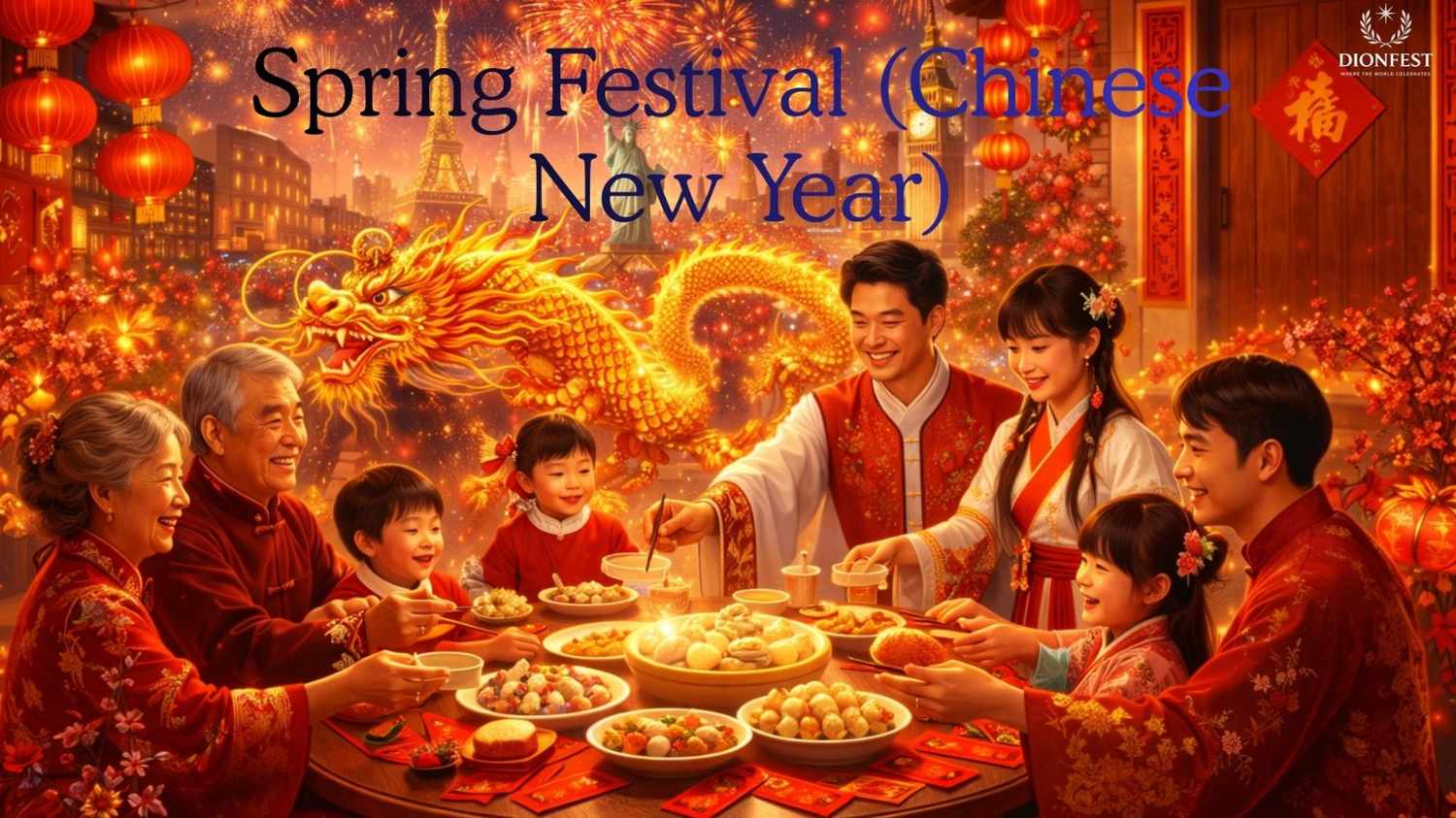
The Spring Festival, also known as Chinese New Year, is the most important traditional festival in Chinese culture and one of the most widely celebrated holidays in the world. Known in China as Chunjie (春节), the festival marks the beginning of the lunar new year and symbolizes renewal, family unity, and hope for prosperity.
Unlike the Gregorian New Year on January 1, the Spring Festival follows the lunar calendar, so its date changes each year, usually falling between late January and mid-February. During this period, millions of people travel across the country to reunite with their families, creating the world’s largest annual human migration.
Quick Facts About the Spring Festival
| Detail | Information |
|---|---|
| Festival Name | Spring Festival (Chinese New Year) |
| Country/Region | China and Chinese communities worldwide |
| Main Culture | Chinese culture and traditions |
| Celebration Time | Late January to mid-February |
| Duration | 15 days (ending with Lantern Festival) |
| Main Highlights | Family dinners, red decorations, fireworks, dragon dances |
What Is the Chinese Spring Festival
Spring Festival Chūnjié in Mandarin is the most important holiday in China. It’s the Chinese New Year, the lunar new year, and the start of the most significant travel period in the world. Hundreds of millions of people go home to their families. It shuts down factories, offices, and cities for days.
Spring Festival and Chinese New Year Same Thing or Not
Yes, they’re the same. “Spring Festival” is the official Chinese name. “Chinese New Year” is what English speakers use. “Lunar New Year” is the broader term that also covers similar holidays in Vietnam (Tết), Korea (Seollal), and other Asian countries. When Chinese people say Spring Festival, they mean their New Year not a separate celebration.
When Does Spring Festival Fall Each Year
The date changes every year because it follows the lunar calendar. It falls on the first day of the first lunar month usually somewhere between late January and mid-February. The Spring Festival of 2026 falls on February 17. The celebrations officially run for 15 days, ending with the Lantern Festival.
Origins and History of the Chinese Spring Festival
Ancient Roots of the Spring Festival
The Chinese Spring Festival dates back over 4,000 years to ancient agrarian society. Early celebrations were closely tied to seasonal changes and harvest cycles. People honored deities and ancestors to pray for good weather, fertile land, and abundant crops.
The Legend of Nian
One of the most famous legends behind the Spring Festival is the story of Nian, a mythical beast believed to attack villages at the end of each year. According to legend:
- Nian feared loud noises
- Nian feared the color red
- Nian feared fire
Villagers used firecrackers, red decorations, and lanterns to scare it away—traditions that remain central to the Chinese New Year spring celebration today.
When Is the Chinese New Year Festival Celebrated?
Lunar Calendar and Dates
The Chinese New Year festival in China begins on the first new moon of the lunar calendar and lasts for 15 days, ending with the Lantern Festival.
Typical date range:
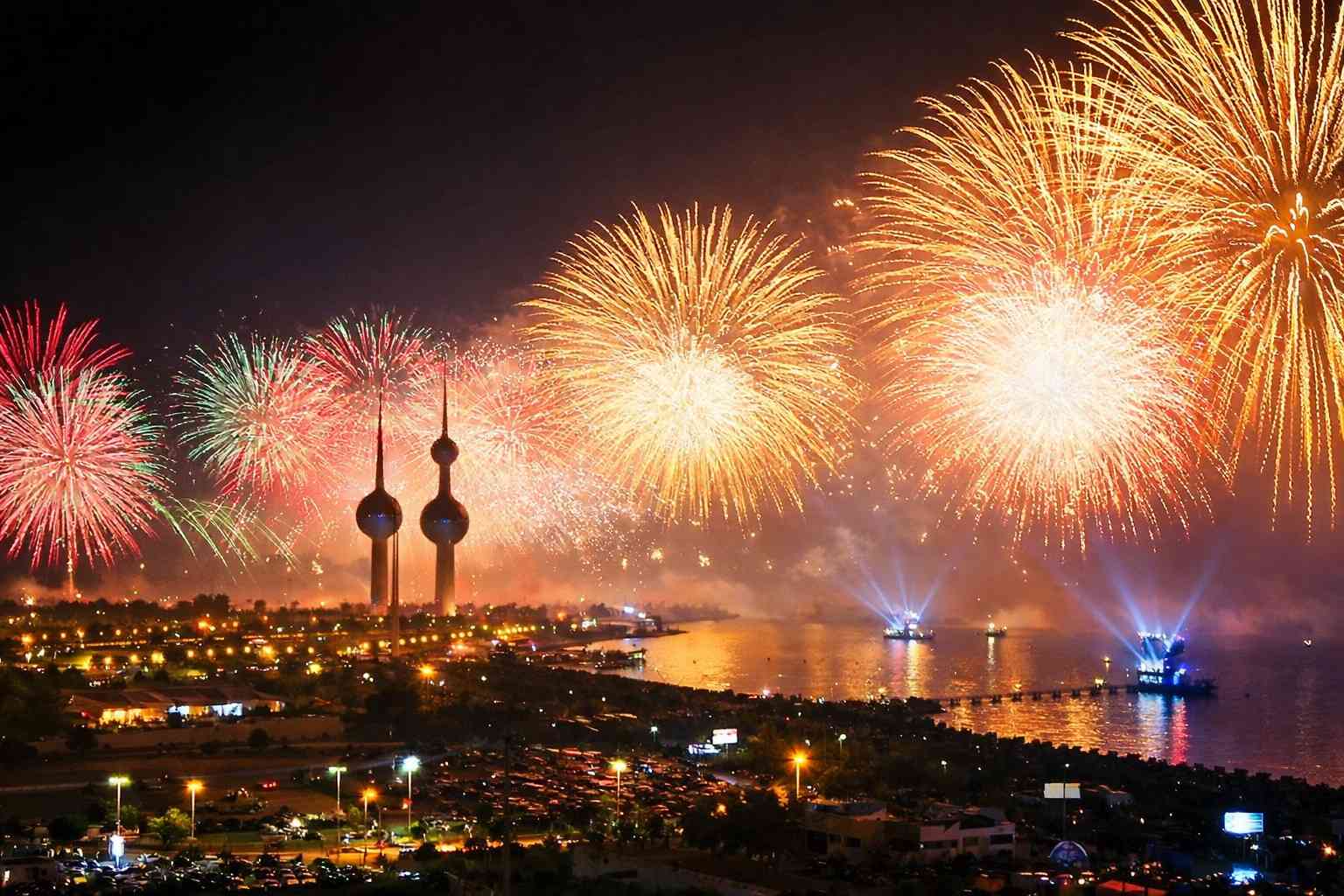 Despite modern restrictions in some cities, fireworks remain deeply associated with the Chinese New Year spring spirit.
Lion and Dragon Dances
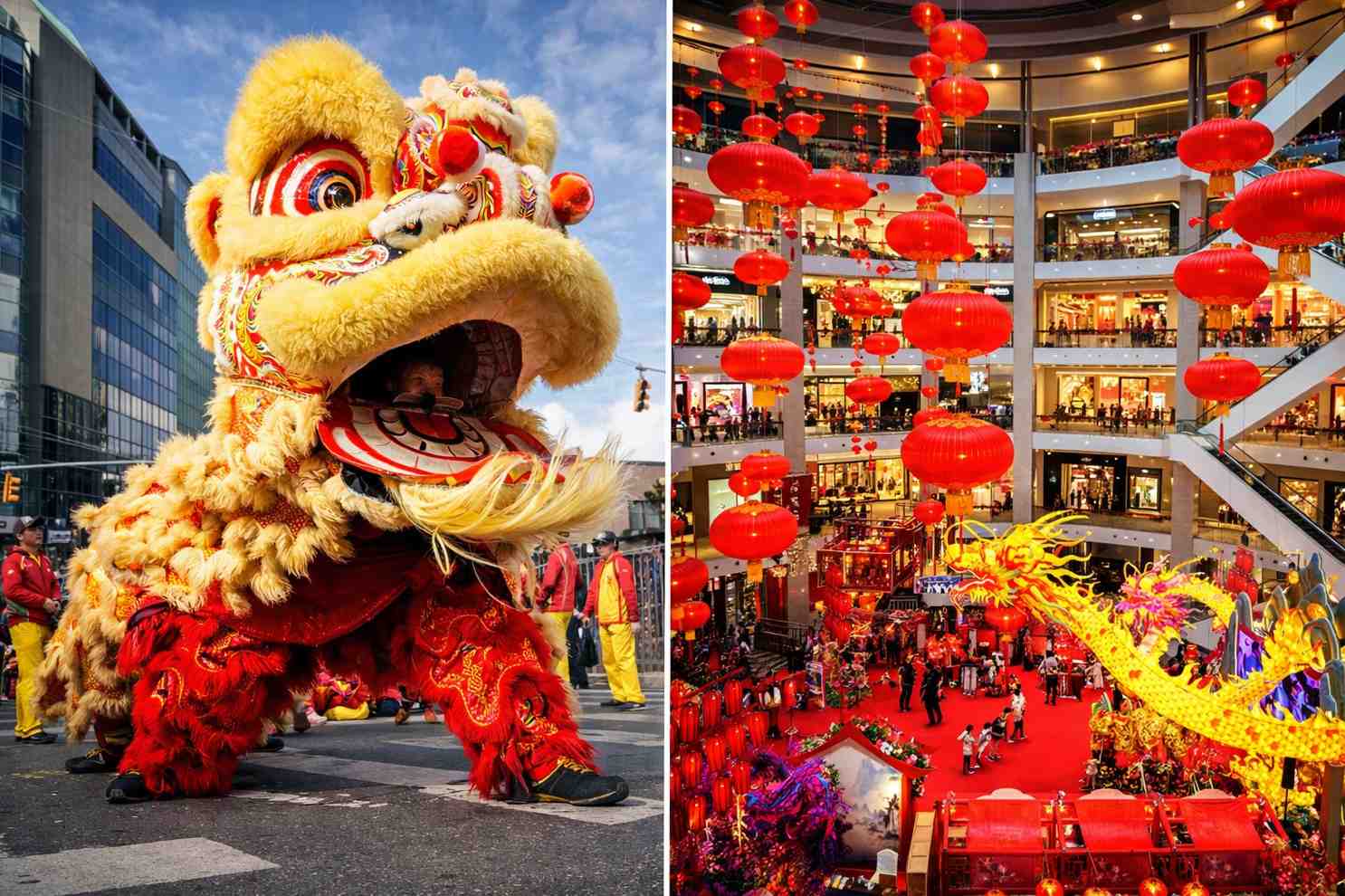
Lion and dragon dances are performed in streets and public squares to:
- Chase away evil spirits
- Attract good fortune
- Celebrate community unity
- These performances are iconic symbols of the Chinese New Year festival in China.
Chinese Spring Festival Decorations and Their Meanings
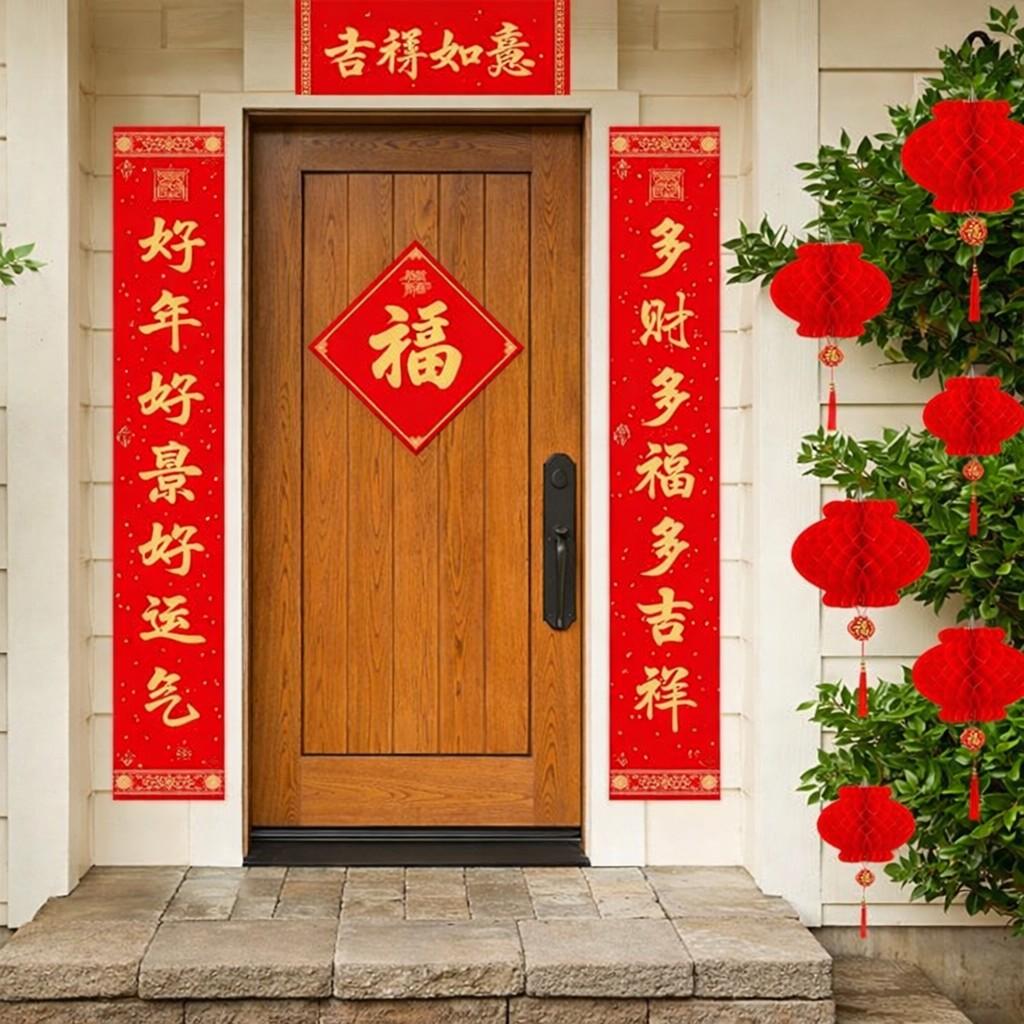
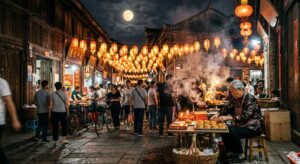
Red Lanterns
Red lanterns represent:
- Joy
- Prosperity
- Reunion
They are hung in homes, streets, temples, and businesses during the Chinese Spring Festival.
Spring Festival Couplets (Chunlian)
- Rabbit
- Dragon
- Snake
- Horse
- Goat
- Monkey
- Rooster
- Dog
- Pig
Zodiac Influence on Culture
People believe zodiac signs influence:
- Personality traits
- Compatibility
- Luck in business and relationships
This belief plays a significant role during the Chinese New Year festival in China, especially when planning weddings, businesses, or major life events.
Modern Celebrations of Chinese New Year in China
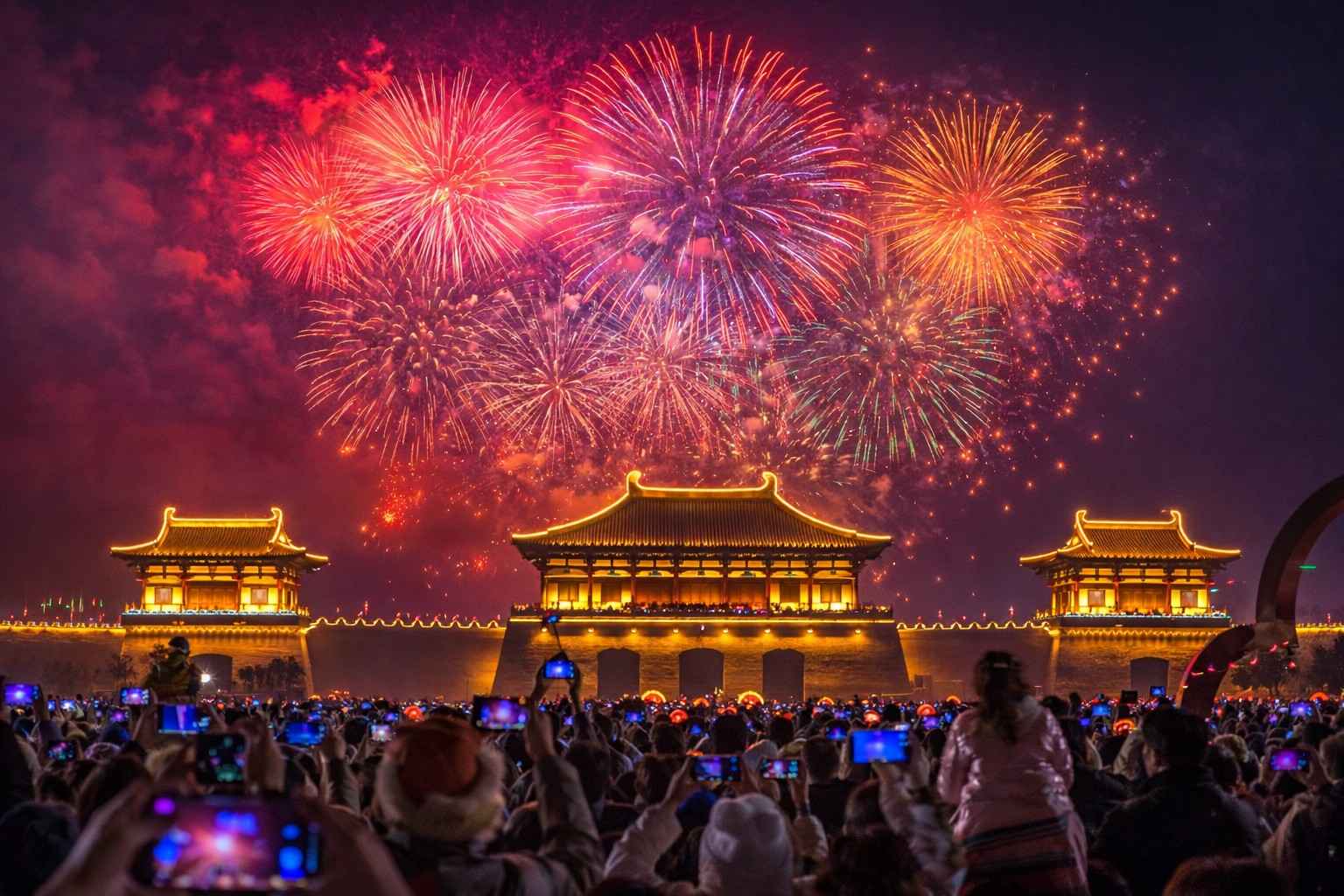 Traditional red envelopes (hongbao) containing money have evolved into digital gifts sent via mobile apps, blending tradition with technology during the Chinese New Year spring season.
Chinese New Year Festival Beyond China
Global Celebrations
The Chinese Spring Festival is celebrated worldwide, especially in:
- Southeast Asia
- North America
- Europe
- Australia
Chinatowns host parades, fireworks, and cultural performances, making the Chinese New Year festival a truly global event.
UNESCO Recognition
The Spring Festival has gained international recognition for its cultural value, strengthening global understanding of Chinese heritage.
Taboos and Superstitions During the Spring Festival
What to Avoid
Common taboos during the Chinese Spring Festival include:
- Sweeping on New Year’s Day (symbolizes sweeping away luck)
- Using negative language
- Breaking dishes
Lucky Practices
People wear new clothes, give red envelopes, and greet others with auspicious phrases to attract good fortune during the Chinese New Year spring period.
Why the Chinese Spring Festival Still Matters Today
Cultural Identity and Continuity
- January 21 – February 20
Each year is also associated with one of the 12 Chinese zodiac animals, influencing cultural beliefs, fortunes, and personality traits.
Duration of the Chinese Spring Festival Holiday
The official Chinese Spring Festival holiday in mainland China usually lasts 7 days, but traditional celebrations extend well beyond that.
Key periods include:
- New Year’s Eve (family reunion dinner)
- Lunar New Year’s Day
- Lantern Festival (Day 15)
Chinese Spring Festival Traditions and Customs
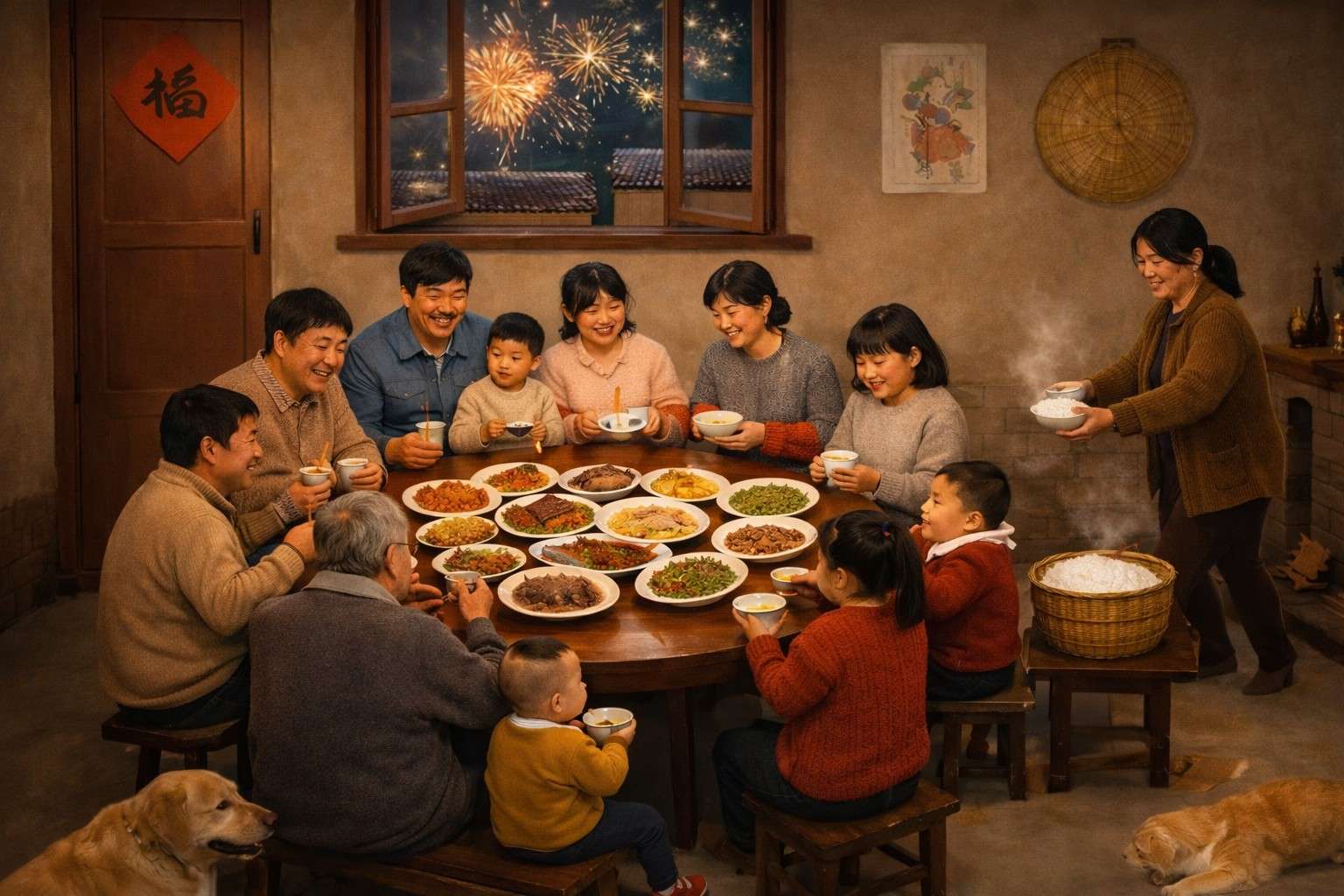
Spring Festival Traditions and Customs
What Families Do During Spring Festival
The most important thing is being home. Spring Festival Eve dinner called reunion dinner is the centerpiece. Families gather, cook together, and eat dishes that carry symbolic meaning. After dinner, people stay up past midnight for the New Year countdown, set off firecrackers, and give red envelopes (hongbao) filled with money to children and unmarried relatives. The days that follow involve visiting relatives, paying respects to elders, and temple fairs.
Spring Festival Food and What It Represents
Dumplings (jiaozi) are eaten in the north shaped like ancient gold ingots, they represent wealth. Fish (yú) sounds like the word for surplus, so it’s always on the table. Nian gao (sticky rice cake) means “higher year” the idea of improving on the year before. Tangerines are placed everywhere because they symbolize good luck. None of this is superstition for most families it’s just tradition, and tradition tastes good.
Traditional Chinese New Year Foods and Symbolism
Dumplings (Jiaozi)
Dumplings resemble ancient Chinese gold ingots, symbolizing wealth and prosperity. Eating dumplings at midnight is a classic Chinese New Year spring tradition in northern China.
Fish (Yu)
Fish symbolizes surplus and abundance because “fish” (yu) sounds like “extra” in Chinese. Families often leave some fish uneaten to represent ongoing prosperity.
Rice Cakes (Nian Gao)
Nian Gao represents progress and growth. Eating it expresses hope for improvement in:
- Career
- Education
- Finances
Chinese Zodiac and the Spring Festival
Each new year is associated with one of the 12 zodiac animals:
- Rat
- Ox
- Tiger
- Rabbit
- Dragon
- Snake
- Horse
- Goat
- Monkey
- Rooster
- Dog
- Pig
People believe zodiac signs influence:
- Personality traits
- Compatibility
- Luck in business and relationships
Spring Festival Travel Rush (Chunyun)
Chunyun is the world’s largest annual migration. Millions of people travel home to celebrate the festival with their families.
This massive movement highlights the importance of family unity in Chinese culture.
Modern Celebrations of Chinese New Year
Digital Red Envelopes
Traditional red envelopes with money have evolved into digital gifts sent through mobile apps.
Global Celebrations
The Spring Festival is celebrated worldwide, especially in:
- Southeast Asia
- North America
- Europe
- Australia
Chinatowns host parades, fireworks, and cultural performances.
Taboos and Superstitions
What to avoid
- Sweeping on New Year’s Day
- Using negative language
- Breaking dishes
Lucky practices
- Wearing new clothes
- Giving red envelopes
Digital Red Envelopes
The Chinese Spring Festival preserves traditions passed down through generations, reinforcing cultural identity even in modern society.
Family and Emotional Value
More than a holiday, the Chinese Spring Festival holiday is about reconnecting with loved ones, honoring ancestors, and starting anew.
Travel Tips for Visitors
What to wear
- Warm clothing for winter weather
- Comfortable walking shoes
Safety tips
- Expect large crowds
- Keep valuables secure
Best time to go out
- Evenings for lantern displays
- Parade days for cultural shows
Cultural etiquette
- Accept gifts with both hands
- Avoid unlucky numbers or phrases
Estimated Daily Budget (for Travelers)
| Expense | Budget Range (USD) |
|---|---|
| Stay per night | $40–$120 |
| Food per day | $15–$30 |
| Local transport | $10–$20 |
| Total daily budget | $65–$170 |
Interesting Facts About the Spring Festival
- It is the most important holiday in China.
- Celebrations last up to 15 days.
- It involves the largest annual human migration.
- Each year is linked to a zodiac animal.
- Red is considered the luckiest color.
Common Mistakes to Avoid
- Booking travel too late
- Ignoring local customs
- Expecting normal business hours
- Using unlucky phrases
- Not planning for crowds
China Golden Week and Spring Festival
What Is Golden Week in China
China has two Golden Weeks one in October for National Day, and the Spring Festival Golden Week in late January or February. The Spring Festival Golden Week is the longer and more significant of the two. The government officially gives workers 7 days off, but with surrounding weekends, many people get 10 days or more. It’s the period when China essentially pauses.
How the Holiday Affects Travel and Business
The mass movement during Spring Festival called Chunyun is the largest annual human migration on Earth. Over 3 billion trips are made in the 40-day period around Spring Festival. Flights, trains, and buses book out weeks in advance. If you’re traveling to or within China during this period, plan months ahead. Businesses shut down, restaurants close, and many cities go quiet while their migrant workers go home.
Spring Festival Around the World
Chinese communities outside China celebrate Spring Festival in major cities worldwide London, San Francisco, Sydney, Singapore, Kuala Lumpur. The celebrations in these cities vary a lot. Some are massive public events with dragon dances and fireworks. Others are quieter family affairs. In Southeast Asia, Spring Festival is a public holiday in several countries. In the West, it’s mainly celebrated within Chinese diaspora communities, though it’s grown into a broader cultural event in many cities over the past two decades.
Frequently Asked Questions (FAQ)
What is the Spring Festival?
It is the Chinese New Year celebration marking the start of a new lunar year.
When is Chinese New Year celebrated?
Between late January and mid-February, depending on the lunar calendar.
How long does the festival last?
Traditionally 15 days, ending with the Lantern Festival.
Why is it important?
It represents family unity, renewal, and hope for prosperity.
Where is it celebrated outside China?
In countries with Chinese communities, such as Singapore, Malaysia, the USA, and the UK.
Conclusion: The Enduring Spirit of the Spring Festival (Chinese New Year)
The Spring Festival (Chinese New Year) is far more than a calendar event—it is a living tradition that blends history, symbolism, family, and hope. From vibrant Chinese Spring Festival decorations to meaningful reunion dinners and global celebrations, this festival continues to unite people across generations and continents.
Whether celebrated in China or abroad, the Chinese New Year festival in China and worldwide remains a powerful reminder of renewal, gratitude, and the universal desire for a prosperous future. As each lunar year begins, the Spring Festival invites everyone to reflect on the past and welcome new beginnings with joy and optimism.

Abhay Ramola researches world festivals across primary sources, local accounts, and on-ground reporting. He founded Dionfest to cover what gets missed when festivals become tourism content the history, the ritual, and the people behind it.

2 thoughts on “Spring Festival (Chinese New Year): Traditions, Meaning, and Global Celebrations”