
Festa Junina 2026: Ultimate Guide to Dates, Rituals & Hidden Gems in Brazil’s Most Joyful June Festival
What Is Festa Junina
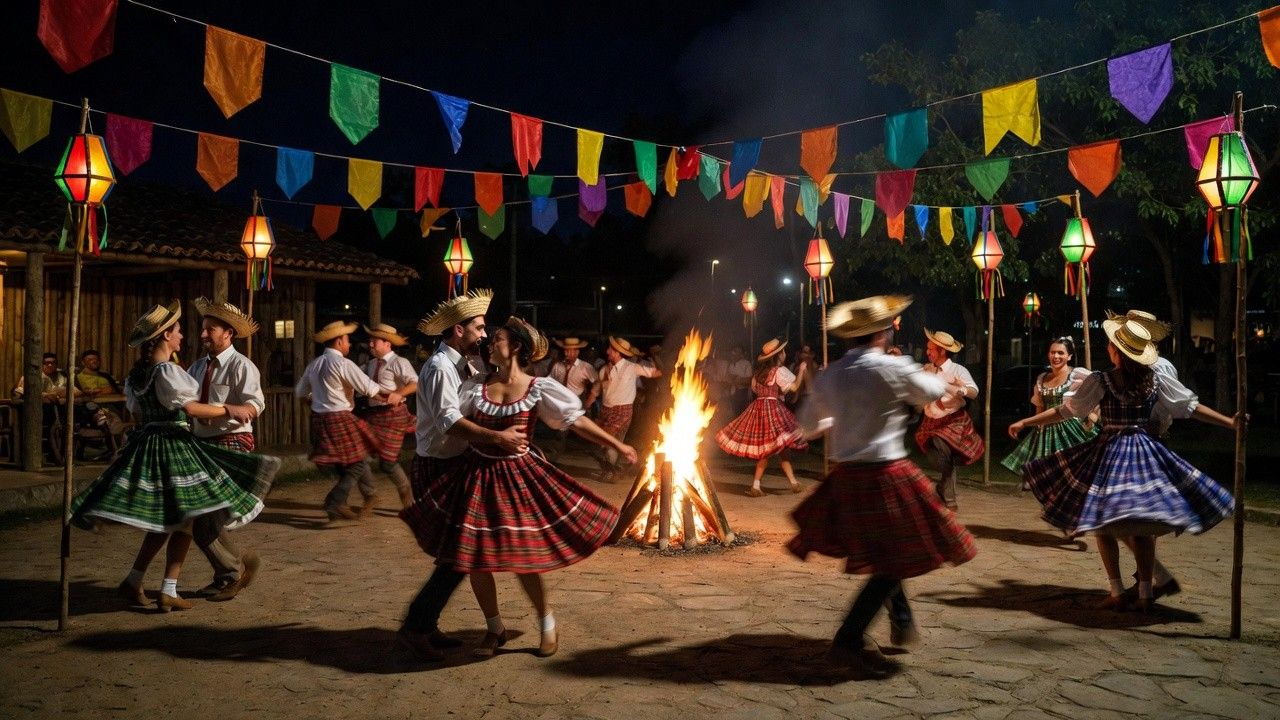
Festa Junina or Festas Juninas in the plural is a Brazilian festival held throughout June in honor of three Catholic saints: Saint Anthony (June 13), Saint John (June 24), and Saint Peter (June 29). It started as a European harvest festival brought by Portuguese colonizers and transformed over centuries into something distinctly Brazilian folk music, square dancing (forró), colorful costumes, and food that varies by region.
When Is Festa Junina 2026 in Brazil
Festa Junina runs throughout the entire month of June, with events concentrated in the second half around the main saint’s days. The biggest celebrations are around June 23-24 for the Festa de São João Saint John’s Eve and Saint John’s Day. In 2026, the core dates to know are June 13 (Santo Antônio), June 23-24 (São João), and June 29 (São Pedro). Events start as early as the first weekend of June in many cities.
São João 2026 Is It the Same Festival
São João is technically the most important night within Festa Junina. It falls on June 23-24 and is celebrated with particular intensity in the Northeast especially in states like Pernambuco, Paraíba, and Bahia. When Brazilians say “São João,” they often mean the entire Festa Junina season, not just that one night. Outside the Northeast, the distinction between Festa Junina and São João gets blurry. In Rio de Janeiro, both terms are used interchangeably.
My Wild Ride into Festa Junina Magic
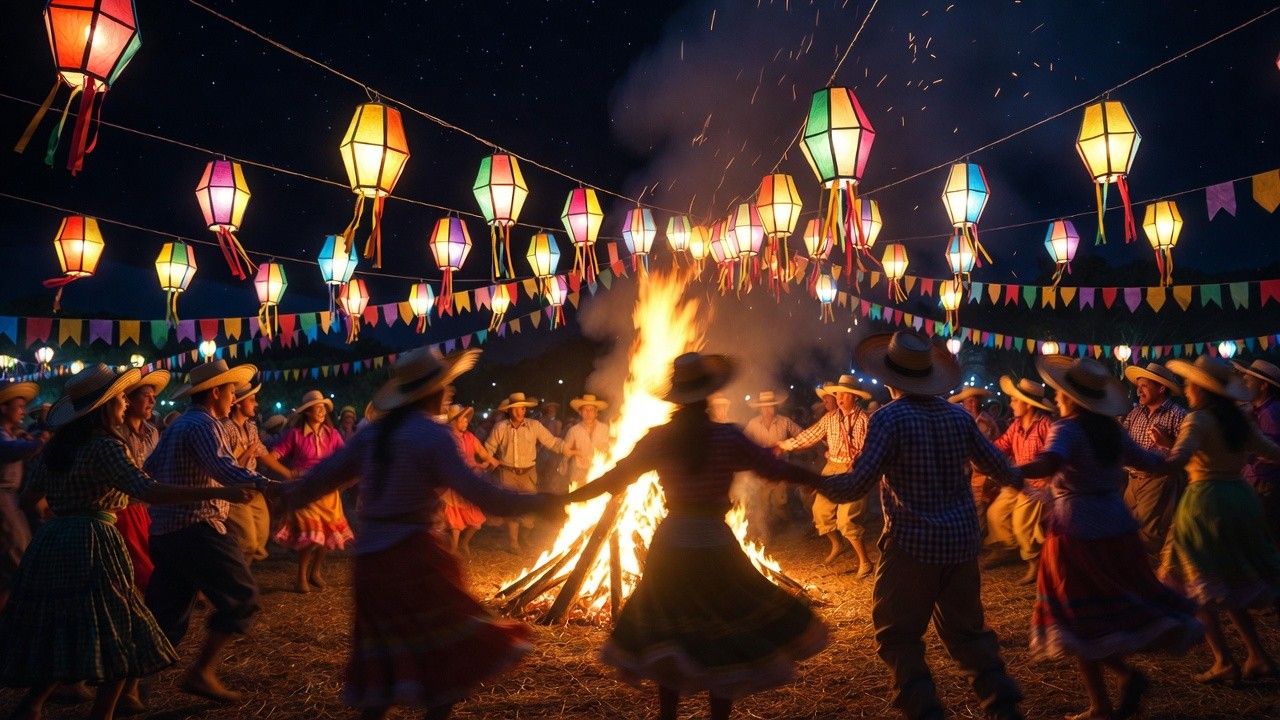
I still remember the first night I stumbled into a Festa Junina. It was in a dusty town square in Brazil’s northeast, the air smelling like roasted corn and sweet caramel. Someone shoved a straw hat into my hands, painted freckles on my cheeks, and before I knew it, I was dancing in a circle around a crackling bonfire.
I had no idea what was happening.
A violin squealed, an accordion groaned, and the crowd shouted instructions for a dance called the quadrilha. I missed every step. At one point, I accidentally spun the wrong way and bumped into an old farmer who laughed so hard he nearly dropped his cup of hot quentão.
But here’s the twist: instead of feeling embarrassed, I felt… welcomed. Like I’d been invited into a giant, joyful family reunion. That night taught me something powerful—Festa Junina isn’t just a festival; it’s a feeling of belonging.
If you’re searching for Festa Junina 2026 dates, planning your first visit, or just curious why this is Brazil’s second-biggest celebration after Carnival, this guide is your roadmap—from my messy first dance to your unforgettable trip.
Quick Vibes: Festa Junina 2026 Snapshot
| Aspect | Details |
|---|---|
| Core Essence | Festa Junina – Brazil’s rural harvest celebration with bonfires, dances, and food |
| Origins & Location | Catholic and European solstice roots blended with Brazilian rural culture |
| Dates 2026 | June 1–30, 2026 (peaks around June 13, 24, 29) |
| Duration | Full month of festivities across Brazil |
| Top Highlights | Bonfires, quadrilha dances, corn dishes, forró music, saint celebrations |
These quick facts? Think of them as the cheat sheet I wish I’d had that first night when I showed up in sneakers and a confused grin.
Festa Junina runs through the entire month of June, honoring the Catholic saints St. Anthony (June 13), St. John (June 24), and St. Peter (June 29).
Across Brazil, towns transform into colorful village fairs with music, bonfires, and endless food stalls.
“official Brazil tourism website” https://www.visitbrasil.com
Festa Junina in Rio de Janeiro 2026
Key Dates and Events in Rio
Rio de Janeiro has its own Festa Junina scene, though it’s smaller than the Northeast’s. The main events happen in community centers, schools, and public squares throughout June. The Quadrilha a traditional square dance is performed at most events. Look for neighborhood festas in the Zona Norte and Zona Oeste of the city, where the June festival culture is stronger. Some events run on weekends throughout the month rather than on the specific saint’s days.
Festa Junina in Pernambuco 2026
Why Pernambuco’s Celebration Is Different
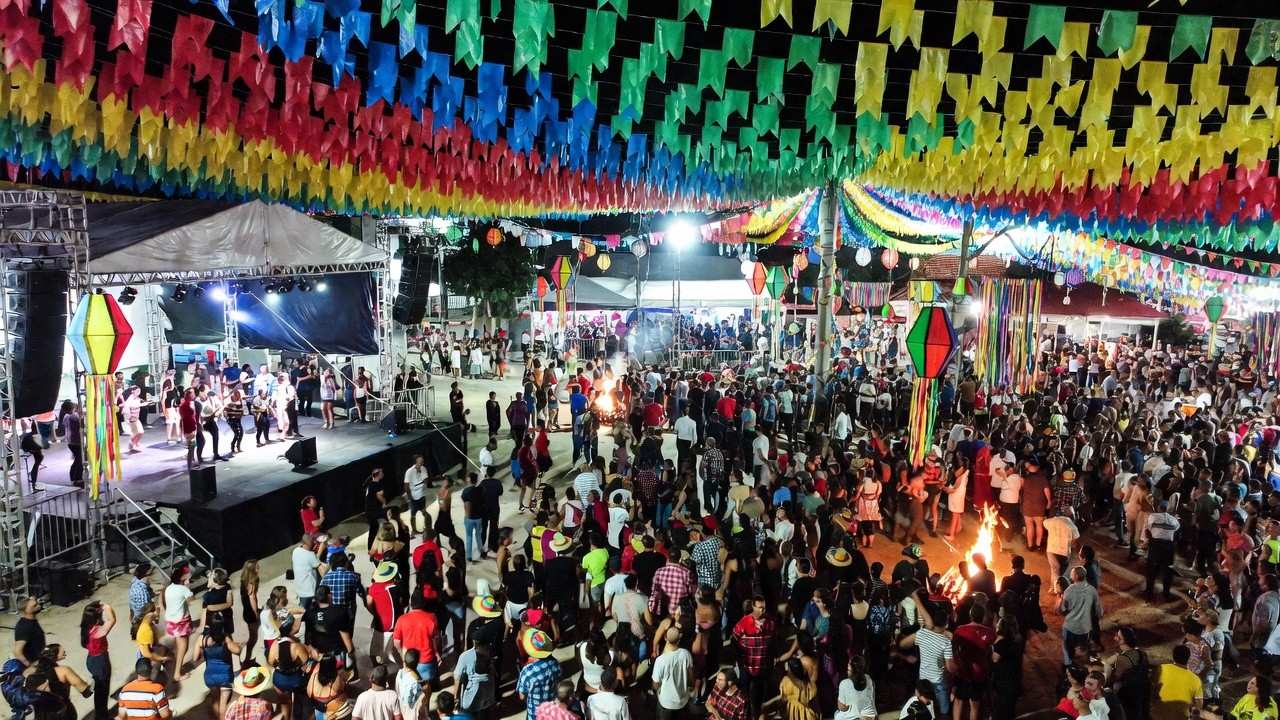
Pernambuco and its capital Recife along with the neighboring city of Caruaru, host what’s officially recognized as the world’s largest São João celebration. Caruaru’s Festa Junina has been listed by Guinness World Records as the biggest June festival on the planet. The Pátio de Evento in Caruaru holds massive forró shows every night throughout June, with nationally known artists performing. Recife’s celebration, called Recife Junino, also draws large crowds. The Northeast treats June not as a single holiday but as a full-month cultural season.
The Magic Begins: Unpacking Festa Junina History
Festa Junina’s story starts far from Brazil.
Long before samba rhythms and corn cakes, European farmers held pagan solstice festivals to celebrate fertility and ward off evil spirits.
When Christianity spread, these celebrations were tied to saints’ feast days.
Portuguese colonizers carried the traditions across the Atlantic. In Brazil, the festival slowly transformed:
Timeline snapshot:
- Pre-Christian Europe: Solstice rituals and bonfires
- Middle Ages: Christian saints’ feast celebrations
- 1500s–1800s: Portuguese bring the festival to Brazil
- Colonial Brazil: Blends with Indigenous and African traditions
- Modern era: Massive cultural festivals across cities
Today, some celebrations attract over a million visitors, like the famous event in Caruaru.
Festa Junina Traditions You’ll See Everywhere
Quadrilha dancing a mock wedding ceremony performed in colorful clothes is the centerpiece of most Festa Junina events. Traditional costumes involve checkered fabric, straw hats, and fake freckles painted on faces. Food is central: pamonha (corn paste cooked in corn husks), canjica (sweet corn pudding), quentão (hot spiced wine), and pé de moleque (peanut brittle) are eaten everywhere. Forró music the accordion-driven rhythm of the Northeast plays all night. Balloon releases (balões), though controversial and often restricted due to fire risk, are still a traditional part of the celebration in some areas.
Legends & Modern Evolutions
One of the most charming myths explains the bonfire tradition. According to Catholic lore, a fire was lit on a hill to announce the birth of St. John the Baptist.
Standing near a bonfire one year, sparks rising into the cold June air, I suddenly understood why this ritual survived centuries. It’s primal. Warm. Human. You gather around a flame, share food, laugh, dance—and for a moment, life feels simple.
Heart of the Matter: Festa Junina’s Spiritual & Cultural Depth
At its core, Festa Junina celebrates:
- Gratitude for rain and harvest
- Community unity
- Rural traditions
- Faith and folklore
In Brazil, June marks the end of the rainy season and start of harvest in many regions.
So the festival doubles as a thank-you party for the land.
Festa Junina Significance Explained
It’s often described as Brazil’s second most important festival after Carnival.
But emotionally, it feels different.
Carnival is wild and urban.
Festa Junina is intimate and rural.
At one festival in Maranhão, I watched an elderly couple dance slowly near the bonfire. No costumes, no big show—just a quiet rhythm. The woman leaned on her husband’s shoulder, and for a second, the chaos around them disappeared.
That’s when I realized:
Festa Junina isn’t about spectacle. It’s about connection.
The Celebration Breakdown: Festa Junina Rituals Step by Step
Day-by-Day Guide for Beginners 2026
 Early June: Preparation
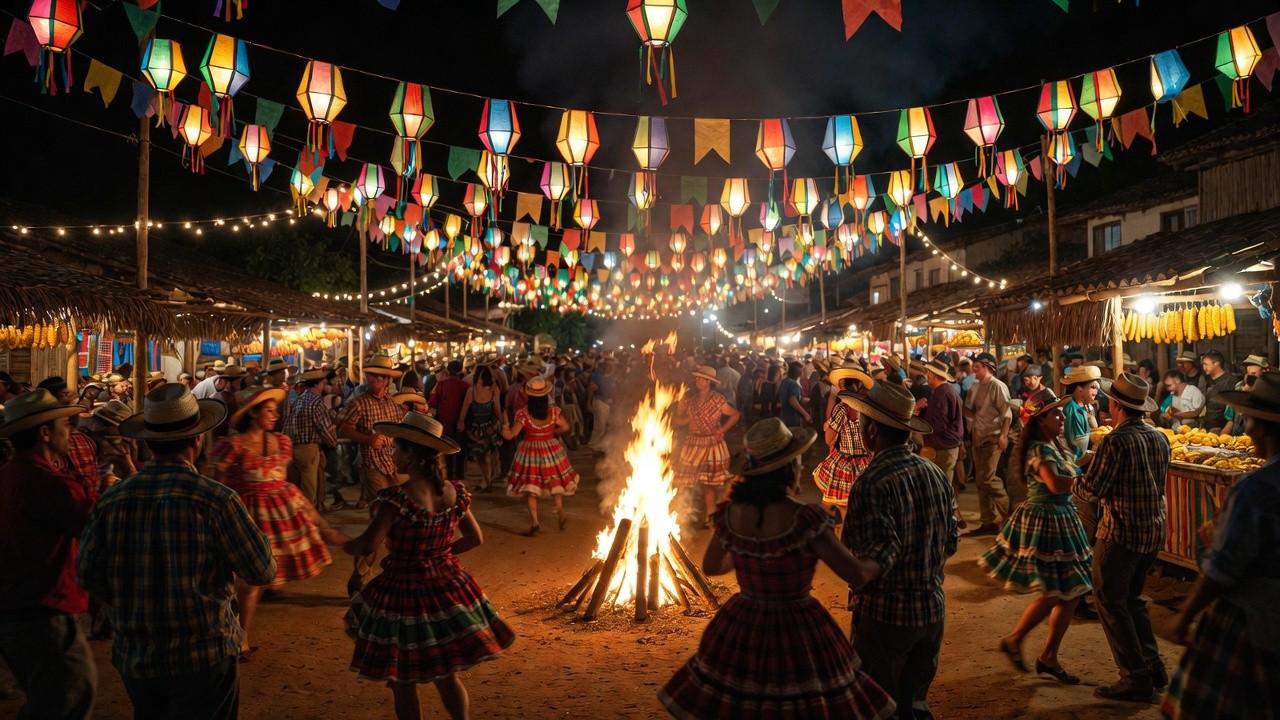
- Streets decorated with colorful paper flags
- Schools and communities build small festival grounds called arraiais
June 13 – St. Anthony
- Known as the saint of marriage
- Mock weddings and matchmaking games
June 23–24 – St. John (Peak Night)
- Huge bonfires
- Fireworks
- All-night dancing
June 29 – St. Peter
Processions and closing celebrations
Core Rituals You’ll See
1. Bonfire (Fogueira)
Symbol of protection and celebration.
2. Quadrilha Dance
A theatrical folk dance with a mock wedding theme.
3. Folk Games
- Ring toss
- Sack races
- Dart games
Flavors You’ll Crave
Most dishes use corn, the harvest hero of June:
- Pamonha (sweet corn paste)
- Canjica (corn pudding)
- Corn cakes
- Grilled corn
- Quentão (spiced hot drink)
My favorite memory?
Dancing under strings of lanterns while holding a paper cup of steaming quentão. I didn’t understand the lyrics, but I sang anyway. By the end of the night, I had a sunburned nose, sticky hands, and a ridiculous straw hat—and I felt happier than I had in months.
Top Spots: 5 Must-Visit Havens for Festa Junina 2026
1) Campina Grande (Paraíba)
Pros: Huge, organized, famous
Cons: Crowded
2) Caruaru (Pernambuco)
Pros: One of the world’s largest celebrations
Cons: Hotel prices spike
3) São Luís (Maranhão)
Pros: Unique dances like bumba-meu-boi
Cons: Less international infrastructure
4) Mossoró (Rio Grande do Norte)
Pros: Massive event boosting local economy
Cons: Busy weekends
5) Small countryside towns
Pros: Authentic, intimate, local vibes
Cons: Fewer English speakers
My Top Pick: Caruaru
I once got stuck there because buses were sold out after the festival. I slept in a hammock in a family’s backyard—and ended up eating breakfast with them the next morning. Totally unplanned. Totally unforgettable.
Smart Traveler Hacks: Blend In Like a Local at Festa Junina
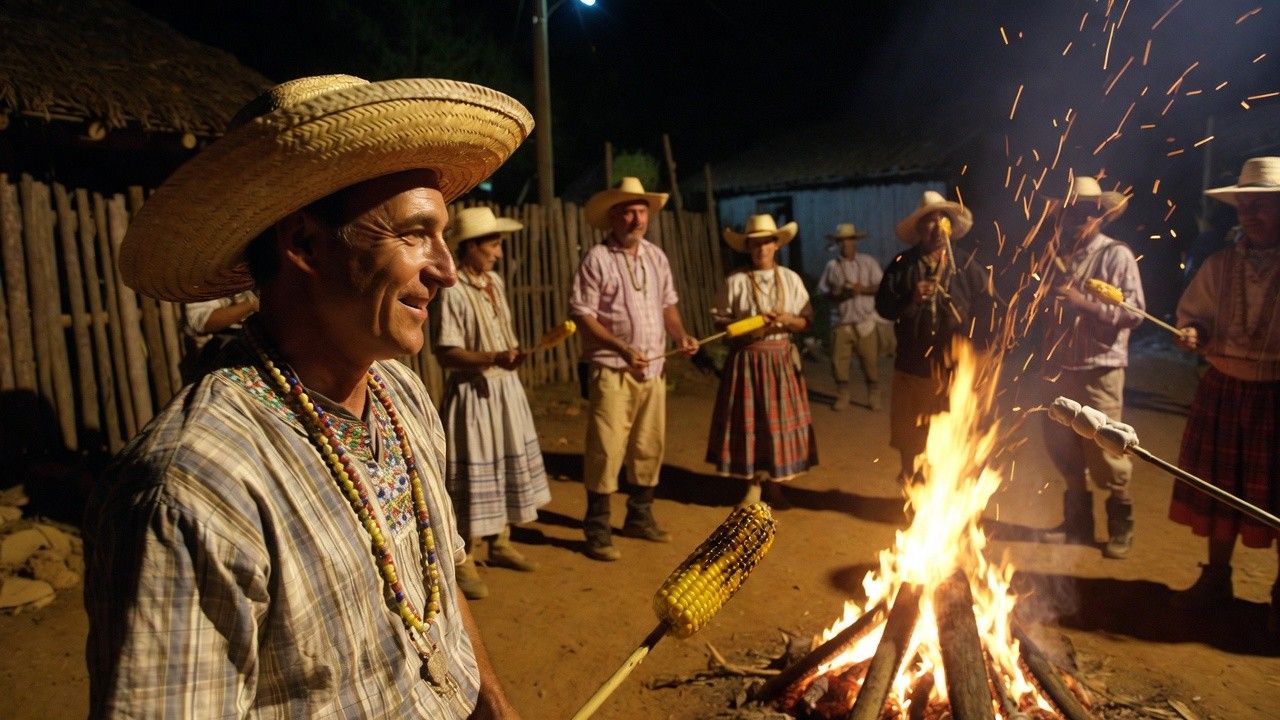
What to Wear
- Straw hat
- Plaid shirt
- Jeans or a patchwork dress
Etiquette Tips
- Accept food if offered—it’s part of the culture
- Join the dances, even if you mess up
- Respect religious elements
Custom Itinerary Builder
Short trip (2–3 days):
- Arrive June 22
- Attend St. John’s Eve celebration
- Explore local markets
Full cultural trip (1–2 weeks):
- Start in Campina Grande
- Move to Caruaru
- End in a small rural town
I once skipped packing a jacket because “Brazil is warm.”
Big mistake. June nights can get chilly—especially near bonfires. I spent half the evening shivering and hugging a cup of hot corn porridge like it was a life raft.
Budget Breakdown: Planning Festa Junina 2026
| Category | Cost (Daily/Person) | Pro Tip |
|---|---|---|
| Accommodation | $35–110 | Stay in homestays |
| Food | $12–30 | Eat at street stalls |
| Transport | $7–22 | Use buses between towns |
| Total | $54–162 | Book early to save 25% |
Prices jump around June 23–24.
I once avoided the surge by arriving two days earlier and staying through the peak night—cheaper and more fun.
7 Surprising Secrets of Festa Junina
- It’s Brazil’s second-biggest festival after Carnival.
- The bonfire comes from a Catholic birth-announcement legend.
- The quadrilha dance comes from 19th-century Europe.
- Corn dominates the menu because it’s harvest season.
- Some festivals run for over a month.
- Major cities compete to host the biggest celebration.
- Many events are organized by schools and communities.
6 Rookie Mistakes to Avoid at Festa Junina
- Arriving after June 24 in small towns
- Not booking hotels early
- Wearing summer beach clothes at night
- Skipping the quadrilha dance
- Ignoring local transport schedules
- Only visiting big cities
All Your Festa Junina Questions Answered: 2026 FAQ
1) When is Festa Junina 2026?
All through June, with peak nights around June 13, 24, and 29.
2) Where is the biggest celebration?
Campina Grande and Caruaru are among the largest.
3) Is it safe for solo travelers?
Yes, especially in organized events. Stick to well-lit areas.
4) What should I wear?
Rural-style clothes—plaid, straw hats, boots.
5) Do I need tickets?
Most events are free; concerts may charge.
6) Is it family-friendly?
Absolutely. Many games and activities are for kids.
7) What food should I try first?
Start with grilled corn and canjica.
8) How far in advance should I book?
At least 2–3 months for major cities.
The Final Note: Why Festa Junina Will Rewrite Your Story
On my last Festa Junina night, I stood by a dying bonfire. The music had slowed. People were packing up stalls. The sky smelled like smoke and sugar.
A little girl ran past me, her dress covered in glitter. She tripped, got up, laughed, and kept dancing.
That’s Festa Junina in one moment:
Messy. Joyful. Warm. Real.
You come for the bonfires and corn cakes.
You stay for the feeling that, for one month, the whole country turns into a giant neighborhood party.
So… when are you heading there?
Bernardo, Festival Wanderer from Amazonas

Abhay Ramola researches world festivals across primary sources, local accounts, and on-ground reporting. He founded Dionfest to cover what gets missed when festivals become tourism content the history, the ritual, and the people behind it.




2 thoughts on “Festa Junina 2026: Ultimate Guide to Dates, Rituals & Hidden Gems in Brazil’s Most Joyful June Festival”