Salvador de Bahia Carnival 2026: Ultimate Guide to Dates, Rituals & Hidden Gems in Brazil’s Most Electric Street Party
My Wild Ride into Salvador Carnival Magic
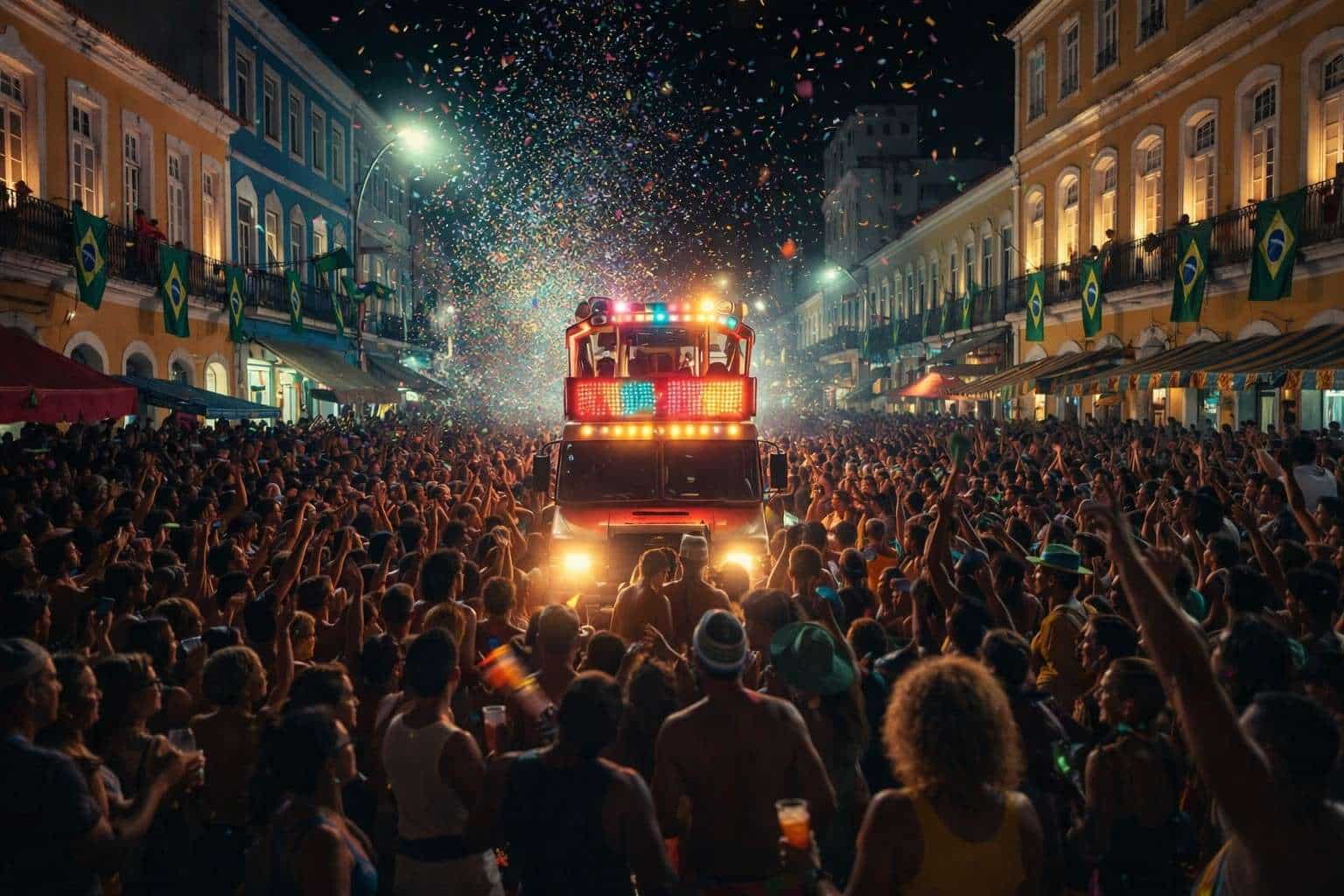
I still remember the moment the trio elétrico truck rolled past me — a massive flatbed stage on wheels, blasting axé music so loud my chest vibrated like a second heartbeat.
I’d come to Salvador de Bahia Carnival 2026 thinking I knew what a street party looked like. I was wrong.
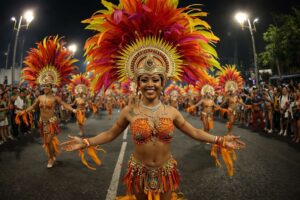
This wasn’t a parade you watched from the sidelines. This was a wall of sound, color, and sweat that swallowed you whole — and somehow, between a stranger handing me a cold beer and a group of dancers pulling me into their circle, I stopped being a tourist and became part of the city itself.
“Salvador Carnival isn’t for watching,” a local told me later, fanning herself outside a church doorway. “It’s for living.”
She was right.
From the legendary Barra-Ondina circuit to the hidden street blocos where locals actually celebrate, this guide covers everything you need to know about Salvador Carnival 2026 — dates, rituals, budget, tips, and the mistakes I made so you don’t have to.
Quick Vibes: Salvador de Bahia Carnival 2026 Snapshot
| Aspect | Details |
|---|---|
| Core Essence | World’s biggest street carnival — axé music, blocos & trio elétrico |
| Location | Salvador, Bahia, Brazil |
| Dates 2026 | February 12–17, 2026 |
| Duration | 7 days of non-stop celebration |
| Top Highlights | Trio elétrico trucks, blocos, Pelourinho parties, capoeira performances |
The Secret Sauce: What Makes Salvador Carnival Unmissable
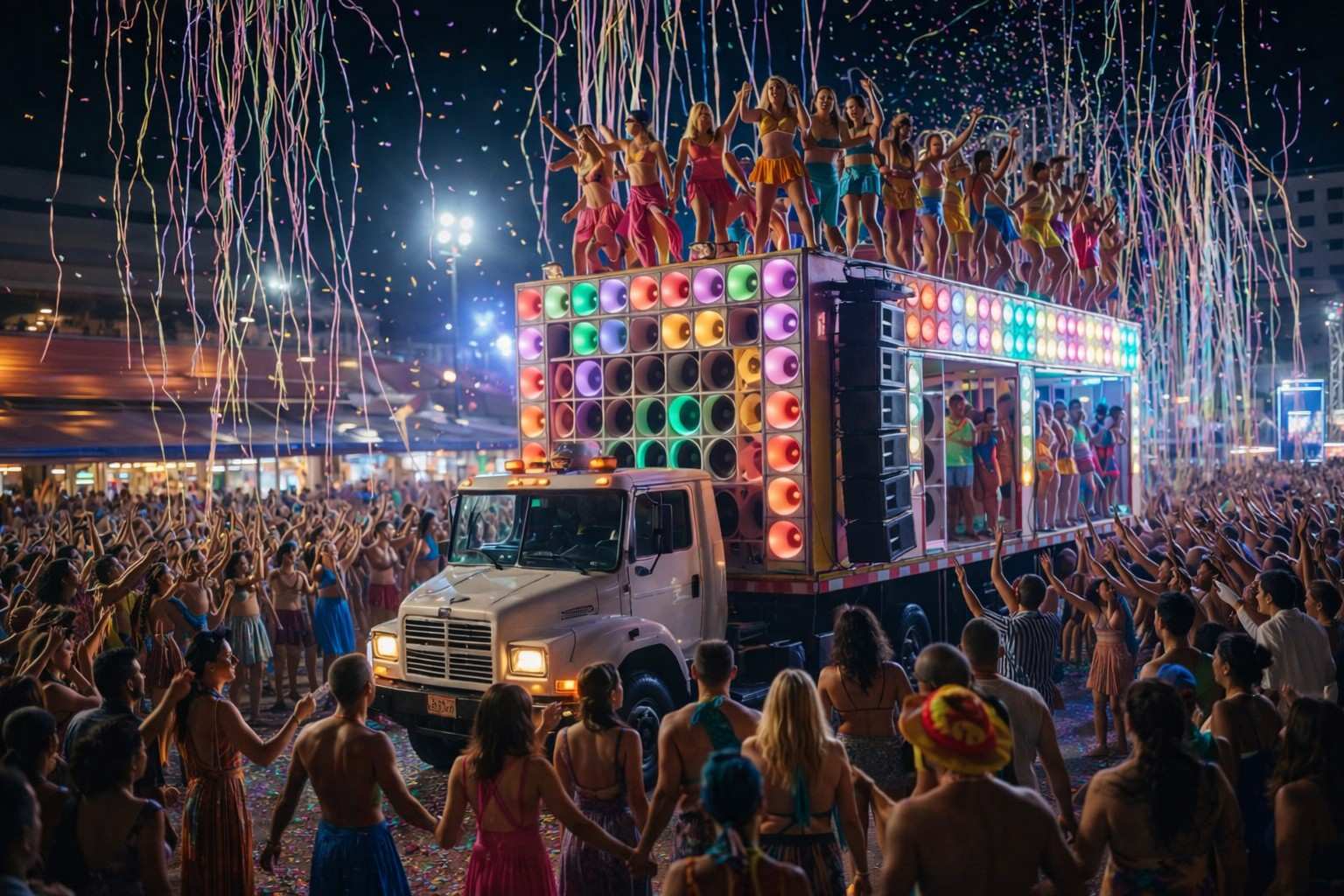 Salvador Carnival is officially recognized as the world’s largest street carnival — bigger than Rio, louder than anything you’ve imagined.
But here’s what makes it truly different:
Three separate circuits run simultaneously:
- Barra-Ondina Circuit — The main event. Trio elétrico trucks, international artists, massive blocos (groups)
- Dodô Circuit — Family-friendly, slightly calmer
- Osmar Circuit — Historic Pelourinho area, more traditional, local vibe
Each circuit has its own energy. Each attracts a different crowd. And each will give you a completely different memory.
Why Search for “Salvador Carnival 2026 Dates”?
Because this festival fills hotels 6 months in advance. Flights from São Paulo and Rio triple in price. And if you show up without a plan, you’ll spend Carnival stuck outside a bloco watching others dance.
Trust me — I learned that the hard way my first year.
The Magic Begins: Salvador Carnival History
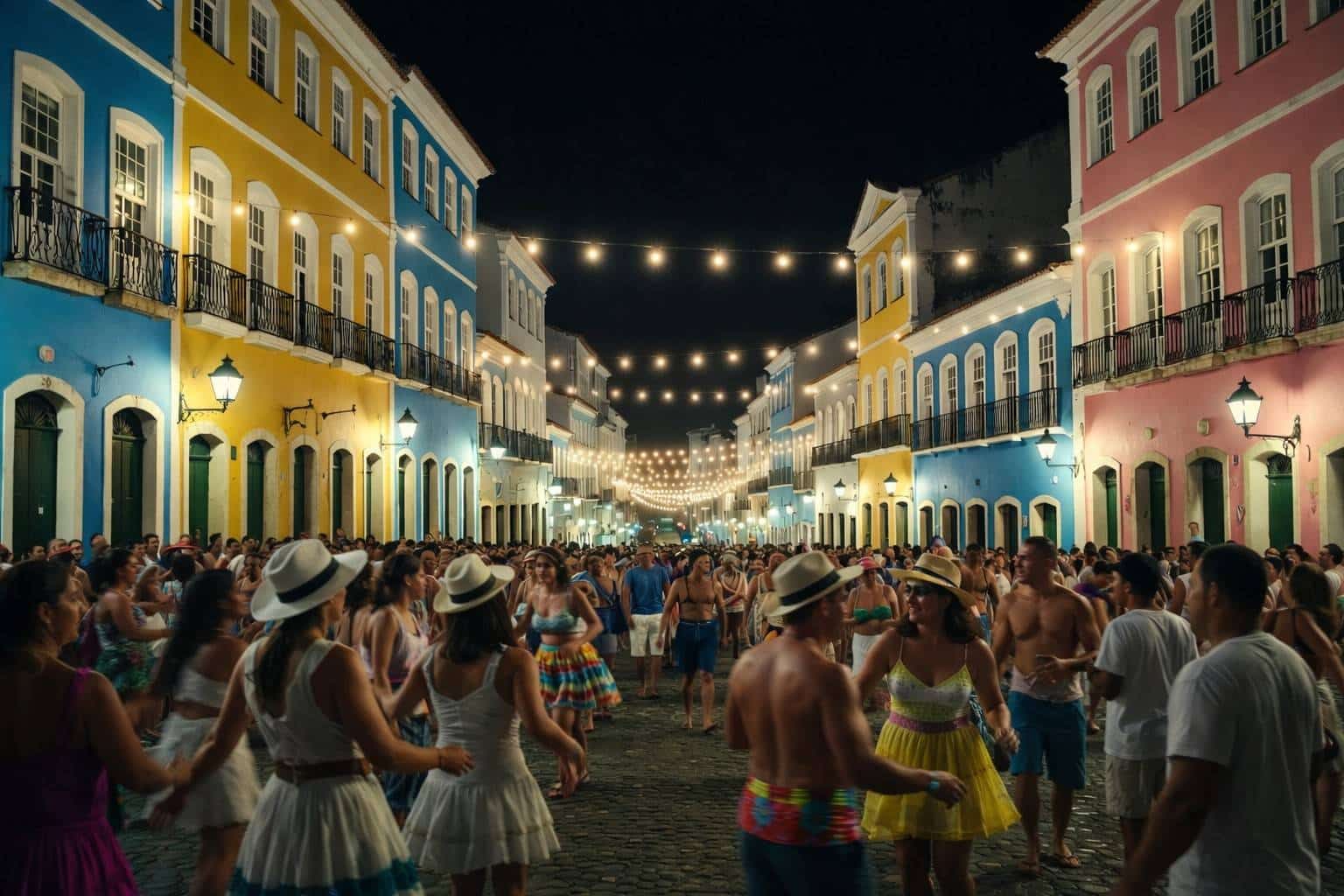 Salvador Carnival dates back to the 1880s, when African-Brazilian communities began organizing street celebrations during the Catholic pre-Lent period.
But the real revolution came in 1950, when Dodô and Osmar mounted a sound system on a jeep and drove through the streets playing frevo music. That jeep became the first trio elétrico — and Salvador Carnival was never the same again.
Legends & Modern Evolution
Over decades, the festival evolved:
- 1970s — Axé music was born in Salvador, fusing African rhythms with Brazilian pop
- 1990s — International artists like Ivete Sangalo and Carlinhos Brown made Salvador Carnival globally famous
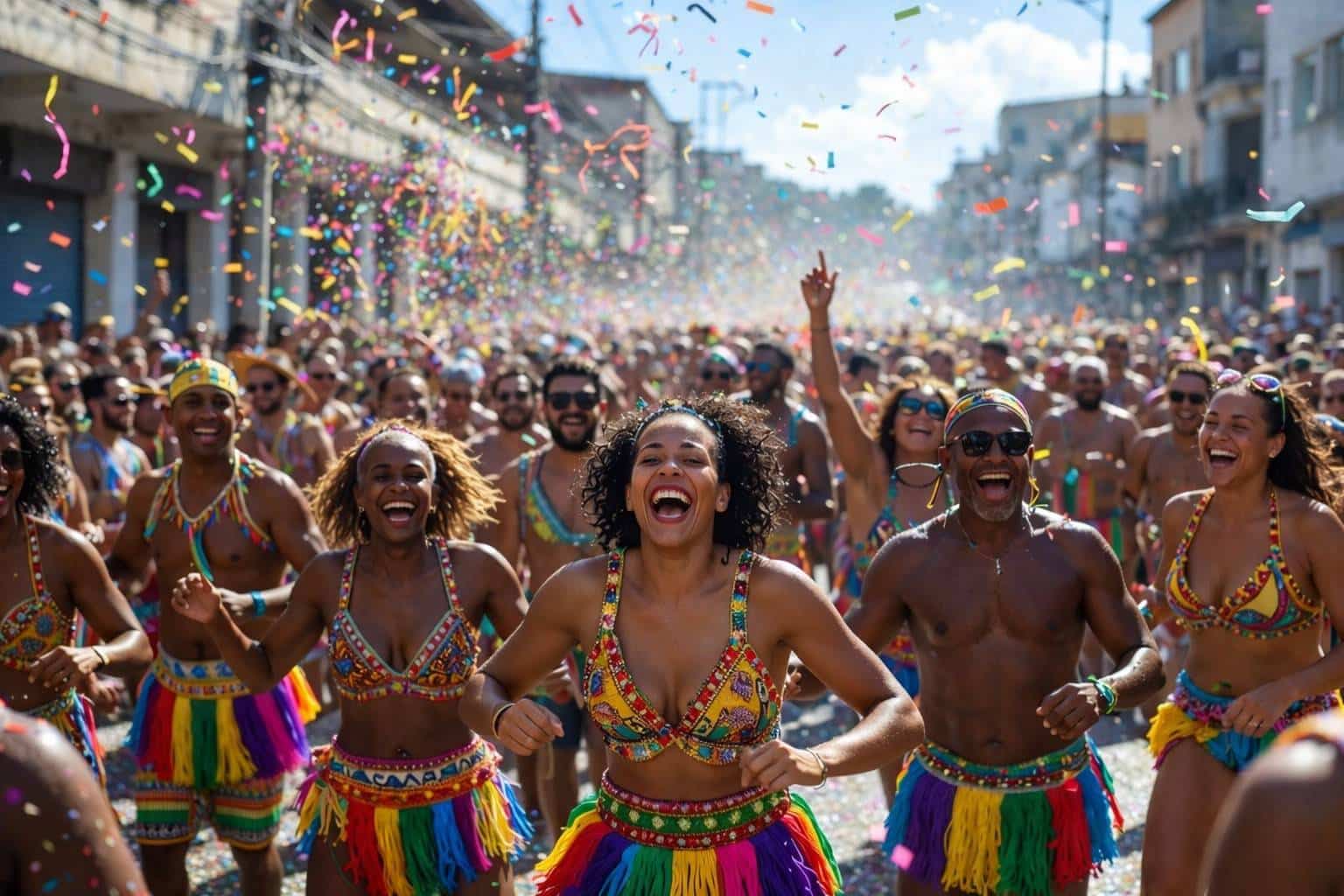
- Today — Over 2 million people flood the streets every single day during Carnival week
Standing in Pelourinho — the old colonial district where African slaves once danced in secret — I felt the weight of that history. What started as quiet resistance became the world’s loudest celebration.
Heart of the Matter: Salvador Carnival’s Spiritual & Cultural Depth
At its core, Salvador Carnival is deeply connected to Candomblé — the African-Brazilian spiritual tradition brought by enslaved Yoruba people centuries ago.
Cultural Significance Explained
- Axé music carries spiritual energy — “axé” literally means life force in Yoruba
- Many blocos have roots in Afro-Brazilian religious communities
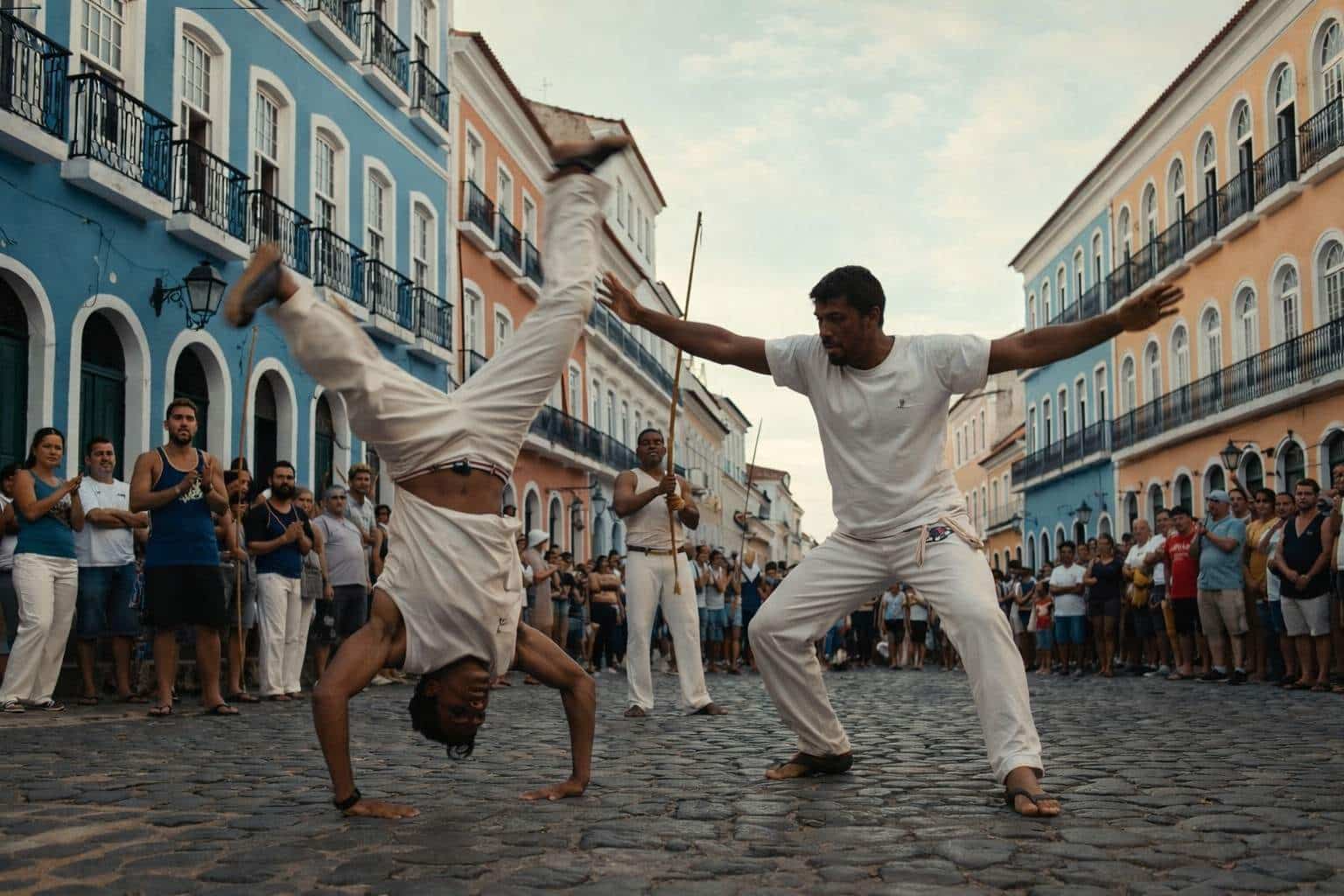
- Capoeira performances throughout Pelourinho celebrate African martial arts heritage
- The carnival is a living act of cultural preservation and pride
During one late night in Pelourinho, I watched a capoeira circle form spontaneously in a cobblestone square. No announcement, no ticket. Just two men moving like water, surrounded by berimbau music and candlelight.
That moment cost nothing. It was worth everything.
Official Salvador Tourism Site: https://www.visitsalvador.com.br
The Celebration Breakdown: Salvador Carnival Rituals Step by Step
Day-by-Day Guide for Beginners 2026
Day 1-2: Arrival & Warm Up
- Explore Pelourinho historic district
- Join free street blocos in the evening
- Try local Bahian food at street stalls
Day 3-4: Barra-Ondina Circuit
- Join a bloco abadá (buy your costume band in advance)
- Follow your favorite trio elétrico truck
- Dance from sunset to sunrise
Day 5: Dodô Circuit
- Slightly more relaxed pace
- Great for families and first-timers
- Daytime street performances
Day 6: Pelourinho Night
- Free entry — this is where locals actually celebrate
- Live music in every square
- Most authentic Salvador Carnival experience
Day 7: Grand Finale
- Emotional closing ceremonies
- Final blocos parade
- City-wide street parties till dawn
Flavors You’ll Crave
Street food is half the experience:
- Acarajé — Deep fried black-eyed pea fritters stuffed with shrimp (a must!)
- Moqueca — Rich coconut fish stew
- Cocada — Sweet coconut candy
- Água de Coco — Fresh coconut water straight from the shell
My favorite moment? 3AM, sitting on Pelourinho steps, eating acarajé with strangers who spoke zero English. We communicated entirely through hand gestures, laughter, and shared food.
Salvador has a way of doing that to you.
Top Spots: 5 Must-Visit Havens for Salvador Carnival 2026
1. Barra-Ondina Circuit (Main Stage)
Pros: Biggest artists, best production, electric energy Cons: Need abadá ticket, very crowded
2. Pelourinho Historic District
Pros: Free entry, authentic local vibe, colonial architecture Cons: Can get crowded at night, watch your belongings
3. Campo Grande (Osmar Circuit)
Pros: Traditional carnival feel, more affordable Cons: Less international artists
4. Porto da Barra Beach
Pros: Beautiful beach setting, relaxed daytime vibe Cons: Gets extremely crowded during carnival week
5. Farol da Barra (Lighthouse Area)
Pros: Iconic landmark, great views, street parties nearby Cons: Far from main circuits
Pelourinho: My Top Pick
First time I visited Pelourinho during Carnival, I got completely lost in its maze of colorful colonial streets. I missed the bloco I was supposed to join. Instead I stumbled into a private courtyard where a family was holding their own mini celebration.
They pulled me in, fed me, and taught me three words of Bahian Portuguese I still remember today.
Sometimes getting lost is the whole point.
Smart Traveler Hacks: Blend In Like a Local
Custom Itinerary Builder
3 days in Salvador:
- Day 1: Arrive, Pelourinho exploration, evening street blocos
- Day 2: Barra-Ondina Circuit with abadá bloco
- Day 3: Pelourinho free party + beach recovery
5 days in Salvador:
- Days 1-2: Above plan
- Day 3: Dodô Circuit + daytime beach
- Day 4: Capoeira show + local neighborhood bloco
- Day 5: Grand finale celebrations
Key Tips
- Book abadá bloco tickets months in advance — they sell out fast
- Stay in Barra neighborhood for best location
- Carry only small cash — pickpocketing is real in crowds
- Wear comfortable shoes you don’t mind destroying
- Hydrate constantly — Bahia heat + dancing = serious dehydration risk
Learned the Hard Way
I wore brand new sneakers my first Salvador Carnival. By day two they were ruined — beer-soaked, stepped on, and somehow missing a lace. Now I bring old sandals specifically for Carnival. Lesson learned. 😄
Budget Breakdown: Planning Salvador Carnival 2026
| Category | Cost (Daily/Person) | Pro Tip |
|---|---|---|
| Accommodation | $50–150 | Book Barra neighborhood, 6 months early |
| Abadá Bloco Ticket | $80–200 (one time) | Buy official tickets only — avoid scams |
| Food | $15–30 | Street food is cheaper and better |
| Transport | $10–20 | Use apps like 99 or Uber |
| Total | $100–250/day | Budget more for bloco tickets |
Pro tip: Pelourinho is completely free — if budget is tight, spend your nights there and skip the paid blocos entirely. Locals do it every year.
7 Surprising Secrets of Salvador Carnival
- Salvador Carnival is older than Rio Carnival in its street party format
- Over 2 million people celebrate on the streets every single day
- Axé music was literally invented in Salvador — you’re dancing at its birthplace
- The trio elétrico trucks carry sound systems powerful enough to fill stadiums
- Pelourinho celebrations are completely free — no ticket needed
- Many blocos have waited lists of years — locals plan years in advance
- Salvador has more African cultural heritage than any other city outside Africa
6 Rookie Mistakes to Avoid at Salvador Carnival
- Not booking accommodation early → You’ll pay 5x price or find nothing
- Wearing expensive jewelry → Leave it at home, seriously
- Skipping Pelourinho → The most authentic experience and it’s free
- Only following tourists → Get lost in local neighborhoods
- Ignoring hydration → Bahia heat is brutal, drink water constantly
- Buying abadá from street sellers → Fake tickets are everywhere, buy official only
All Your Salvador Carnival Questions Answered: 2026 FAQ
When is Salvador de Bahia Carnival 2026?
Salvador de Bahia Carnival 2026 takes place from February 12–17, 2026 — seven full days of non-stop street celebration across the city.
Where does Salvador Carnival take place?
Salvador Carnival takes place in Salvador, Bahia, Brazil — spread across three main circuits: Barra-Ondina (main circuit), Dodô Circuit, and Osmar Circuit in historic Pelourinho.
What is an abadá at Salvador Carnival?
An abadá is a colored costume band or t-shirt that gives you access to a specific bloco group during Salvador Carnival. It includes security, entertainment, and sometimes open bar depending on the bloco.
Is Salvador Carnival free?
Partially! The Pelourinho historic district celebrations are completely free — no ticket needed. However, joining official blocos on the main Barra-Ondina circuit requires purchasing an abadá ticket in advance.
Is Salvador Carnival safe for tourists?
Yes, Salvador Carnival is safe for tourists if you take basic precautions — leave expensive jewelry at home, carry only small amounts of cash, stay in groups at night, and use official transport apps like Uber or 99.
How do I get to Salvador for Carnival 2026?
Fly into Salvador Deputado Luís Eduardo Magalhães International Airport. Direct flights are available from major Brazilian cities. Book flights at least 3–6 months in advance as prices spike during Carnival week.
Which neighborhood should I stay in for Salvador Carnival?
Barra neighborhood is the best area to stay — it’s close to the main Barra-Ondina circuit, has good restaurants and beaches nearby, and is well-connected to all carnival circuits.
What should I wear to Salvador Carnival?
Wear light, breathable clothing suitable for Bahia’s heat and humidity. Bring old comfortable shoes you don’t mind ruining. If you join a bloco, wear your abadá costume over your clothes.
The Final Note: Why Salvador Carnival Will Rewrite Your Story
On my last morning in Salvador, I sat on the steps of a Pelourinho church watching the city slowly wake up after its final night of madness.
Street cleaners were already working. A few carnival-goers still danced, refusing to let the magic end. Somewhere nearby, someone was still playing berimbau.
And I realized something: Salvador Carnival doesn’t just entertain you. It rewires you. It reminds you what it feels like to be completely, overwhelmingly, joyfully alive.
If there’s one festival on your bucket list — make it this one.
So tell me: Barra-Ondina or Pelourinho? When are you heading there?
— Abhay Ramola, Festival Wanderer from Uttrakhand.

Abhay Ramola researches world festivals across primary sources, local accounts, and on-ground reporting. He founded Dionfest to cover what gets missed when festivals become tourism content the history, the ritual, and the people behind it.