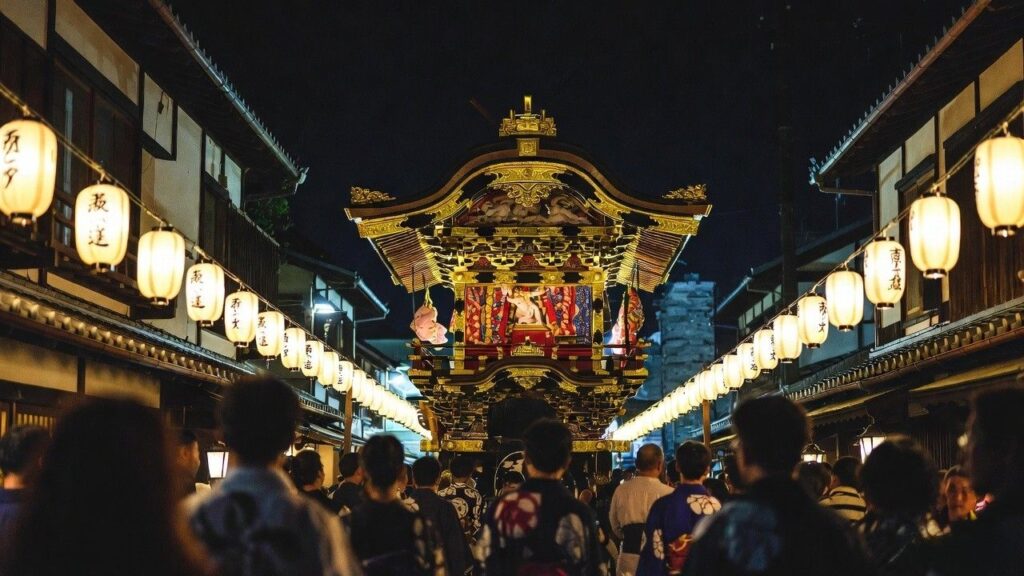
The smell hits you first — grilled skewers of yakitori, incense drifting from a shrine three alleys away, and something else underneath it all, older and harder to name, like lacquered wood warming in the July heat. Lanterns sway above a street so narrow that two people with umbrellas can barely pass each other. Somewhere ahead, a twenty-ton wooden float — assembled without a single nail — is being dragged by men in white robes, their arms moving in perfect silence. A child in a cotton yukata holds her grandfather’s hand and stares up, mouth open, at a float taller than the building she lives in. You realize, standing there on Shijo-dori at 9pm with sweat on your collar and a half-eaten kushi-katsu going cold in your hand, that you have never seen anything in your life that looks quite like this.
Gion Matsuri is a month-long Shinto festival held in Kyoto, Japan, every July, organized by Yasaka Shrine. It is best known for its massive wooden floats — yamaboko — which parade through central Kyoto on July 17th and July 24th. What surprises most visitors: the festival originated not as a celebration, but as a city-wide ritual to appease angry gods blamed for a 9th-century plague.
Quick Facts
| Detail | Info |
|---|---|
| Festival Name | Gion Matsuri (祇園祭) |
| Country / Region | Japan / Kyoto, Kansai Region |
| Type | Religious (Shinto) / Cultural |
| 2026 Dates | July 1–31, 2026 (main parades: July 17 & July 24) |
| Duration | Full month; key events in first and third weeks |
| Best For | Cultural travelers, history lovers, architecture enthusiasts |
| Crowd Level | Extreme (parade days); Medium (weekday evenings) |
| Avg. Daily Budget | ¥8,000–¥15,000 / day (~USD $55–$100) |
| Nearest Airport | Kansai International (KIX) or Osaka Itami (ITM) |
| Visa Required | No (most nationalities get 90-day stamp-free entry) |
Why Gion Matsuri 2026 Belongs on Your Travel List
The specific reason to come is the yamaboko junko — the float processions on July 17th and 24th. Nothing in modern Japan, possibly nothing in East Asia, matches the sheer engineered spectacle of watching a six-ton wooden float pivot 90 degrees around a street corner using bamboo poles and wet bamboo leaves placed under its wheels. There’s no diesel engine. There’s no hydraulics. It is men, rope, and four centuries of collective technique.
This festival suits travelers who want depth rather than spectacle for spectacle’s sake — people who enjoy standing still and watching something they don’t fully understand and feeling the better for it. The honest caveat: July in Kyoto is genuinely brutal. Temperatures hit 36°C (97°F) with humidity above 70%. If heat is your enemy, this trip will test you.
The Real Story Behind Gion Matsuri
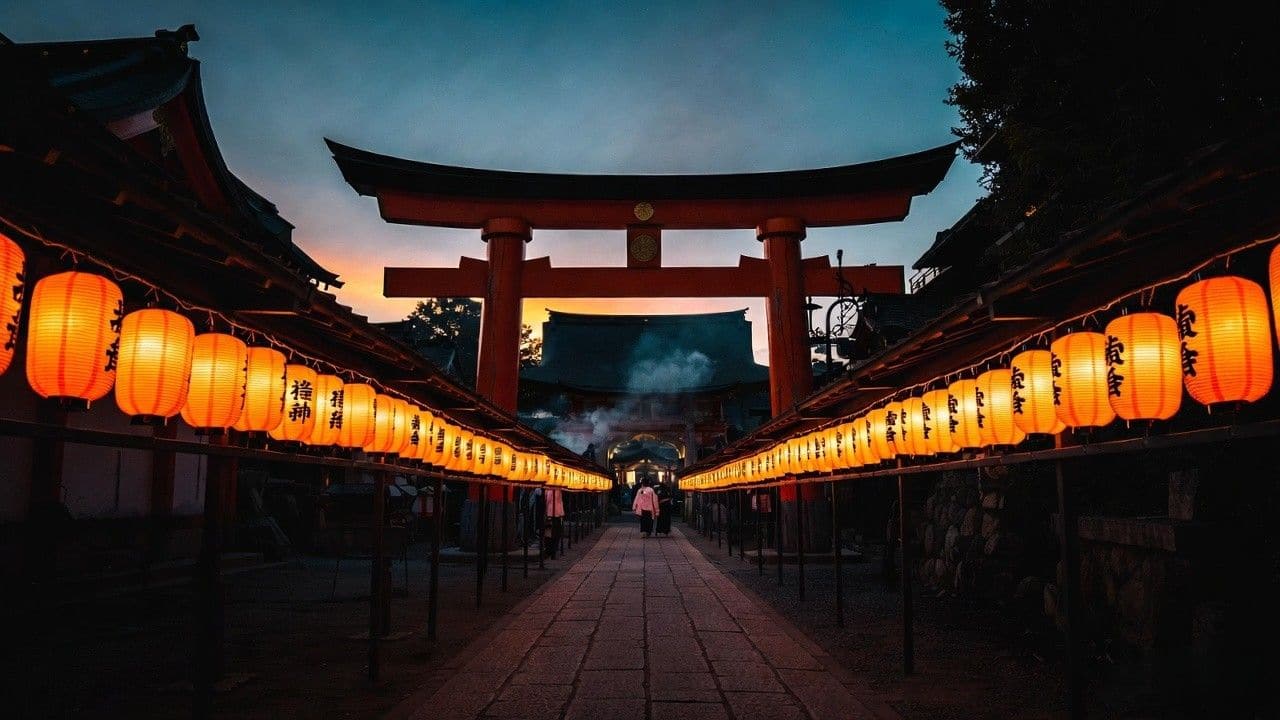 Gion Matsuri began in 869 CE, during the Heian period, when Kyoto (then called Heian-kyō) was being ravaged by a plague so severe that the Imperial Court grew desperate. Sixty-six hoko spears — one for each province in Japan at the time — were erected in Shinsen-en Garden, and citizens prayed to Gozu Tennō, the deity enshrined at Yasaka Shrine, begging for the epidemic to end. When the deaths slowed, the ritual was repeated annually as thanks.
Over the next three centuries, the festival grew from a shrine ceremony into a full city event. Wealthy Kyoto merchants — the machishū — began commissioning the massive floats in the 1100s as a show of civic pride and commercial power. Each float became associated with a specific neighborhood, and those neighborhoods still own and maintain their floats today, passing construction knowledge from father to son, generation after generation.
There’s a story locals tell about the Naginata Boko float — the lead float of the entire procession. It is said a child chosen to ride it as the sacred chigo (a young male messenger between humans and gods) must not touch the ground from the moment he is dressed until the parade ends. If his feet touch the earth, the ritual is broken. I once asked a float carpenter in the Kanko neighborhood whether people actually believed that anymore. He looked at me like I had asked whether gravity still worked.
official Gion Matsuri website : https://www.gionmatsuri.or.jp/en/
What Gion Matsuri Means to the People Who Actually Celebrate It
For Kyoto’s older generation, Gion Matsuri is not a tourist attraction that happens to involve locals. It is — quite literally — their neighborhood’s annual responsibility. Each of the 34 participating floats is owned by a specific cho (district), and those districts spend the entire year fundraising, training, and maintaining the float in storage. Missing it isn’t like missing a festival. It’s like missing a family obligation.
For younger Kyotoites, the meaning has shifted without disappearing. Many twentysomethings who grew up near the festival route describe the yoiyama evenings — the three nights before each parade when the floats are displayed in place and the streets fill with food stalls — as something like childhood itself. The smell of the food stalls, they say, is the smell of summer.
What outsiders consistently misunderstand is the timing. Most tourists come only for July 17th, the Sakimatsuri parade day, and miss the quieter, arguably more moving Atomatsuri on July 24th. Locals will tell you the 24th is actually the more traditional of the two. The crowds are smaller, the atmosphere less performative, and you can get close enough to the floats to see the woven Flemish tapestries — yes, actual 16th-century Belgian imports — that hang from their sides.
Commercialization has arrived, of course. The yoiyama evenings now include branded beer stands and occasionally a corporate sponsor banner near the shrine entrance. But the floats themselves, the music, the rituals — those have remained untouched in a way that would surprise anyone who has watched other major world festivals get slowly hollowed out.
Yasaka Shrine official site : https://www.yasaka-jinja.or.jp/en/
What Actually Happens at Gion Matsuri — Day by Day
Day 1 (July 1): Kippūiri — The Sacred Opening
Morning: The formal ceremonies begin quietly at Yasaka Shrine before most tourists are awake. Priests perform purification rites. If you arrive early — before 8am — you can watch without crowds and with a real sense of what the month is actually about.
Afternoon: The various cho (neighborhoods) begin retrieving their floats from storage. This is genuinely interesting to watch if you know where to look — the Nishiki district is good for this. Seeing a float in pieces, laid on the floor of a machiya townhouse, makes the finished parade float feel almost miraculous by comparison.
Evening: Low-key. This is your night to eat well and sleep early. The tebasaki (chicken wings) at the standing bars near Pontocho are extraordinary and cost ¥400 a piece.
Days 14–16 (July 14–16): Yoiyama Evenings — The Best-Kept Secret
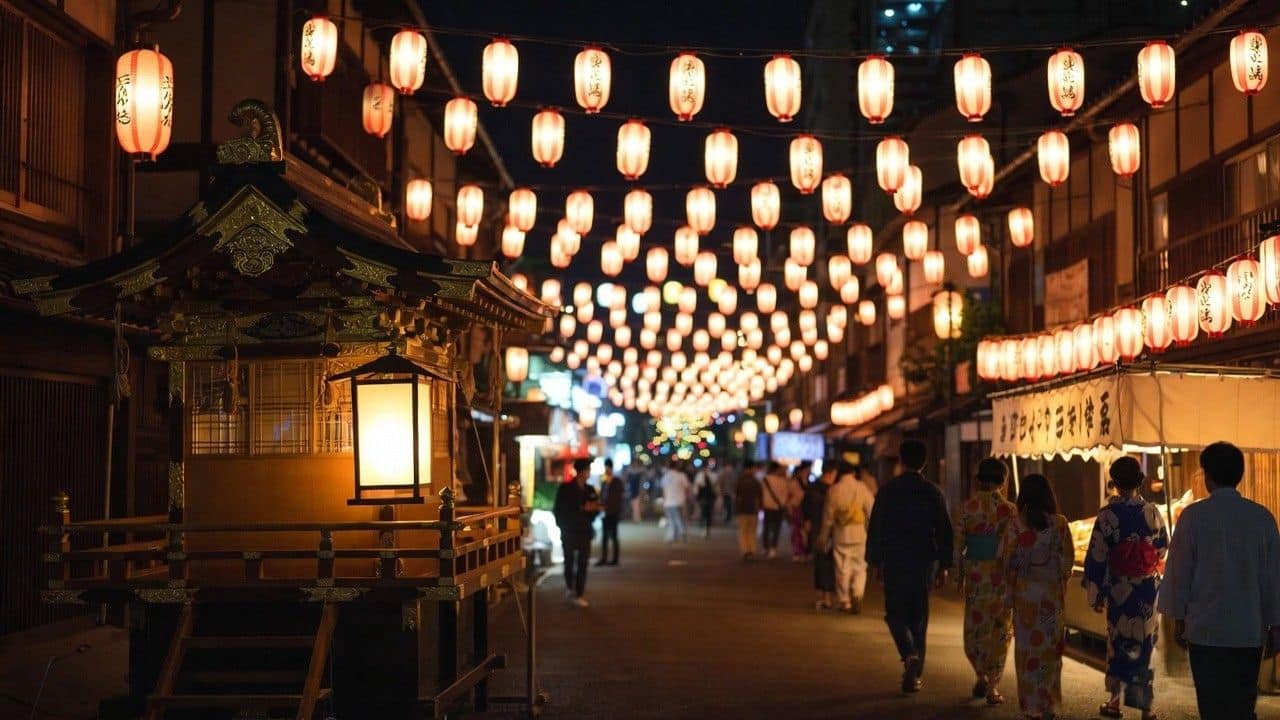 This is, without question, the part of Gion Matsuri that generic guides undervalue. In the three evenings before the first parade, the assembled floats are parked in the streets of central Kyoto, lit by paper lanterns, and the surrounding blocks become one long open-air food market.
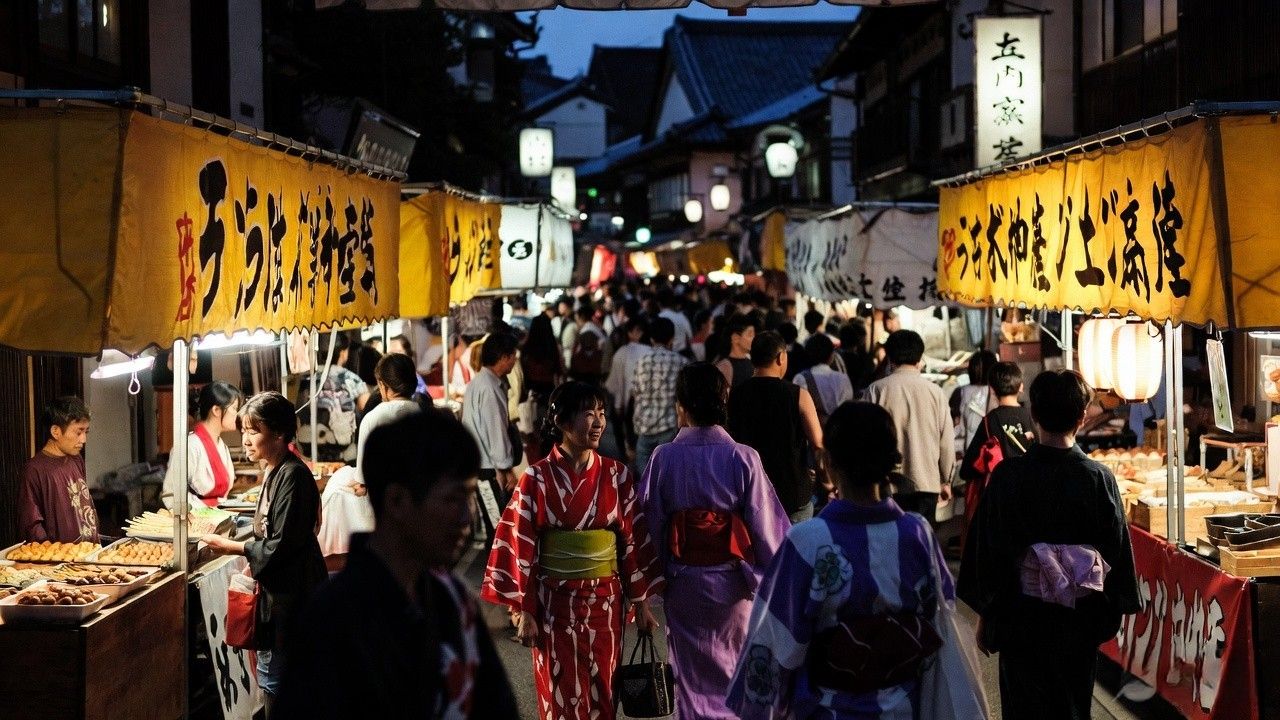
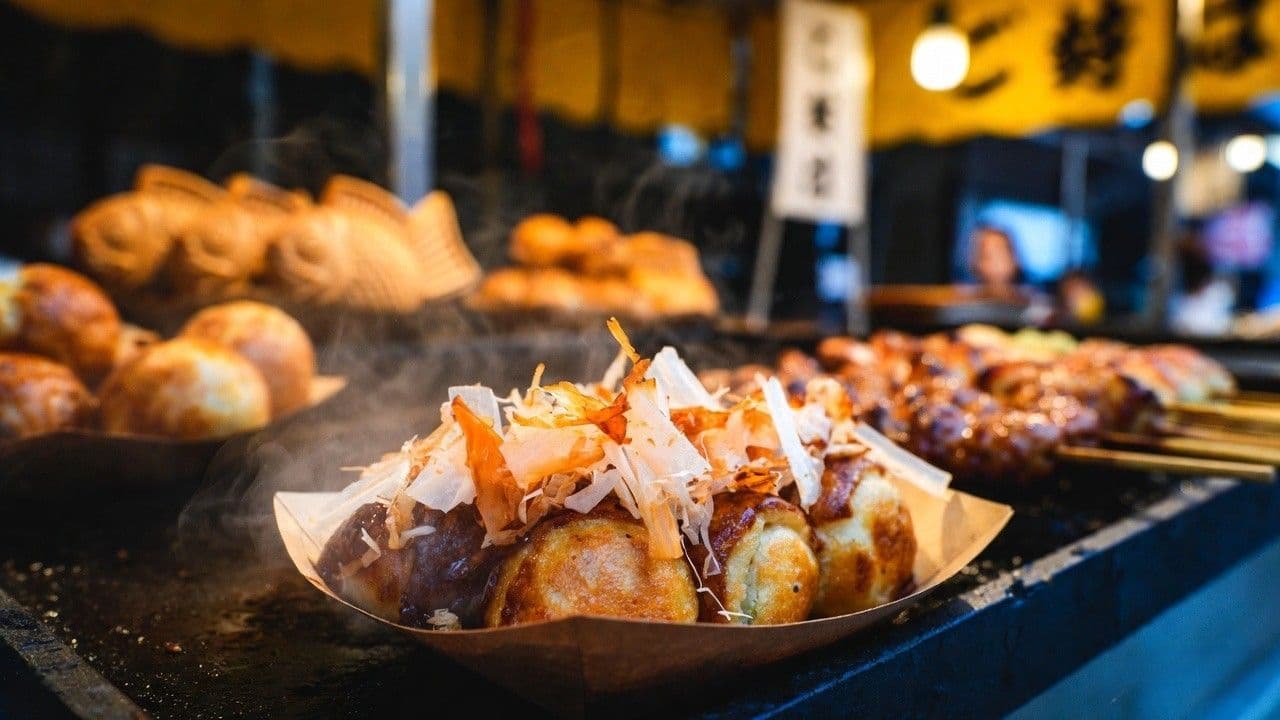
Evening structure: Arrive around 6:30pm before the worst heat lifts, grab taiyaki (fish-shaped pastry filled with red bean paste) from a stall near Shijo-Karasuma, and walk the float route slowly. Each float has volunteers standing nearby who will, if you show enough genuine curiosity, explain the float’s specific mythology and sometimes invite you to look more closely.
What to wear: Lightweight yukata (cotton kimono) — rental shops near Gion charge ¥3,000–¥4,000 for the evening. Not required, but wearing one on yoiyama nights is the single easiest way to stop feeling like a spectator and start feeling like a participant.
I once asked a volunteer about the tapestries on the Tsuki Boko float, pointing at what I thought was a Chinese design. She smiled, not unkindly, and explained they were Belgian — woven in Bruges in the 1500s, brought to Japan via the Silk Road trade routes, and purchased by Kyoto merchants who simply considered them the finest cloth money could buy. I had walked past those tapestries three times thinking they were decorative. They were museum pieces.
Planning to explore more regional Japanese festivals around the same trip? our guide to Cherry Blossom Festival (Hanami) in Japan covers other Kansai festivals worth building into your July itinerary.
Parade Day 1 (July 17): Sakimatsuri — The Main Event
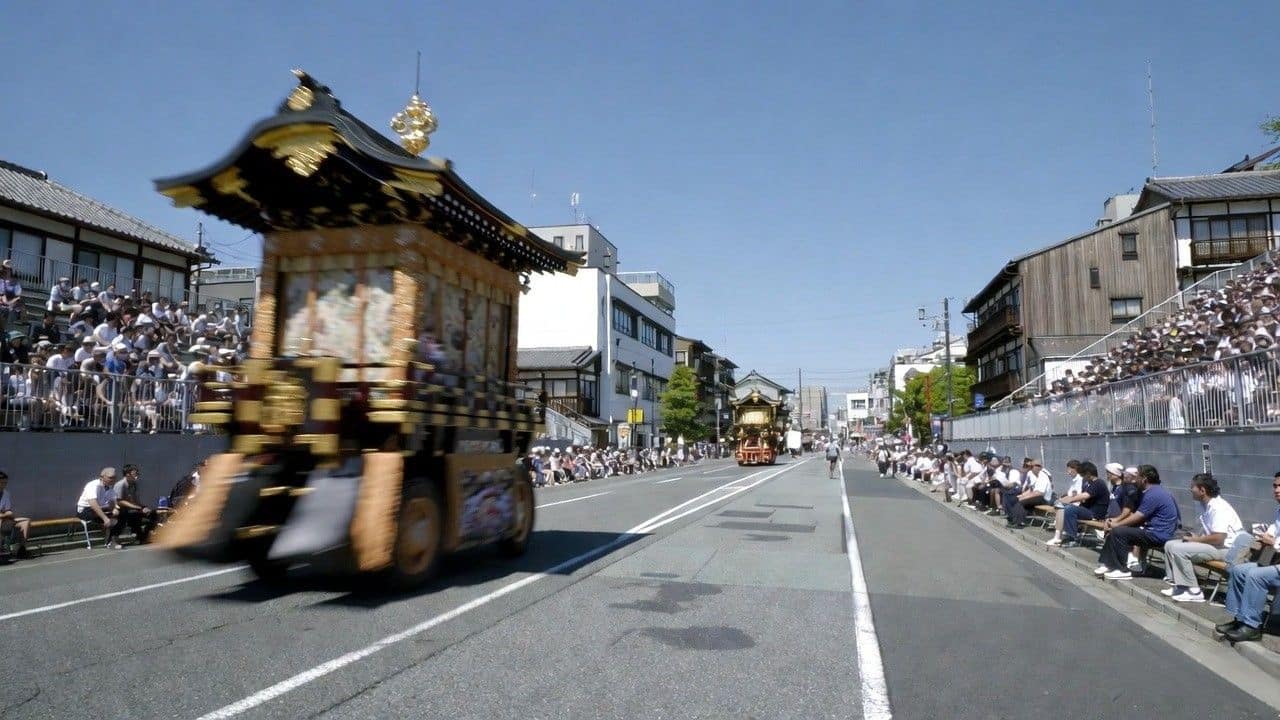
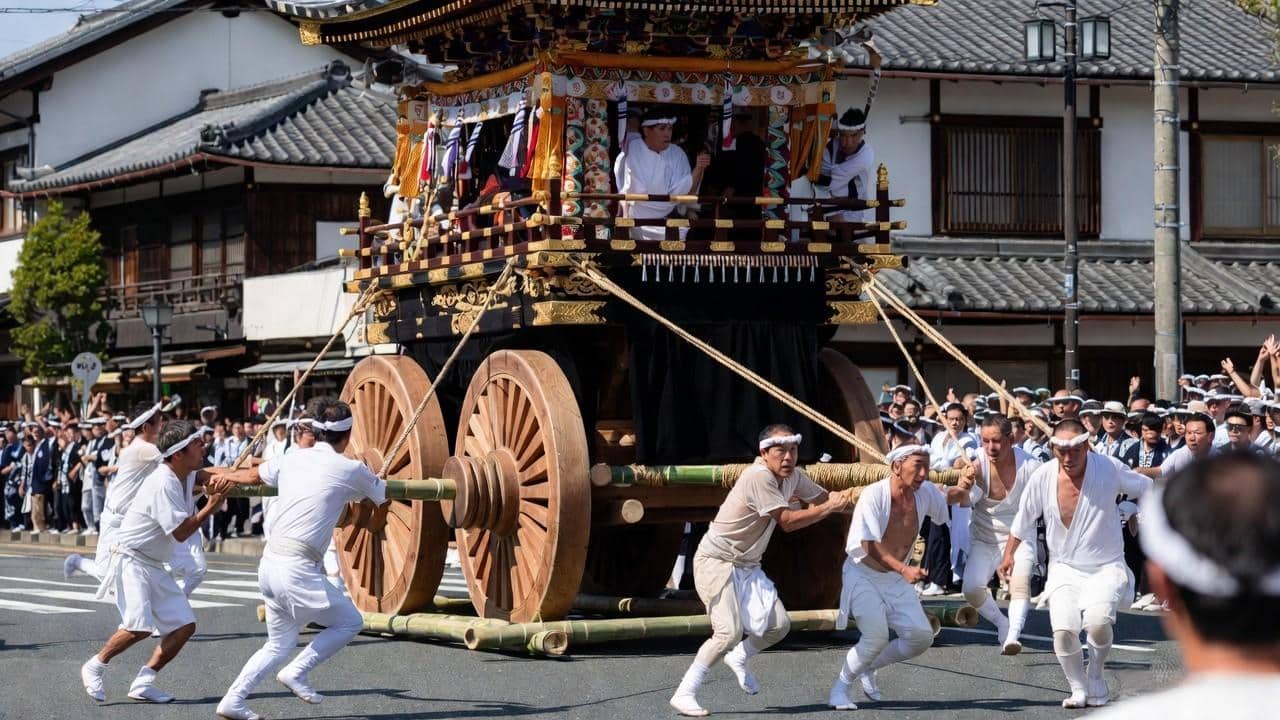 Morning (by 8am): Secure your spot along Oike-dori or Shijo-dori before 8am. Paid bleacher seats exist along the official route (¥2,000–¥4,500) and are worth every yen for a clear sightline. Free standing positions along the route fill by 7am on parade day.
Morning (9am–11:30am): The procession of 23 floats moves from Shijo-Karasuma through the city. The moment that stops everyone: the tsujimawashi, when the lead float pivots at a 90-degree intersection using only bamboo poles and wet leaves. The crowd goes silent. Then it goes extremely loud.
Afternoon: The crowds empty fast after noon. This is when the best photographs happen — floats parked, handlers resting, ordinary Kyoto life reasserting itself around these enormous wooden structures.
Evening: The kansha-sai (thanksgiving ceremony) at Yasaka Shrine. Smaller and genuinely moving after the spectacle of the morning.
What to eat that day: Makizushi from convenience stores — yes, seriously. Every convenience store in Kyoto stocks special July festival rolls, and eating them while standing at a parade is exactly what locals do. ¥580 for a pack that keeps you going all morning.
Final Day (July 31): Nagoshi no Harae — The Closing Purification
By the last day of July, the floats are disassembled, the food stalls are gone, and Shijo-dori looks almost normal again. At Yasaka Shrine, the nagoshi no harae ceremony involves walking through a large ring of chi-no-wa (miscanthus grass) to purify yourself before the second half of the year. Most tourists have already left. The people here on July 31st are almost entirely local, and there is a quietness to it — part relief, part genuine reverence — that I found harder to leave than the parade itself.
Best Places to See Gion Matsuri in 2026
1. Shijo-dori (the main parade route)
The official parade route runs along Shijo-dori and Oike-dori in central Kyoto. This is the widest stretch of the route and gives you the clearest view of the floats in full motion. Downside: extreme crowds, especially near Shijo-Karasuma crossing. Best for: first-timers who want the full visual impact.
2. Oike-dori (the pivot point)
The tsujimawashi pivot happens at the intersection of Oike-dori and Shijo-dori. A bleacher seat here costs more, but watching a float that weighs several tons execute a 90-degree turn by hand is worth the premium. Downside: bleacher seats sell out in March. Best for: anyone with a camera or who wants the single most impressive moment of the entire parade.
3. Yoiyama Backstreets (Kanko and Nishiki areas)
On yoiyama evenings, the side streets connecting the major arteries become something genuinely different — quieter, more intimate, less photographed. The floats here are smaller (yamahoko rather than the giant hoko), but you can stand within a meter of them. Downside: harder to find without a map; easy to get turned around. Best for: repeat visitors, photographers, and anyone who wants a conversation rather than a crowd.
4. Yasaka Shrine (Gion district)
The spiritual center of the entire month. The mikoshi (portable shrines) processions begin and end here, and the late-night ceremonies on July 17th have an atmosphere that the parade route — however spectacular — doesn’t replicate. Downside: no floats here; the energy is devotional, not processional. Best for: travelers interested in the religious rather than the visual dimension.
5. Kawaramachi-dori (the evening stall route)
On yoiyama nights, the stretch of Kawaramachi between Shijo and Sanjo becomes the densest concentration of food stalls in the city. Takoyaki, ikayaki, cold beer, and kakigori (shaved ice) in a compressed corridor of heat and noise. Downside: genuinely claustrophobic; not suitable if crowds overwhelm you. Best for: food lovers, night owls, anyone who wants the festival to feel like a party.
📍 My Top Pick: Oike-dori, bleacher seats, July 17th, 9:15am.
Get there early, bring water, and position yourself on the north side of Oike-dori just west of Karasuma. The floats come around the corner here from Karasuma heading west, and the light at that hour — morning sun hitting the gold-lacquered finials of the naginata boko — is something I have never successfully photographed but also never forgotten. Book the bleacher seat in early April through the Kyoto city tourism office.
For travelers planning a broader Kansai cultural itinerary, Sapporo Snow Festival 2026 travel guide on dionfest.com has an excellent breakdown of how Gion Matsuri compares to Osaka Tenjin Matsuri, which falls on July 24–25 — the same weekend as the Atomatsuri parade.
Gion Matsuri Travel Guide 2026 — Tips That Actually Help
3-Day Festival Itinerary
| Morning | Afternoon | Evening | |
|---|---|---|---|
| Day 1 (July 15) | Arrive Kyoto, check in, walk Nishiki Market | Visit Yasaka Shrine when quiet | Yoiyama streets: stalls, yukata, lantern-lit floats |
| Day 2 (July 17) | Parade bleacher seat (arrive by 7:30am) | Rest, cold bath, air-conditioned lunch | Kansha-sai ceremony at Yasaka Shrine |
| Day 3 (July 18) | Morning walk of now-empty Oike-dori | Nishiki Market, Kinkaku-ji (crowds thinner after parade day) | Dinner in Gion, depart |
Essential Tips
- Best day to arrive: July 14th — gives you the full three yoiyama evenings plus parade day without holiday weekend pricing.
- Worst area to stay: Any hotel in Gion itself during parade week — noise until 11pm, prices 40–50% above normal.
- What to wear: Breathable linen or cotton; a light-colored yukata for evenings. Do NOT bring an umbrella with a hooked handle — it catches on other people constantly.
- Local etiquette rule outsiders break: Touching the floats. Even lightly. Don’t. The floats are sacred objects, not photo props.
- Safety tip: Heatstroke is the real hazard here, not crime. Carry a 500ml water bottle, refill at vending machines (¥120), and step into any convenience store for 10 minutes of AC every hour.
- Best free experience: Watching the floats assembled on July 13–14, neighborhood by neighborhood — no crowds, no fees.
- Best paid experience: Bleacher seat at the tsujimawashi pivot (¥2,000–¥4,500). Nothing else at this festival compares.
The Mistake I Made
My first year, I booked a hotel near Kawaramachi for July 16th through July 18th, thinking I was being smart — central location, walking distance to everything. What I didn’t know was that Kawaramachi-dori is the noisiest street in Kyoto during yoiyama — food stall generators, festival music, and approximately ten thousand conversations happening simultaneously until midnight. I wore earplugs I found in my bag from a previous flight. I slept two hours. On parade morning, I missed the pivot moment entirely because I fell asleep on a bench at 8:45am. Book a hotel in Higashiyama or Fushimi, slightly further out. It costs less, it’s quieter, and the 20-minute subway ride to the parade route is a small price for actually being awake when the floats move.
Gion Matsuri Cost Guide — What to Budget in 2026
| Category | Budget | Mid-Range | Splurge | Pro Tip |
|---|---|---|---|---|
| Accommodation | ¥4,000–¥6,000 (~$27–$40) | ¥10,000–¥18,000 (~$68–$120) | ¥30,000+ (~$200+) | Stay in Fushimi or Higashiyama — cheaper and quieter |
| Food & Drinks | ¥1,500–¥2,500 (~$10–$17) | ¥4,000–¥7,000 (~$27–$47) | ¥12,000+ (~$80+) | Convenience stores are genuinely excellent here |
| Local Transport | ¥600–¥1,200 (~$4–$8) | ¥2,000 (~$13) | ¥5,000 (~$33) | Buy Kyoto City Bus/Subway 1-day pass for ¥1,100 |
| Festival Entry | ¥0 (street viewing) | ¥2,000–¥4,500 (~$13–$30) | ¥20,000 (~$133) | Bleacher seats worth it only for July 17th pivot |
| Souvenirs | ¥500–¥1,500 (~$3–$10) | ¥3,000–¥8,000 (~$20–$53) | ¥15,000+ (~$100+) | Buy at Nishiki Market, not shrine souvenir stalls |
| Daily Total | ~¥8,000 (~$53) | ~¥20,000 (~$133) | ¥50,000+ (~$333+) |
💡 Prices increase 30–60% during festival week. Book accommodation 2–3 months in advance.
7 Things Most Articles Don’t Tell You About Gion Matsuri
The floats contain foreign antiques worth millions of dollars. Several yamaboko floats are decorated with tapestries and rugs imported from Belgium, Persia, and China between the 15th and 18th centuries. The Kanko Boko float alone carries pieces that would be behind museum glass in any other context. They travel through city streets once a year, outdoors, in July humidity.
The construction uses zero metal fasteners. Every float is assembled and disassembled annually using only rope — a technique called nawanai — and no nails, bolts, or screws of any kind. The knowledge of how to do this is held by specific families in each cho and is passed down through direct apprenticeship.
Locals hate July 17th crowds as much as you will. Many Kyoto residents specifically avoid the Sakimatsuri parade and attend the July 24th Atomatsuri instead. If you prefer a less compressed experience, the 24th has all the same energy with roughly 40% fewer people.
The music is intentionally disorienting. The hayashi music played on the floats — flute, drum, and bell — is based on a musical system that deliberately avoids Western harmonic resolution. It is designed to sound like it’s always about to end but never does. It loops for the full six hours of the procession. By hour three, it gets inside your head in a way that isn’t unpleasant but is genuinely strange.
Some residents still take a ritual precaution during the procession. In certain older Kyoto households, residents will not step over a rope laid across the street as part of the float pathway, even after the parade has passed. The belief: the path the floats traveled remains consecrated for the rest of the day.
The chigo child cannot speak during the festival. The boy chosen to ride the lead float as the sacred chigo communicates exclusively through a fan gesture during his entire time in the ritual role. No speaking. If someone asks him a question, he fans. The symbolism is that he temporarily exists between the human and divine worlds.
The best photographs are taken two days after the parade. On July 19th and 20th, the floats are partially disassembled and resting in their neighborhoods before being fully stored away. You can walk through the disassembly process, see the construction up close, and photograph the tapestries without crowds. Almost no one does this.
Gion Matsuri Mistakes First-Timers Almost Always Make
❌ Mistake: Booking accommodation inside the central parade zone.
Why it hurts: Sleep deprivation, inflated prices, and you’ll be fighting pedestrian traffic every time you leave the hotel.
✅ Fix: Book in Higashiyama, Kyoto Station area, or Fushimi — all within 20–30 minutes by subway.
❌ Mistake: Coming only on July 17th and leaving the next morning.
Why it hurts: You miss the yoiyama nights, the Atomatsuri parade on July 24th, and the entire human context that makes the parade meaningful.
✅ Fix: Arrive July 14th or 15th, stay through July 18th minimum. Or aim for July 22nd–25th to catch the second parade with thinner crowds.
❌ Mistake: Wearing non-breathable clothing.
Why it hurts: July in Kyoto is punishing. Synthetic fabrics in 36°C heat with full-body humidity will ruin you by 10am.
✅ Fix: Lightweight linen trousers or a cotton yukata. Buy a folding fan at any convenience store for ¥300.
❌ Mistake: Photographing the floats by getting very close and pointing up.
Why it hurts: This marks you immediately as someone who doesn’t understand what they’re looking at. It also annoys float handlers who are focused on a delicate operation.
✅ Fix: Step back. Get the whole float plus the street in frame. The floats are designed to be seen from a distance.
❌ Mistake: Eating only at food stalls.
Why it hurts: The stall food is great, but limiting yourself to it means missing one of Japan’s great restaurant cities during one of its best seasons.
✅ Fix: Reserve one proper Kyoto dinner at ¥5,000–¥8,000 per person. Pontocho restaurants book out fast; reserve two weeks ahead.
❌ Mistake: Keeping large amounts of cash in a back pocket.
Why it hurts: The yoiyama crowds are dense. Anything in a back pocket gets dislodged naturally in heavy foot traffic.
✅ Fix: IC card (Suica or ICOCA) for transit; small wallet in a front pocket or crossbody bag.
Gion Matsuri — Questions Travelers Actually Ask
How do I get to Kyoto from Kansai International Airport (KIX)?
The Haruka Express train runs directly from KIX to Kyoto Station in approximately 75 minutes and costs ¥3,690 one way. If you’re arriving at Osaka Itami (ITM), the airport limousine bus to Kyoto Station takes about 55 minutes and costs ¥1,340. Buy an ICOCA card at the airport — it covers all subway, bus, and most JR local services in Kyoto.
Is Gion Matsuri safe for solo female travelers?
Kyoto during Gion Matsuri is safe. Japan’s street safety record is exceptional, and the festival crowds, while extremely dense on parade evenings, are orderly. On yoiyama evenings, go earlier (6–7pm rather than 8–9pm) if very dense crowds are uncomfortable for you.
What should I wear to Gion Matsuri?
For parade days: breathable cotton or linen, comfortable walking shoes (you’ll cover 8–12km), and a small crossbody bag. For yoiyama evenings: a yukata rental near Gion runs ¥3,000–¥4,000. Bring or buy a folding fan — you’ll use it from the moment you step outside.
How much does Gion Matsuri cost per day in 2026?
A realistic budget day — hostel outside the parade zone, convenience store breakfast, two stall meals, and a bleacher seat — runs about ¥9,000–¥12,000 (~$60–$80). A comfortable mid-range day with a hotel and one restaurant dinner sits at ¥20,000–¥28,000 (~$133–$185). Accommodation is the biggest variable; central Kyoto hotel prices triple during parade week.
Is Gion Matsuri too crowded for first-time visitors?
Parade day (July 17th) is genuinely extreme — expect shoulder-to-shoulder conditions along the route by 8am. The Atomatsuri on July 24th is significantly more manageable and shows a different set of floats. The yoiyama evenings are crowded but flowing; you can exit side streets freely if needed.
Where should I stay near Gion Matsuri?
The Higashiyama district offers the best balance — close enough to walk to the Gion shrine, far enough from the parade route to avoid festival noise. The Kyoto Station area is another good option; hotel prices are lower and every transport line runs through it. Avoid Kawaramachi and Shijo-dori hotel corridors during festival week.
Can I attend Gion Matsuri without booking in advance?
You can walk the streets and watch the floats for free with zero advance booking. What requires planning: accommodation (2–3 months ahead for parade week), bleacher seats (book in April via Kyoto City Tourism), and restaurant dinners in Pontocho or Gion (reserve 1–2 weeks ahead).
If I only have one day, which day of Gion Matsuri should I attend?
July 17th is the answer for most travelers — the larger Sakimatsuri parade with 23 floats. However, if you value atmosphere over scale, July 15th (yoiyama evening) gives the most intimate experience: floats lit by lanterns, food stalls open, locals in yukata, none of the parade-morning crowd pressure.
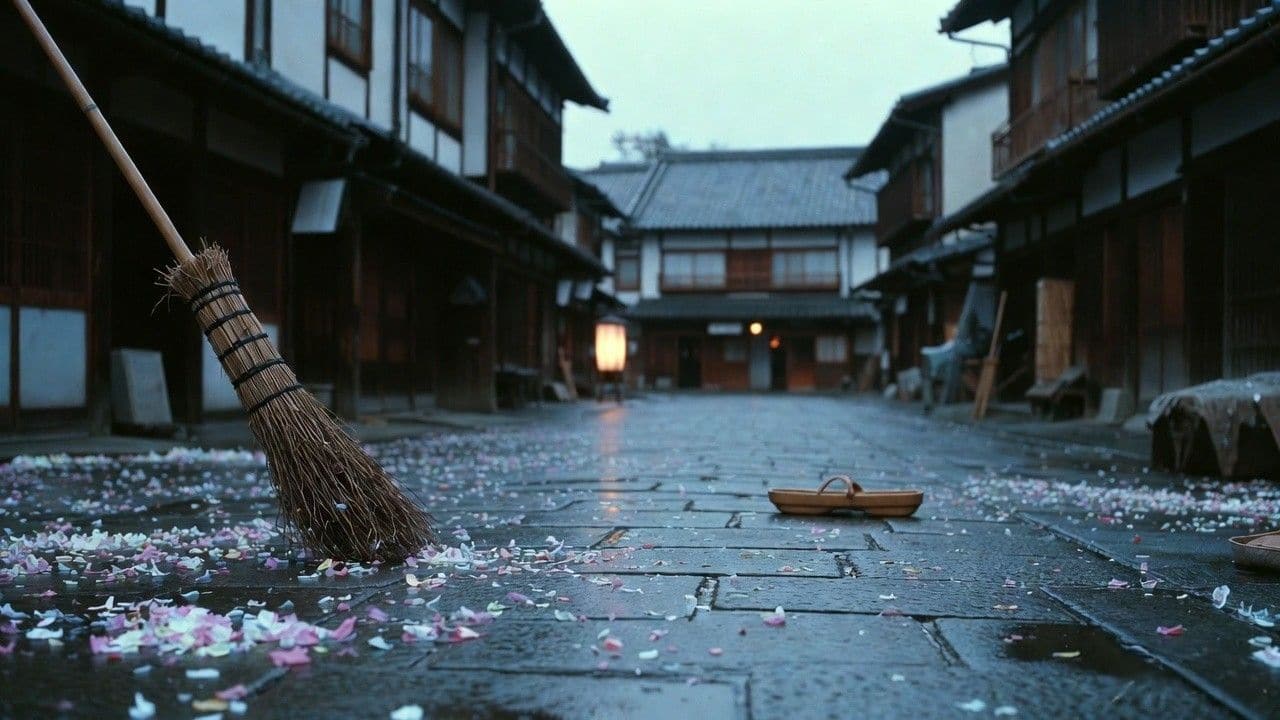 By 10pm on July 18th, the streets around Shijo-dori looked like a city that had just exhaled. The food stalls were down to bare frames, a single broom was working its way along the gutter near Karasuma, and two men in the white work clothes of the float teams were sitting on a curb sharing a can of beer in complete silence. One of them caught me watching and gave a small, tired nod — not unfriendly, just the nod of someone who had done a large thing and was now resting. I thought about the fact that they’d be doing all of this again in eleven months, and that their fathers had done it, and their fathers before that, going back a thousand years to a plague that no one alive can remember.
Whatever Gion Matsuri is for tourists — and it is something, genuinely — it is a different thing for the people who live inside it. I’m not sure I’ll ever fully understand the difference. But I keep going back to find out.
What does your city do that it would never stop doing, even if no one was watching?
— James, traveling from London
Article accurate as of March 2026. Festival dates and bleacher seat availability subject to confirmation from Kyoto City Tourism Board closer to July 2026.