The Lantern Festival is one of the most important traditional celebrations in China, marking the final day of Lunar New Year festivities. Many people ask, what is the Lantern Festival and why it holds such deep cultural meaning. The Chinese Lantern Festival is celebrated on the first full moon of the lunar calendar and symbolizes reunion, harmony, and new beginnings. Understanding the Lantern Festival meaning helps explain why the Lantern Festival is celebrated with colorful lanterns, traditional performances, and family gatherings. From its ancient origins, Lantern Festival history reflects centuries of customs, delicious Lantern Festival food, and joyful traditions that continue today.
What Is the Lantern Festival?
What Is the Lantern Festival and Why Is It Important?
The Lantern Festival (元宵节, Yuanxiao Jie) is the bright, joyful finale of Chinese New Year: it falls on the 15th day of the first lunar month, the first full moon after the new year, and traditionally marks the end of the New Year period. In short, what is the Lantern Festival? — it’s a night for families to come together, light and admire lanterns, enjoy public performances, and celebrate renewal and reunion.
Its history stretches back more than two thousand years, with roots in Han-dynasty practices and later influences from Buddhist temple lantern-lighting, imperial ceremonies, and folk customs. Because of that long Lantern Festival history, the celebration blends religious ritual, court culture, and village folklore into a popular public festival.
The Lantern Festival meaning is layered: lanterns symbolize hope, illumination, and letting go of the past year; the roundness of festival foods symbolizes family unity; and public spectacles (lion and dragon dances, riddle-solving, parades) express communal joy. That explains why the Lantern Festival is celebrated — to give thanks, wish for good fortune, and strengthen social bonds.
Traditional Lantern Festival traditions include hanging and carrying lanterns (often with riddles attached), solving lantern riddles, dragon and lion dances, and eating special Lantern Festival food such as tangyuan or yuanxiao (sweet glutinous rice balls) whose round shape represents completeness. While the core is Chinese, the Chinese Lantern Festival has also become visible worldwide: cities with Chinese communities stage lantern displays and events, so how is the Lantern Festival celebrated today varies from neighborhood lantern walks to massive light exhibitions.
Lantern Festival Meaning and Significance
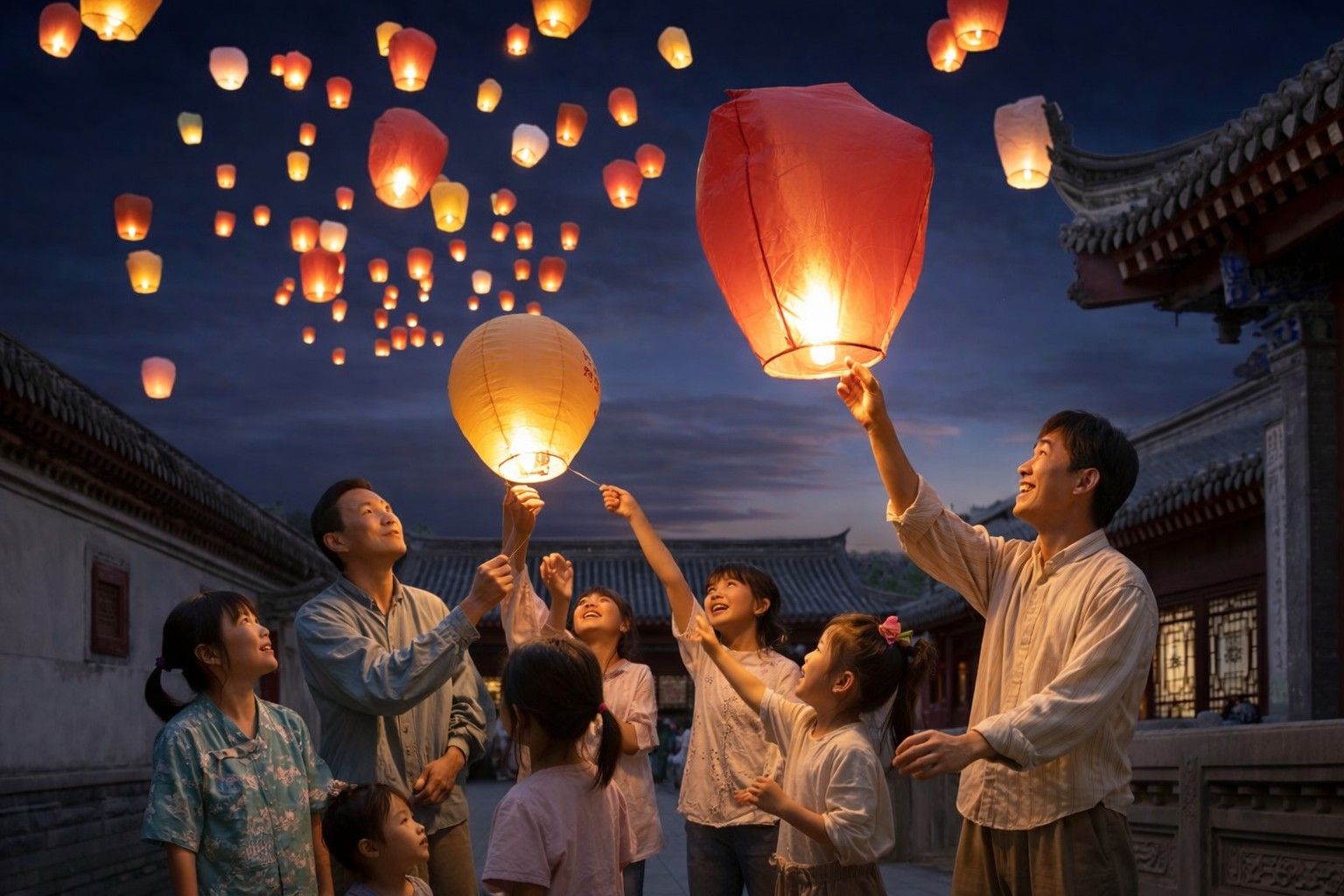
Lantern Festival Meaning in Chinese Culture
The Lantern Festival meaning in Chinese culture is deeply connected to ideas of reunion, harmony, and hope. Celebrated on the first full moon of the lunar year, the festival represents completeness and togetherness, which is why family unity is such a central theme. The glowing lanterns are not just decorations; they symbolize light driving away darkness, guidance for the future, and wishes for peace and good fortune in the year ahead. In traditional belief, the round shape of lanterns and the full moon reflect wholeness, reminding people to cherish family bonds and social harmony. Over centuries, this symbolism has made the Lantern Festival a powerful cultural moment that blends beauty, emotion, and shared values.
Why Is the Lantern Festival Celebrated?
Many people wonder why the Lantern Festival is celebrated, and the answer lies in both history and human emotion. Traditionally, the festival marks the official end of Lunar New Year celebrations, giving people a joyful closing after weeks of rituals and family gatherings. It is celebrated to pray for good luck, health, and prosperity, and to express gratitude for a fresh start. Lighting lanterns, solving riddles, and enjoying festive food allow people to step into the new year with optimism and happiness. Beyond customs, the deeper reason why the Lantern Festival is celebrated is simple and timeless: it brings people together, encourages hope, and reminds communities to move forward with unity and positivity.
Lantern Festival History
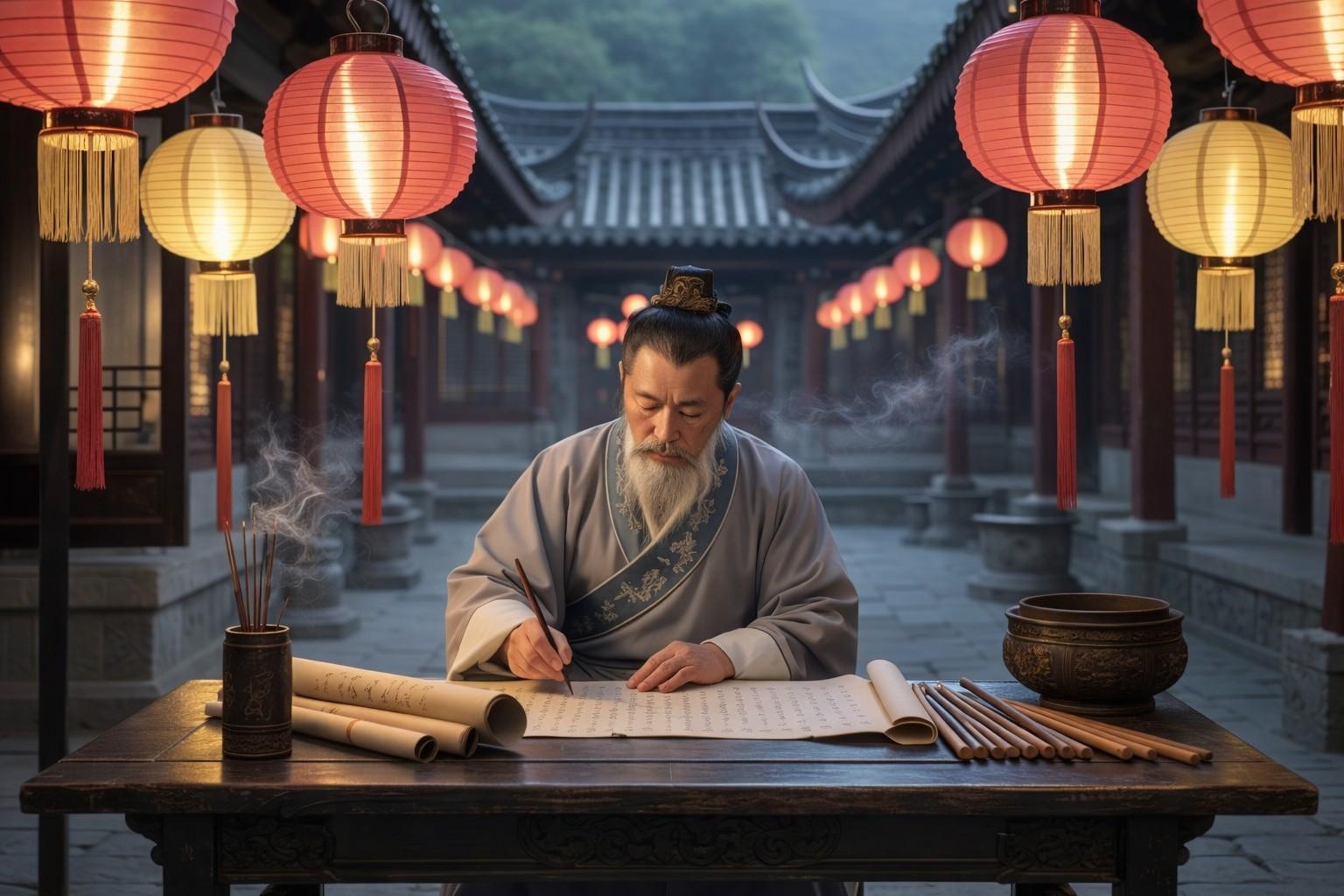
Origin and History of the Lantern Festival
The Lantern Festival history goes back more than 2,000 years, making it one of the oldest traditional festivals in China. Its origins are commonly traced to the Han Dynasty, when lantern lighting was closely connected to religious worship, seasonal rituals, and prayers for peace. Early celebrations were simple, often involving the lighting of lanterns to honor deities and ancestors during the first full moon of the lunar year. Over time, these spiritual practices blended with folk customs, turning the festival into a joyful public event. As centuries passed, the Lantern Festival evolved from a quiet ritual into a vibrant celebration filled with light, color, and community spirit, while still preserving its deep cultural roots.
How the Chinese Lantern Festival Began
To understand how the Chinese Lantern Festival began, it helps to look at the mix of beliefs that shaped it. One popular explanation links the festival to Buddhist traditions, where monks lit lanterns to honor Buddha on the fifteenth day of the lunar month. Emperors later encouraged this practice, allowing lanterns to be displayed throughout cities and villages. Another legend suggests the festival began as a way to symbolically light the night sky, bringing blessings and protection for the coming year. As these stories merged, the Chinese Lantern Festival became a nationwide tradition, combining religion, folklore, and social celebration into a single meaningful event that continues to shine brightly today.
When Is the Lantern Festival Celebrated?
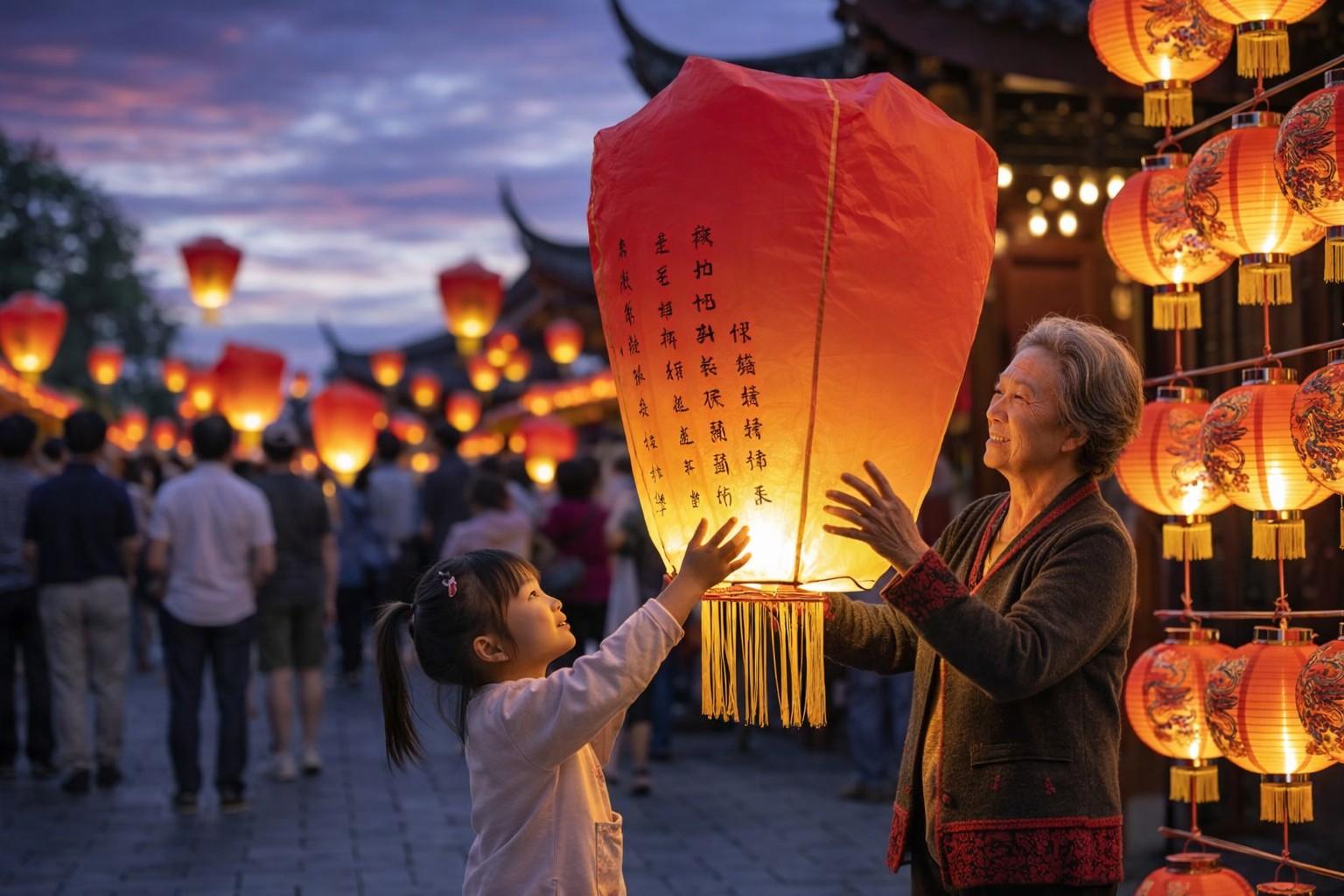
Lantern Festival Date According to the Lunar Calendar
Many people ask when is the Lantern Festival celebrated, and the answer is closely tied to the traditional Chinese lunar calendar. The Lantern Festival takes place on the 15th day of the first lunar month, which is also the first full moon of the new lunar year. Because the lunar calendar changes each year, the exact date of the Lantern Festival varies on the Gregorian calendar, usually falling between late January and late February. This timing is important because it represents a natural turning point — the moment when the new year truly begins under the light of a full moon.
Full Moon and the End of Lunar New Year Celebrations
The full moon plays a central role in explaining when the Lantern Festival is celebrated and why it matters so much. In Chinese culture, a full moon symbolizes completeness, unity, and harmony, making it the perfect symbol to conclude the New Year period. The Lantern Festival is traditionally seen as the official end of Lunar New Year celebrations, bringing weeks of family visits, rituals, and festivities to a joyful close. As lanterns glow beneath the full moon, people reflect on togetherness and look ahead with hope, marking a peaceful transition from celebration to everyday life.
Lantern Festival Traditions and Customs
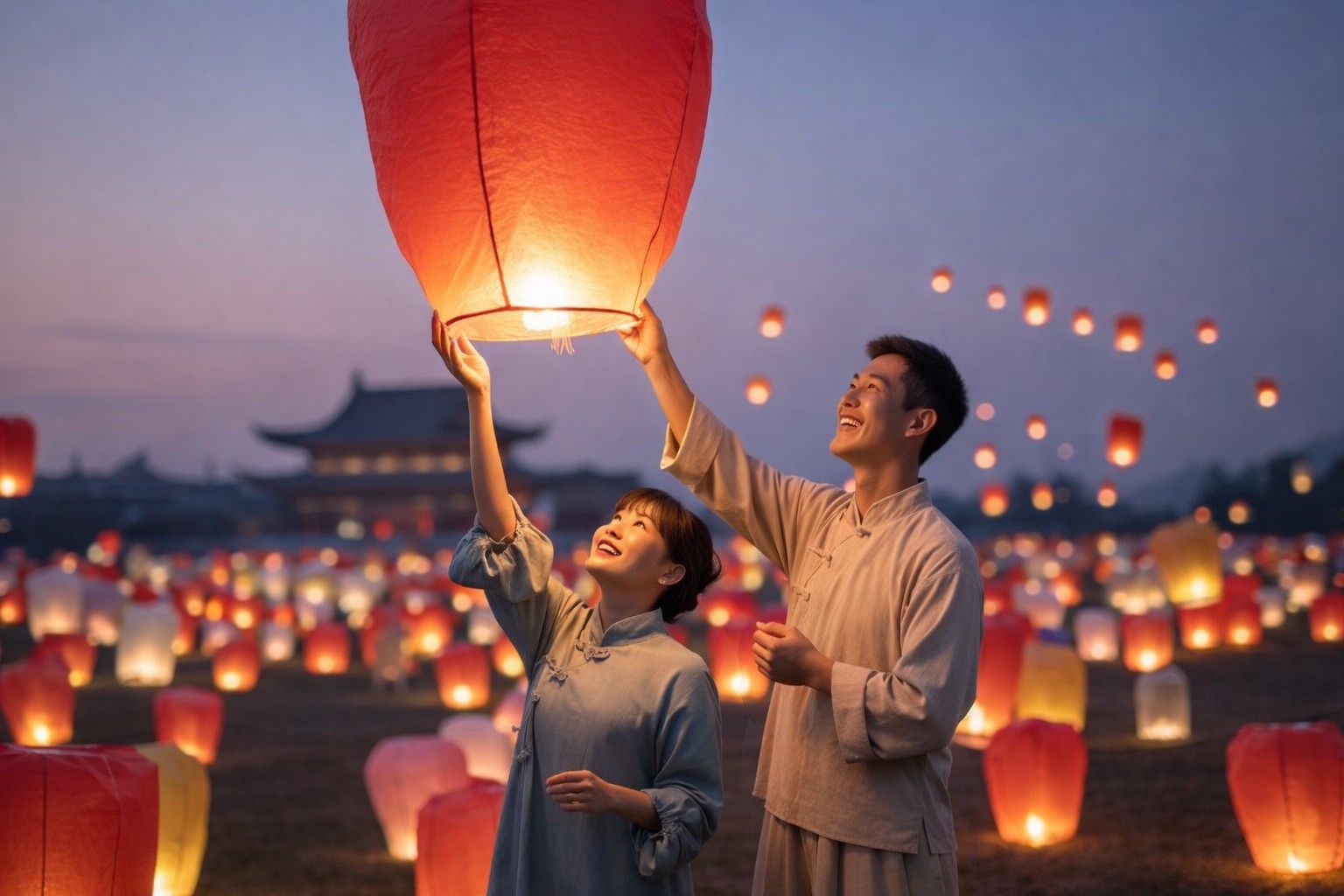
Traditional Lantern Festival Activities
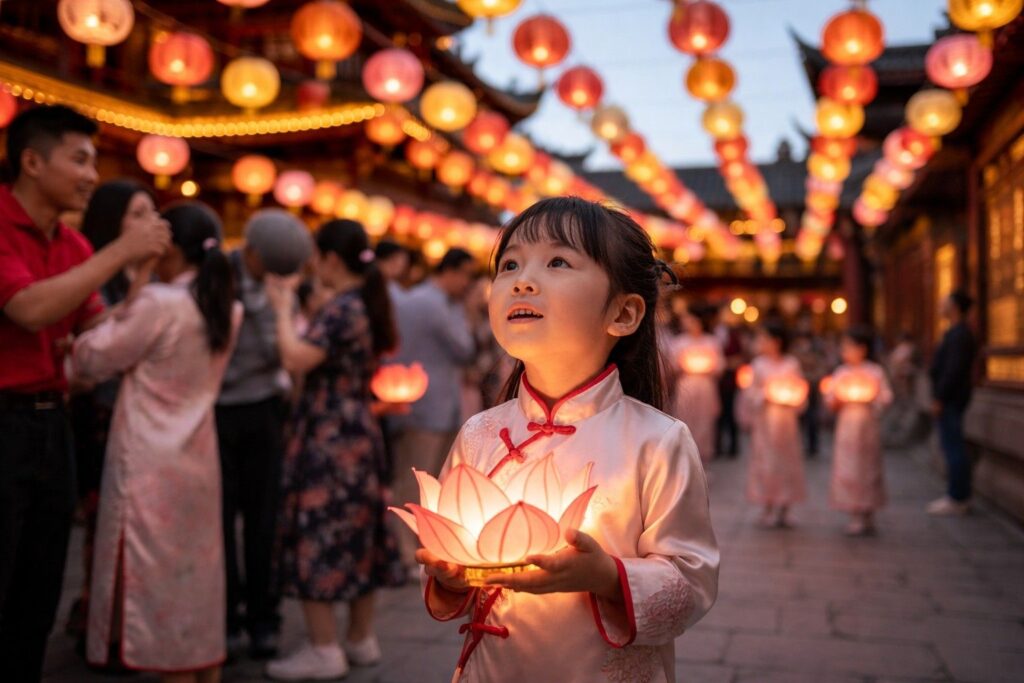
Lantern Festival traditions are all about light, togetherness, and shared joy. One of the most common activities is hanging and carrying colorful lanterns in homes, streets, and public spaces. Families often go out together after dinner to admire lantern displays, turning the night into a relaxed social outing. In many places, temples and parks host community events where people walk beneath glowing lanterns, take photos, and enjoy performances. These traditional Lantern Festival activities are meant to welcome good fortune, celebrate unity, and create a cheerful ending to the Lunar New Year season.
Lantern Riddles, Dragon Dances, and Fireworks
Among the most beloved Lantern Festival traditions are lantern riddles, dragon dances, and fireworks. Lantern riddles are written on slips of paper and attached to lanterns, inviting people to stop, think, and solve them for fun and wisdom. Dragon dances bring energy and excitement to the streets, with performers moving in rhythm to drums to symbolize strength, luck, and prosperity. Fireworks are often used to light up the sky, adding a dramatic and joyful atmosphere to the celebration. Together, these customs show how the Lantern Festival is celebrated through play, movement, and shared excitement, keeping ancient traditions alive in a lively and human way.
Lantern Festival Food and Special Dishes
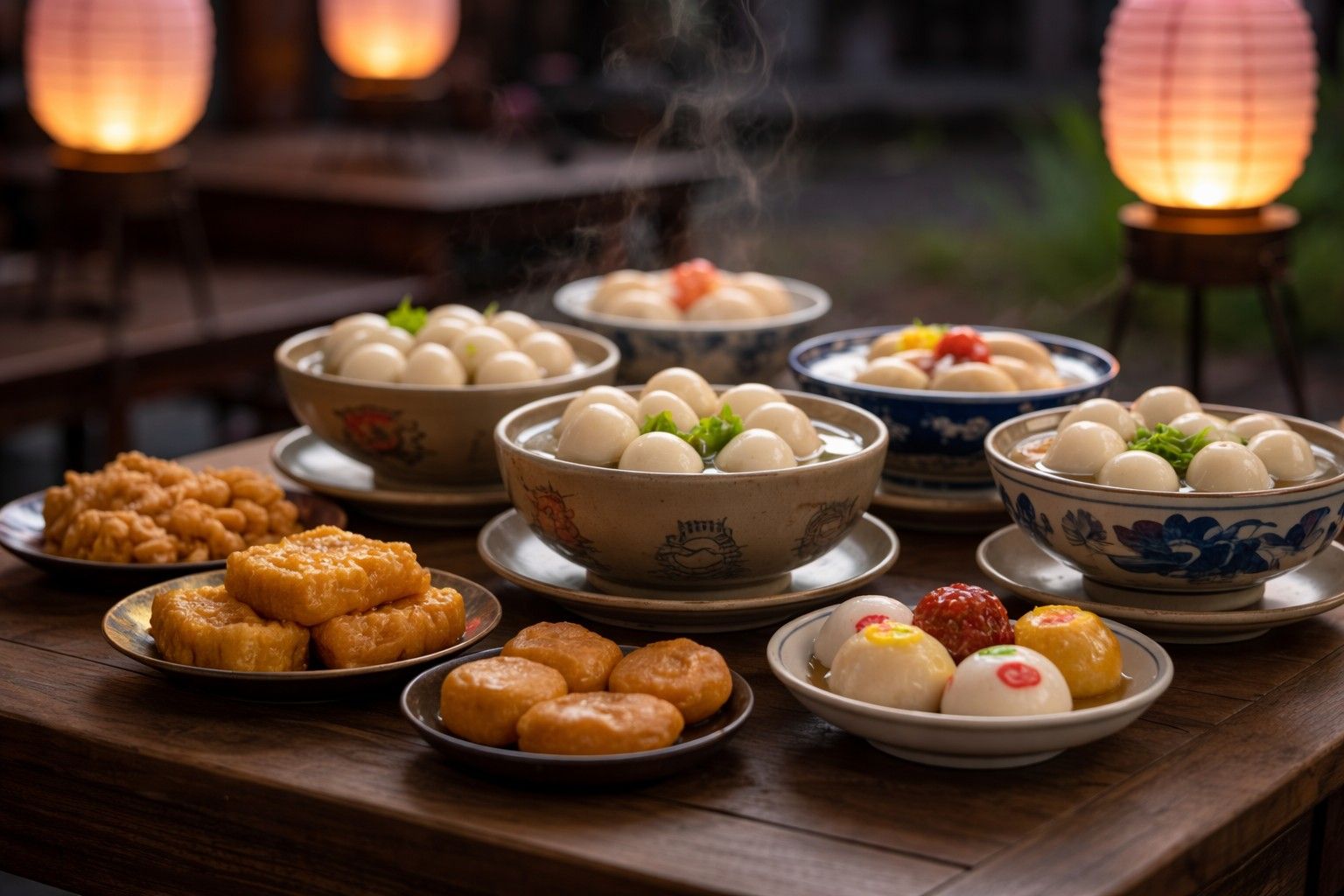
Lantern Festival Food Traditions
Lantern Festival food plays a meaningful role in the celebration, going beyond taste to express cultural values. Food traditions during the festival focus on sharing, warmth, and togetherness, often enjoyed with family on the night of the full moon. Meals are usually simple but symbolic, reflecting hopes for harmony and happiness in the year ahead. Eating together is considered just as important as the food itself, as it reinforces family bonds and marks the joyful close of the Lunar New Year. These Lantern Festival food traditions remind people that celebration is not only about bright lanterns, but also about sitting together and sharing comfort and joy.
Tangyuan – The Most Popular Lantern Festival Food
No discussion of Lantern Festival food is complete without tangyuan, the most popular and symbolic dish of the festival. Tangyuan are soft glutinous rice balls, usually filled with sweet ingredients like sesame paste, red bean, or peanuts, and served in a warm, lightly sweet soup. Their round shape represents completeness, unity, and family reunion, which perfectly matches the spirit of the festival. Eating tangyuan on Lantern Festival night is believed to bring harmony and good fortune, making this simple dish a powerful symbol of love, togetherness, and hope for the year ahead.
How Is the Lantern Festival Celebrated Today?
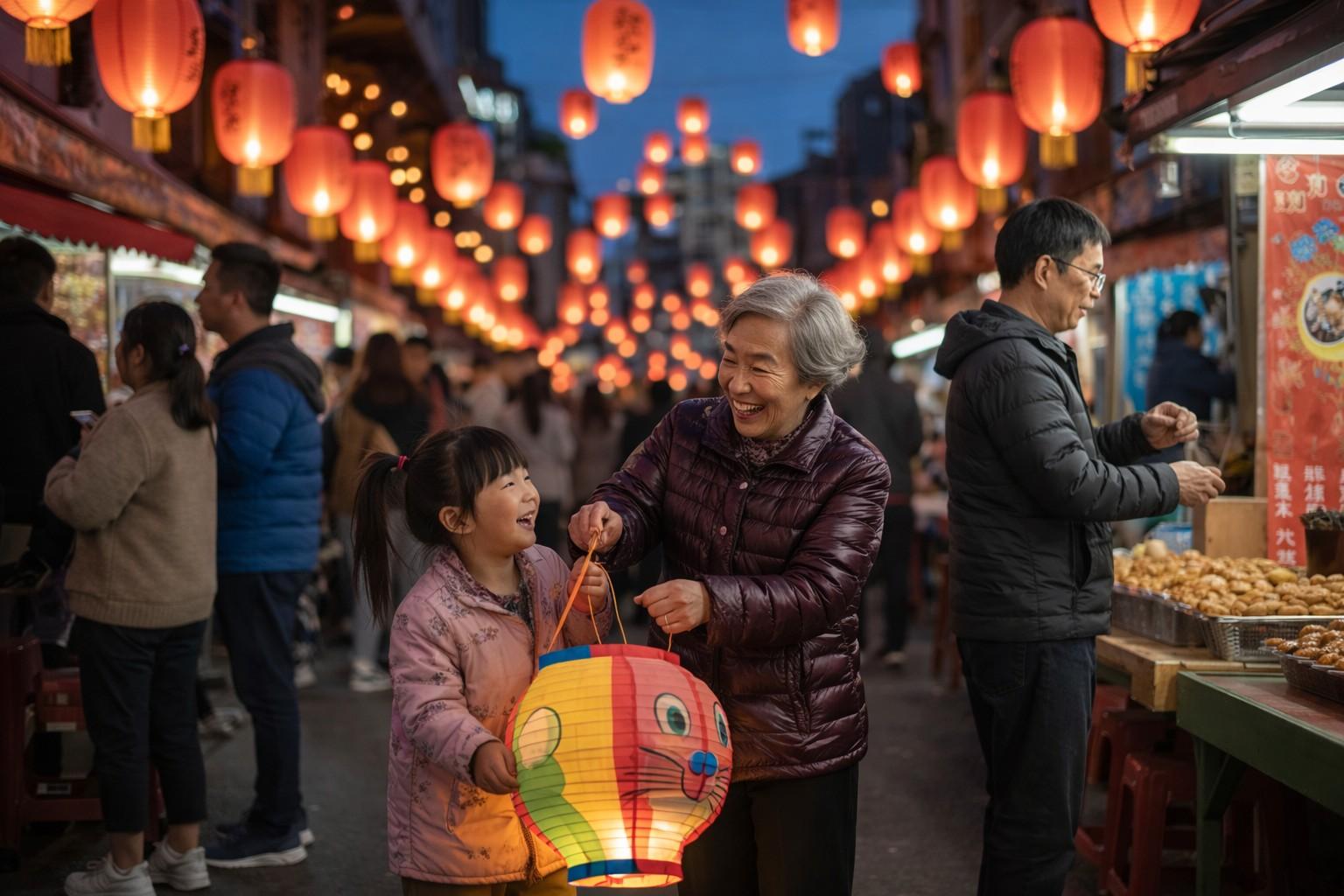
Modern Chinese Lantern Festival Celebrations
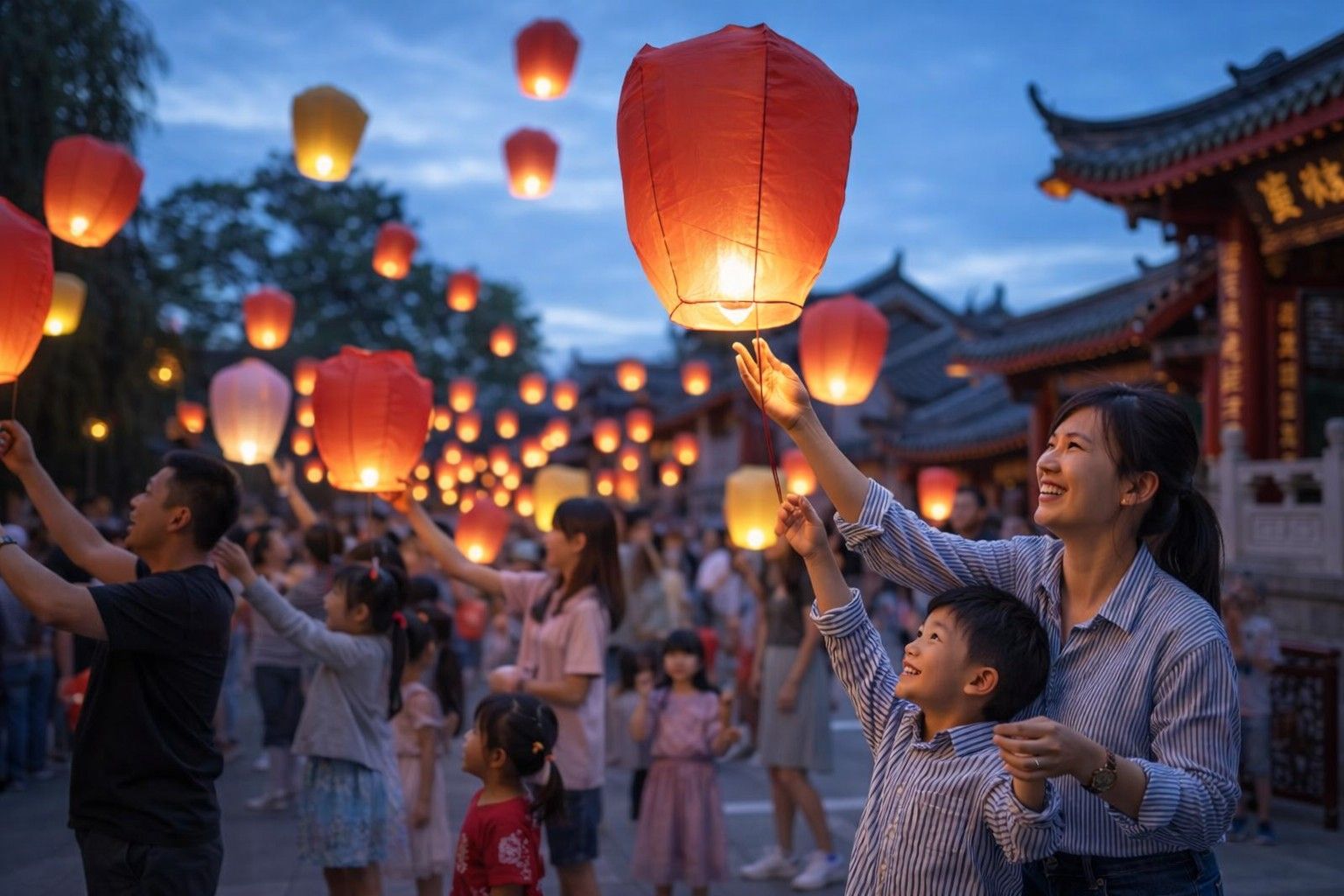
Today, how the Lantern Festival is celebrated in China brings together centuries-old tradition and contemporary public festivities. Cities and towns host large lantern displays in parks and public squares, where people stroll under glowing lanterns of all shapes and sizes — from traditional red lanterns to elaborate themed installations. Lanterns often symbolize letting go of the past year and welcoming hope for the year ahead. Families gather after dinner to enjoy these displays, play games, solve lantern riddles, watch lion and dragon dances, and savor festive treats like tangyuan. This modern celebration still reflects the festival’s roots as a joyful conclusion to the Lunar New Year period, blending community spirit with cultural heritage.
How Is the Lantern Festival Celebrated Around the World?
Outside China, how the Lantern Festival is celebrated around the world varies widely, but the spirit remains the same: celebration of light, unity, and cultural sharing. In countries with large Chinese communities — including Malaysia, Indonesia, Canada, the United States, and the United Kingdom — lantern shows, cultural performances, parades, and food festivals bring people together to honor the tradition. Some events focus on artistic lantern exhibitions and community fairs, while others include lantern-making workshops and cultural showcases of music and dance. These global celebrations highlight the international appeal of the Chinese Lantern Festival, inviting people from diverse backgrounds to participate in its luminous and festive atmosphere.
Frequently Asked Questions About the Lantern Festival
What Is the Lantern Festival?
The Lantern Festival — known in Chinese as Yuanxiao Jie — is a beloved traditional celebration that marks the first full moon of the lunar new year and the close of the Chinese New Year period. On this night, families and communities light and display lanterns, solve riddles written on them, and enjoy colorful festivities together. The glowing lanterns symbolize hope, renewal, and the brightness of the year ahead, giving people a joyful way to celebrate family unity and cultural heritage.
Why Is the Lantern Festival Celebrated?
People celebrate the Lantern Festival for both cultural and symbolic reasons. Historically, it represented the end of the Chinese New Year celebrations and offered a moment to pray for peace, prosperity, and good fortune. Lighting lanterns was originally connected to honoring ancestral spirits and inviting blessings. Over centuries, the festival evolved into a joyous public event that celebrates family reunion, harmony, and the light of the first full moon, expressing hope for a bright and successful year ahead.
When Is the Lantern Festival Celebrated?
The Lantern Festival is celebrated on the 15th day of the first month of the Chinese lunar calendar, which is the night of the first full moon after Chinese New Year. Because the lunar calendar shifts each year, the festival usually falls between late January and early March on the Gregorian calendar. This timing gives the Lantern Festival its special place as the celebratory finale to weeks of New Year observances and family gatherings.
What Food Is Eaten During the Lantern Festival?
Lantern Festival food reflects both tradition and symbolism. The most iconic dish of the night is tangyuan (also called yuanxiao), sweet glutinous rice balls served in warm syrup or broth. Because of their round shape, these rice balls represent family unity, completeness, and togetherness, making them perfect for a festival centered on reunion and harmony. Many families enjoy tangyuan together as part of the celebration, reinforcing cultural bonds through shared food.
How Is the Lantern Festival Celebrated in Modern Times?
How the Lantern Festival is celebrated in modern times blends ancient customs with lively public events. In China, people attend lantern displays in parks and city centers, enjoy dragon and lion dances, and gather for community activities under the glow of colorful lanterns. Lantern riddles, performances, and festive foods like tangyuan remain central to the celebration. Beyond China, cities around the world with Chinese communities also host lantern festivals, cultural performances, and public gatherings that bring people together to enjoy light displays and shared traditions, keeping the spirit of the festival alive in diverse settings.
If you want to learn more about world’s festivals, you can explore here.dionfest