Holi is a vibrant Hindu festival of colors celebrated across India to mark the arrival of spring and the victory of good over evil. Known as the Festival of Colors, Holi is deeply rooted in Indian culture, history, and mythology, especially the story of Prahlad and Holika. The festival begins with Holika Dahan and continues with joyful celebrations where people play with colors, share sweets, and come together in harmony. Beyond its colorful appearance, Holi symbolizes renewal, forgiveness, unity, and positive energy, making it one of the most meaningful and widely celebrated festivals in India.
What is Holi and why is it celebrated
 What is Holi and why is it celebrated?
Holi is a Hindu festival of colors celebrated in India to welcome the arrival of spring and to mark the victory of good over evil. The festival is rooted in Hindu mythology, especially the story of Prahlad and Holika, which highlights the power of devotion and righteousness. Holi is also a social festival that encourages people to forget past conflicts, forgive one another, and celebrate together with joy, colors, and positivity.
Holi festival meaning and celebration
Holi festival meaning and celebration are deeply connected to renewal, happiness, and unity. The festival begins with Holika Dahan, symbolizing the destruction of negativity, followed by Rangwali Holi, where people celebrate by playing with colors, singing, dancing, and sharing traditional sweets. Holi represents a fresh start, spreading love and strengthening social bonds.
Why do people play colors on Holi
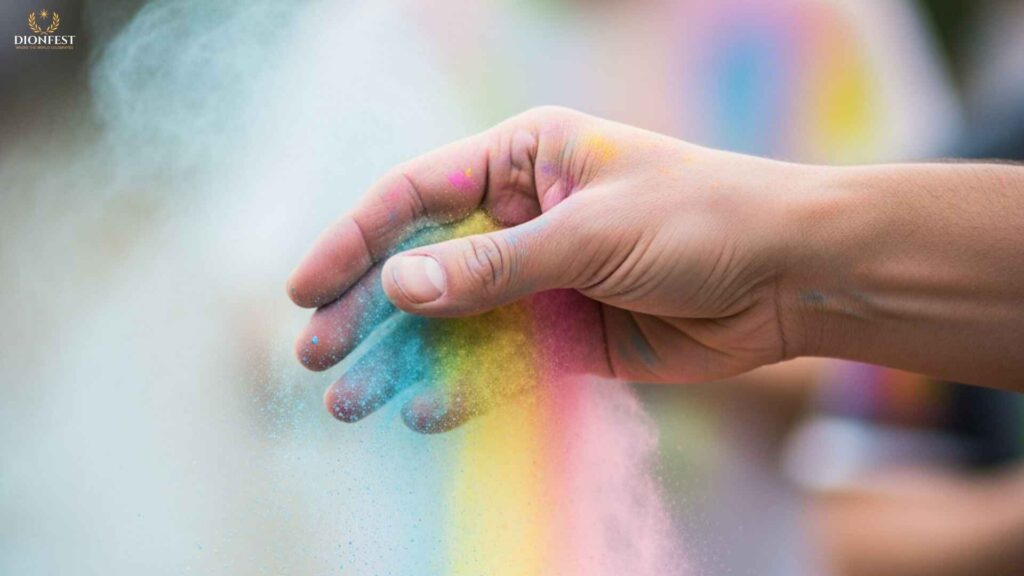
People play colors on Holi to express joy, equality, and the vibrant spirit of spring. The tradition is inspired by stories of Lord Krishna playfully using colors with Radha and others. Playing with colors removes social differences, brings people together, and makes Holi a joyful and inclusive celebration for everyone.
Holi festival history and significance
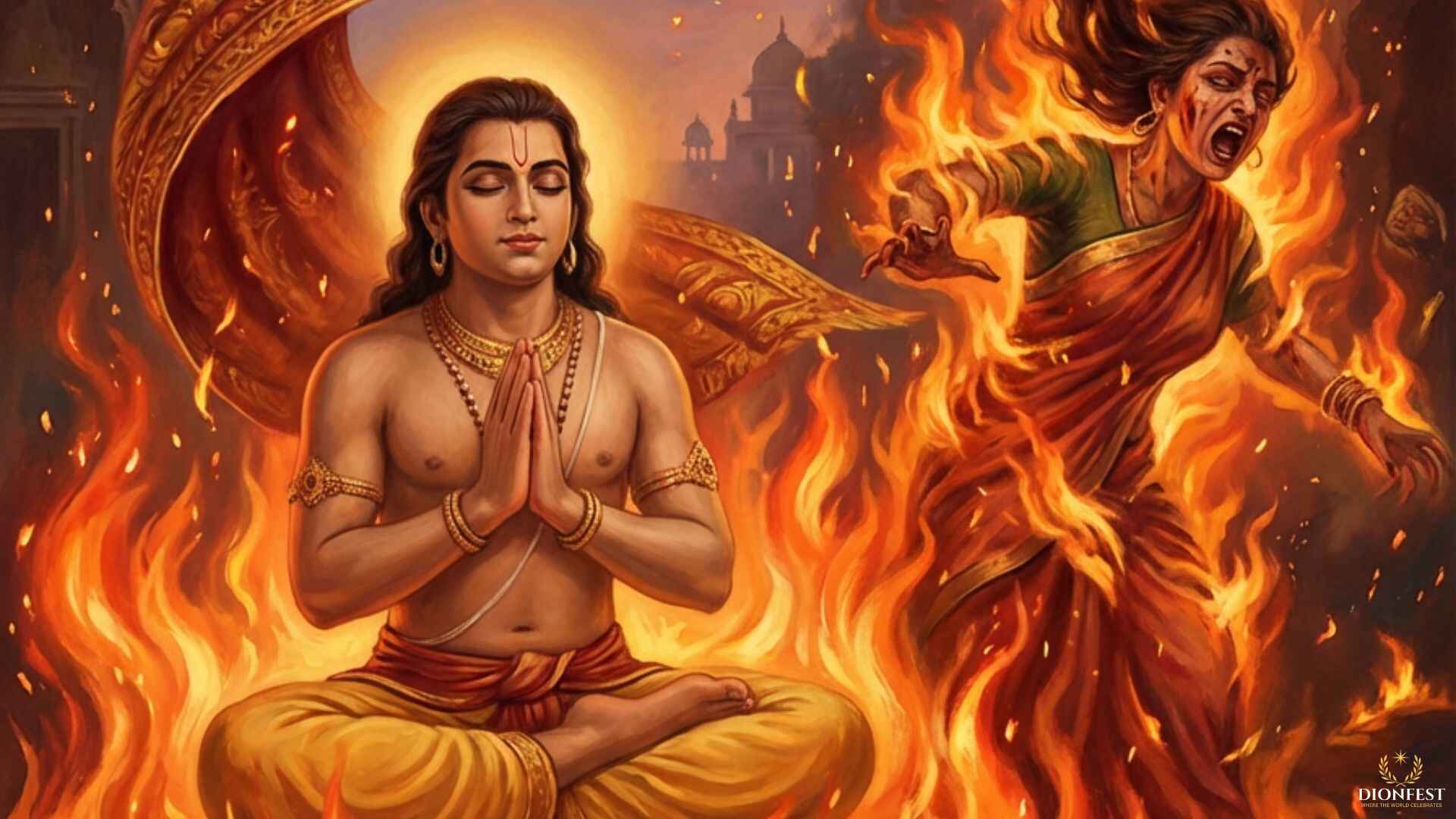 Holi festival history and significance are deeply rooted in ancient Indian traditions and Hindu mythology. Holi has been celebrated for centuries as a symbol of the victory of good over evil and the arrival of spring. Historically, the festival marks a seasonal transition from winter to harvest time, making it both a cultural and agricultural celebration. Over time, Holi also became a social festival that promotes unity, forgiveness, and togetherness. Its significance lies not only in religious beliefs but also in its message of harmony, renewal, and positive energy, which is why Holi is celebrated with great enthusiasm across India.
Story behind Holi festival (Holika Dahan)
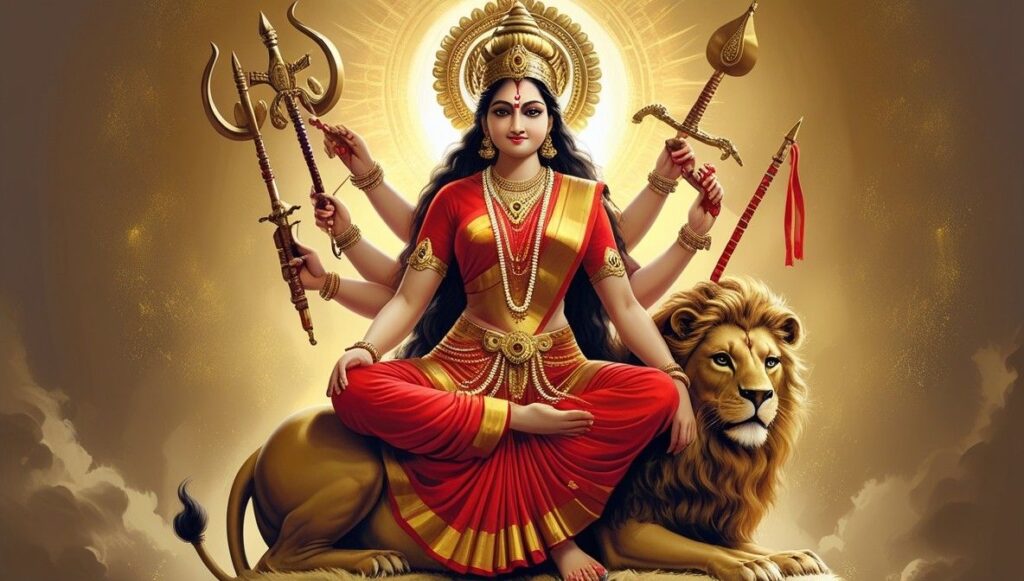
The story behind Holi festival (Holika Dahan) comes from Hindu mythology and centers around Prahlad, a devoted follower of Lord Vishnu. Prahlad’s father, King Hiranyakashipu, wanted everyone to worship him instead of God. When Prahlad refused, the king tried to kill him with the help of his sister Holika, who had a special boon that made her immune to fire. However, due to divine intervention, Prahlad was saved and Holika was burned instead. This story forms the foundation of Holika Dahan and teaches that truth and devotion always triumph over evil.
What is Holika Dahan and its significance
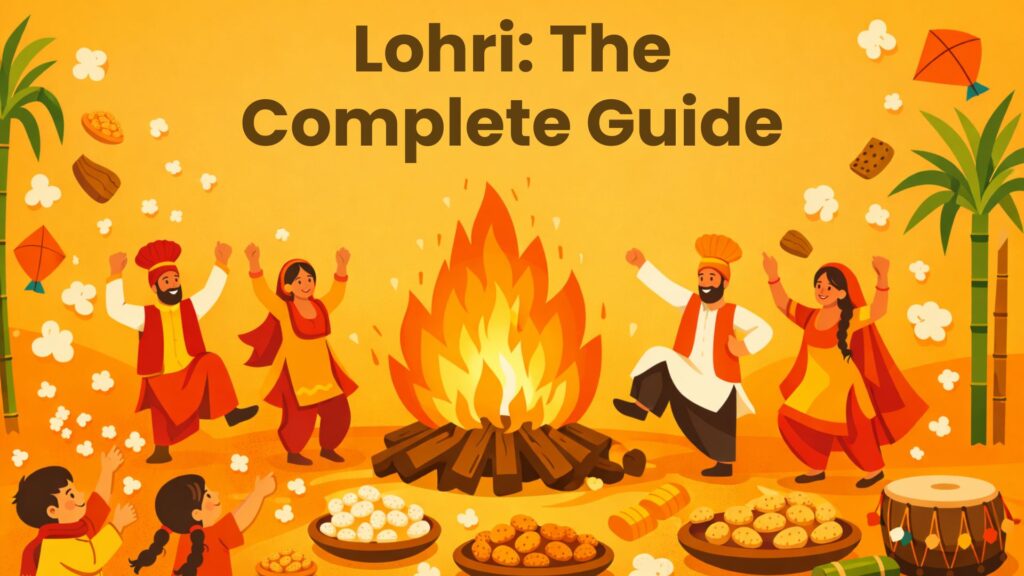
Holika Dahan and its significance lie in its powerful spiritual message. Holika Dahan is a ritual performed on the night before Holi, where a bonfire is lit to symbolize the burning of evil, negativity, and arrogance. People gather around the fire, perform prayers, and seek blessings for happiness and protection. The ritual reminds believers that ego and injustice cannot survive against faith and righteousness. Holika Dahan also represents inner purification, encouraging people to let go of negativity and begin Holi with a fresh and positive mindset.
When is Holi celebrated in India
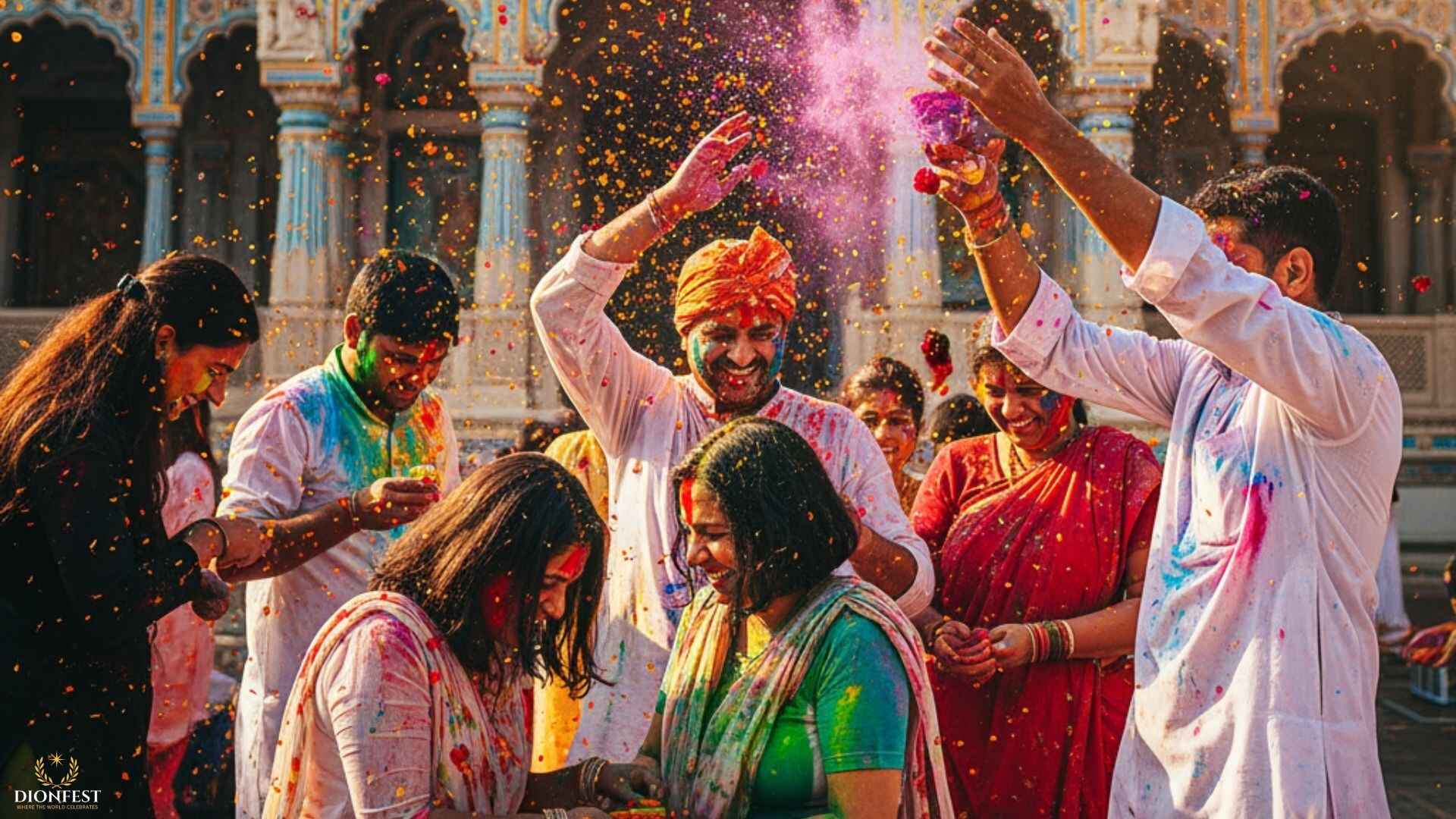 When is Holi celebrated in India is a common question because the festival date changes every year. Holi is celebrated on the full moon day (Purnima) of the Hindu month Phalguna, which usually falls in February or March according to the Gregorian calendar. The festival begins with Holika Dahan on the night before the main celebration, followed by Rangwali Holi the next day. Since Holi is based on the lunar calendar, its date varies annually, but it always marks the arrival of spring and the end of winter in India.
How long does Holi festival last
How long does Holi festival last depends on local traditions, but it is generally celebrated over two days. The first day is Holika Dahan, when people light bonfires to symbolize the victory of good over evil. The second day is Rangwali Holi, when people play with colors, water, music, and sweets. In some regions, celebrations may continue for three to five days with cultural programs, temple rituals, and community gatherings. Despite regional variations, the core Holi celebrations usually last for two main days across India.
Holi celebration timing in different regions of India
Holi celebration timing in different regions of India varies due to cultural and regional traditions. In North India, Holi is usually celebrated with Holika Dahan followed by a full day of color play. In places like Mathura and Vrindavan, Holi celebrations can last for more than a week with special events. In West Bengal, Holi is observed as Dol Jatra or Basanta Utsav. Southern states celebrate Holi more modestly, while eastern regions combine religious rituals with cultural performances. These regional differences make Holi a diverse and vibrant festival across India.
How is Holi celebrated in India
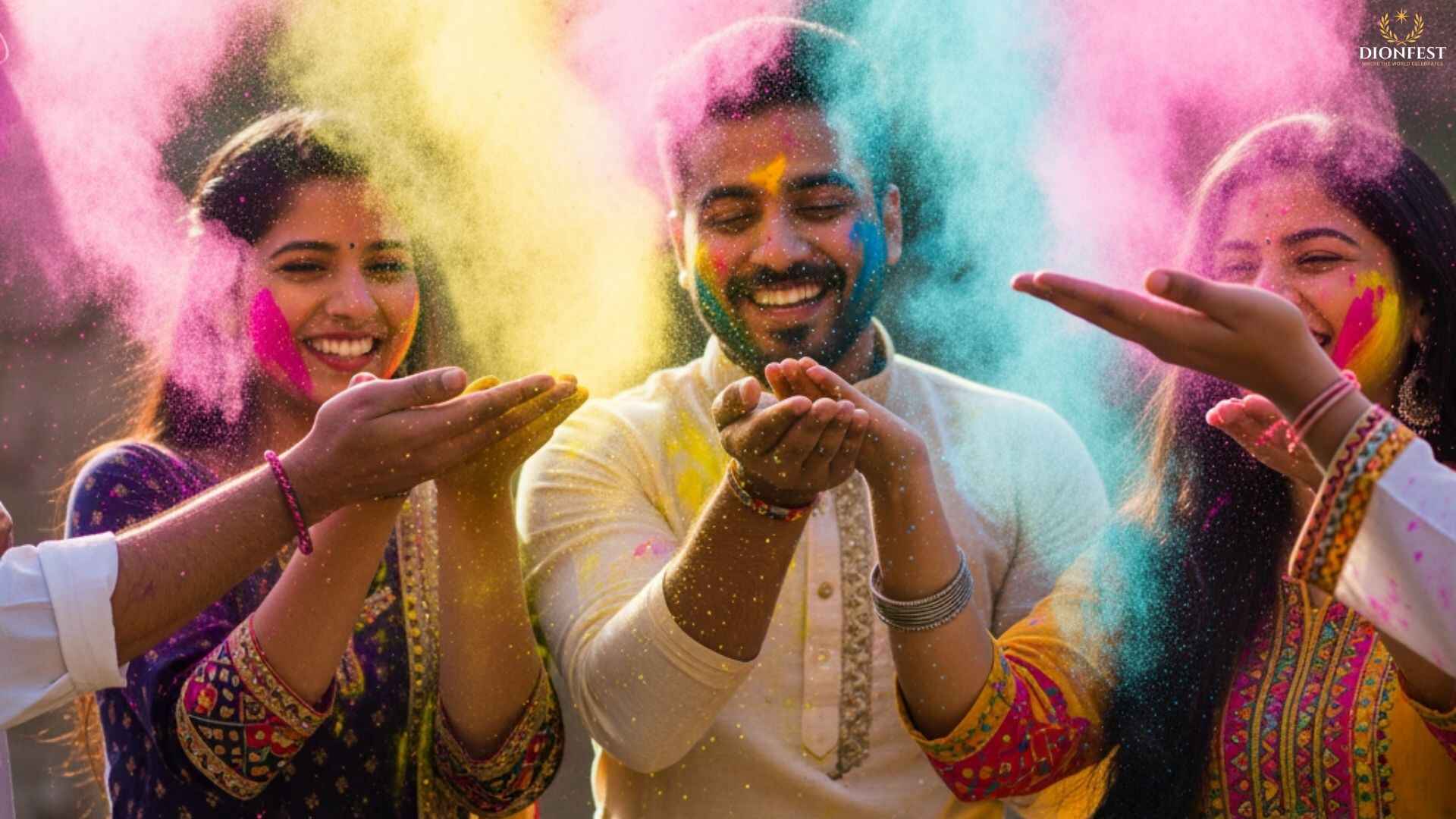
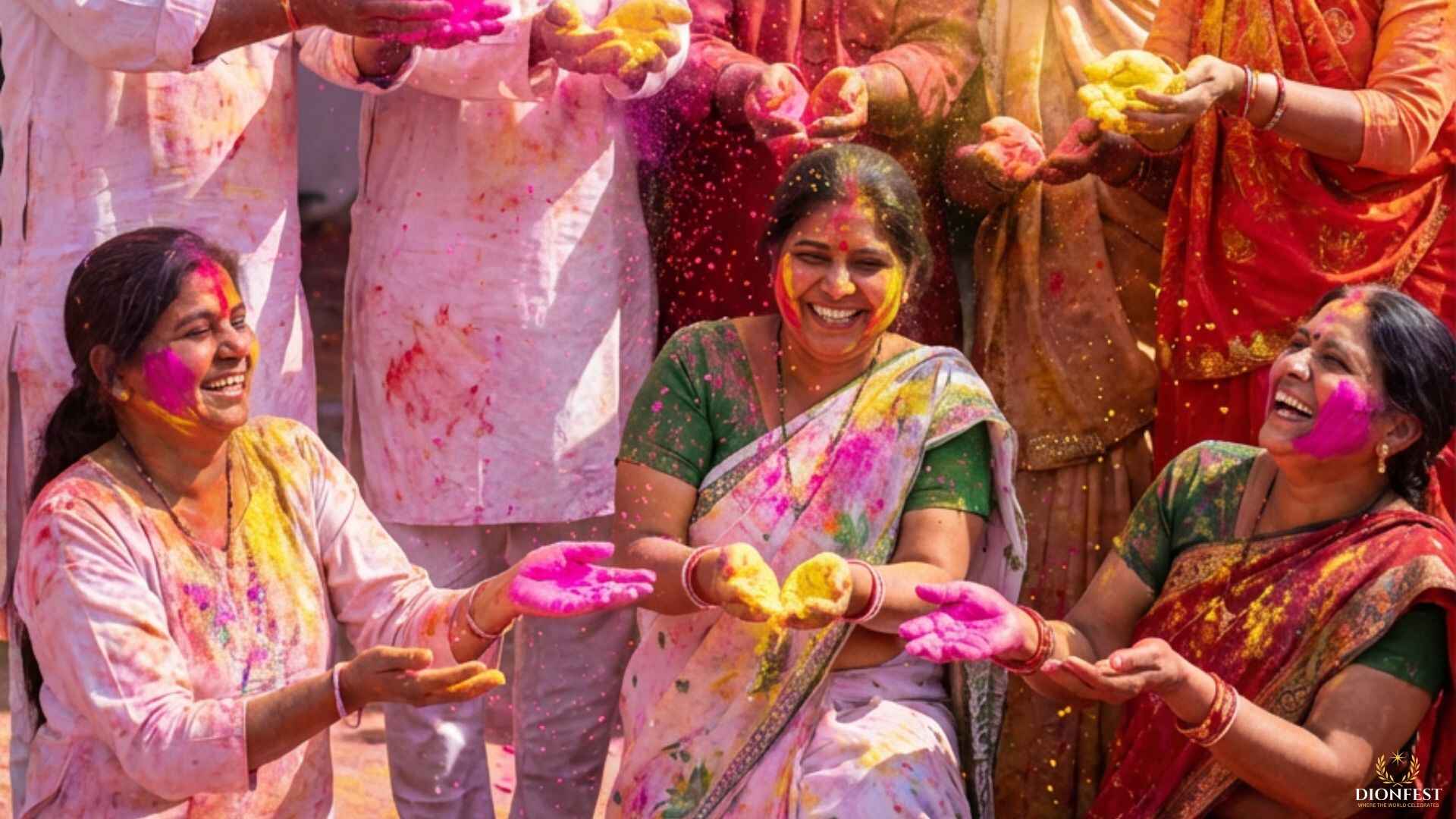 How is Holi celebrated in India involves a mix of religious rituals, cultural traditions, and joyful social activities. The celebration starts with Holika Dahan, where people gather around a bonfire to perform prayers and symbolize the removal of negativity. The next day, known as Rangwali Holi, people come together to play with colors, splash water, sing, dance, and enjoy festive foods. Families, friends, and even strangers greet each other with colors, making Holi a festival of unity. The celebration reflects happiness, forgiveness, and community bonding across India.
Holi festival rituals and traditions
Holi festival rituals and traditions vary by region but share common spiritual meaning. The main ritual, Holika Dahan, represents the victory of good over evil. On Rangwali Holi, people apply gulal, exchange greetings, and visit friends and relatives. Traditional foods like gujiya, malpua, and thandai are prepared during the festival. In some areas, temples conduct special prayers and cultural programs. These rituals strengthen family bonds and preserve the cultural heritage of Holi, making it both a religious and social celebration.
Holi festival importance in Hindu culture
Holi festival importance in Hindu culture lies in its spiritual, social, and moral values. Holi teaches the lesson of faith, devotion, and the triumph of righteousness through stories like Prahlad and Holika. The festival also encourages equality, as people of all backgrounds celebrate together without social barriers. In Hindu culture, Holi marks a time of renewal, forgiveness, and positive energy. By celebrating Holi, people reconnect with traditions, strengthen relationships, and embrace harmony and togetherness.
Importance of Holi festival in Hindu culture
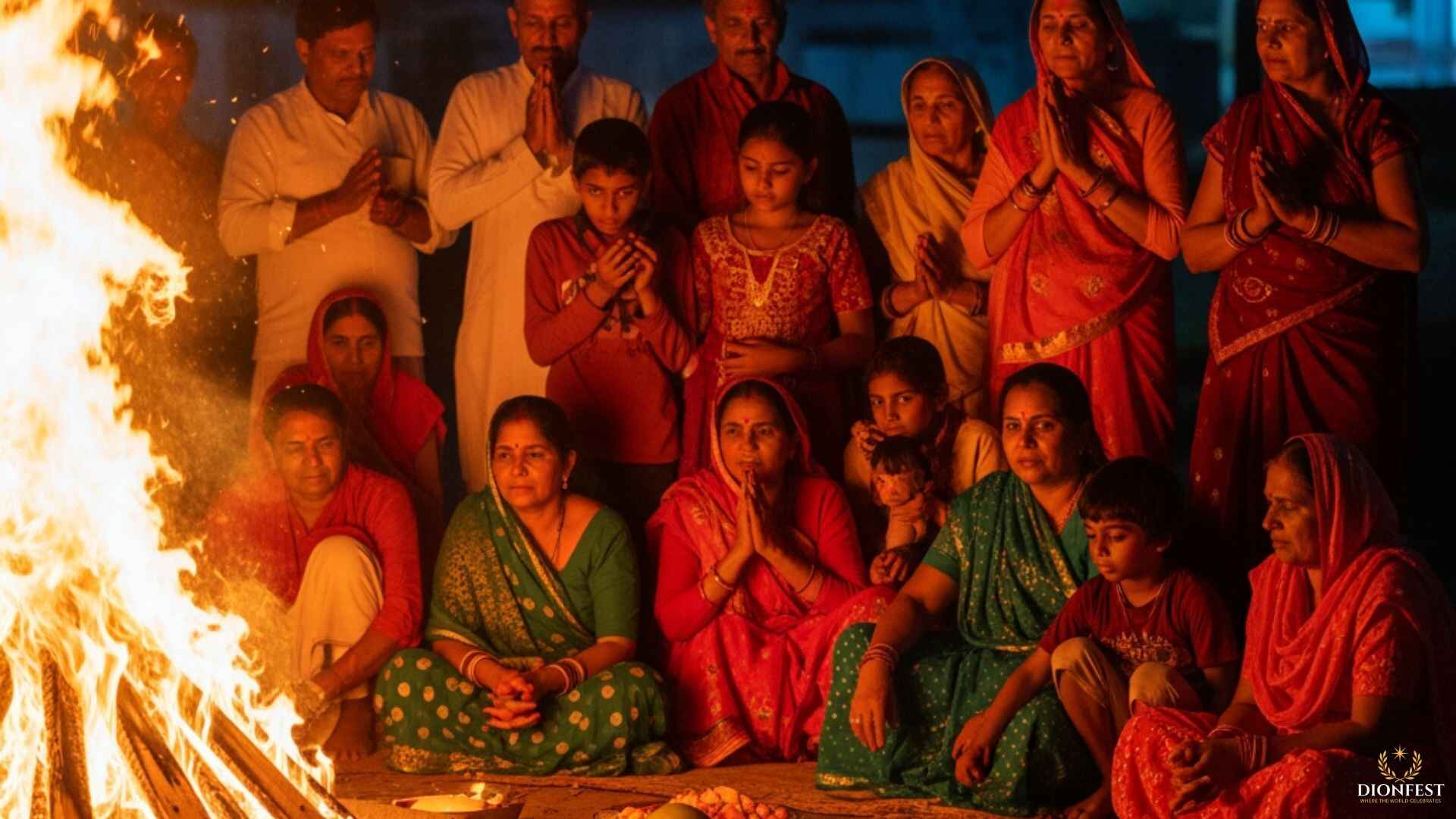 Importance of Holi festival in Hindu culture is rooted in its spiritual teachings, social values, and seasonal meaning. Holi is more than a festival of colors; it reflects core Hindu beliefs such as the victory of good over evil, devotion to God, and the importance of harmony in society. The festival encourages people to cleanse their minds of negativity and begin anew. Through rituals like Holika Dahan and joyful celebrations, Holi strengthens cultural identity and keeps ancient traditions alive while promoting positive values across generations.
Spiritual and cultural significance of Holi
Spiritual and cultural significance of Holi lies in its deep moral lessons and symbolic practices. Spiritually, Holi represents inner purification, faith, and surrender to righteousness, as shown in the story of Prahlad. Culturally, it marks the arrival of spring and is celebrated with music, dance, and traditional foods. The festival connects people to their roots, temples, and customs. By combining devotion with celebration, Holi maintains a balance between spirituality and joy, making it an important part of Hindu cultural life.
Message of unity, love, and harmony in Holi
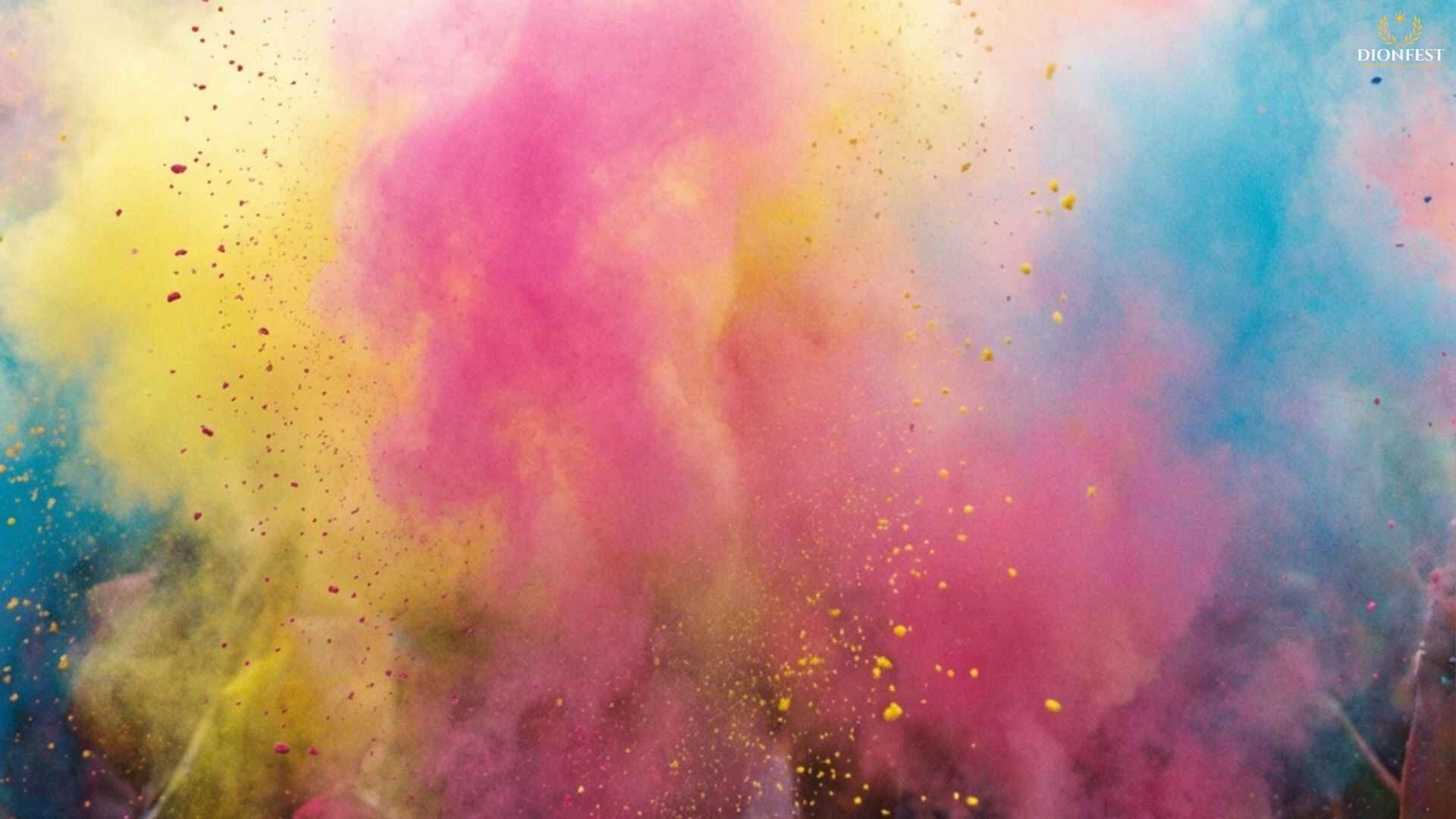 The message of unity, love, and harmony in Holi is one of its strongest values. During Holi, social boundaries of caste, age, and status fade as people celebrate together with colors and laughter. The act of forgiving past differences and reconnecting with others promotes peace and understanding. Holi teaches that happiness grows when shared and that harmony can overcome division. This powerful message makes Holi a festival that not only celebrates tradition but also strengthens human relationships and social unity.
Frequently Asked Questions About Holi Festival (FAQ)
What is Holi and why is it celebrated
What is Holi and why is it celebrated is one of the most common questions about this festival. Holi is a Hindu festival of colors celebrated to mark the arrival of spring and the victory of good over evil. It is associated with the story of Prahlad and Holika, which teaches the importance of devotion and righteousness. Holi is also a social festival that encourages forgiveness, renewal of relationships, and togetherness. By celebrating Holi, people welcome positivity, happiness, and a fresh beginning in life.
Why do people play colors on Holi
People play colors on Holi to express joy, equality, and the spirit of celebration. The tradition symbolizes the vibrant colors of spring and new life. It is also inspired by stories of Lord Krishna, who playfully applied colors to Radha and others. Playing with colors removes social differences, as everyone looks the same under colors, promoting unity and harmony. Over time, this joyful act became the central feature of Holi, making it a fun, inclusive, and energetic festival enjoyed by people of all ages.
What is Holika Dahan
Holika Dahan is a ritual performed on the night before the main Holi celebration. It involves lighting a bonfire to symbolize the burning of evil, negativity, and arrogance. The ritual is based on the mythological story of Prahlad and Holika, where devotion and truth triumphed over cruelty. During Holika Dahan, people offer prayers and seek blessings for protection and happiness. This ritual marks the spiritual beginning of Holi and prepares people to celebrate the festival with a positive and purified mindset.
How is Holi celebrated in India
How is Holi celebrated in India varies by region but follows a common pattern. The festival begins with Holika Dahan, followed by Rangwali Holi, where people play with colors, water, music, and dance. Families prepare traditional sweets and visit friends and relatives to exchange greetings. In some places, cultural programs and temple rituals are organized. Despite regional differences, Holi celebrations across India share the same spirit of joy, unity, and social bonding.
What is the significance of Holi festival
The significance of Holi festival lies in its spiritual, cultural, and social values. Holi symbolizes the victory of good over evil, the importance of faith, and the power of positivity. It also represents renewal, forgiveness, and harmony in relationships. As a seasonal festival, Holi welcomes spring and new beginnings. Beyond religion, Holi promotes unity and equality by bringing people together regardless of background. This deeper meaning makes Holi one of the most meaningful and widely celebrated festivals in India.
If you want to learn more about Indian festivals, you can explore here.dionfest.com