What Is World Music Day-And Why Serious Music Lovers Can’t Afford to Skip It
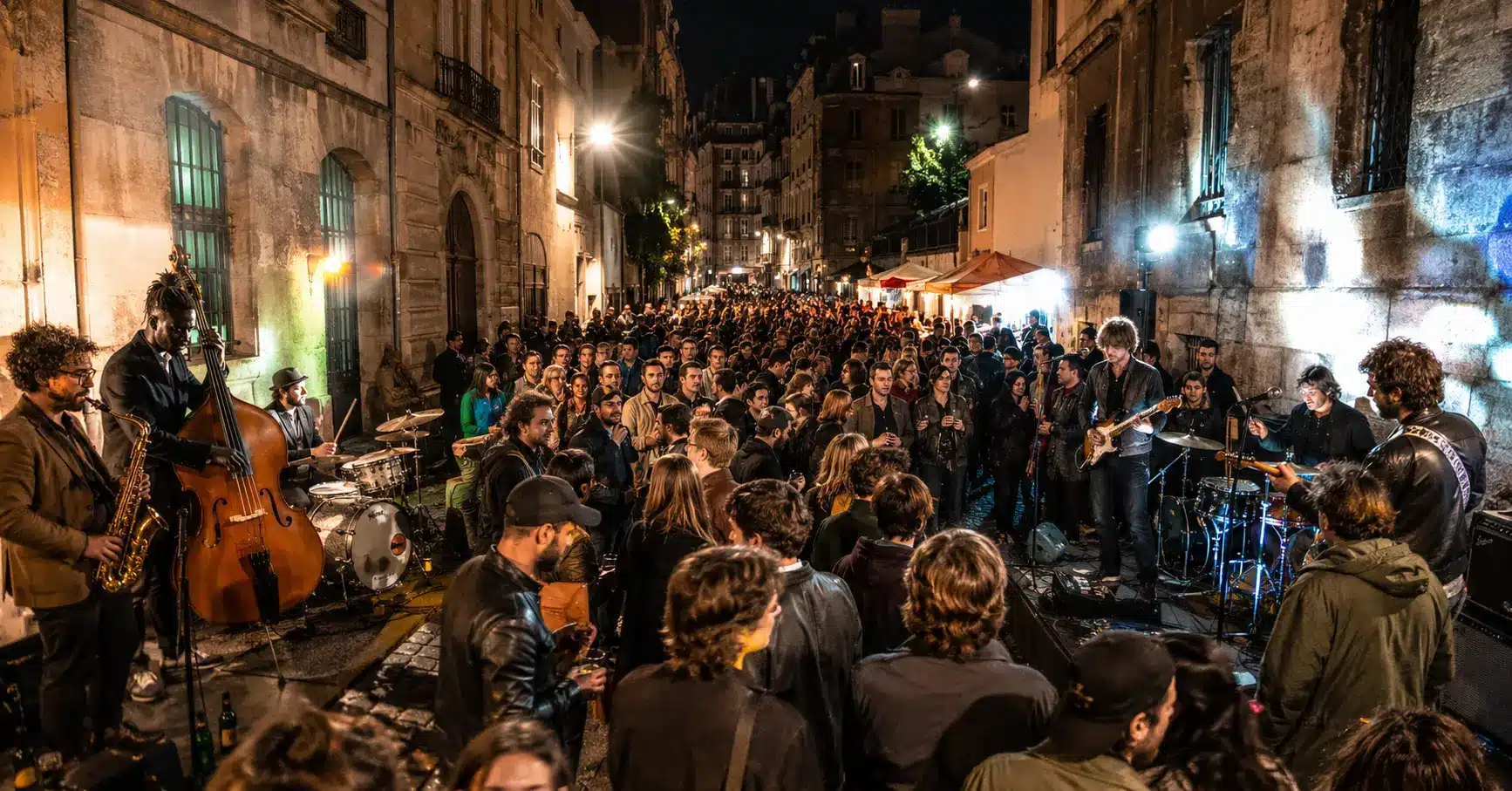
Every June 21st, something unusual happens in cities across the world. Streets that are usually just transit corridors become stages. Strangers hand you a beer and point at a band you’ve never heard of. A saxophone bleeds into a techno kick drum from forty feet away, and nobody apologizes for it.
This is World Music Day Fête de la Musique in French and if you haven’t experienced it yet, you’re missing one of the last truly unfiltered music events on the planet.
What Is World Music Day and Where Did It Come From?
World Music Day started in France in 1982. The French Ministry of Culture, under Jack Lang, turned the summer solstice June 21st into a national celebration of live music. The concept was direct: anyone who wanted to play could play, anywhere, for free. No permits, no stages required, no ticket sales.
The name Fête de la Musique translates loosely to “Festival of Music,” but it also plays on faites de la musique “make music.” That double meaning was deliberate.
Today it’s celebrated in over 120 countries. Berlin, Beirut, Buenos Aires, Bengaluru. Every city puts its own stamp on it, but the original premise holds: music is free, it’s public, and the city is the venue.
What Actually Happens on World Music Day?
Here’s what you won’t get from the Wikipedia entry.
By 10 PM in Paris, the air already smells like sweat, merguez, and churro oil. Standing in one spot, I could feel a techno stage and a jazz quartet fighting for the same forty feet of street the bass hit my ribs while a saxophone tried to cut through it. A rock band had set up right outside a bakery. Strobes bounced off old stone walls. Nobody seemed to think any of this was strange.
That sensory collision is the event. There’s no main stage, no headliner, no schedule you’re supposed to follow. You drift. You stumble into a classical piano set in a courtyard. You walk twenty meters and it’s death metal. The city stops functioning as a city and starts functioning as an instrument.
By midnight the crowd had packed in shoulder-to-shoulder, and my shoes were sticking to the pavement with every step beer, crushed cups, whatever else.
Which Cities Do World Music Day Best?
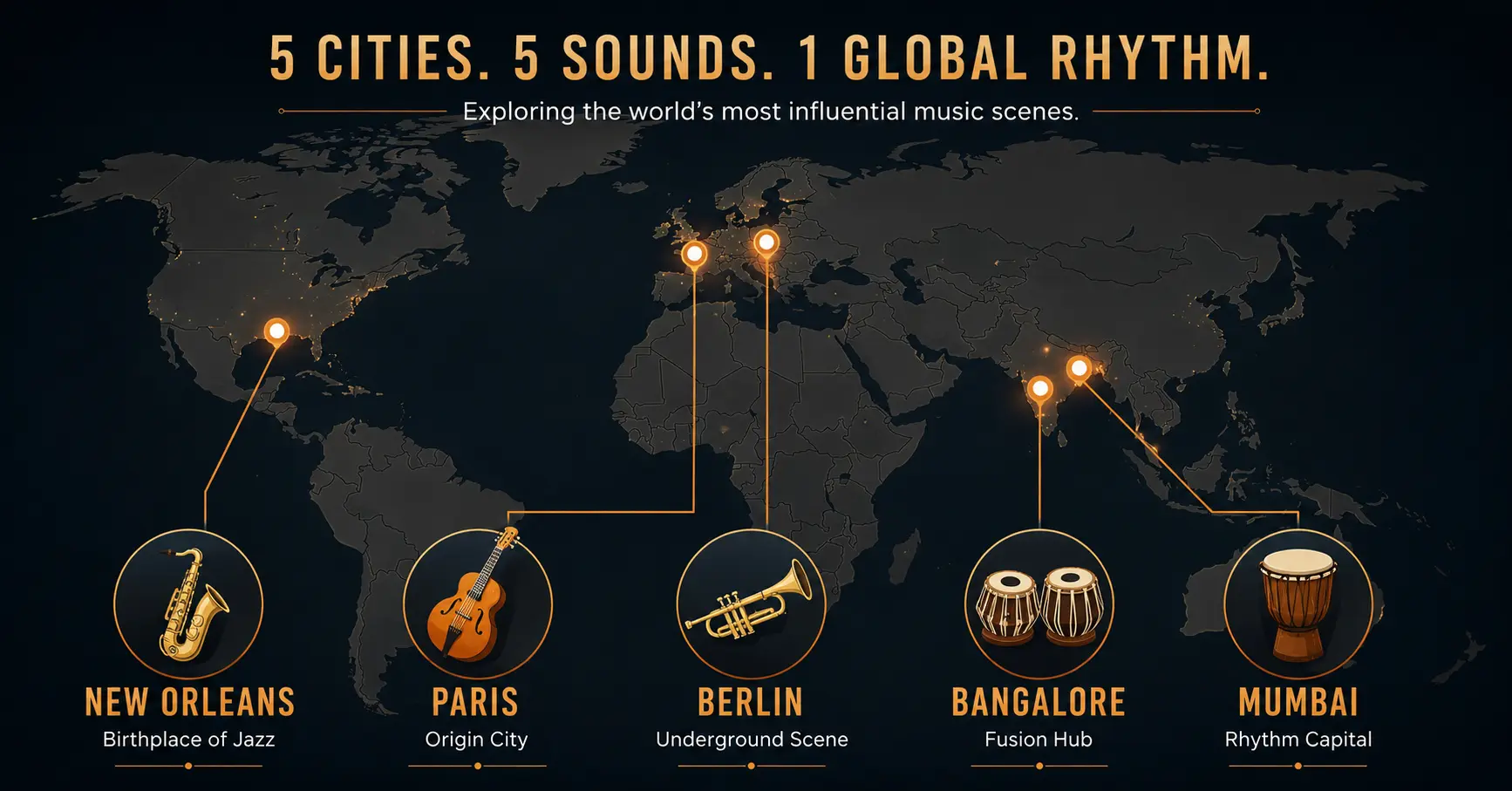 Paris is the origin and still the standard. But where in Paris matters enormously.
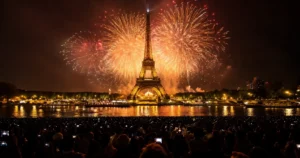
Skip the Louvre, Châtelet, and the Seine banks near the Eiffel Tower. Those spots go viral every year and by afternoon they’re just loud, crowded, and not much fun. Go to Butte-aux-Cailles, Montmartre, or Saint-Germain instead. The difference is immediate neighborhood families, decent amateur bands, people actually talking to each other. Less rave, more block party.
Berlin turns it into something rawer. Courtyards, squats, underground clubs that open their doors for free. The line between Fête de la Musique and a regular Berlin weekend is thin, but the energy is different — more intentional, more communal.
Bangalore and Mumbai have developed serious scenes around June 21st. Independent venues, rooftop gigs, college collectives. Less street-legal chaos than Paris, but a growing culture of local artists using the date as a launchpad.
New Orleans barely needs an excuse, but the city leans in hard on June 21st with second-line parades and jazz brass in every corner.
What Genres and Artists Play World Music Day?
Everything. That’s the only honest answer.
On a single evening in Paris, you can hear:
- West African kora and percussion
- French chanson in a courtyard café
- Hardcore punk in a side street
- Classical string quartets in church squares
- Afrobeat, cumbia, Brazilian baile funk
- DJs running full sets from apartment windows
The festival has no curatorial agenda. There’s no booker deciding what fits the brand. A 17-year-old with an acoustic guitar has as much right to the street as a 40-piece orchestra. That’s either its greatest strength or its only weakness, depending on your tolerance for unpredictability.
Is World Music Day Worth Attending for Professionals?
If you’re a musician, booker, journalist, or label scout yes, specifically because it’s unfiltered.
You’ll hear artists who haven’t been packaged yet. The kid playing original Malian blues on a street corner isn’t doing it because someone told him it would go down well with an audience. He’s doing it because it’s June 21st and he can. That authenticity is hard to find at most festivals, where every act has been pre-approved for demographic fit.
For producers and A&R, World Music Day functions as an enormous open audition that nobody is calling an audition. Bring a decent recording setup or at minimum get a name and a social handle.
similar to what happens at singer-songwriter festivals in the US, the best discovery happens off the main stage.
For music journalists and bloggers Dionfest included the event rewards people who go off-map. The best story is never at the main intersection.
How to Actually Prepare for World Music Day (Practical Guide)
 Most first-timers underestimate the logistics. Here’s what to know before you go.
Food and transport: Restaurants are either packed or have pushed their tables aside to sell drinks to foot traffic. Eat beforehand bread, cheese, street food. Don’t count on an Uber; traffic locks up for hours and major metro stations close when they get too crowded. If you’re landing at the airport on June 21st with luggage, factor that in.
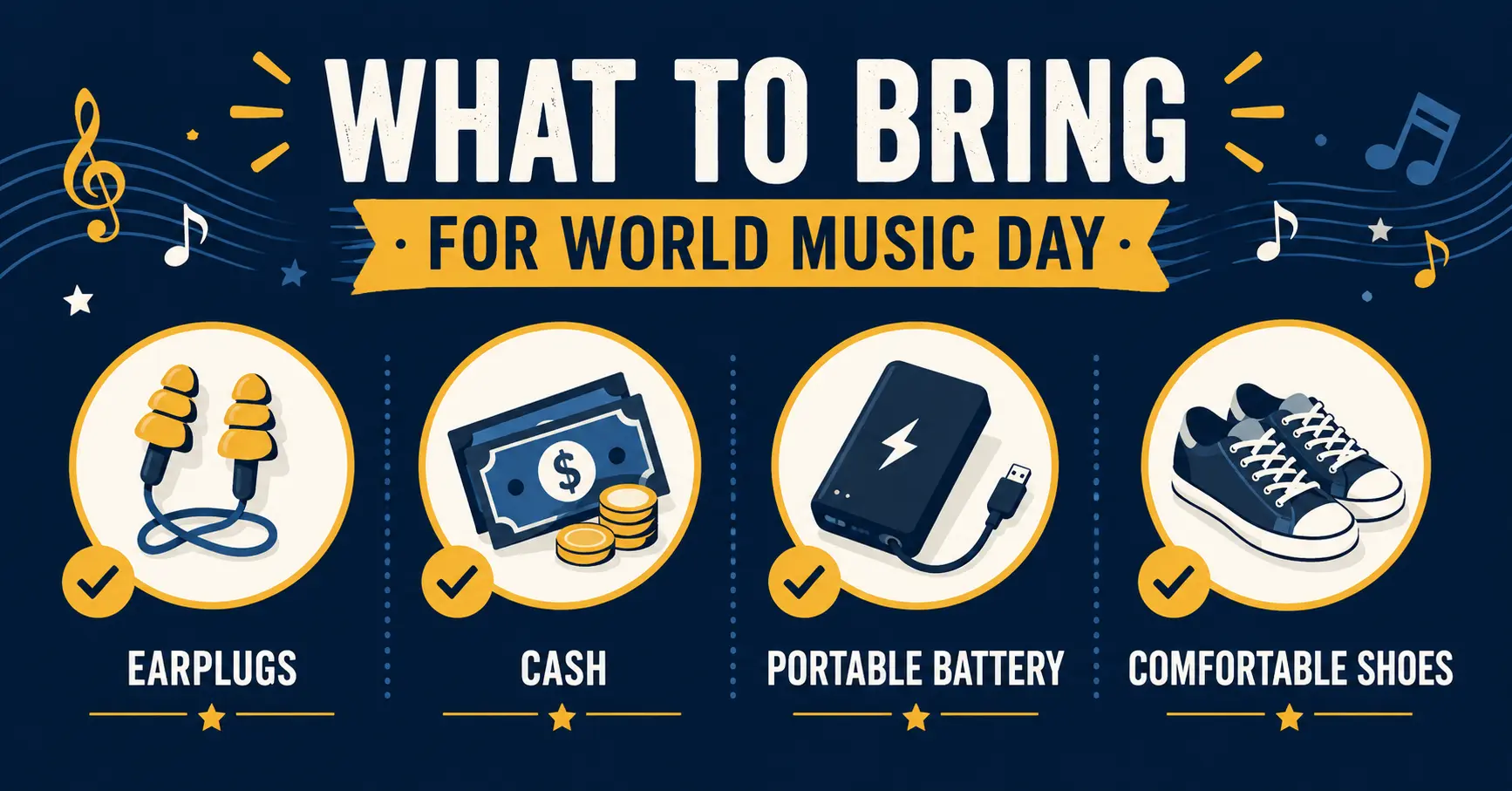
What to bring:
- Comfortable shoes you don’t mind destroying
- Earplugs (yes, even though it’s a music festival you’ll thank yourself at 1 AM)
- Cash. Street vendors and small venues don’t always have card readers
- A portable battery. Your phone will die from maps, photos, and Shazam
What to expect the morning after: The streets smell like stale beer, cannabis, and industrial bleach while crews work through the cleanup. It’s not glamorous. Plan for a slow start on June 22nd.
Why World Music Day Matters Beyond the Party
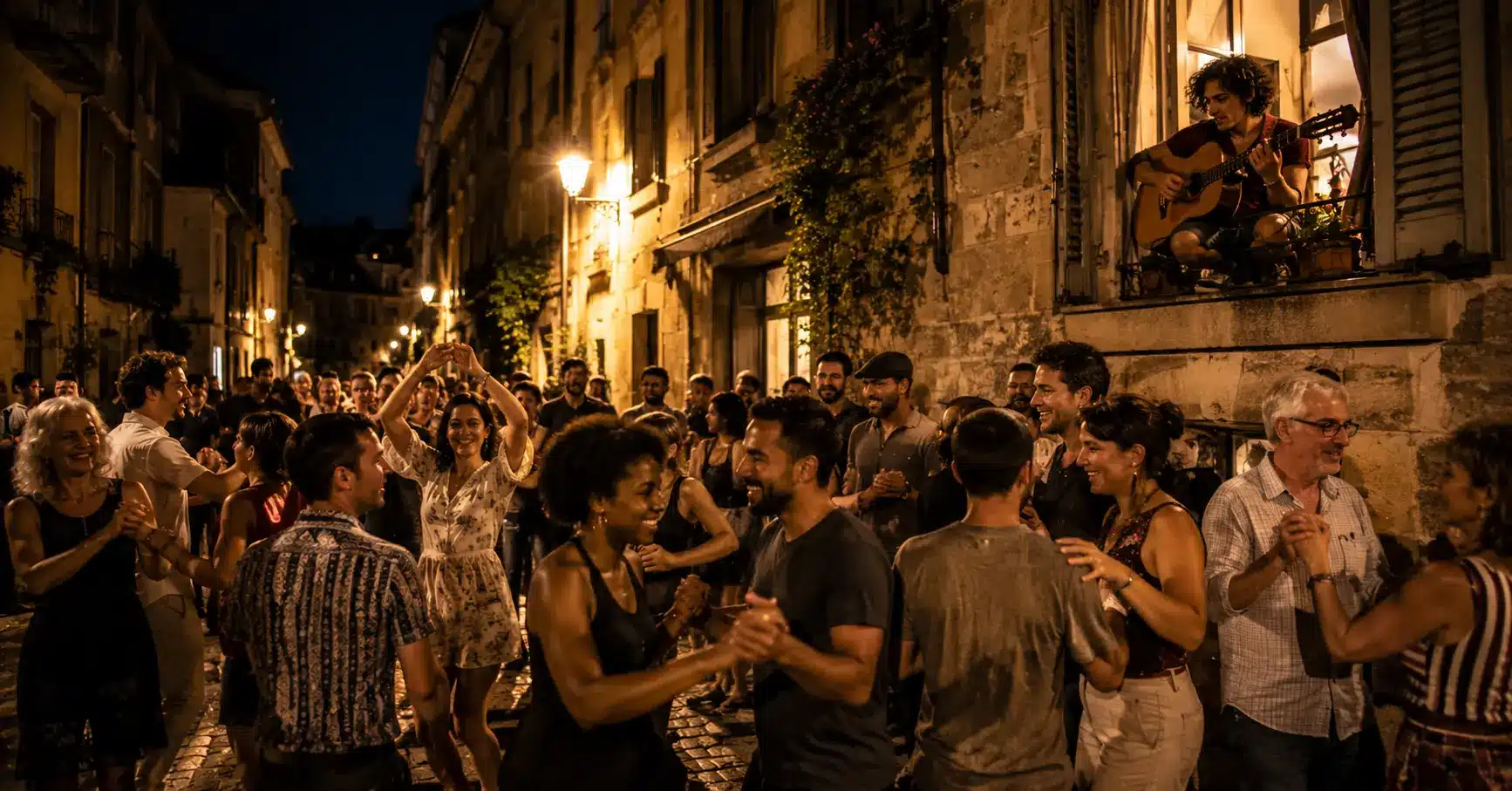 At some point the crowd gets dense enough that you stop choosing where to walk you just go where it takes you. That part is genuinely unsettling for a moment. Then you’re dancing to French hip-hop next to strangers, your shoes wrecked, and it doesn’t feel like a problem anymore.
No tickets, no sponsors, no wristbands. much like the Green Man Festival, one of the few music events that hasn’t gone corporate.
In an era where almost every music experience is intermediated by an app, a streaming algorithm, a presale queue that matters. World Music Day is one of the few occasions where the gap between a musician and a listener is literally nothing. A few feet of cobblestone.
It’s messy and loud and it smells bad by the end, but there’s nothing else quite like it.
How to Celebrate World Music Day if You’re Not in Paris
You don’t need to be in Europe to participate.
- Find your local event: Most major cities now have official or unofficial Fête de la Musique gatherings. Search “[your city] + World Music Day + June 21”
- Host your own: The spirit of the day is that anyone can play anywhere. A backyard, a rooftop, a living room. Invite three people and a guitar.
- Support local independent artists: Stream their music, buy from Bandcamp, show up to a local gig. June 21st is a good occasion to make that a habit.
- Document and share: If you’re attending, write about it, film it, post it. The festival survives on word of mouth.
Quick Facts: World Music Day at a Glance
| Detail | Info |
|---|---|
| Date | June 21st (annually) |
| Origin | France, 1982 |
| Founded by | Jack Lang, French Ministry of Culture |
| Countries participating | 120+ |
| Cost to attend | Free |
| Cost to perform | Free |
| Best city for first-timers | Paris (outer neighborhoods) |
| Worst mistake | Arriving with luggage on June 21st |
Final Word
World Music Day isn’t a curated festival. It’s not optimized for Instagram or designed for a target demographic. It’s a city-wide permission slip to play music in public, and it draws every kind of musician and every kind of listener into the same streets at the same time.
Whether you’re a beginner trying to understand what live music culture actually feels like, or a professional looking for acts that haven’t been filtered through industry gatekeeping yet June 21st is worth planning around.
Put it in the calendar. Leave the luggage at home.

Abhay Ramola researches world festivals across primary sources, local accounts, and on-ground reporting. He founded Dionfest to cover what gets missed when festivals become tourism content the history, the ritual, and the people behind it.