What is World Oceans Day? The Raw Reality and Your Ultimate Guide to Making a Real Impact
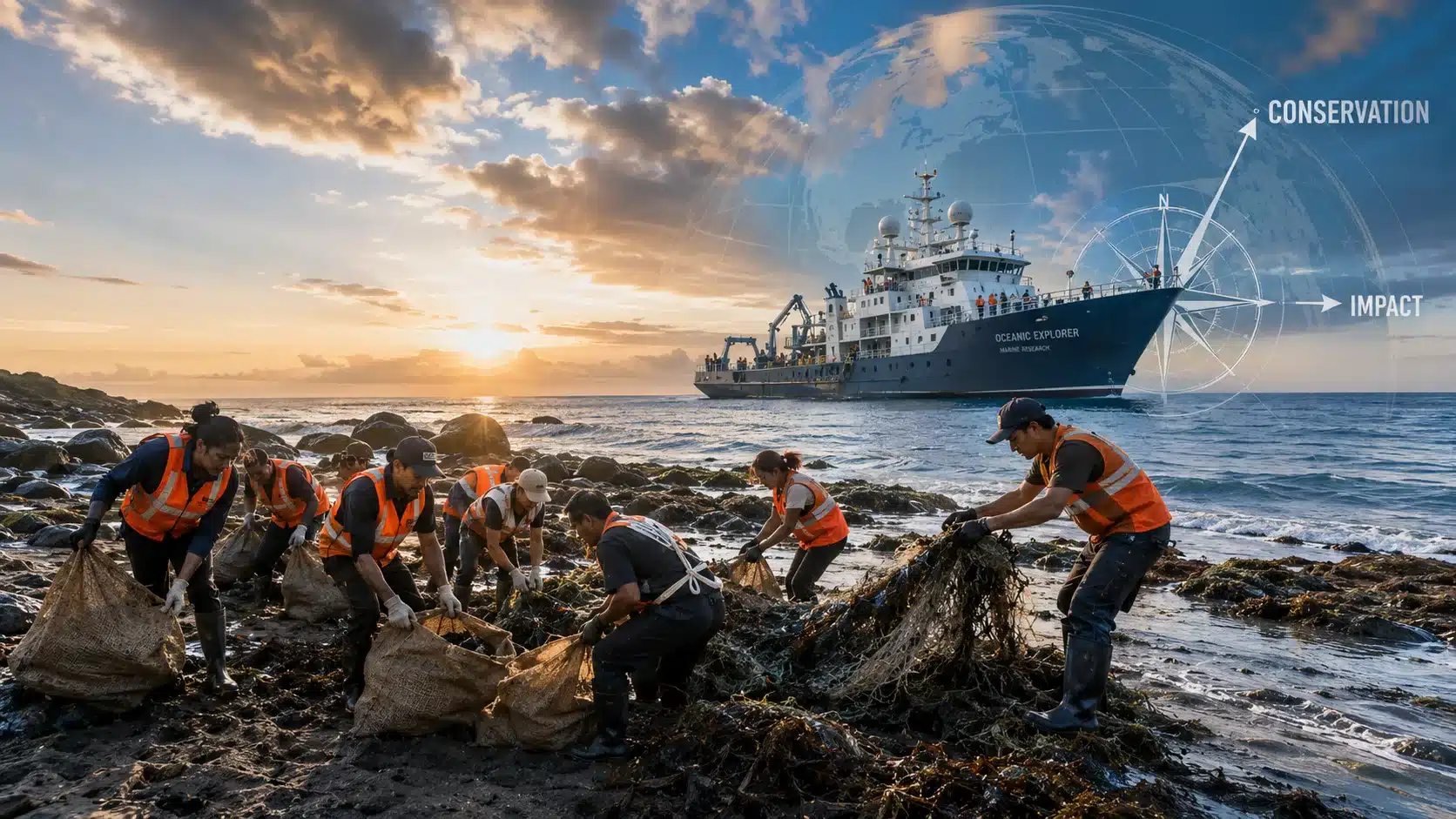
Every year on June 8th, social media feeds flood with beautiful, crystal-clear images of turquoise waters, pristine sandy beaches, and majestic marine life. It is celebrated globally as World Oceans Day-a UN-designated day meant to catalyze marine life conservation and global ocean protection.
But if you have ever stood on the coastline during a real, boots-on-the-ground campaign, you know that the actual experience is completely different from the polished aesthetic online. Behind the sleek infographics and high-profile corporate galas lies a raw, chaotic, and deeply emotional human effort to save our planet’s life support system.
Whether you are a beginner looking to join your very first beach cleanup, a traveler looking for meaningful eco-tourism, or a professional trying to separate real impact from greenwashing, this guide breaks down the unfiltered reality of World Oceans Day.
What Happens on World Oceans Day?
Officially, World Oceans Day serves as a critical rallying point for scientists, NGOs, policy makers, and coastal communities. The day is designed to:
- Raise global awareness about the impact of human actions on the ocean ecosystem.
- Mobilize a global citizen movement toward sustainable management of the world’s waters.
- Secure political commitments for marine protected areas (MPAs) to safeguard biodiversity.
In practice, the day manifests as thousands of decentralized local events worldwide. These range from high-level political summits like the UN Ocean Conference alignments in coastal cities to massive grassroots beach cleanups, plastic sorting drives, and educational workshops for local schools.
The Reality Check: Common Mistakes First-Timers Make
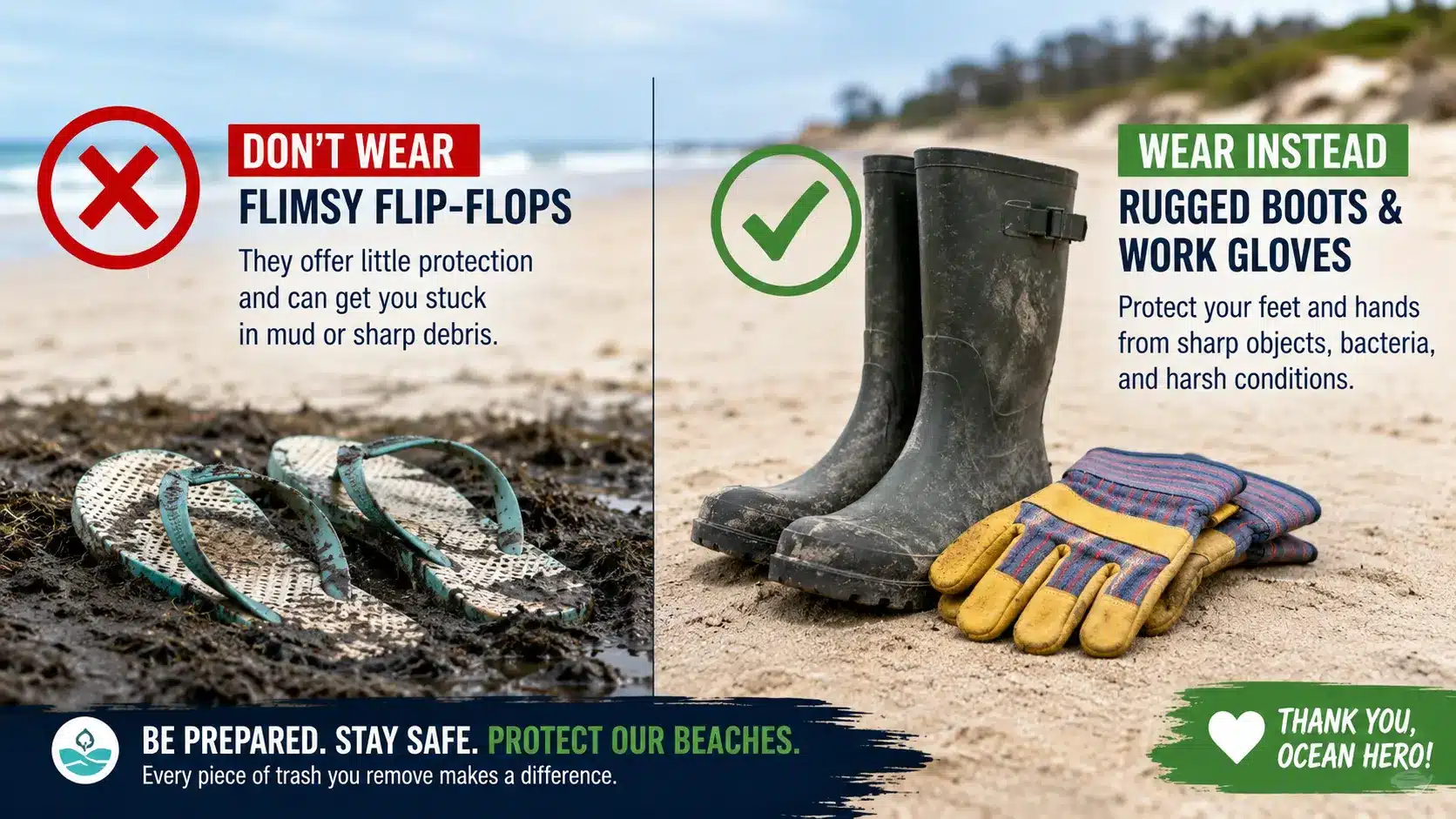 If you are planning to join a local cleanup or marine initiative this year, preparing correctly is the difference between a fulfilling experience and a miserable day.
Let’s talk about the absolute rookie mistakes that will ruin your day. First, leave the flip-flops and trendy sneakers at home. I watched so many people turn up in flimsy footwear only to sink into deep, freezing marsh mud or, worse, slice their feet open on hidden oyster shells and sharp fish bones. You need serious, rugged boots.
The other massive frustration is what I call the shatter phenomenon. You’ll spot a sun-bleached plastic cup buried in the sand, reach down to pull it out, and it will instantly disintegrate like brittle glass right between your fingers. It’s incredibly defeating because, in a split second, one piece of trash turns into a thousand un-pickable micro-fragments floating in the wind, and you’re left kneeling there, completely empty-handed and frustrated.
Essential Gear Guide for Volunteers
To avoid these common pitfalls, pack like a seasoned researcher:
- Footwear: Sturdy, puncture-resistant waterproof boots or heavy-duty trail shoes.
- Gloves: Thick, reusable puncture-resistant work gloves (not flimsy latex).
- Protection: Eco-safe reef-safe sunscreen, a wide-brimmed hat, and a reusable water bottle.
- Tools: Small metal or bamboo tweezers to grab fragile microplastics before they shatter further.
Insider Tips: How to Find the True “Hidden Gems” of Impact
Most casual participants walk onto a public beach, see a seemingly clean shoreline, and wonder why they even showed up. If you want your efforts to truly matter, you need to look where tourists usually miss.
1. Target the Drift Lines
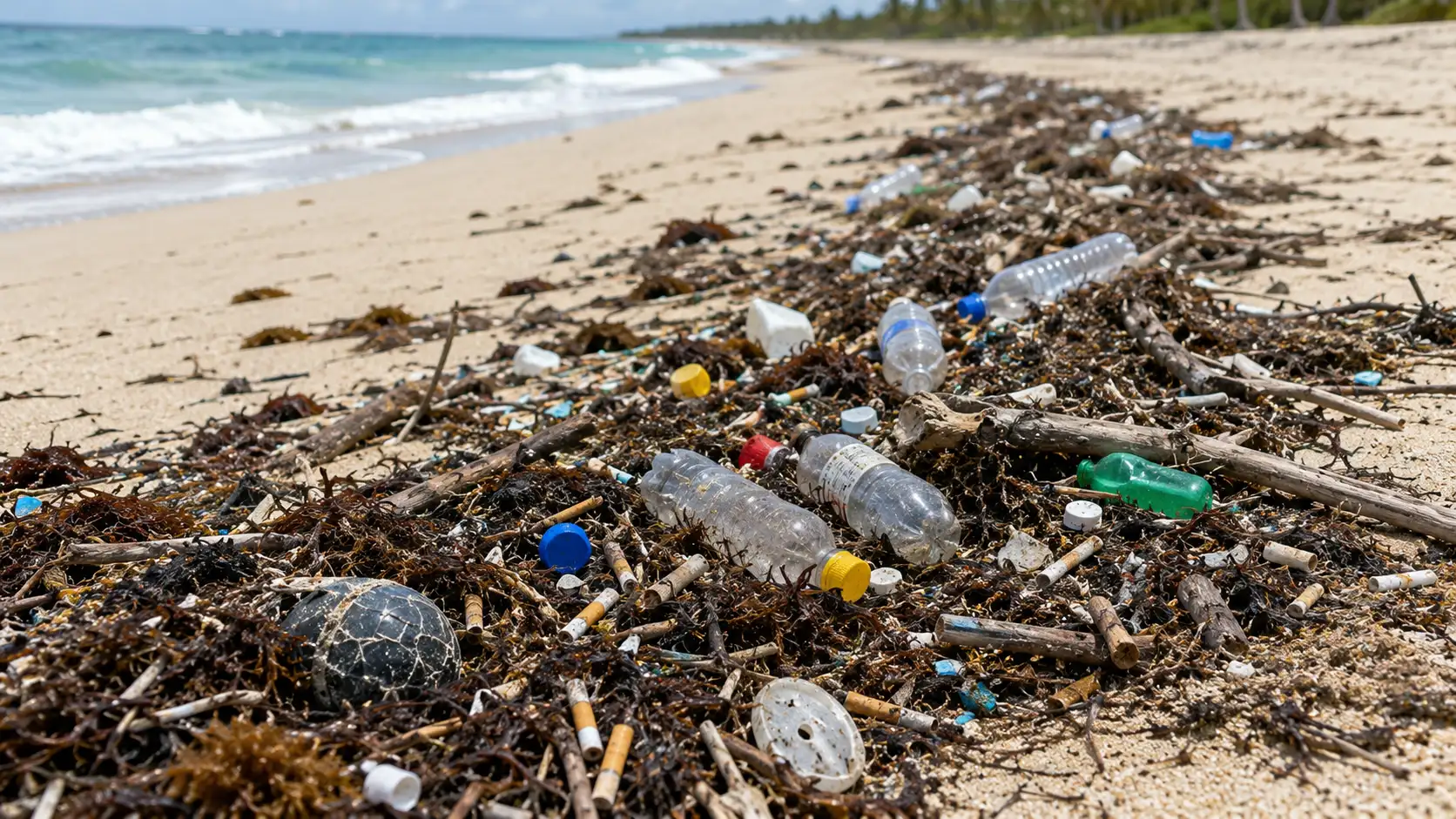 The wind and tidal currents do not deposit ocean debris neatly in the middle of open sand. The real environmental damage is tucked away in the drift lines—the tangled, messy piles of dried seaweed, driftwood, and coastal brush. This is where the wind naturally traps trash, and it is where your hands are needed most.
2. Stay for the Sorting Session
Many volunteers love the instant gratification of walking the beach and picking up large, highly visible items. However, they completely skip out on the unglamorous part: sitting down on a burlap mat at the sorting stations to separate the debris at the end of the day.
Locals and seasoned marine biologists note that sorting through thousands of soggy cigarette butts, medical waste, and nurdles (microscopic pre-production plastic pellets) is where the real eye-opening education happens. It gives you a direct, unfiltered look at the exact types of pollutants choking local marine life.
Beyond the Cleanups: The Hot Debates on Global Ocean Protection
If you browse active environmental forums like r/ZeroWaste or community travel boards, the discussions surrounding World Oceans Day are highly opinionated and complex. The conversation has evolved far beyond simply asking people to stop using plastic straws.
The Consumer vs. Industrial Waste Debate
A massive talking point among researchers and activists online is the frustration with mainstream campaigns that place the entire burden of saving the ocean on individual consumer choices. Active community threads frequently drop data pointing out that a vast majority of macroplastic pollution in our waters stems from commercial industrial activity—specifically “ghost gear” (abandoned commercial fishing nets and longlines) rather than casual beachgoers leaving trash behind.
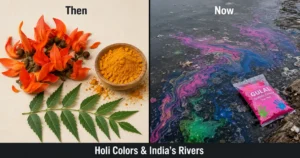
It makes you realize that ocean pollution doesn’t start at the beach; it begins inland, where our rivers and city waste lines meet. To understand the bigger picture of how our land-based water systems impact marine life, you can explore our detailed guide on the global water crisis and what it means for the future.
Spotting and Avoiding Corporate Greenwashing
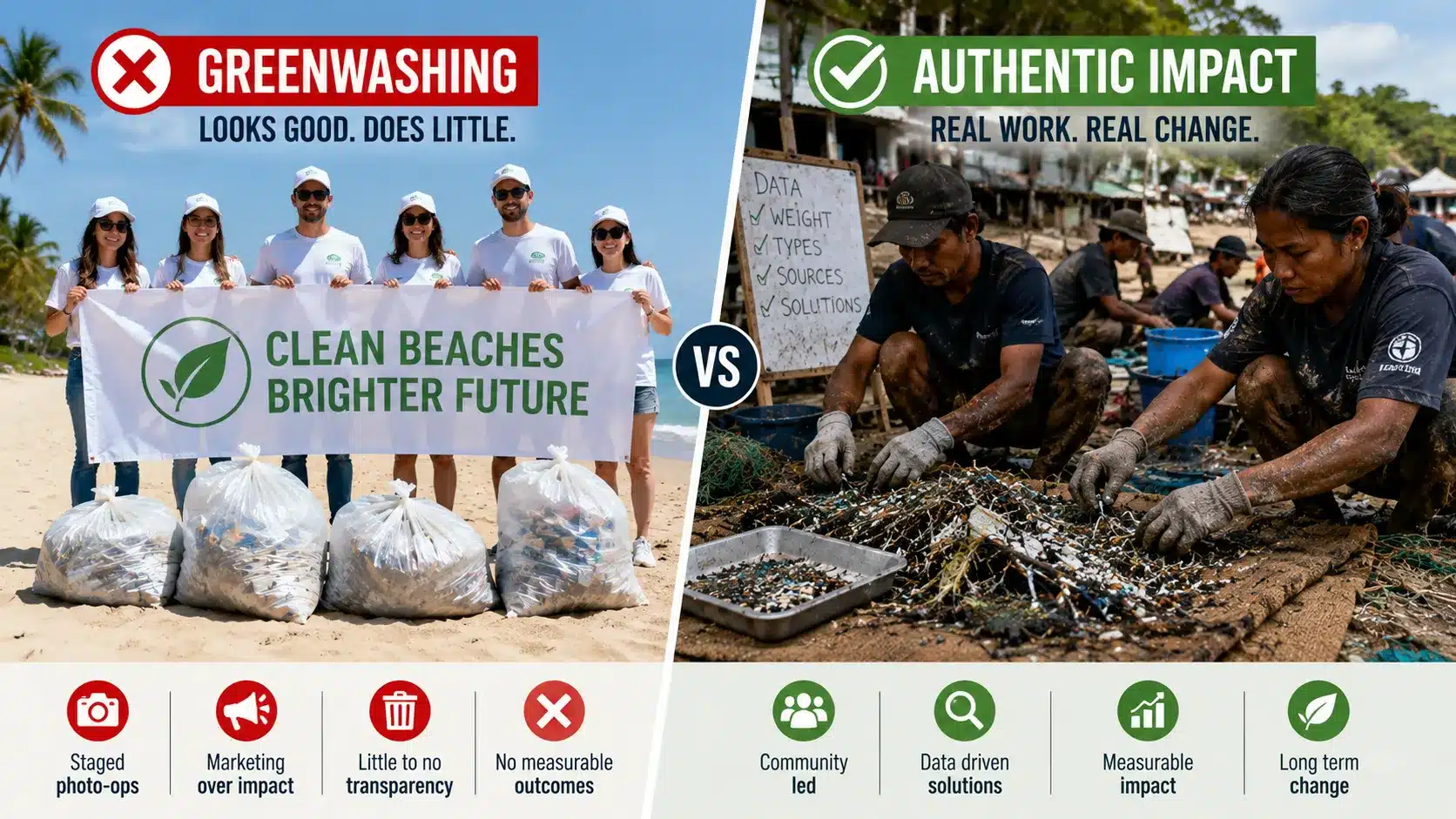 As the event grows in global popularity, “greenwashing” has become a serious issue. To ensure your time and resources support authentic efforts, look for organizations that demonstrate year-round accountability:
| Greenwashed Initiatives | Authentic Marine Conservation |
| Single-day corporate photo-ops with heavy use of single-use plastic banners. | Ongoing, year-round data collection and local waste management infrastructure. |
| Events funded by major plastic producers or luxury cruise lines with poor environmental records. | Independent NGO or scientific coalition leadership with transparent funding structures. |
| Focus purely on visual cleanups without treating the root cause of incoming river waste. | Advocacy for policy changes, industrial fishing regulations, and upstream circular economy solutions. |
The Emotional Hook: Why Doing Tangible Work Matters
What stays with you long after the banners come down and the crowds clear out is a heavy, quiet shift in perspective. It’s easy to get cynical online, debating whether individual action even matters when massive commercial fishing industries are dumping ghost nets by the ton, or when luxury cruise lines keep polluting the same waters we’re cleaning.
But on the sand, that noise fades away. There is this intensely meditative, almost peaceful zone you fall into when you put your phone away and just lock your eyes onto the sand, hunting for microplastics. You build this immediate, unsaid bond with the total stranger next to you while you’re both sweating and wrestling a rusted iron wrench out of the deep mud. You walk away realizing that while we might be trying to empty the ocean with a teacup, doing something tangible with your own hands changes how you look at the world forever.
How to Get Involved for World Oceans Day This Year
For Beginners
- Join a Local Registry: Visit the official United Nations World Oceans Day portal or platforms like Ocean Conservancy to find an accredited cleanup map near you.
- Audit Your Own Plastic Footprint: Before you change the world, change your zip code. Track your personal single-use plastic consumption for a single week to identify easy alternatives.
For Professionals and Digital Marketers
- Amplify Real Science: Use your platform to share verified, peer-reviewed data from marine institutes rather than generic lifestyle graphics.
- Call Out Upstream Issues: Focus your content strategies on the root causes of ocean degradation—such as industrial river pollution, lack of municipal waste infrastructure, and fishing policy reform.
True ocean conservation isn’t an aesthetic choice; it’s a gritty, continuous commitment. By avoiding rookie mistakes, looking past the surface level, and understanding the systemic challenges our waters face, your contribution to World Oceans Day transforms from a single day of volunteering into a lifetime of true environmental advocacy.

Abhay Ramola researches world festivals across primary sources, local accounts, and on-ground reporting. He founded Dionfest to cover what gets missed when festivals become tourism content the history, the ritual, and the people behind it.