
Makar Sankranti: History, Meaning, Traditions & Wishes
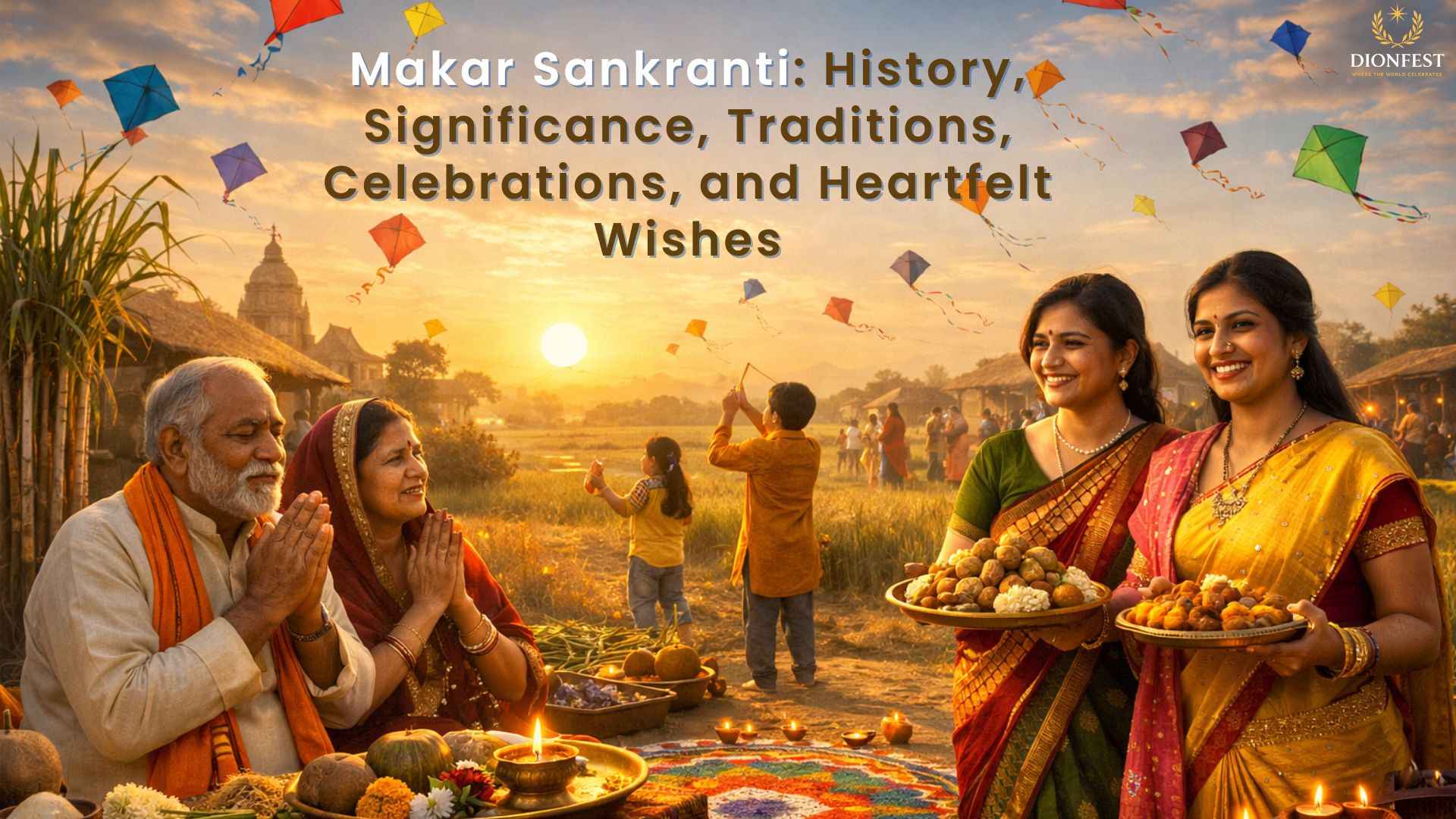
Makar Sankranti is one of the most ancient, meaningful, and widely celebrated festivals in India. Observed every year around January 14 or 15, it marks a powerful cosmic eventthe transition of the sun into the zodiac sign Makara (Capricorn). This moment signifies the beginning of the sun’s northward journey (Uttarayan), which is considered highly auspicious in Indian tradition.
Unlike most Hindu festivals that follow the lunar calendar, this celebration is based on the solar cycle, giving it a fixed date each year. This unique feature adds to its scientific, cultural, and spiritual importance. Across the country, people celebrate with prayers, charity, traditional food, kite flying, and warm greetings exchanged among family and friends.
At its core, the festival represents light, hope, abundance, and renewal, reminding people to move forward with positivity, gratitude, and harmony.
Makar Sankranti is a Hindu harvest festival celebrated every January 14th one of the few Hindu festivals that follows the solar calendar instead of the lunar one. The date stays fixed because it marks the sun’s transition into Capricorn (Makar in Sanskrit). It’s celebrated across almost every state in India, though under different names.
What the Name Means
“Makar” means Capricorn. “Sankranti” means transition or movement specifically the sun’s movement from one zodiac sign to another. So Makar Sankranti literally means the sun’s entry into Capricorn. In the Hindu calendar, this is considered an auspicious shift the sun begins moving northward (Uttarayan), days get longer, and the harvest season is at its peak.
Why Makar Sankranti Is Celebrated
It’s primarily a harvest festival farmers across India celebrate the end of the winter crop season. But it also has astronomical significance: it marks the start of Uttarayan, the six-month period when the sun moves toward the northern hemisphere. In Hindu belief, this period is considered sacred even dying during Uttarayan is considered auspicious. The festival combines gratitude for the harvest, respect for the sun, and the joy of longer days ahead.
Astronomical Significance of Makar Sankranti
The primary reason why Makar Sankranti is celebrated lies in astronomy. On this day, the sun enters the zodiac sign Capricorn (Makara Rashi), beginning its northward movement known as Uttarayan. This transition marks the gradual increase in daylight hours and the end of harsh winter conditions.
In Indian philosophy, the sun represents energy, life, and consciousness. Its northward journey symbolizes progress, growth, and auspicious beginnings. This is why many religious and spiritual activities gain special importance during this period.
Spiritual Meaning and Symbolism
Spiritually, Makar Sankranti represents:
- Moving from darkness to light
- Letting go of past negativity
- Beginning a new phase of discipline and self-improvement
- Aligning oneself with natural and cosmic rhythms
It is believed that prayers, charity, and good deeds performed during Uttarayan bring long-lasting blessings and spiritual merit.
Historical and Mythological Importance of Makar Sankranti
Spiritual Significance of This Festival
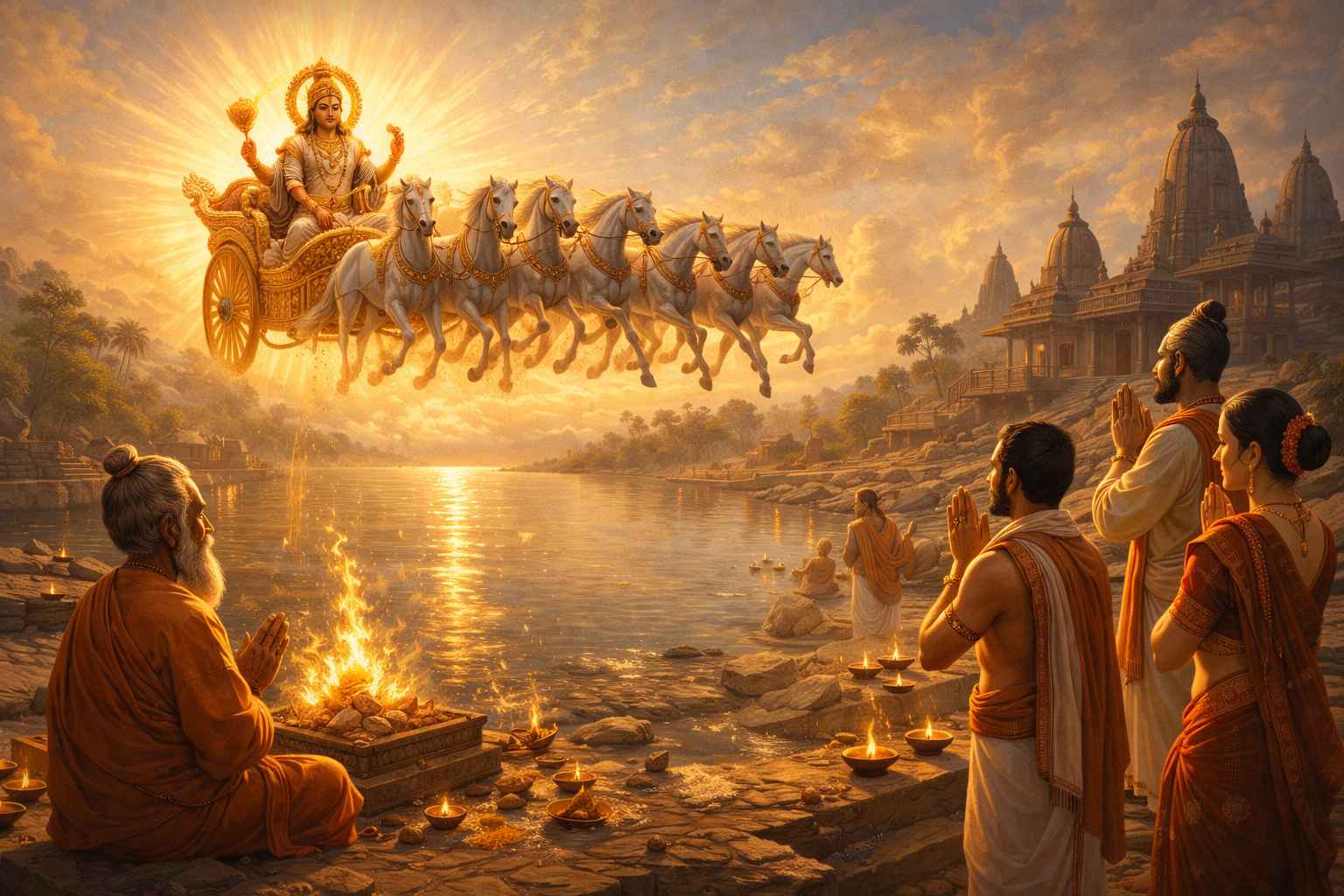
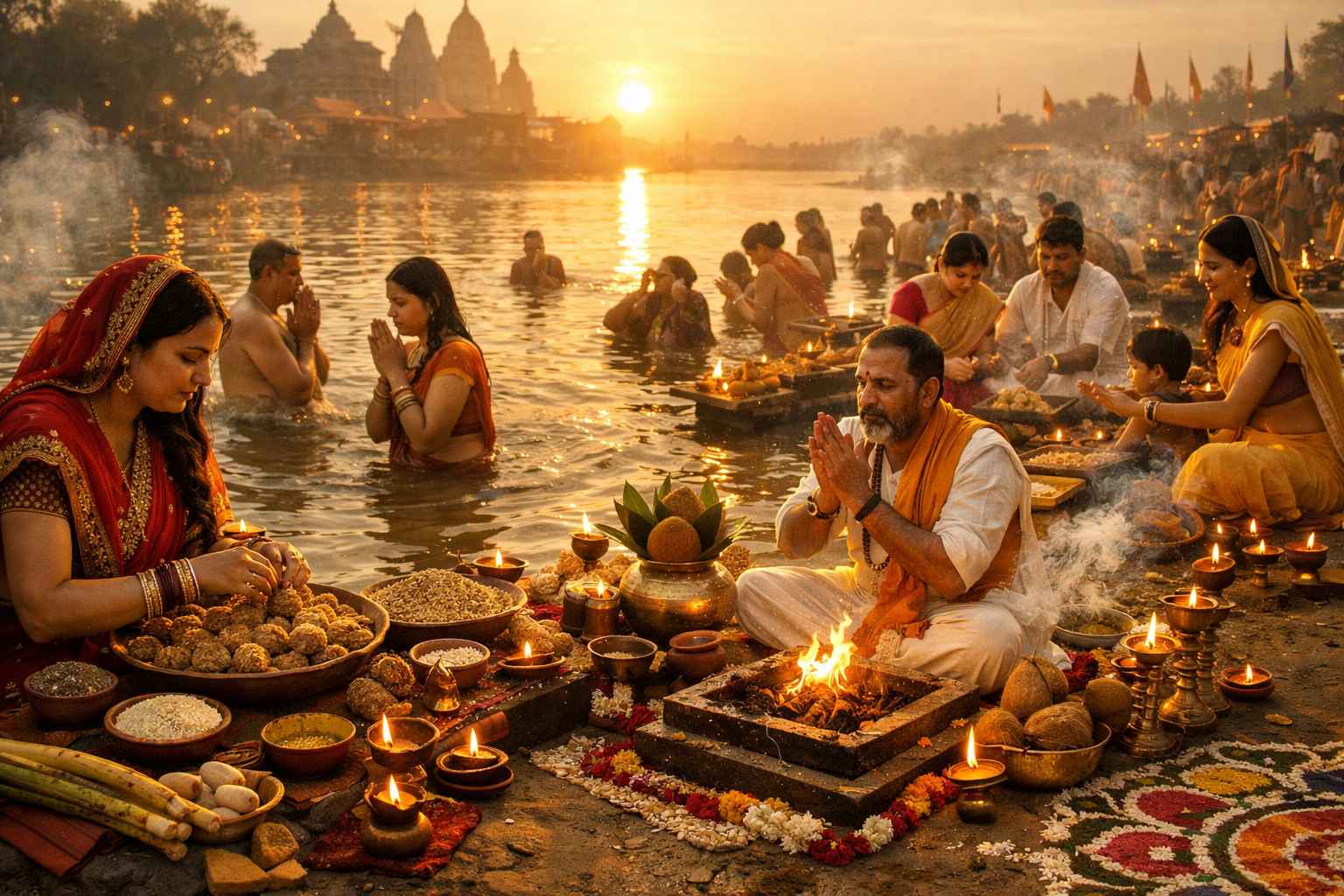
In Hinduism, the sun (Surya) is worshipped as a life-giving force. Makar Sankranti is one of the main days dedicated to Surya. Bathing in sacred rivers especially the Ganges at Prayagraj on this day is considered particularly purifying. The Kumbh Mela at Prayagraj often begins around Makar Sankranti. Sesame seeds and jaggery (til and gur) are shared between people, with the saying “til gur ghya, god god bola” take sesame and jaggery, speak sweetly. The idea is that sweetness in food should lead to sweetness in relationships.
Why This Day Matters in the Hindu Calendar
Makar Sankranti is one of the most astronomically precise dates in the Hindu calendar. Unlike most Hindu festivals that shift date every year, this one lands on January 14th almost every year (sometimes January 15th). It anchors the calendar year. Several other regional festivals happen on or around this date Pongal in Tamil Nadu, Lohri in Punjab (the day before), Uttarayan in Gujarat, Bihu in Assam. They’re all connected to the same solar event.
Cultural Importance of Makar Sankranti in India
A Harvest Festival Rooted in Gratitude
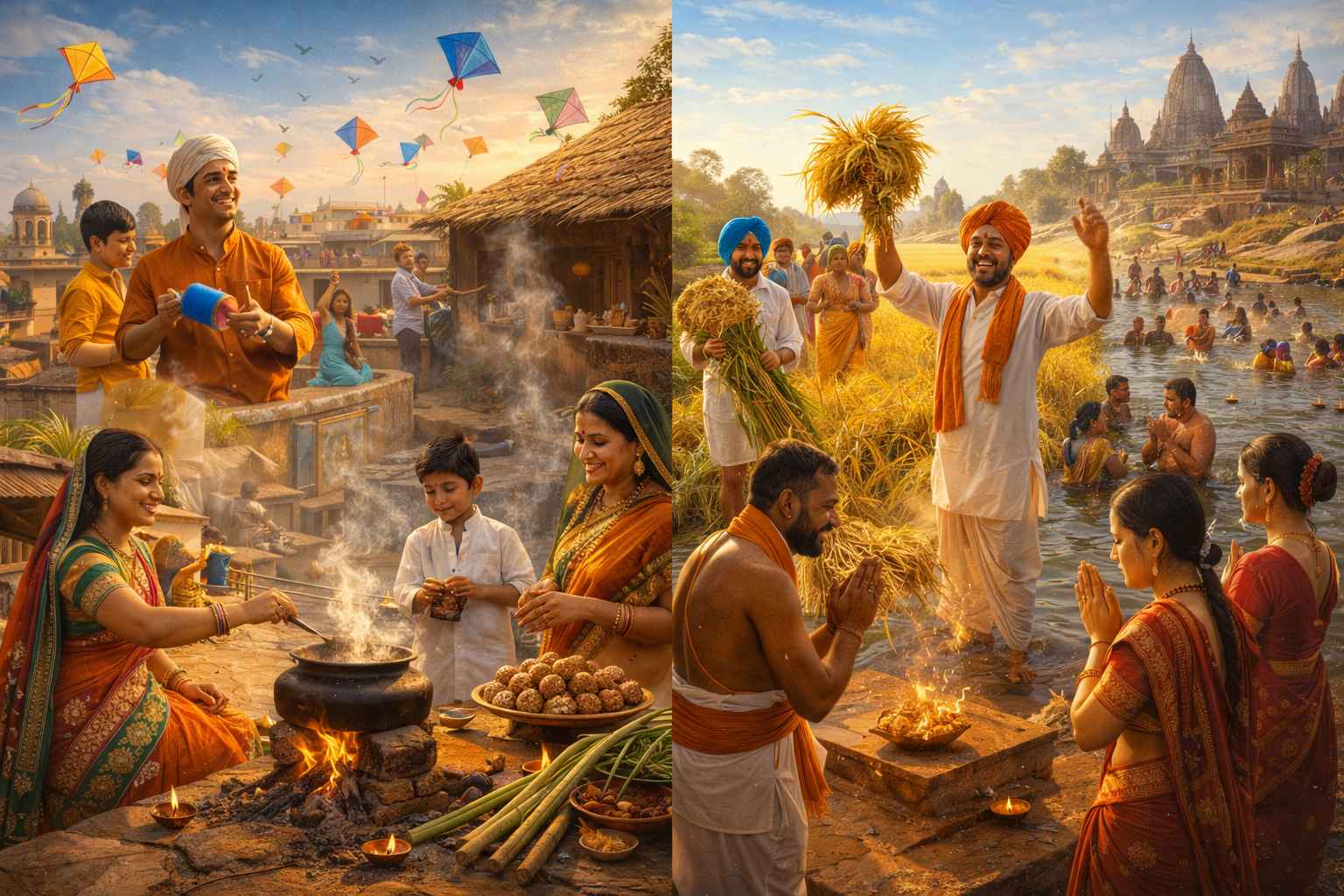
Makar Sankranti is closely associated with agriculture and harvest cycles. For farmers, it marks the end of the harvesting season and the beginning of a new agricultural phase. The festival serves as a way of thanking nature, the sun, the soil, and the rain for providing sustenance.
It highlights values such as respect for food, gratitude for abundance, and sharing with the community.
Regional Names and Celebrations Across India
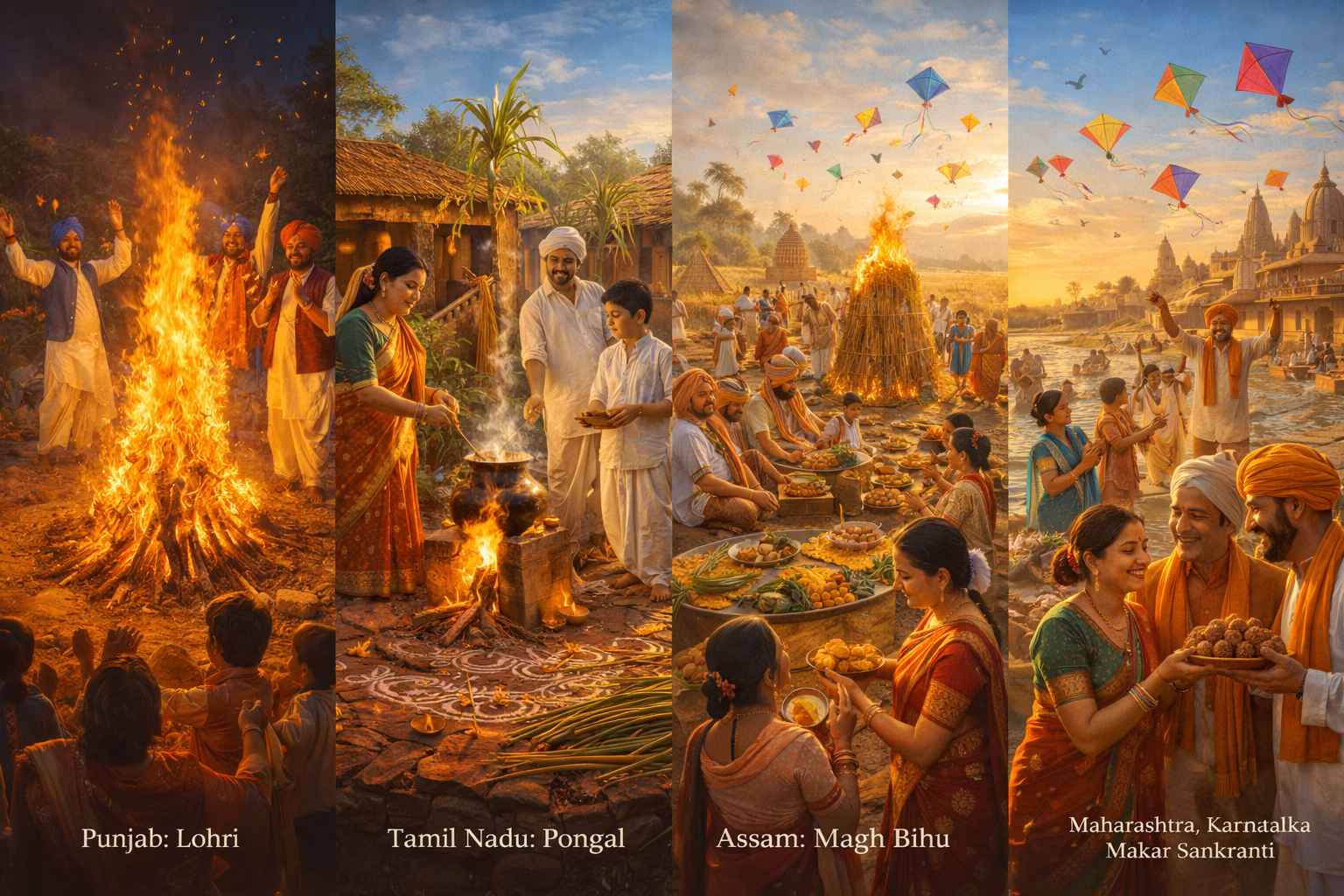
- Though celebrated nationwide, Makar Sankranti is known by different names in various regions:
- Pongal (Tamil Nadu): A four-day harvest festival dedicated to the sun god and cattle
- Lohri (Punjab): Celebrated with bonfires, folk songs, and dances like bhangra
- Magh Bihu (Assam): Marked by feasts, community gatherings, and traditional games
- Uttarayan (Gujarat): Famous for large-scale kite-flying festivals
- Sankranti (Karnataka & Andhra Pradesh): Celebrated with temple visits, charity, and special dishes
Despite regional differences, the underlying spirit remains the same—celebrating abundance, unity, and hope.
Makar Sankranti Rituals and Traditions
What People Do on This Day
Early morning river baths are the first ritual for devout Hindus. Sesame and jaggery sweets are prepared and shared with neighbors and family this is non-negotiable in most households. Kite flying is the dominant outdoor activity, especially in Gujarat where the skies fill with thousands of kites on January 14th. Bonfires are lit in some regions. Cattle are decorated and honored in farming communities. The specific rituals vary by state, but food and some form of community gathering are constant.
Pongal and Makar Sankranti Are They Related
Yes, directly. Pongal is the Tamil Nadu version of the same harvest celebration. They fall on the same days Makar Sankranti on January 14th lines up with Thai Pongal, the main day of the four-day Pongal festival. The underlying reason is the same: the sun’s northward journey, the harvest, gratitude. The rituals differ Pongal has its own specific dishes and customs but the two festivals share the same astronomical root. Lohri in Punjab, celebrated the evening before on January 13th, is also connected to the same seasonal turning point.
Makar Sankranti Special Foods and Their Significance
Why Til (Sesame) and Jaggery Are Important
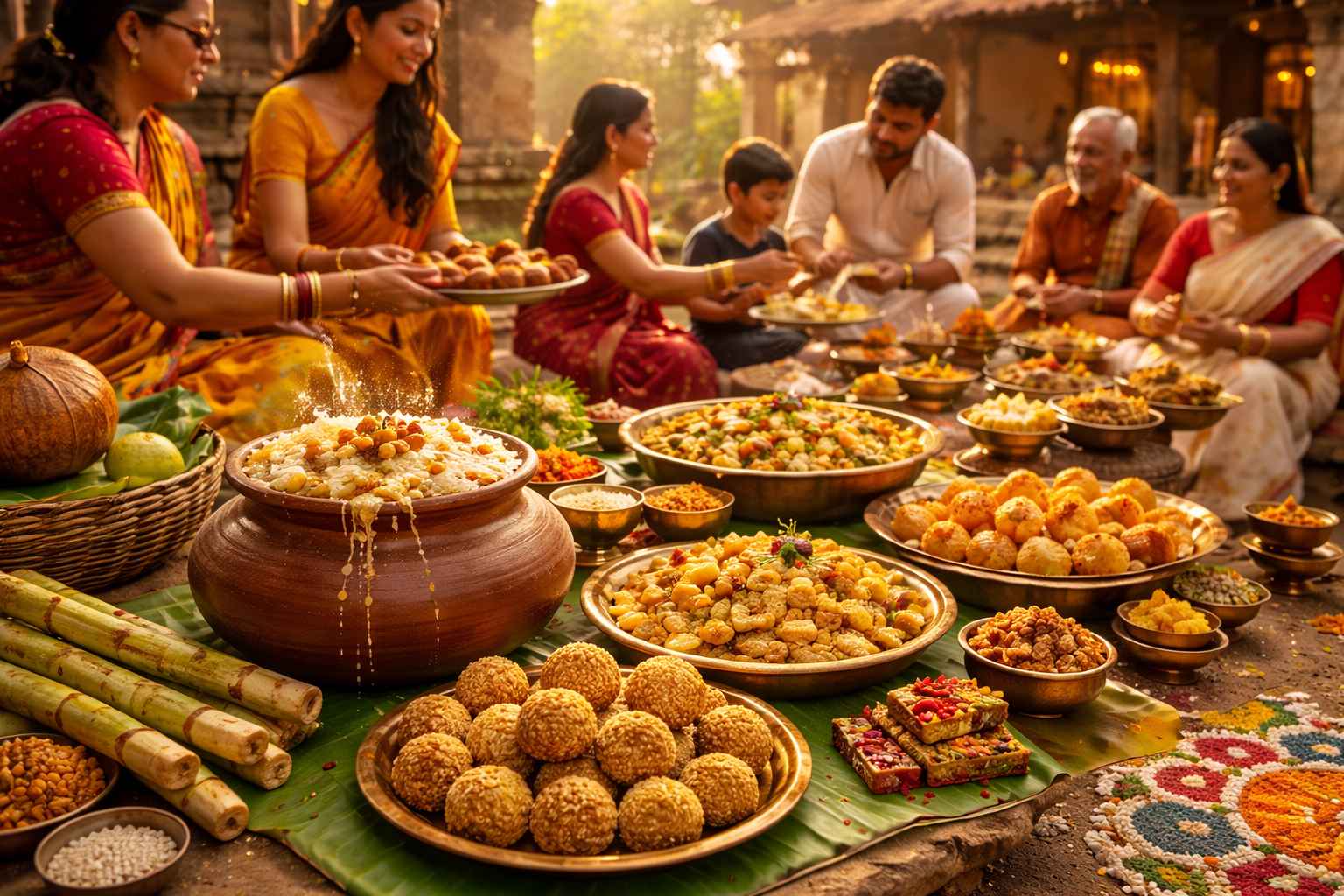
Sesame seeds (til) and jaggery (gur) play a central role in Makar Sankranti celebrations. These ingredients are warming in nature, making them ideal for winter consumption.
Symbolically, they represent:
- Sweetness in relationships
- Unity and togetherness
- Strength and warmth
In Maharashtra, people exchange tilgul ladoos while saying, “Til-gul ghya, god god bola”—a reminder to speak kindly and maintain harmony.
Popular Makar Sankranti Dishes
Traditional foods vary by region but commonly include:
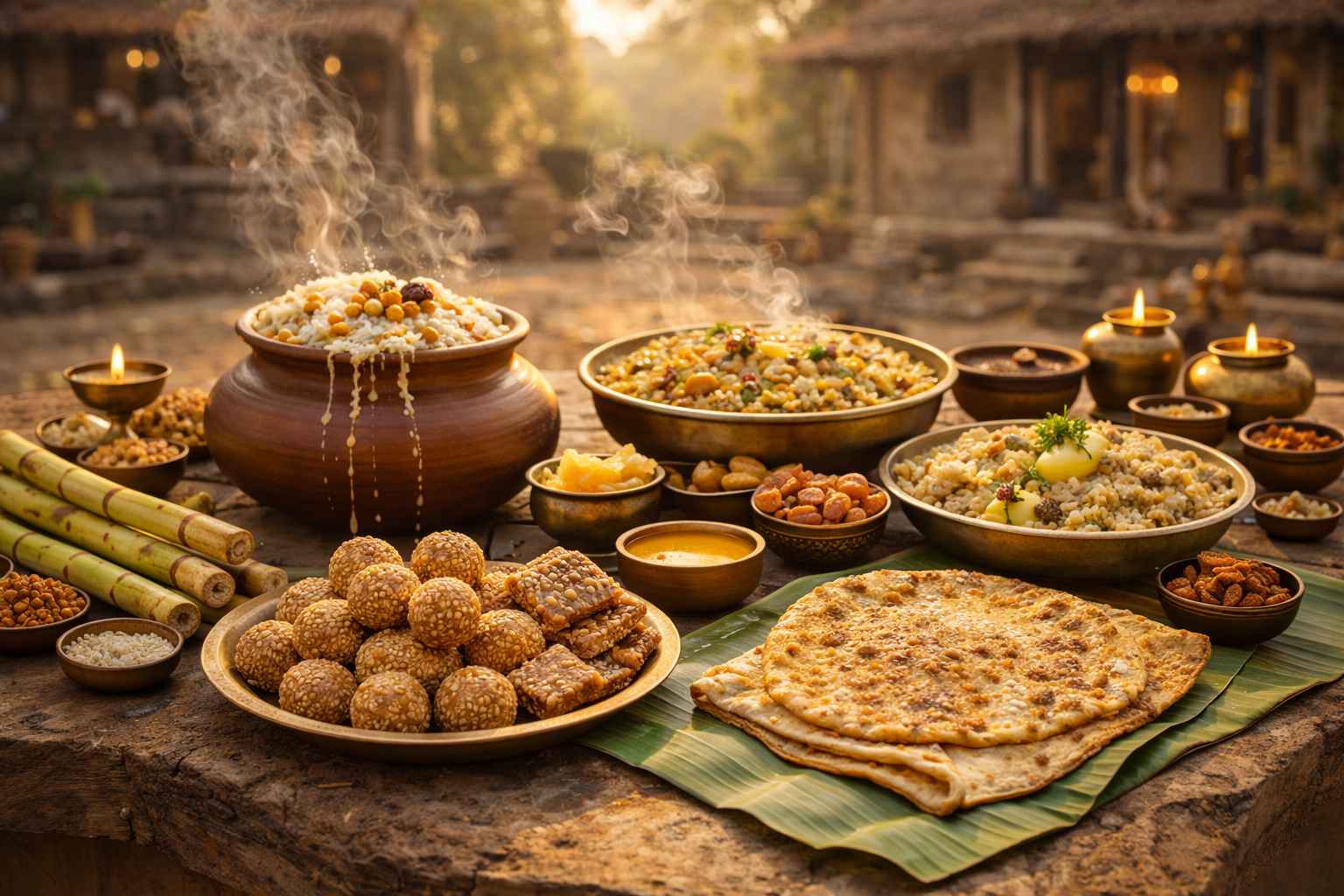
- Tilgul ladoos
- Til chikki
- Khichdi
- Sweet Pongal
- Puran poli
- Sugarcane and peanuts
These dishes reflect local culture, seasonal ingredients, and community traditions.
Kite Flying: A Symbol of Freedom and Joy
Kite flying is one of the most exciting and symbolic aspects of Makar Sankranti, especially in Gujarat, Rajasthan, and parts of Maharashtra.
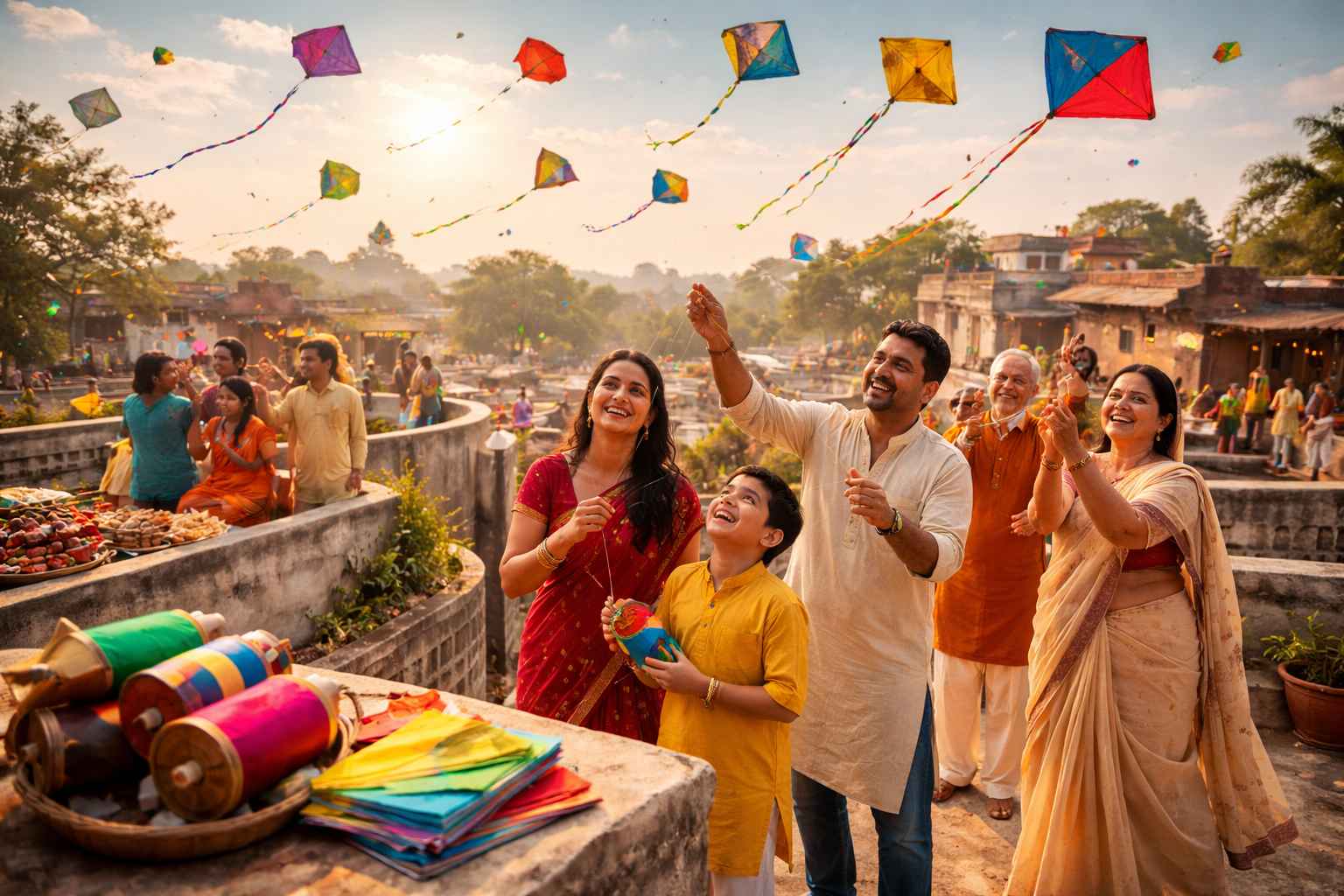
Flying kites represents:
- Reaching toward the sky and higher aspirations
- Letting go of negativity
- Celebration of freedom and joy
The colorful skies, friendly competitions, and festive atmosphere make kite flying a cherished tradition for all ages.
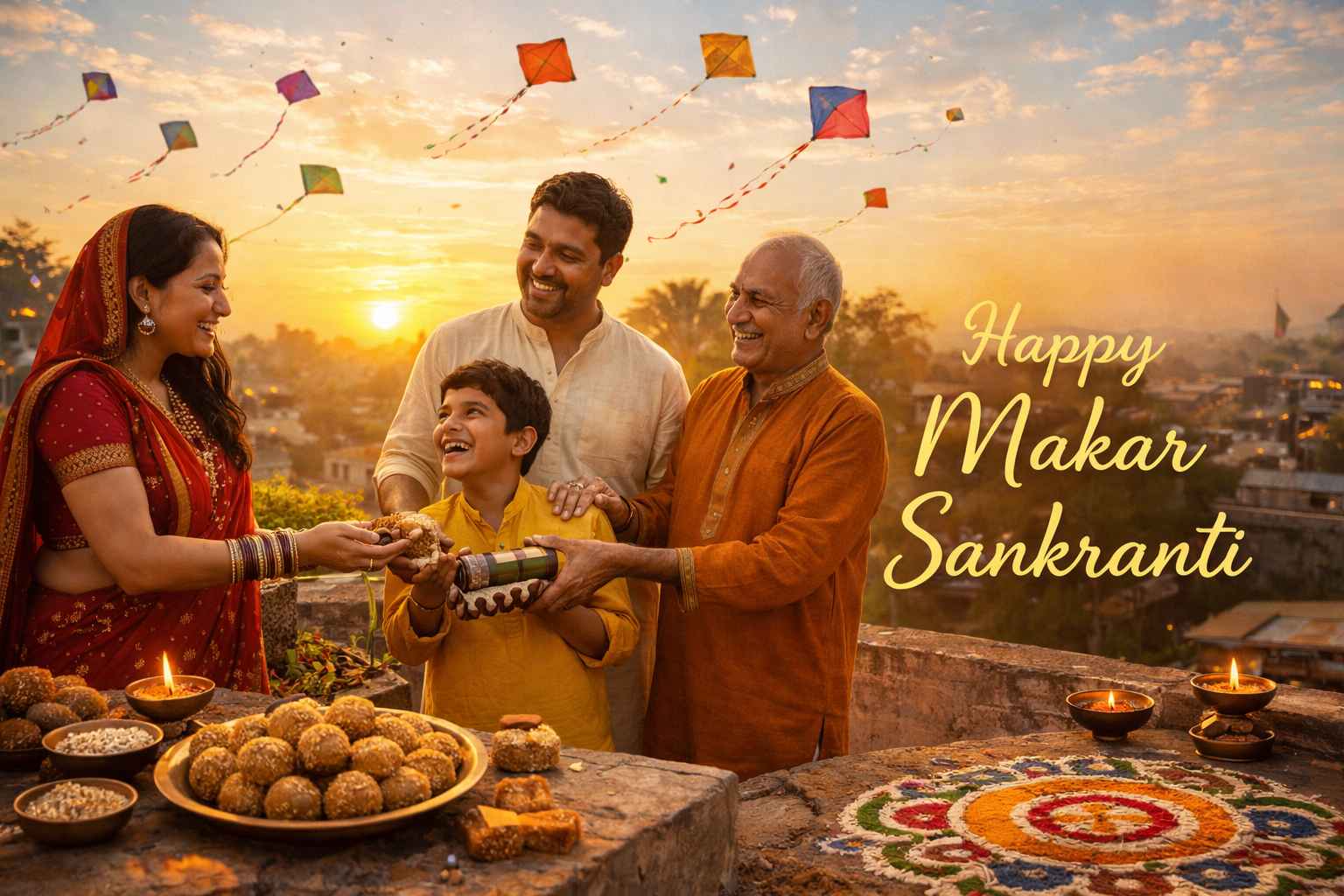
Happy Makar Sankranti Wishes and Greetings
Exchanging makar sankranti wishes is an essential part of the festival. People share blessings through messages, phone calls, cards, and social media.
Traditional and Modern Wishes
- Happy Makar Sankranti! May this festival bring health, wealth, and happiness to your life.
- Wishing you a season filled with warmth, success, and sweet moments.
- May the sun’s northward journey fill your life with positivity and growth. Happy Sankranti!
- Sending heartfelt makar sankranti wishes to you and your family—stay blessed and joyful.
These messages also align with common search variations related to Makar Sankranti, making them easy to share and discover across digital platforms.
How to Celebrate Makar Sankranti in a Meaningful Way
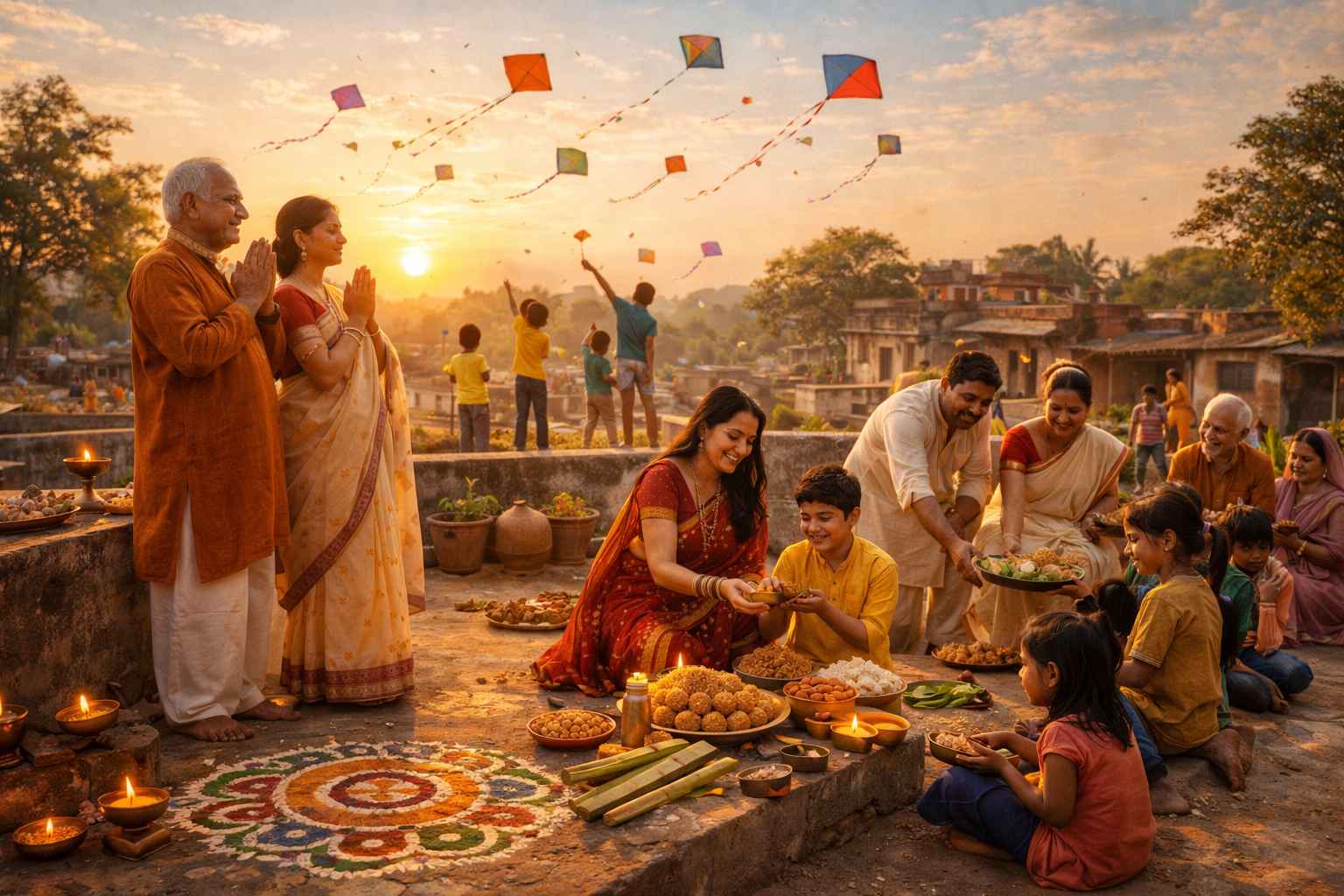
You can celebrate Makar Sankranti in both traditional and modern ways:
- Donate food, clothes, or essentials to those in need
- Prepare festive dishes at home with family
- Fly kites and enjoy outdoor activities
- Visit temples and offer prayers to the sun
- Share happy makar sankranti messages with loved ones
Even small gestures reflect the festival’s true spirit of generosity and gratitude.
Makar Sankranti in Modern Times
While deeply rooted in tradition, Makar Sankranti continues to evolve. Urban celebrations now include community events, cultural programs, and eco-friendly practices like biodegradable kites and sustainable decorations.
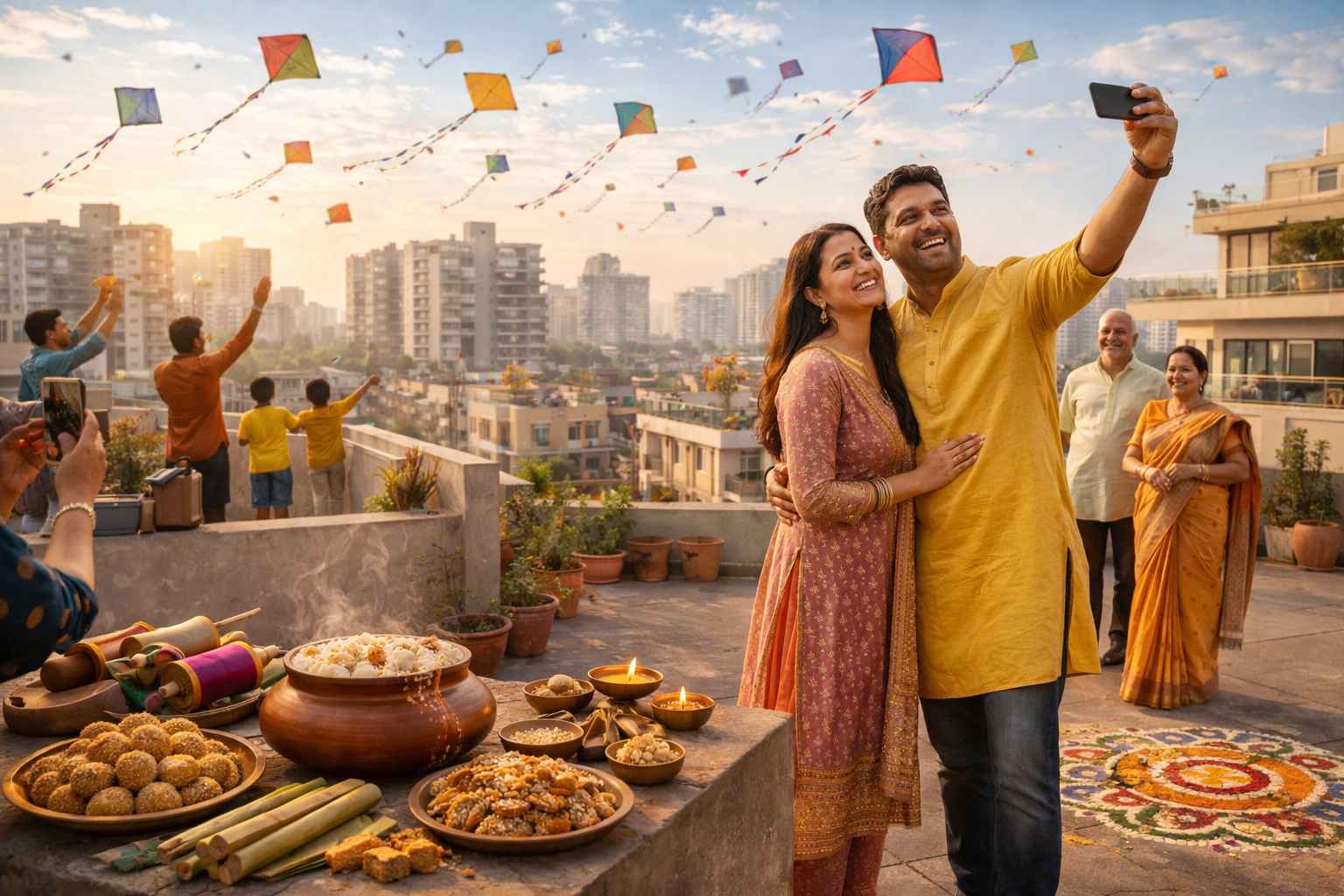
Social media has also become a popular way to share happy Makar Sankranti greetings, photos, and memories, keeping traditions alive among younger generations.
Conclusion: Embracing the True Spirit of Makar Sankranti
Makar Sankranti is more than a festival it is a celebration of nature’s rhythm, human gratitude, and spiritual renewal. Understanding the reason behind this observance helps us appreciate its deeper meaning beyond rituals and festivities.
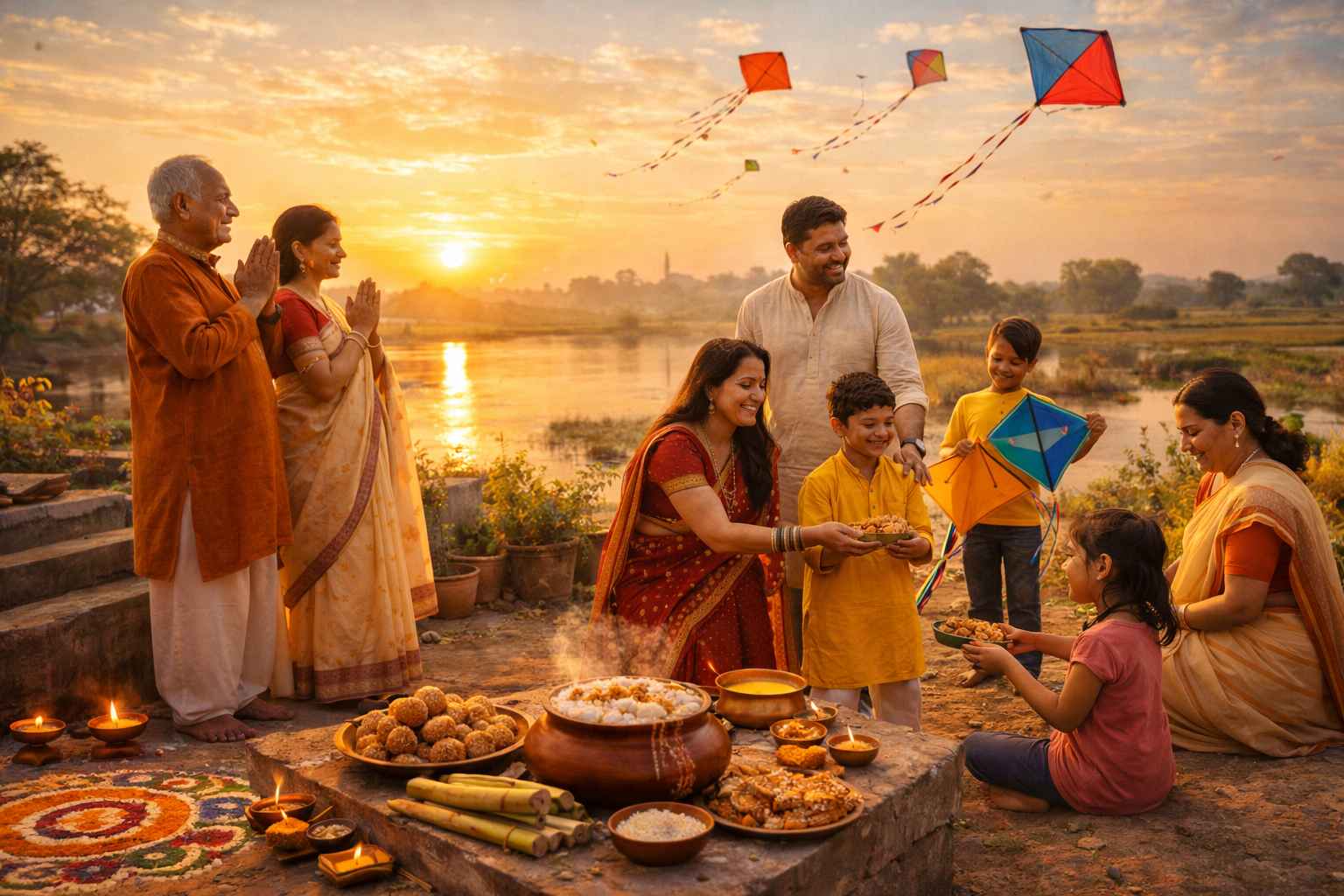
As the sun begins its northward journey, the festival encourages us to move forward with clarity, kindness, and hope. By sharing sweets, offering charity, and exchanging heartfelt Makar Sankranti wishes, we honor timeless values that remain relevant even today.
May this auspicious day bring warmth to your heart, sweetness to your words, and prosperity to your life.
Happy Makar Sankranti and happy Sankranti!
If you want to learn more about Indian festivals, you can explore here.dionfest

Abhay Ramola researches world festivals across primary sources, local accounts, and on-ground reporting. He founded Dionfest to cover what gets missed when festivals become tourism content the history, the ritual, and the people behind it.

2 thoughts on “Makar Sankranti: History, Meaning, Traditions & Wishes”