
Ultimate Fourth of July Travel Guide 2026: Dates, Tips & What to Expect
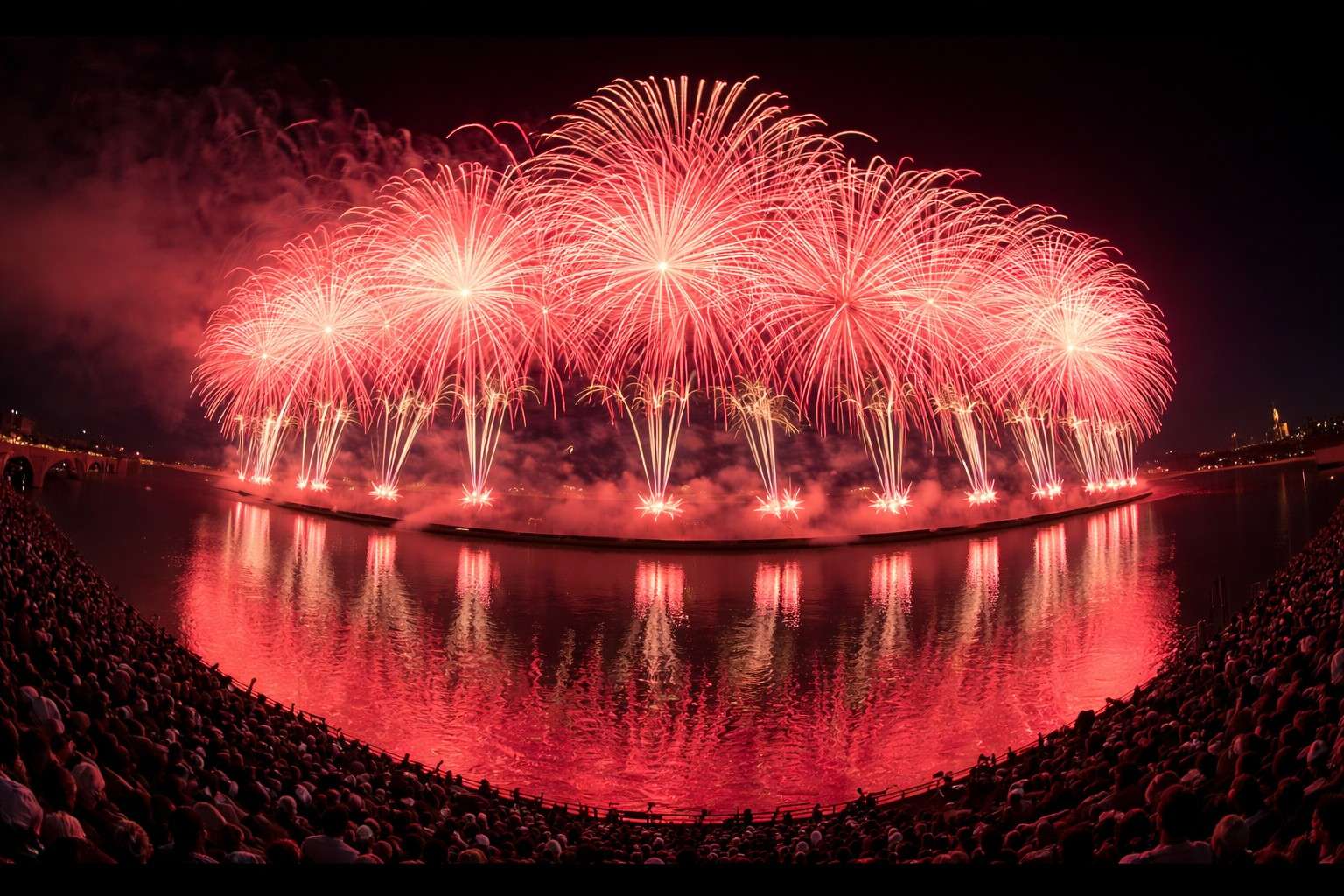
The smoke reaches you before the fireworks do — charcoal and lighter fluid drifting off a hundred backyard grills at once.
Somewhere down the block, a speaker is fighting itself between a country ballad and a hip-hop track, and neither is winning.
Children sprint past in red, white, and blue face paint, carrying sparklers that arc like tiny drunk lightning.
The air is thick, sticky, July-in-America thick, and tasting faintly of cold beer and sunscreen.
And then the sky cracks open — and for exactly three seconds, everyone on the lawn goes quiet.
The Fourth of July is the United States’ national Independence Day, celebrated across all 50 states on July 4th each year, marking the 1776 signing of the Declaration of Independence. It is best known for fireworks displays, barbecues, parades, and patriotic music. What most travelers don’t expect: the real heart of this holiday is almost entirely local — each town, neighborhood, and backyard throws a version that looks nothing like what’s on TV.
Quick Facts — Fourth of July 2026
| Detail | Info |
|---|---|
| Festival Name | Fourth of July / Independence Day |
| Country / Region | United States of America (all 50 states) |
| Type | National / Cultural / Patriotic |
| 2026 Date | Saturday, July 4, 2026 |
| Duration | 1 day (surrounding weekend typically celebrated) |
| Best For | Families, first-time USA visitors, couples, solo travelers |
| Crowd Level | High–Extreme (major cities) · Medium (small towns) |
| Avg. Daily Budget | $80–$220 USD |
| Nearest Airport | DCA (D.C.) · JFK (New York) · O’Hare (Chicago) |
| Visa Required | ESTA for visa-waiver countries; full visa otherwise |
Why Fourth of July 2026 Belongs on Your Travel List
Few countries throw a national birthday party with the sheer physical excess of the United States on July 4th. The sky above nearly every city, suburb, and rural fairground turns into a 20-minute artillery display of color. Add in the parades, the live concerts, the rooftop parties, the food — and you have a day that requires essentially zero planning to enjoy, because the entertainment comes to you.
This holiday suits almost any traveler style: families find it genuinely child-friendly; international first-timers get a crash course in American culture that no museum could replicate; solo travelers discover that strangers will hand you a hot dog and a lawn chair with minimal prompting.
One honest caveat: if you hate crowds and heat, you will hate July 4th in a major city. The fix is simple — go small.
For official travel planning resources, the Visit The USA guide to Fourth of July celebrations covers event listings across all major cities.
The Real Story Behind the Fourth of July
On July 4, 1776, the Continental Congress formally adopted the Declaration of Independence, drafted primarily by Thomas Jefferson. The document announced that thirteen British colonies were now sovereign states, no longer subject to the Crown. The war itself had already been going for over a year — the Declaration wasn’t a starting gun, it was a proclamation.
The first official celebration happened one year later, in 1777, when Philadelphia marked the anniversary with ship cannon fire, a parade, and a public bonfire. Fireworks appeared almost immediately, their association with gunpowder and military salute making them a logical choice for a revolution-born holiday.
By the 1800s the holiday had evolved into a civic affair — speeches, readings of the Declaration from courthouse steps, church bells at noon. The more raucous backyard-barbecue character developed through the 20th century, accelerated by post-WWII suburban culture.
The legend most Americans grow up hearing: John Adams wrote a letter predicting the day would be “solemnized with Pomp and Parade… Bonfires and Illuminations from one End of this Continent to the other.” He was off by two days — Adams thought July 2nd was the date worth celebrating — but the imagery was entirely prophetic.
What the Fourth of July Means to the People Who Actually Celebrate It
For older Americans — especially veterans and their families — July 4th carries genuine weight. Tear-up-at-the-parade weight. The ceremony at the local VFW hall, the playing of “The Star-Spangled Banner,” the moment of silence before the first firework: these are not performance. They are sincere.
For younger generations, the holiday has become more relaxed — a summer gathering with a patriotic soundtrack. Many young Americans will tell you they love July 4th for the friends, the food, and the fireworks, not the politics. The flag-waving is, for them, more aesthetic than ideological.
The thing outsiders consistently misunderstand: this isn’t a single national event with a single meaning. The White House hosts a party. So does a bar in rural Montana. So does a Vietnamese-American family in Houston whose tradition looks nothing like either. July 4th is pluralistic — it absorbs whoever shows up.
Commercialization has arrived — retailers run “Independence Day” sales from mid-June. But unlike some holidays hollowed out by merchandise, July 4th still tastes and sounds and smells like what it always was. Largely because the main event — the sky — cannot be monetized.
What Actually Happens at the Fourth of July — Day by Day
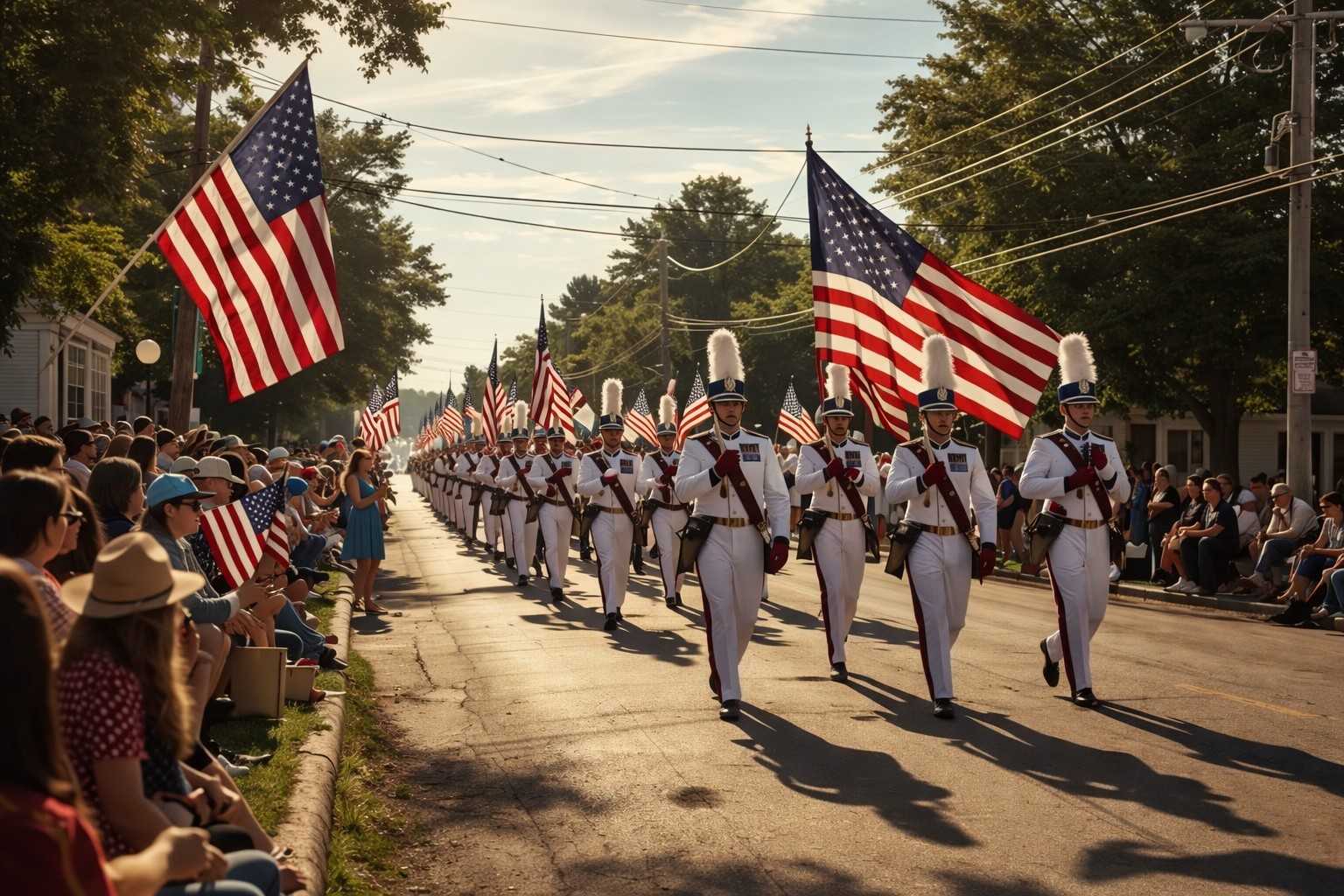 Morning (8am–12pm): The day starts earlier than you’d expect. Parade routes across the country fill by 9am, with veterans’ groups, high school marching bands, and local fire trucks rolling through main streets. The signature morning food is the breakfast burrito or diner pancakes. Attire is loud and proud: flag-print shirts, star-spangled headbands, red-white-and-blue everything. No one looks overdressed. No one looks underdressed. The whole country agreed to dress like they lost a bet, and it works.
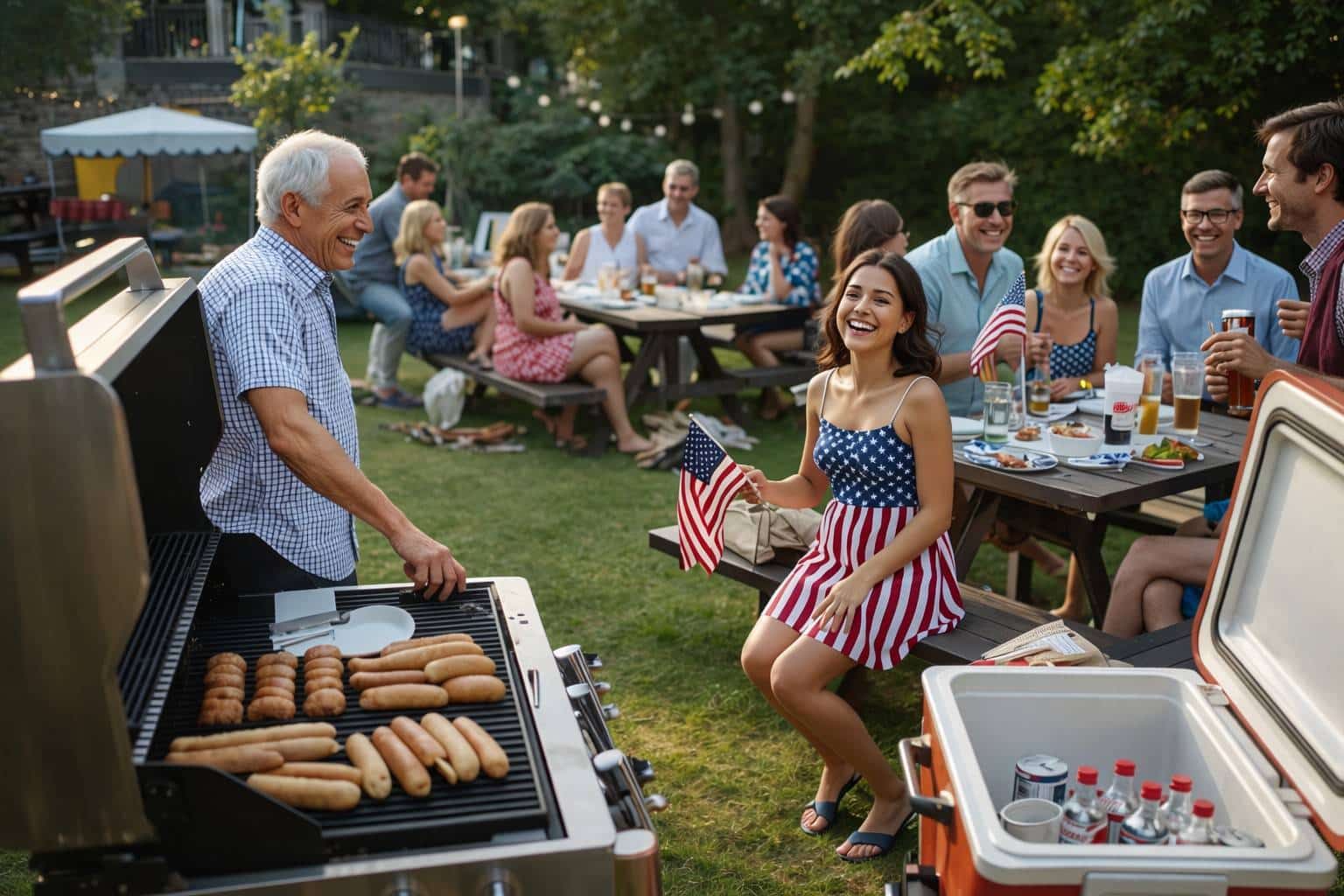 Afternoon (12pm–6pm): This is the barbecue hour. The quintessential July 4th food is the hot dog — a beef frank in a soft white bun, consumed with mustard and relish, ideally while standing next to a cooler. Hamburgers, corn on the cob, potato salad, watermelon, and ice cream round out the spread. Lawn games — cornhole, horseshoes, bocce — become extremely competitive around 4pm, usually after the second round of drinks.
Evening (7pm–midnight): Everything builds to the fireworks. Displays at major venues — the National Mall in D.C., the East River in New York, Navy Pier in Chicago — begin between 9pm and 9:30pm. The best viewing spots fill two hours early. Bring a blanket. The finale, when six shells go up per second for the last 90 seconds, produces a physical resonance you feel in your sternum.
Best Places to Celebrate 4th of July 2026 in the US
 The 4th of July is America’s Independence Day the anniversary of the Declaration of Independence on July 4, 1776. Every city does something, but some cities do it significantly better than others. If you’re thinking about traveling for it in 2026, the question isn’t whether it’s worth going somewhere it’s whether the specific destination justifies the cost and crowds.
Best Cities for Fourth of July Celebrations 2026
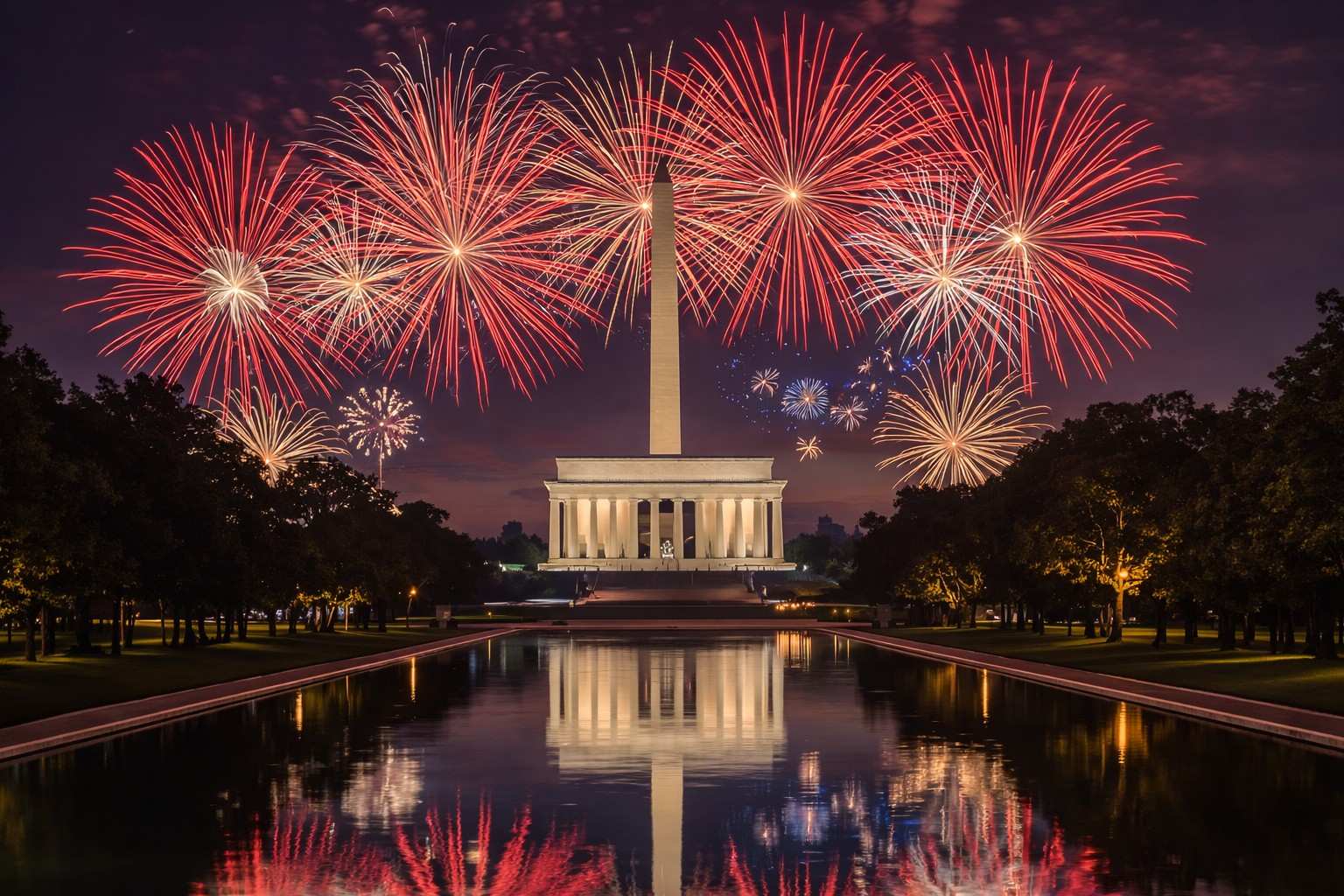
Washington DC is the most historically significant place to be the National Mall fills with hundreds of thousands of people, the fireworks launch from the Lincoln Memorial Reflecting Pool, and the setting is genuinely hard to beat. New York City’s Macy’s fireworks display over the East River is the most watched in the country. Boston’s Fourth of July on the Esplanade features the Boston Pops orchestra performing live before fireworks over the Charles River one of the oldest and most consistent July 4th traditions in the US. Philadelphia, where the Declaration was signed, holds events around Independence Hall. San Francisco’s fog sometimes obscures fireworks but the city still draws large crowds to its waterfront.
Is It Worth Traveling for July 4th Events in 2026
Depends on what you want. Major city celebrations mean large crowds, high hotel prices, and traffic. If you want the spectacle DC, New York, Boston — book accommodation months in advance and accept that July 4th weekend is one of the most expensive travel weekends of the year. Smaller cities and towns often have July 4th events that are more relaxed and genuinely community-oriented parades, local fireworks, picnics. These can be more enjoyable if the point is the holiday rather than the landmark.
★ My Top Pick
Bristol, Rhode Island. Arrive on Federal Street by 9:30am and position yourself near the Linden Place mansion, where the parade turns the corner. That moment — colonial architecture behind you, crowd three-deep on the curb — is one of the most genuinely American images you will see anywhere in the country. Stay through the afternoon cookout. Leave by 6pm to beat the traffic.
Fourth of July Travel Guide 2026 Tips That Actually Help
3-Day Itinerary — Washington D.C.
| Morning | Afternoon | Evening | |
|---|---|---|---|
| Day 1 · July 3 | Arrive, check in, walk the National Mall while it’s quiet | Smithsonian Museums (free entry + AC) | Scout fireworks spot; note metro exits |
| Day 2 · July 4 | Constitution Ave parade — arrive by 8:45am | BBQ lunch near Mall; afternoon concerts | Fireworks over Lincoln Memorial |
| Day 3 · July 5 | Late breakfast — city is calm | Georgetown neighborhood walk | Depart or extend to Philadelphia |
Essential Tips:
- Best day to arrive: July 3rd — one calm day to orient, plus informal pre-fireworks events often happen that evening.
- Worst area to stay: Directly on the parade route or fireworks perimeter — premium price, trapped by afternoon crowds.
- What to wear: Light cotton, comfortable shoes. Do NOT bring a large backpack — security screenings will slow you down significantly.
- Etiquette rule outsiders break: Don’t set off personal fireworks where they’re illegal. Half of U.S. states restrict them — locals get very annoyed.
- Safety tip: Establish a meeting point with your group before you lose cell signal in the crowd — and you will lose it.
- Best free thing: Any small-town parade. Best paid experience: Rooftop party in NYC or Chicago with an unobstructed sightline.
⚠️ The Mistake I Made
My first July 4th in a major city, I assumed fireworks would be visible from basically anywhere. I walked to what looked like a perfectly situated riverbank, stood there very confidently for 40 minutes, and then watched a single firework poke above a building before disappearing. A building.
What I thought: Line-of-sight to the river means line-of-sight to the sky.
What actually happened: The launch barge was 600 meters further south — directly behind a warehouse.
What to do instead: Search “[city name] July 4th fireworks viewing map” — most major cities publish an official viewing zone map. Takes four minutes to find.
Fourth of July Cost Guide What to Budget in 2026
| Category | Budget | Mid-Range | Splurge | Pro Tip |
|---|---|---|---|---|
| Accommodation | $80–$120/night | $150–$250/night | $400–$700+/night | Book 3+ months out |
| Food & Drinks | $20–$30/day | $50–$80/day | $120+/day | Grocery store cooler haul — locals do this |
| Local Transport | $5–$12/day | $20–$40/day | $80+/day | Rideshare surge is extreme on July 4th night |
| Festival Entry | Free | $20–$60 | $100–$250 | Free public events are genuinely excellent |
| Souvenirs | $0–$10 | $15–$40 | $60+ | Street vendors cheaper than airport shops |
| Daily Total | ~$110–$170 | ~$240–$430 | $600+ | All prices USD |
⚠️ Prices increase 30–60% during July 4th weekend in major cities. Book 2–3 months in advance.
Planning Guide for July 4th 2026
July 4th 2026 falls on a Saturday which means the federal holiday is observed on Friday July 3rd, giving most Americans a long weekend. This makes 2026 a particularly good year to travel for the holiday since the weekend lines up cleanly. Book flights and hotels by March if you’re targeting a major city. For road trips, expect heavy traffic on July 3rd afternoon and July 5th evening the two bookend travel periods. Fireworks start between 9 and 10pm in most locations. Bring something to sit on, arrive early to get a good spot, and have a plan for getting back public transport gets overwhelmed immediately after fireworks end.
7 Things Most Articles Don’t Tell You About the Fourth of July
Americans spend roughly $1 billion on fireworks every year — but two-thirds of it is consumer fireworks, not professional displays. In states where they’re legal, ordinary households buy mortars, Roman candles, and aerial shells. In many neighborhoods, the “show” is a decentralized, occasionally chaotic, entirely amateur production that goes until 2am.
The official July 4th hot dog count is around 150 million consumed in a single day. The National Hot Dog and Sausage Council (yes, that is a real organization) tracks this annually. The beef frank in a steamed white bun is a cultural artifact as deliberate as any parade float.
John Adams thought July 2nd was the correct date to celebrate. The vote for independence passed on July 2, 1776 — the Declaration was adopted two days later. Adams died on July 4, 1826, exactly 50 years after the Declaration, as did Thomas Jefferson, on the very same day.
In many communities, fireworks are actually a source of serious annual stress. Veterans with PTSD, pet owners, and elderly residents frequently describe July 4th night as something to endure. Many cities are now phasing in drone light shows as alternatives — a shift that reveals real tension beneath the patriotic surface.
Small towns often throw more impressive parades than major cities. The parade in Peachtree City, Georgia involves the actual community — the Little League team, the 4th-grade class, the local Korean-American cultural association. No celebrity grand marshal. The float is a flatbed truck with crepe paper. It’s unexpectedly moving.
The color red is the hardest to produce in fireworks. Pyrotechnic chemistry uses strontium salts for red, barium for green, copper for blue. Red fades fastest — the most vivid reds appear in the first half of any show, before heat and humidity affect the burn chemistry.
Some of the most powerful celebrations happen in communities with complex histories with American patriotism. Native American communities, immigrant neighborhoods, historically Black cities — many have developed parallel traditions that coexist with and complicate the mainstream version. Attending one gives you an entirely different angle on what the holiday means in practice.
Fourth of July Mistakes First-Timers Almost Always Make
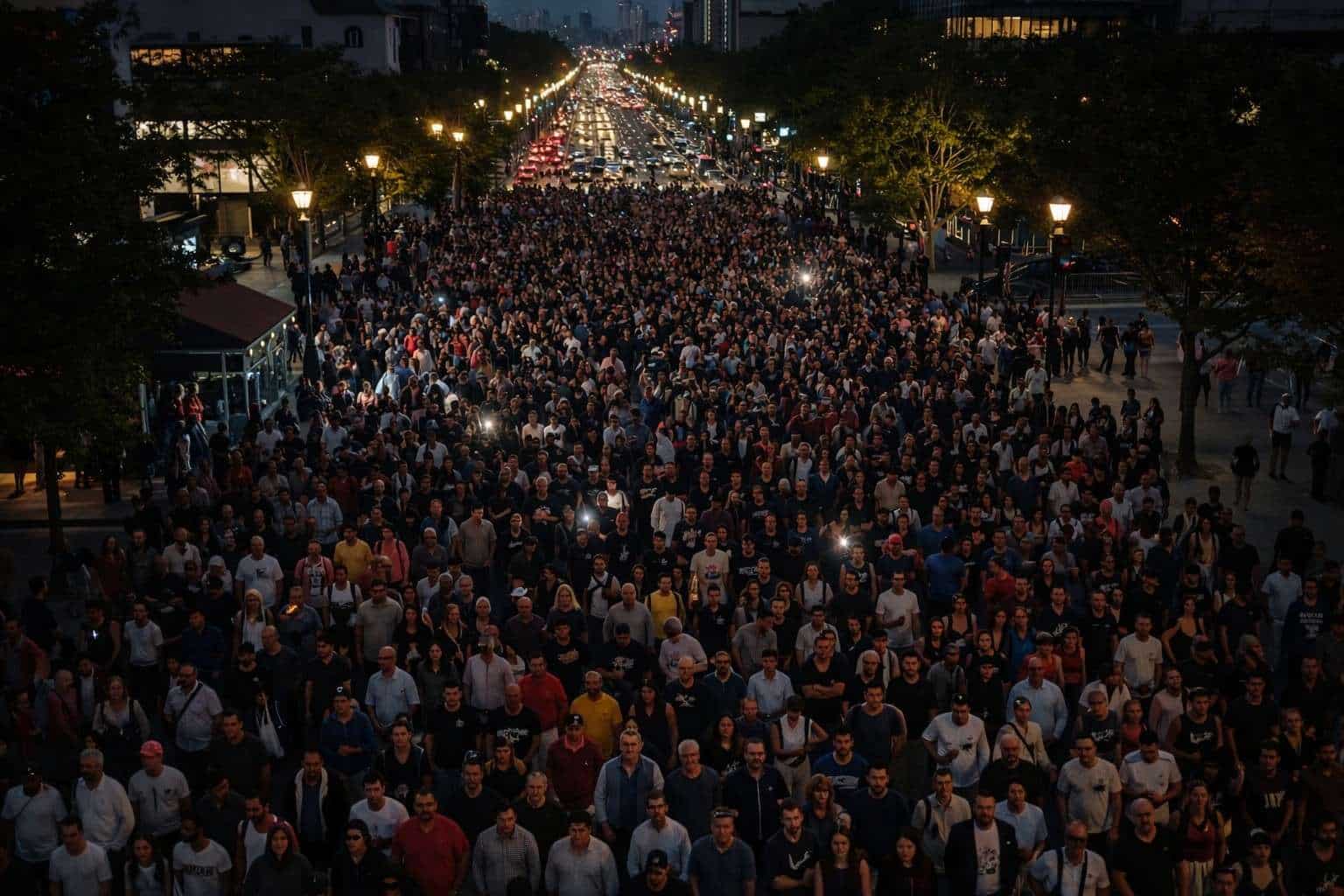
❌ Arriving at the viewing spot 20 minutes before fireworks.
Why it hurts: Best sightlines fill 1–2 hours before the show. You’ll end up watching over strangers’ heads from half a mile away.
✅ Fix: Choose your spot on a map the day before. Arrive 90 minutes early with a blanket, snacks, and a portable charger.
❌ Booking a hotel on the parade route or fireworks perimeter.
Why it hurts: Road closures begin 6–8 hours before events — you can be locked in or out of your hotel by early afternoon.
✅ Fix: Stay one or two metro stops away. Less money, more freedom.
❌ Wearing synthetic fabrics near consumer fireworks.
Why it hurts: Polyester and nylon catch embers and melt. Burns from sparkler embers are among the most common July 4th injuries.
✅ Fix: Cotton only for outdoor evening celebrations.
❌ Ordering food delivery on July 4th evening.
Why it hurts: Delivery times routinely exceed two hours in major cities as roads close and demand spikes.
✅ Fix: Eat before 6pm, buy groceries the day before, or find a food truck near your viewing spot.
❌ Photographing strangers at private celebrations without asking.
Why it hurts: Backyard barbecues and block parties are private events. Taking photos without permission creates immediate suspicion.
✅ Fix: Ask. “Can I take a photo?” gets a yes 90% of the time — plus an invitation to stay for a burger.
❌ Carrying large amounts of cash and valuables into major fireworks crowds.
Why it hurts: Post-fireworks crowd dispersal in near-darkness is a prime pickpocketing environment.
✅ Fix: One card, your phone, and cash you need for the night. Everything else stays at the hotel.
Top 4th of July Events by State
Best Places to Visit for Fourth of July in the US
Beyond the major cities: Gatlinburg, Tennessee holds a midnight parade one of the few July 4th parades that starts at midnight and runs into the early morning. Bristol, Rhode Island has the oldest continuous July 4th parade in the US, running since 1785. Addison, Texas near Dallas hosts one of the largest fireworks displays in the South. Leavenworth, Washington a Bavarian-themed town has a surprisingly popular July 4th celebration. Key West, Florida does it differently more street festival than formal parade. Each of these draws crowds that are manageable compared to DC or New York.
Fourth of July Questions Travelers Actually Ask
How do I get to Washington D.C. from the nearest major airport for July 4th?
Reagan National Airport (DCA) connects directly to the metro — take the Blue or Yellow Line to Smithsonian or L’Enfant Plaza, both a short walk from the National Mall. The ride takes about 25 minutes and costs under $3. Book all tickets well in advance as every route into D.C. fills over the holiday weekend.
Is the Fourth of July safe for solo female travelers?
Yes, the holiday is generally very safe for solo female travelers. Public events are heavily staffed with law enforcement. The main concern is crowd density — stay in well-lit areas, keep your phone charged, and have a clear exit route in mind before the fireworks end.
What should I wear to Fourth of July celebrations?
Light cotton in red, white, and blue — comfortable and genuinely expected. Wearing the national colors is participatory rather than performative here. Closed-toe shoes are recommended for outdoor events where you’ll be standing on grass or gravel for hours.
How much does the Fourth of July cost per day in 2026?
A budget traveler can manage on $80–$120 using free public events, public transit, and grocery store food. Mid-range visitors should expect $200–$350. Accommodation is the biggest variable — budget 50–80% higher than normal in major cities during the holiday weekend.
Is the Fourth of July too crowded for first-time visitors?
In major cities, yes — it can be overwhelming. Washington D.C. draws over 700,000 people to the Mall alone. If you’ve never navigated a large American crowd, consider Bristol, Rhode Island or a Colorado mountain town where the experience is genuine but the scale is human.
Where should I stay near Fourth of July events?
Stay one or two metro stops — or a 15-minute walk — away from the main event. In D.C., Dupont Circle or Capitol Hill offer far more reasonable rates than hotels facing the Mall directly. In New York, Brooklyn and Queens deliver great East River views without Manhattan prices.
Can I attend Fourth of July celebrations without booking in advance?
The public events themselves — parades, fireworks, park concerts — need no ticket or reservation. But restaurants, rooftop parties, and accommodation will be scarce without advance booking. If arriving without plans, head to any public park with a blanket and a celebration will find you.
If I only have one day, which part of July 4th should I prioritize?
The morning parade (if you’re somewhere with a strong local tradition — Bristol, R.I.; Philadelphia; any small town) and the evening fireworks. The afternoon barbecue hour is wonderful but requires knowing someone or finding a public park event — harder to access as a solo visitor. The fireworks are universal and require nothing except showing up.
— ★ —
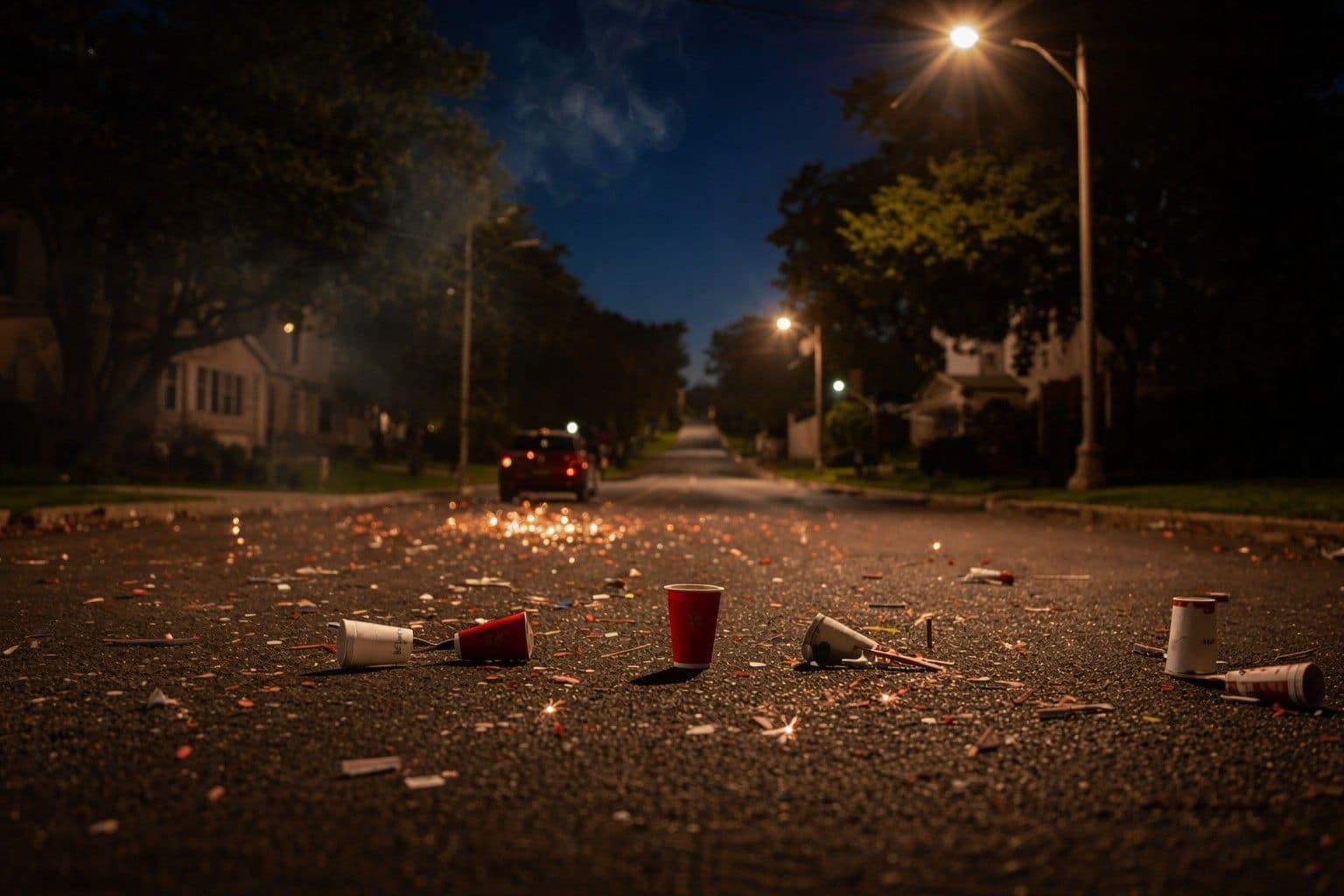 The streets empty fast after the finale. You’re standing where 50,000 people just were, and now it’s drifting smoke, crushed cup lids, and a few lost sparkler wands on the pavement. An older man is carefully folding a lawn chair his wife handed him — methodically, like he’s done it forty times, because he has. She’s already walking.
There’s something in that ritual — the folding of the chair, the smoke clearing, the normalcy snapping back in — that tells you more about this country than any parade speech did. The celebration ends, and everyone goes home. The same streets, the same quiet. As if the whole thing was always going to be temporary, and everyone was always fine with that.
It made me think: how often do we show up for the spectacle and forget to watch what people do when it’s over?
— Marcus, traveling from London

Abhay Ramola researches world festivals across primary sources, local accounts, and on-ground reporting. He founded Dionfest to cover what gets missed when festivals become tourism content the history, the ritual, and the people behind it.


1 thought on “Ultimate Fourth of July Travel Guide 2026: Dates, Tips & What to Expect”