
International Day of Peace: The Hidden Blueprint for Global Harmony

Imagine a world where every war pauses for 24 hours. Weapons go silent. Aid trucks rush into conflict zones. Families breathe a sigh of relief. This is not a utopian dream. It happens every year on September 21.
The International Day of Peace is more than just a date on a calendar. It is a highly strategic, global framework designed to build sustainable harmony. Whether you are a student, an activist, or just someone tired of local division, understanding this day can help you create real change in your own neighborhood.
What is the History of Peace Day?
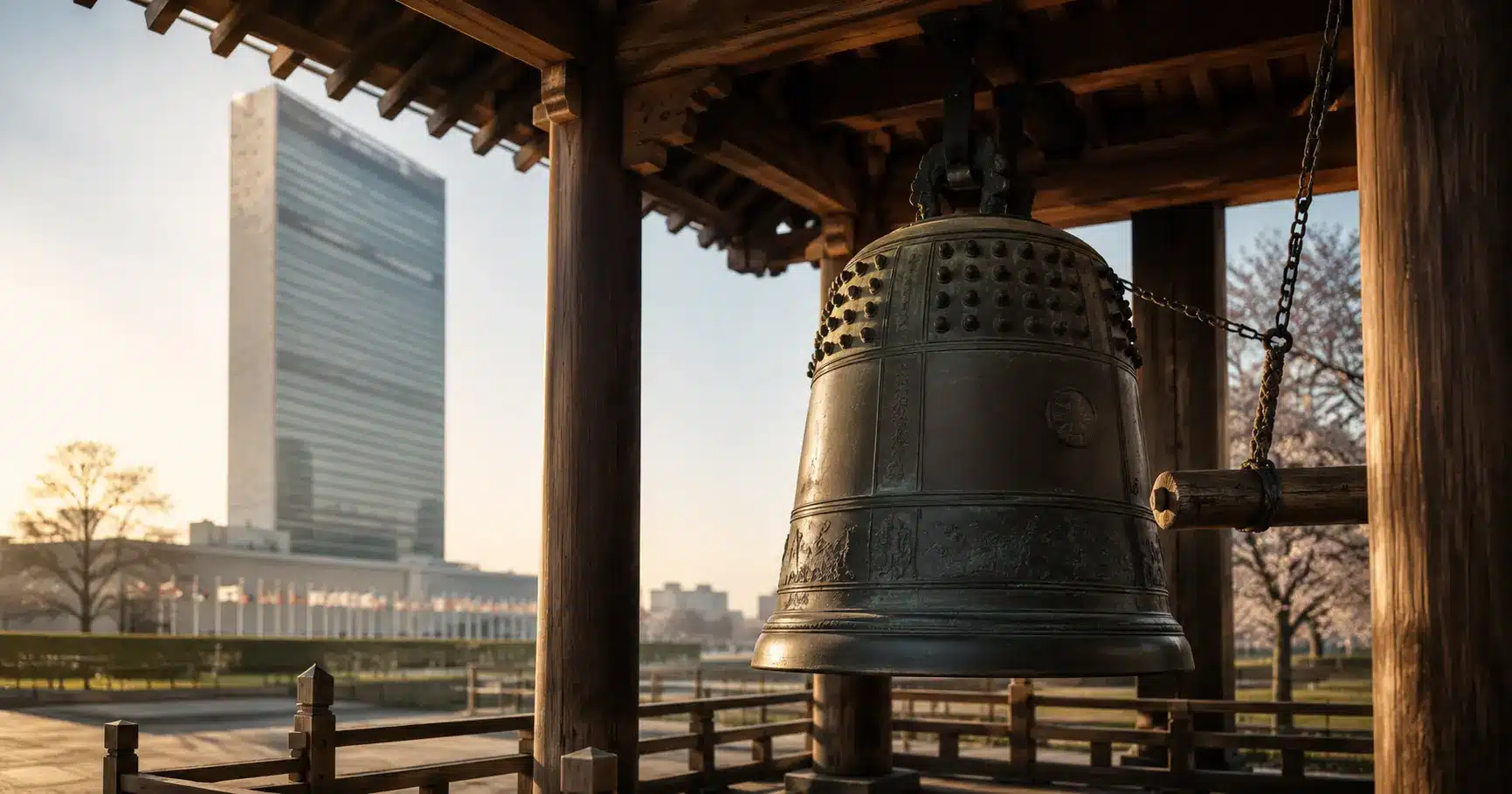 The United Nations General Assembly established this special day in 1981. Originally, the world celebrated it on the third Tuesday of September. This coincided with the opening day of the annual UN sessions.
Everything changed in 2001. The UN officially fixed the date as September 21. They also declared it a period of non-violence and a global ceasefire.
The Peace Bell at the UN Headquarters in New York City rings out to start the day. Workers cast this famous bell using coins donated by children from over 60 countries. It serves as a powerful reminder of the human cost of war.
1981: UN establishes Peace Day (celebrated on the third Tuesday of September).
2001: UN fixes the date permanently on September 21 as a 24-hour global ceasefire.
Why the International Day of Peace Matters More Than Ever
Global conflict reached a 30-year high recently. Millions of people face displacement due to violence. This reality makes a dedicated day of harmony incredibly urgent.
True harmony requires more than just lowering our weapons. It demands the construction of societies where all members can flourish. True peace means access to clean water, quality education, and fair legal systems.
When communities focus on shared human experiences, local crime rates drop. Economic opportunities grow when people feel safe. Embracing this day helps us build stronger foundations for our shared future.
The Hidden Mechanics of Global Ceasefires
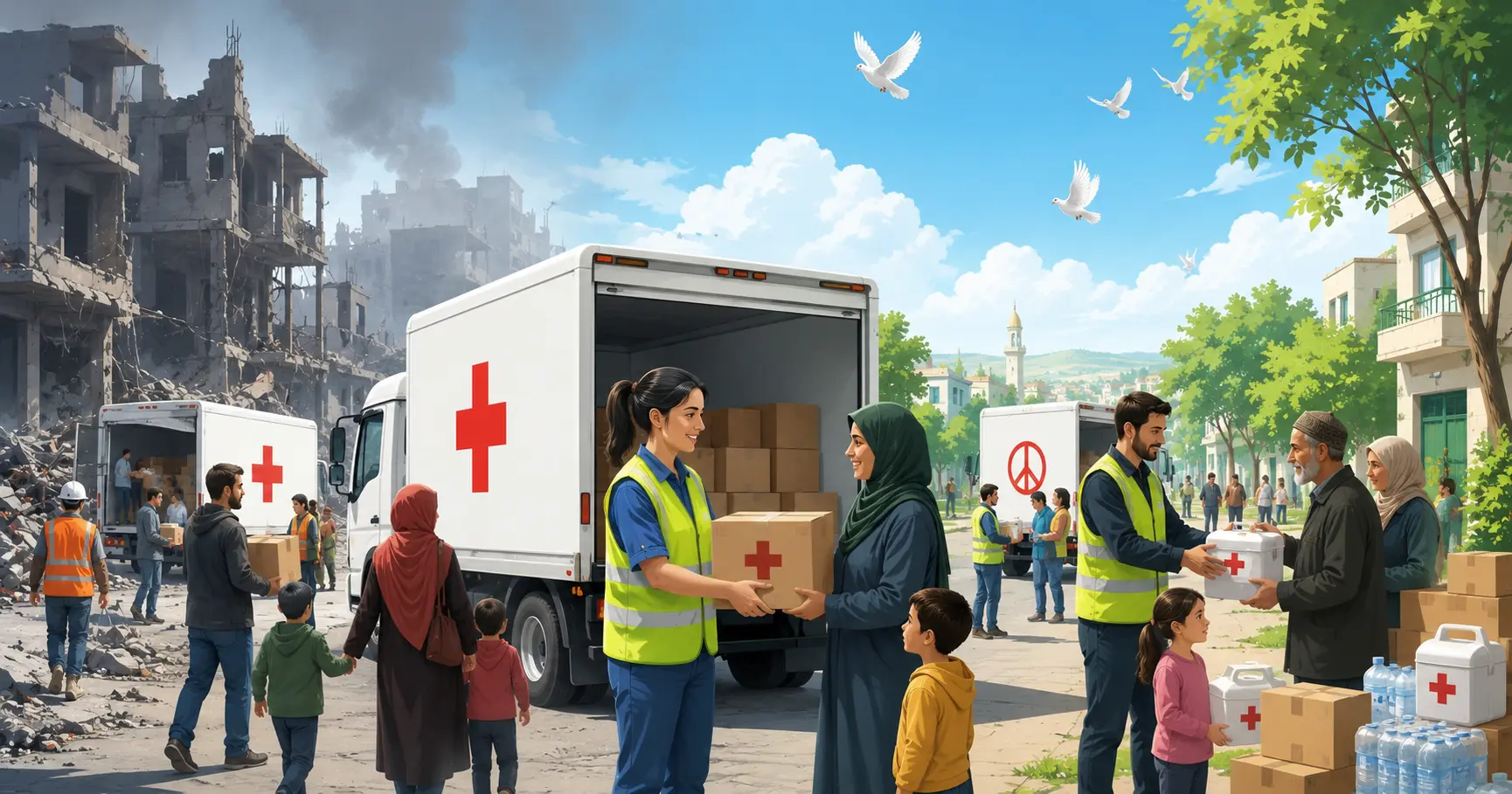 Many people assume the International Day of Peace is just symbolic. In reality, it provides a vital window for humanitarian workers.
During these temporary ceasefires, aid organizations achieve incredible goals. They deliver life-saving vaccines to children in active war zones. They drop off tons of food and clean water to trapped civilians.
These 24-hour pauses prove that combatants can choose diplomacy over violence. It creates a psychological crack in the wall of endless conflict. If nations can stop fighting for one day, they can learn to stop forever.
How Cultural Celebrations Build True Harmony
Peace is not a static concept. It is a living, breathing practice shaped by cultural exchange.
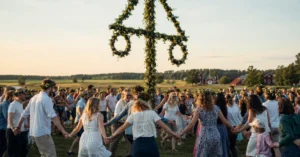
Festivals and community gatherings play a massive role in breaking down historical biases. When we share food, music, and stories, we realize our similarities outweigh our differences. Cultural celebrations act as the ultimate tool for social healing.
If you love exploring how global traditions bring people together, you can discover amazing festivals across the globe on Dionfest. Understanding these diverse celebrations helps us appreciate our shared global heritage.
Practical Steps to Celebrate the International Day of Peace
You do not need to be a politician to make an impact. Change starts with small, deliberate actions in your immediate surroundings.
Organize a local dialogue group to discuss community issues safely. Complete honesty helps neighbors understand different perspectives and resolve old arguments.
Plant a peace tree at a nearby park or school yard. This acts as a living symbol of growth, patience, and unity for the next generation.
Practice a personal media fast for the entire 24-hour period. Disconnecting from negative online comments helps clear your mind and lowers personal anxiety.
Support organizations that assist refugees fleeing international conflicts. Donating clothes or volunteering your time directly eases the suffering of displaced families.
Frequently Asked Questions
What is the official theme for the International Day of Peace?
The United Nations selects a unique theme every year. These themes usually focus on combating racism, addressing climate change, or promoting human rights. You can check the official UN website each summer to see the latest focus area.
How can schools participate in Peace Day?
Schools often observe a minute of silence at noon across all time zones. Teachers can also introduce conflict resolution games and art projects. Students can write letters to pen pals in other countries to build empathy.
Who can observe the International Day of Peace?
Every single person on Earth can participate in this event. It belongs to no single nation, religion, or political group. It is a universal human celebration open to individuals, schools, businesses, and governments alike.
What is the difference between World Peace Day and Veterans Day?
Peace Day focuses on global non-violence, ceasefires, and future harmony. Veterans Day honors the brave individuals who served in a nation’s military forces. One looks toward a world without war, while the other remembers historical sacrifice.
A Final Thought on Global Unity
The International Day of Peace reminds us that conflict is a choice, not an inevitability. By dedicating 24 hours to global harmony, humanity proves it can choose a better path.
True unity does not happen overnight. It builds slowly through daily acts of kindness, empathy, and open communication. Let this global event inspire you to be the anchor of calmness in your own community today.

Abhay Ramola researches world festivals across primary sources, local accounts, and on-ground reporting. He founded Dionfest to cover what gets missed when festivals become tourism content the history, the ritual, and the people behind it.

1 thought on “International Day of Peace: The Hidden Blueprint for Global Harmony”