Bastille Day 2026: The Fireworks Date Just Changed
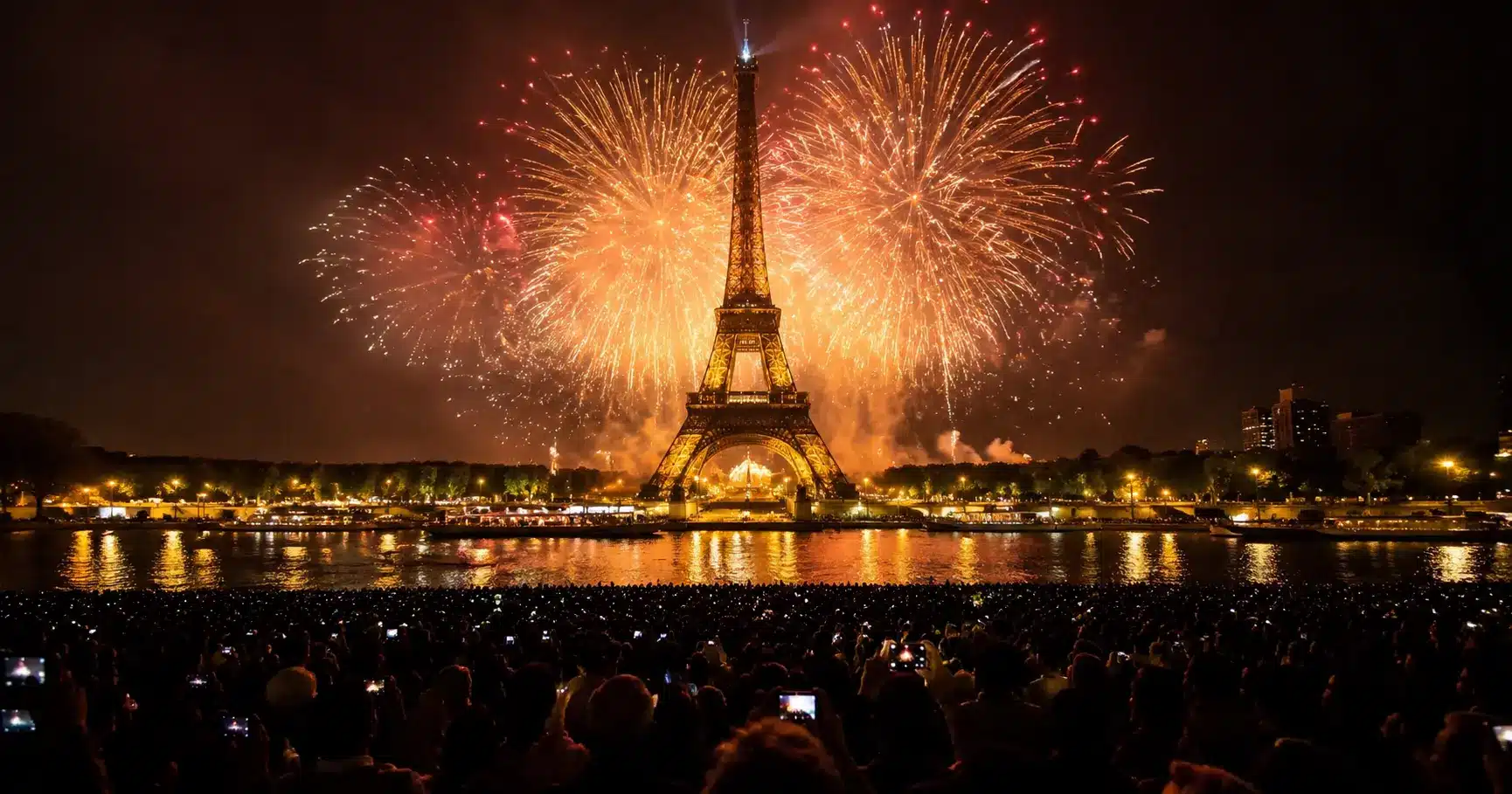
For 130 years, fireworks have lit up the Eiffel Tower on the night of July 14. This year, they won’t. The City of Paris has moved the display to July 13, a one-day shift made so July 14, 2026 can be set aside as a day of remembrance. It marks ten years since a truck was driven into a crowd of Bastille Day spectators in Nice, killing 86 people. The military parade still goes ahead on the 14th, exactly as it has since 1880. For the first time, the fireworks and the anniversary they once shared a date with have been deliberately pulled apart.
That’s the headline change for 2026. Everything else, the parade, the firefighters’ balls, the picnics in every town square in France, happens the way it always has.
In short: Bastille Day, also called La Fête Nationale or le 14 juillet, is France’s national holiday, celebrated every July 14 since 1880. It marks the 1789 storming of the Bastille prison and the start of the French Revolution. The day is marked nationwide with a military parade, fireworks, and public dances, with the biggest events held in Paris.
Key Facts: Bastille Day 2026
| Also known as | La Fête Nationale, Le Quatorze Juillet |
| Date | Tuesday, July 14, 2026 |
| Military parade | July 14, 10:00 AM to 12:00 PM, Champs-Élysées, Paris |
| Eiffel Tower fireworks | Moved to Monday, July 13, 2026, around 11:00 PM (35-minute show) |
| Type | French national public holiday |
| Commemorates | Storming of the Bastille (14 July 1789) and the Fête de la Fédération (14 July 1790) |
| Official holiday since | 1880 |
| Celebrated in | France, plus French communities in 50+ countries worldwide |
What Is Bastille Day? History and Origin
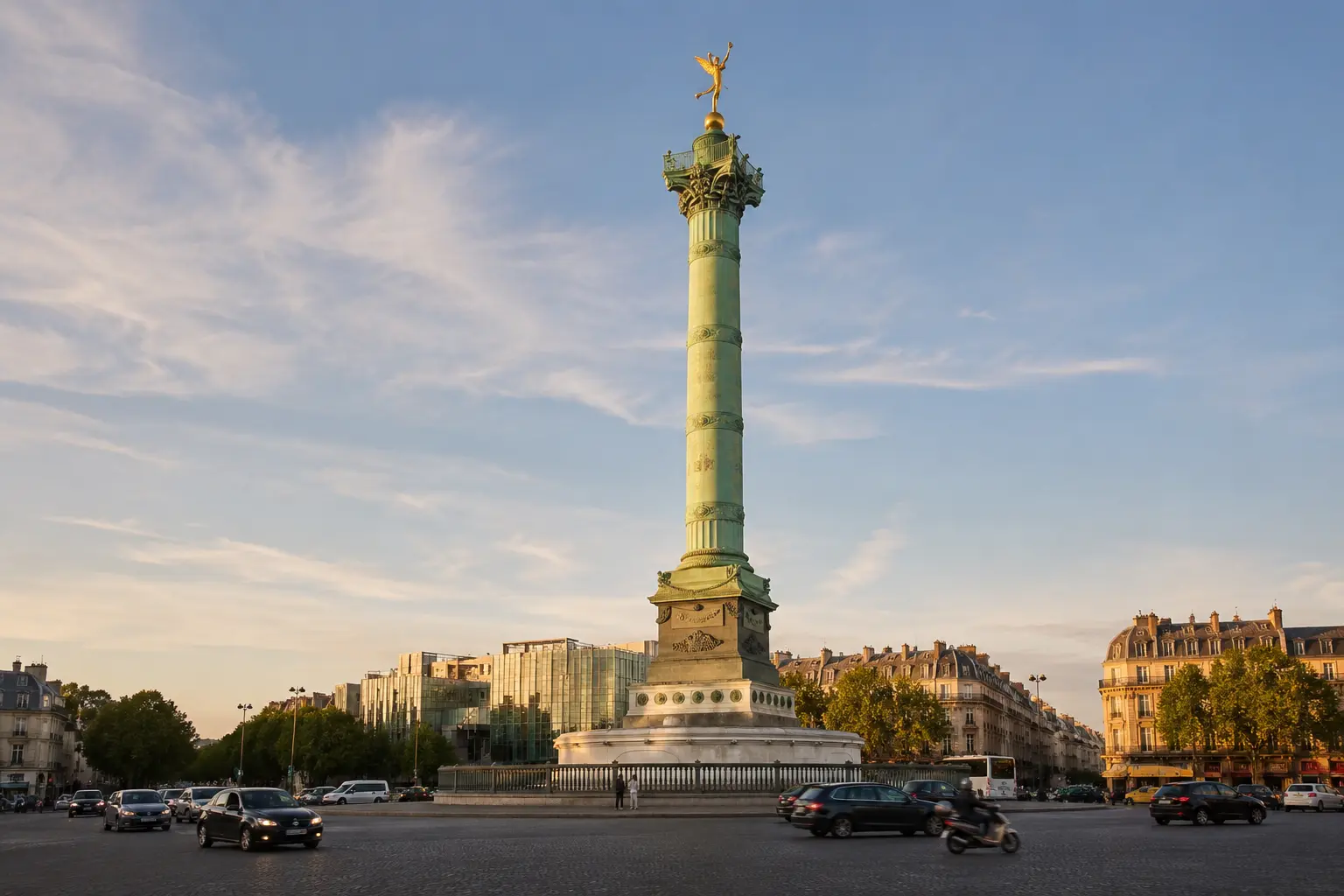 On the morning of July 14, 1789, a crowd of Parisians, already armed with muskets and cannons looted from the Hôtel des Invalides, marched on the Bastille, a fortress-prison that symbolized the unchecked power of the French monarchy. The prison held only seven inmates at the time, none of them politically significant. That didn’t matter. It was the gunpowder stored inside, and what the building represented, that the crowd was after. Fighting broke out, the governor surrendered, and by the end of the day the Bastille had fallen. Within weeks, feudalism was abolished and the Declaration of the Rights of Man was signed.
A year later, on July 14, 1790, a very different event took place on the same date: the Fête de la Fédération. Where 1789 was bloodshed, 1790 was reconciliation, a planned, peaceful celebration of national unity, with 260,000 people gathering on the Champ de Mars in pouring rain to watch the National Guard take an oath to the new constitution.
When France’s Third Republic was deciding, in 1880, which date should anchor a new national holiday, this overlap turned out to be convenient. Lawmakers were uneasy about founding a national celebration purely on an act of violent uprising, so the law that created the holiday folded both events into one date. Officially, July 14 honors both the storming of the Bastille and the Fête de la Fédération. That’s the quiet reason the day carries two moods at once: a sharper, revolutionary edge in the morning parade, and a softer, unifying family-festival tone by evening.
The result is France’s motto made visible for one day a year: Liberté, Égalité, Fraternité. Liberty, equality, fraternity.
Bastille Day 2026: Date, Timing, and the Schedule Change
Bastille Day 2026 falls on Tuesday, July 14. That part doesn’t change. What changes this year is when Paris sets off its fireworks.
Normally, the Eiffel Tower display happens on the night of the 14th, right after the parade and ahead of the firefighters’ balls. For 2026, Paris Mayor Emmanuel Grégoire, with the agreement of President Emmanuel Macron, moved the display forward to the evening of Monday, July 13. The reason is specific: July 14, 2026 marks ten years since the 2016 Nice attack, in which a truck was driven into a Bastille Day crowd on the Promenade des Anglais, killing 86 people and injuring 458. The city wants July 14 itself to carry the weight of that commemoration, without a fireworks show competing for attention the same night.
Here’s how the two days break down:
- July 13 (Monday): a free symphony concert at the Champ de Mars from 9:00 PM, followed by the Eiffel Tower fireworks at around 11:00 PM, running roughly 35 minutes.
- July 14 (Tuesday): the military parade, 10:00 AM to noon along the Champs-Élysées, from the Arc de Triomphe to Place de la Concorde, followed that evening by the firefighters’ balls.
Outside Paris, nothing shifts. Smaller military parades in garrison towns like Toulon and Belfort, and the bals populaires (public dances) held in towns across the country, still happen on the 14th as usual.
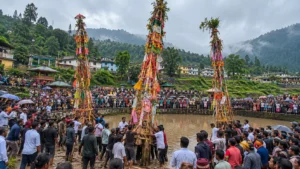
Worth a small detour here: the same opening week of July, India is in the middle of an entirely different national tradition. Van Mahotsav, a week of organized tree-planting that runs July 1 to 7, has nothing to do with revolutions or fireworks, but it’s the same basic instinct underneath, marking national identity through coordinated public action, just expressed through saplings instead of parades.
How Is Bastille Day Celebrated? Traditions and Rituals
The military parade
The Bastille Day parade is the oldest and largest regular military parade in Europe, held on the Champs-Élysées every year since 1918, with exceptions during the German occupation of 1940 to 1944 and the 2020 pandemic. In a typical year, more than 6,600 personnel take part, alongside roughly 190 Republican Guard horses, close to 300 vehicles, and around 90 aircraft. The event opens and closes with a flypast by the Patrouille de France, the air force’s aerobatics squadron, trailing blue-white-red smoke over the avenue. The President of France presides from Place de la Concorde, alongside government ministers and foreign dignitaries.
The fireworks
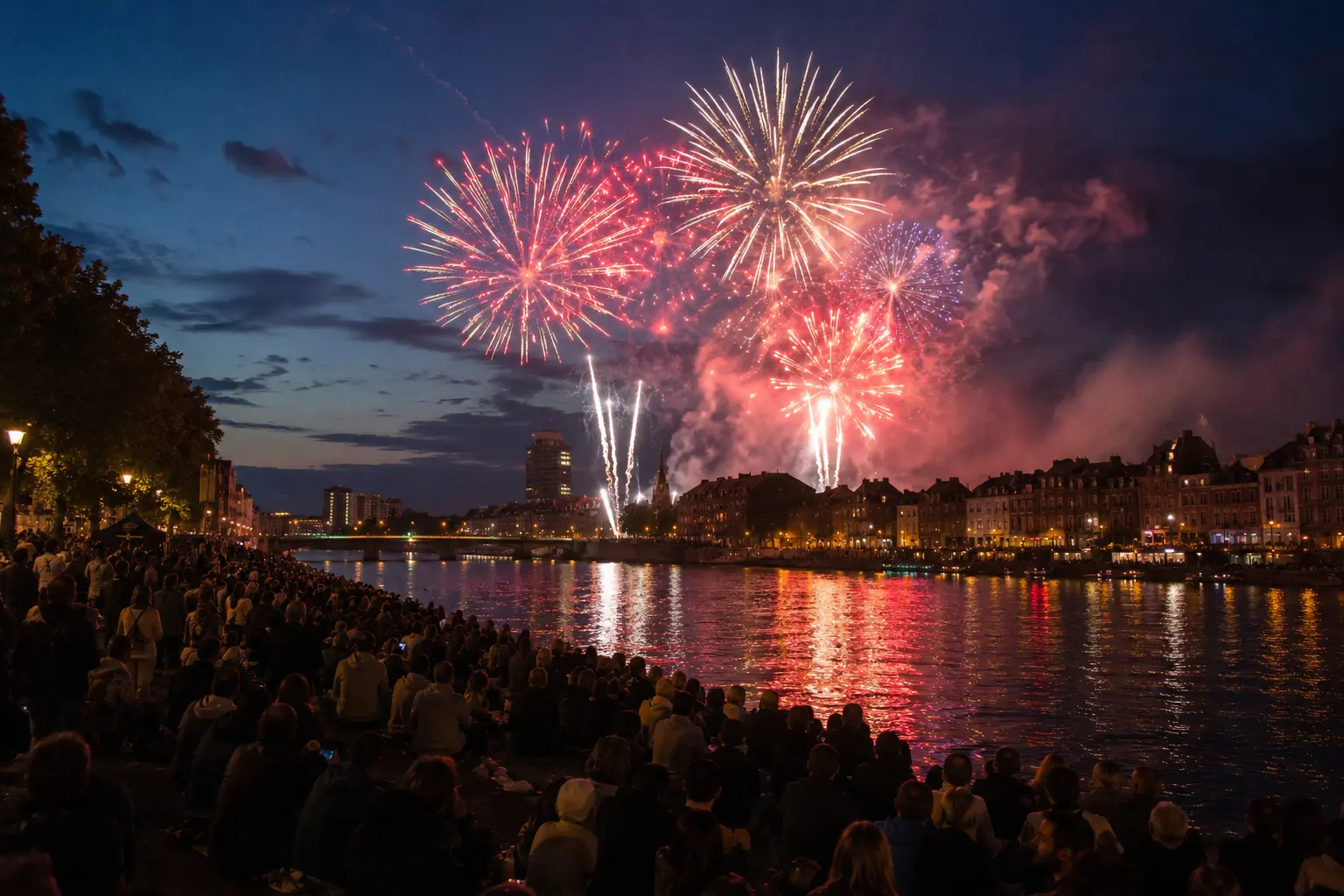
Whichever night they fall on, the fireworks launch from the Eiffel Tower, Iéna Bridge, and the Trocadéro Gardens, set to a different musical and visual theme each year. The Tower itself is part of the choreography, which is rarer than it sounds. Most fireworks shows don’t get to use a 330-metre landmark as their stage.
Bals des pompiers, the firefighters’ balls
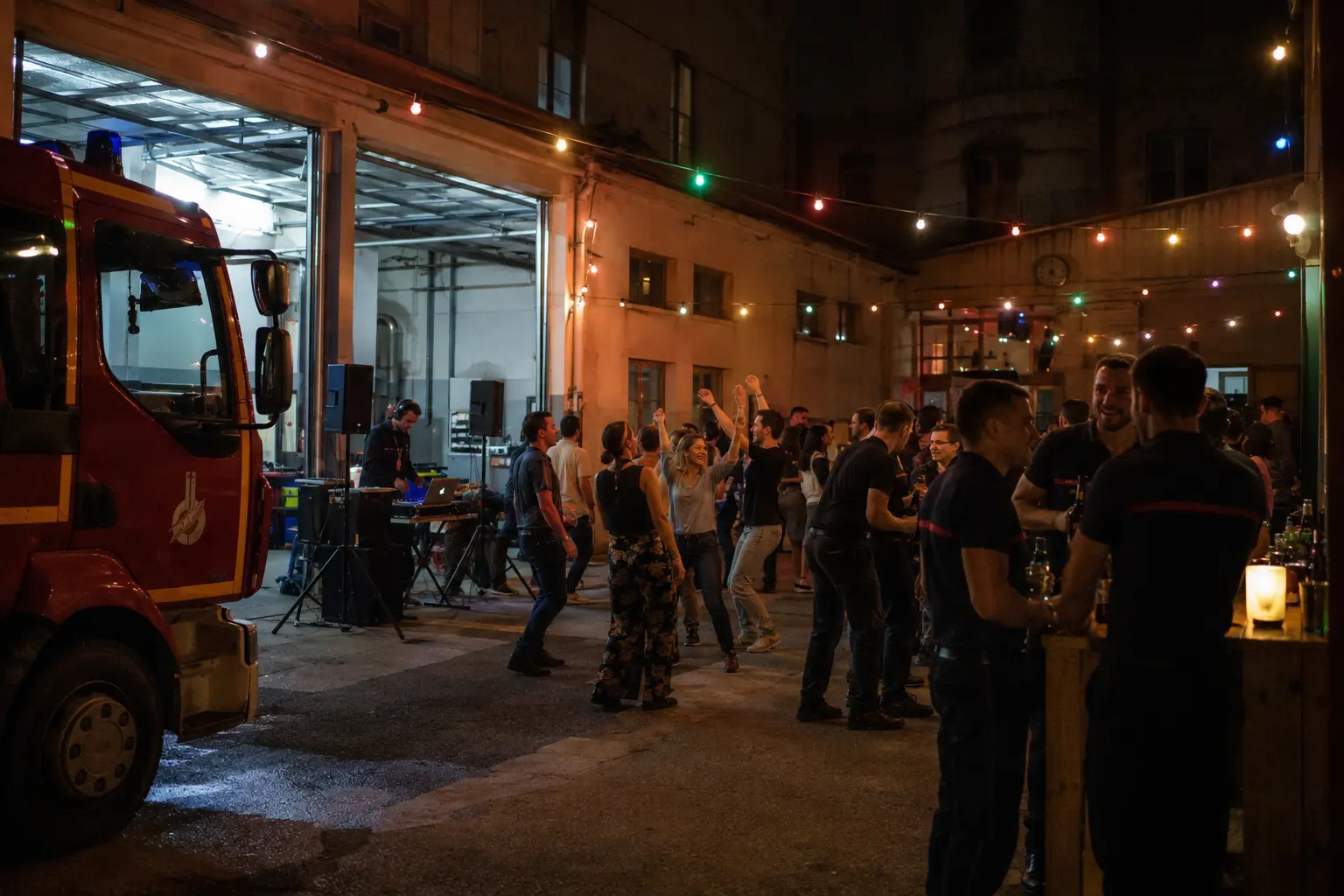 This is the tradition most foreign visitors have never heard of, and the one locals talk about more than the parade. On the night of the 13th, and in many towns the 14th too, fire stations across France throw open their courtyards for parties that run until 4 AM. The custom traces back to 1937, when a group of Parisians followed firefighters home from the parade to a station in Montmartre, and the firefighters simply let them stay. It caught on. Entry is usually a token €2 to €3 donation into a barrel at the door, funding station upkeep. Inside, expect a live band or DJ, a bar staffed by off-duty firefighters, and a crowd ranging from teenagers to grandparents. Less formal ball, more block party with a fire engine parked nearby.
It also depends a lot on where you go. Coline, a 28-year-old who attended the Paris ball at the Monnaie de Paris (France’s Mint) in 2023, told Euronews Culture she was dazzled by the venue: multiple bars, lights everywhere, a stage with a DJ. The firefighters, she said, are “super welcoming and are clearly there to party”, spending the night behind the bar pouring out champagne, beer, and wine. Her one piece of advice is to leave by midnight, once the crowd thickens and turns rowdier. Estelle, who attended a ball in Lyon, had a rougher time of it. She found the choreographed routines from shirtless, pole-sliding firefighters more tacky than magical, and flagged a real problem: nobody was checking IDs at the door, and the crowd skewed noticeably underage. So this isn’t one uniform experience. Which version you get depends heavily on the city and the specific station, which is worth knowing before assuming every bal looks like the clips going around Instagram.
Picnics and bals populaires
Away from the spectacle, most of France spends the day exactly as the date’s second namesake, the Fête de la Fédération, intended: outdoors, with people they like, eating. Riverside picnics, garden parties, and small-town public dances fill the afternoon and evening in towns that will never make a tourist itinerary.
Where to Experience Bastille Day: Paris and Beyond
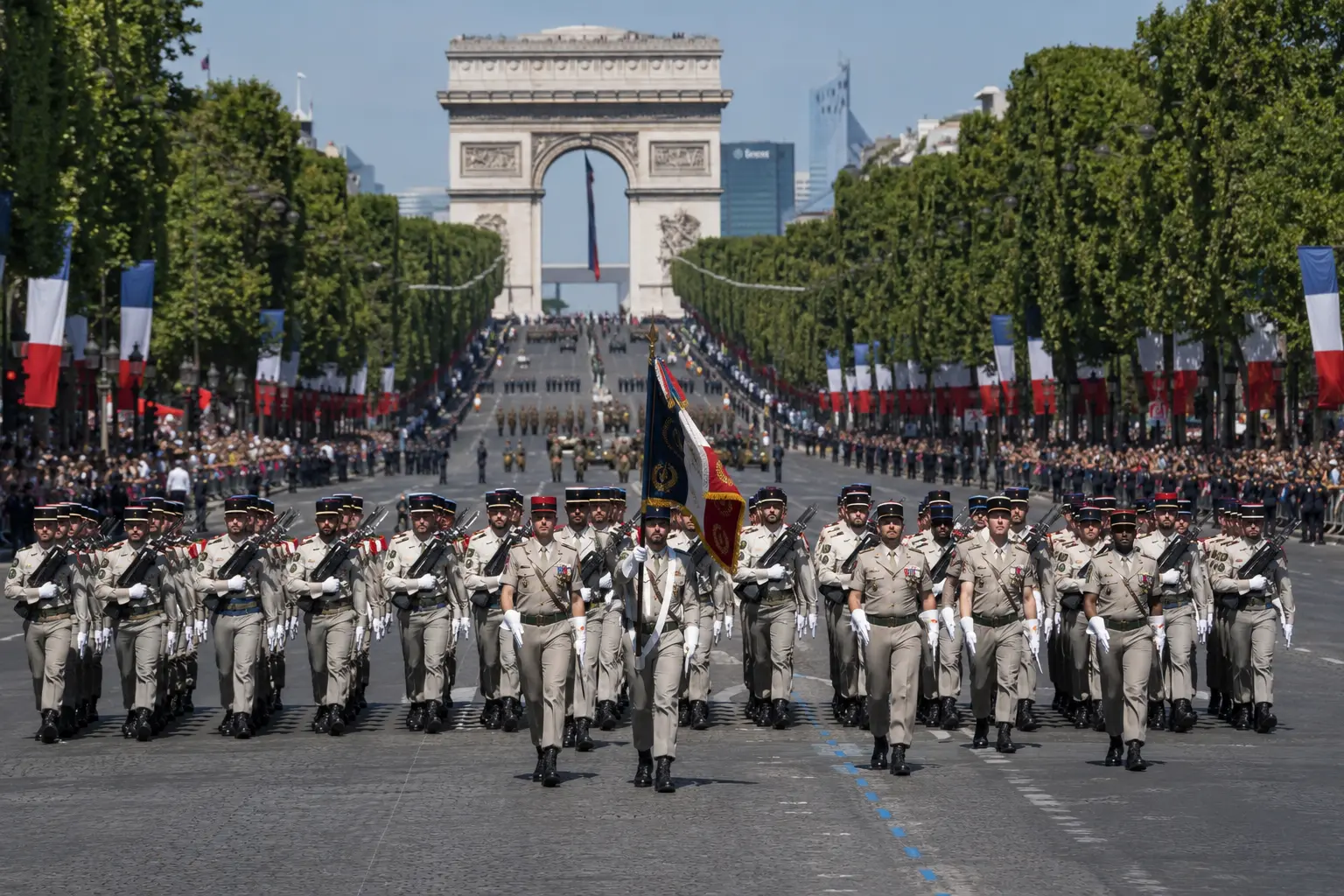 In Paris, the two best free fireworks viewing spots are the Champ de Mars (behind the Tower) and the Trocadéro Gardens (facing it across the Seine). Both fill up by mid-afternoon; arriving by 4 PM for the 11 PM show is the standard local advice. The parade route along the Champs-Élysées is free to watch from the pavement, though security checks start early.
Elsewhere in France, Toulon and Belfort hold their own, smaller military parades with local garrisons, a quieter, regional alternative to the Paris spectacle.
Outside France, Bastille Day has a surprisingly long international footprint. Liège, Belgium has celebrated it every year since the end of WWI, in recognition of the city’s wartime resistance, and draws around 35,000 people, sometimes outdrawing Belgium’s own national holiday. Pondicherry, India, a former French colony, still marks the day with notable festivity. Papeete, Tahiti turned the one day colonial-era Tahitians were permitted to hold sport and dance competitions into Heiva i Tahiti, now a major standalone festival with canoe races and fire walking. New York, Toronto, London, Prague, and Budapest all host French-community street festivals, markets, or concerts, usually timed to the nearest weekend rather than the exact date.
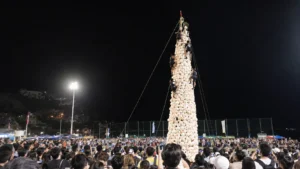
If you’re the kind of traveler who plans a whole summer around festival dates, it’s worth knowing mid-July isn’t only France’s moment. Kyoto’s Gion Matsuri reaches its own climax with float processions around the same stretch of the calendar, on the other side of the world entirely.
Practical Guide: What to Wear, Eat, and Expect
 There’s no traditional Bastille Day dress. Locals wear ordinary summer clothing; it’s mid-July, and most events are outdoors. If you want to lean into it, tricolor accents like a blue-white-red scarf or pin are common at expat events abroad, though rare among French people themselves, who tend to treat patriotic display as a bit much.
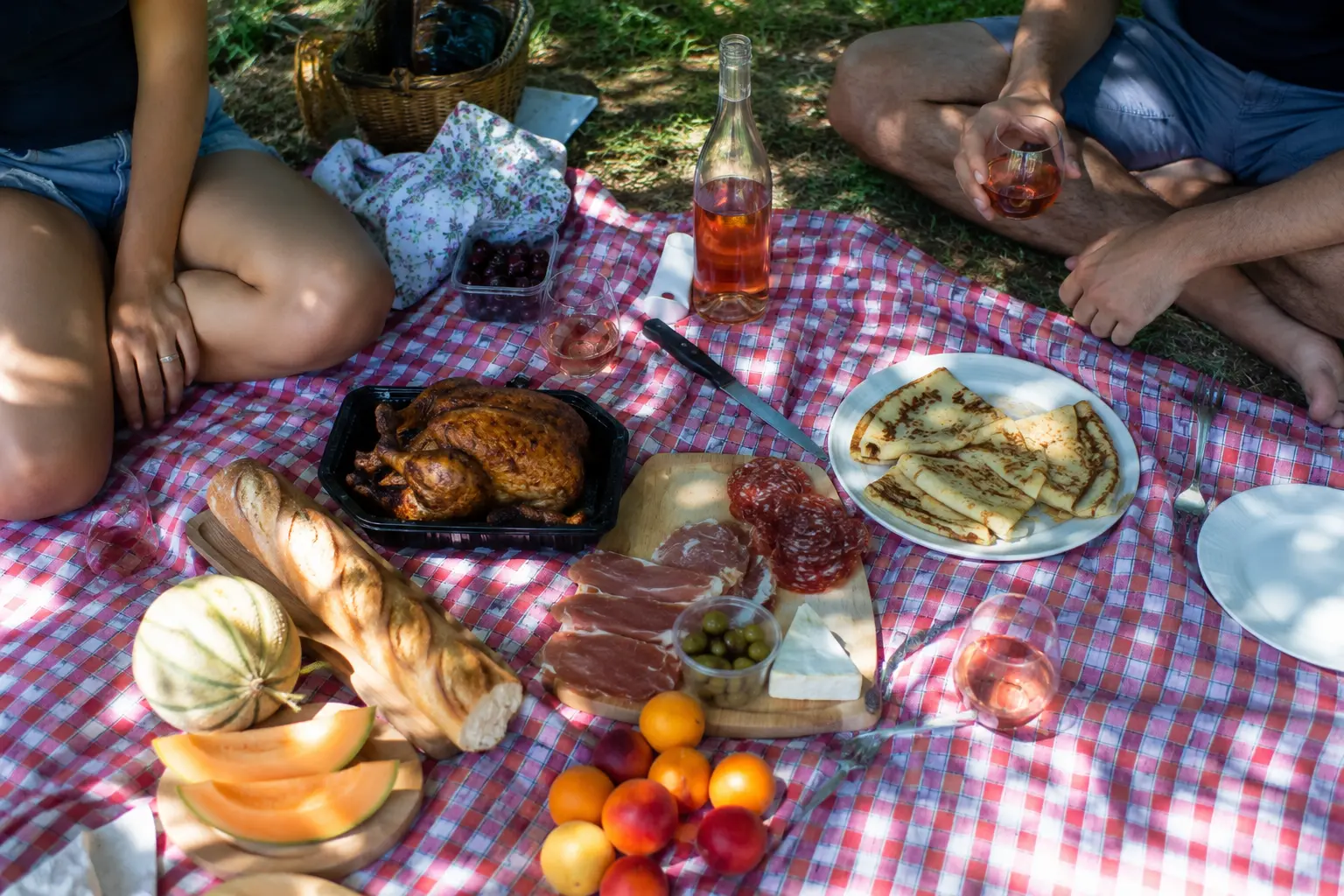
Food is the other place where the day quietly resists being turned into a theme. Unlike a lot of festivals, Bastille Day has no official dish. The day’s food culture is really an extension of French summer: picnics, rotisserie chicken from the market, crêpes, charcuterie boards, salads, and whatever’s in season, tomatoes, stone fruit, melon. If there’s a theme at all, it’s “peasant food,” a nod to the popular uprising the day commemorates, but nobody enforces it. Tricolor desserts show up far more at French-themed parties abroad than they do in France itself.
A few logistics worth knowing before you go: the Paris Métro stops running around 12:30 AM on weeknights, later, around 2 AM, on the night before a holiday, which matters if you’re staying out for the fireworks or a bal des pompiers. Many Paris museums offer reduced or free entry on the 14th and tend to be quieter in the afternoon once attention shifts to the evening’s events. Hotel demand spikes around the date, so book ahead if you’re planning a visit.
Interesting Facts About Bastille Day
- The Bastille held just seven prisoners when it was stormed in 1789, none of them political detainees of any real significance. The attack was about the gunpowder inside, and what the fortress represented.
- In 1994, German troops took part in the Bastille Day parade for the first time since 1944, marching as the newly formed Eurocorps unit, a deliberate symbol of Franco-German reconciliation.
- The 1937 origin story of the bals des pompiers depends on who’s telling it. Some trace it to a Montmartre fire station’s spontaneous act of hospitality; others point to Napoleon-era station open houses as early as 1806. Either way, it’s now a nationwide institution.
- During World War II, the parade didn’t disappear. It relocated. From 1940 to 1944, while Paris was under German occupation, the ceremony was held in London under General Charles de Gaulle.
- Philadelphia’s Bastille Day, held at the Eastern State Penitentiary, used to feature an actor playing Marie Antoinette throwing locally made Tastykakes at a mock militia. The tradition ran for decades before ending in 2018.
FAQ
When is Bastille Day in 2026?
Bastille Day 2026 falls on Tuesday, July 14. The military parade takes place that morning, but the Eiffel Tower fireworks have moved to the evening before, July 13, as a tribute to the 10th anniversary of the 2016 Nice attack.
Why were the 2026 fireworks moved to July 13?
Paris city officials moved the display to give July 14 itself over to remembrance. The date marks ten years since a truck attack on a Bastille Day crowd in Nice killed 86 people. The military parade still happens on the 14th as usual; only the fireworks shifted.
What is the history of Bastille Day?
It commemorates two events on the same date a year apart: the storming of the Bastille prison on July 14, 1789, which triggered the French Revolution, and the Fête de la Fédération on July 14, 1790, a peaceful celebration of national unity. France made the date an official holiday in 1880.
How is Bastille Day celebrated?
With a large military parade on the Champs-Élysées in the morning, fireworks at the Eiffel Tower, firefighters’ balls that run until dawn, and informal picnics and public dances held in towns across the country.
What do people eat on Bastille Day?
There’s no official Bastille Day dish. Most people picnic or grill outdoors with seasonal French food: rotisserie chicken, crêpes, charcuterie, salads, and summer fruit. The day leans on France’s everyday food culture rather than any specific patriotic menu.
Is Bastille Day a public holiday in France?
Yes. It’s been an official national public holiday since 1880. Most businesses, schools, and government offices are closed.
What is a bal des pompiers?
It’s a firefighters’ ball, a party hosted in fire station courtyards across France around July 14, open to the public for a small donation. The tradition dates to 1937 and is one of the most distinctly French ways to spend the night of Bastille Day.
How long do Bastille Day celebrations last?
The core events span two days in Paris this year: fireworks and a concert on the evening of July 13, then the parade and firefighters’ balls on July 14. In most French towns, celebrations are a single evening and day on the 14th.
Where is the best place to watch the Bastille Day fireworks in Paris?
The Champ de Mars, directly behind the Eiffel Tower, and the Trocadéro Gardens, across the Seine facing the tower, are the two main free viewing areas. Both fill up by mid-afternoon, so arriving by 4 PM is the usual advice for a decent spot.
Is the Bal des Pompiers worth attending?
Most who go say yes, but the experience varies by city and station. One 2025 attendee told Euronews Culture the Paris event felt magical and welcoming; another at a Lyon ball found it more tacky than fun and noted weak ID checks at the door. A well-known station, and leaving before midnight when crowds get rowdier, tends to make for a better night.
Is Bastille Day the same as the Fourth of July?
They’re often compared, but the histories differ. Independence Day marks a declaration of independence from a colonial power; Bastille Day marks an internal uprising against a monarchy, followed a year later by a unity celebration. Both have become days of fireworks, parades, and national pride regardless of the original distinction. If you’re celebrating both this year, our Fourth of July Travel Guide 2026 covers the American side in the same depth.
Conclusion
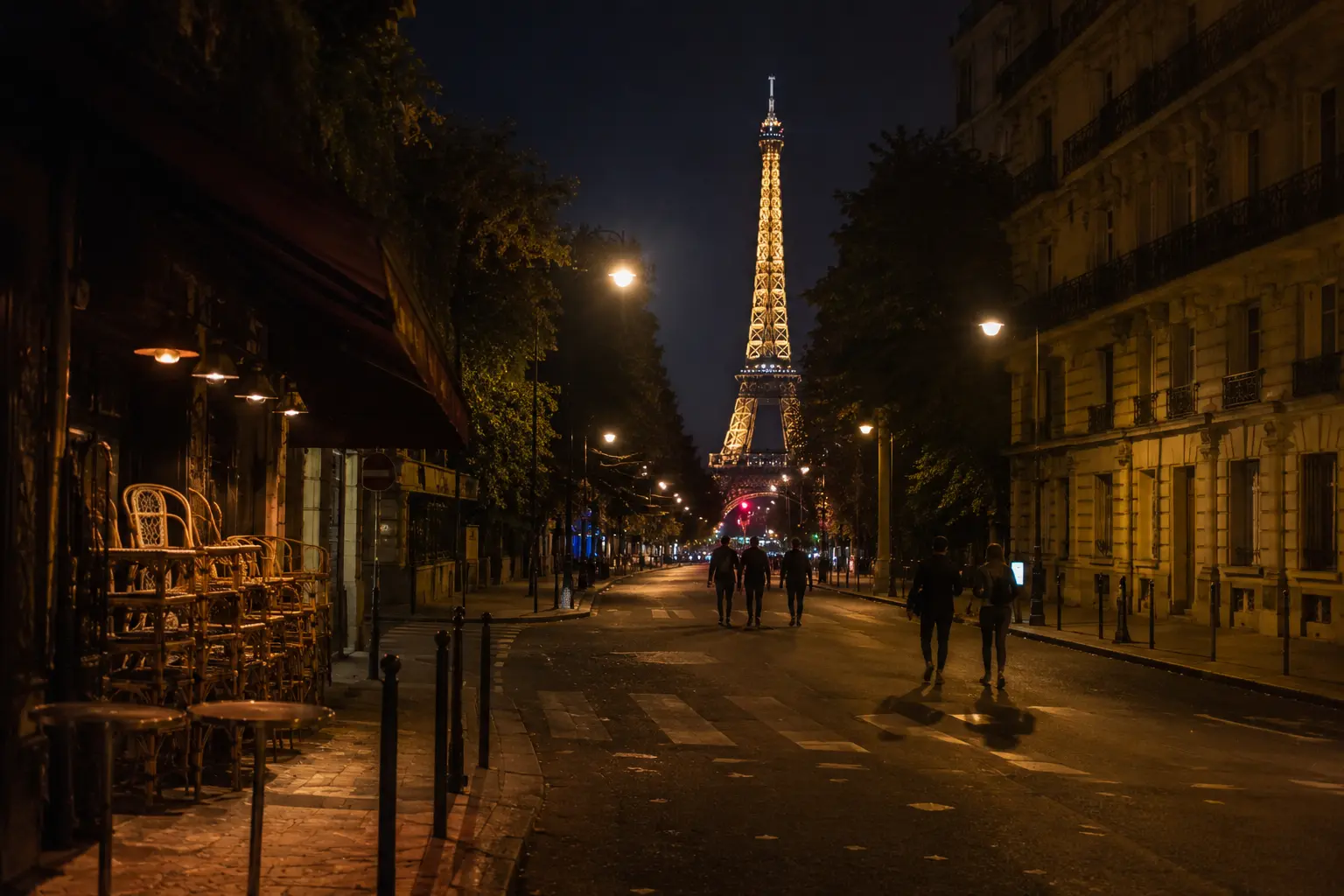 Bastille Day has always carried two stories at once: an uprising and a celebration of unity, folded into a single date back in 1880. In 2026, for the first time, Paris has deliberately separated the festivity from the date it most needs space from. The parade, the firefighters’ balls, and the picnics haven’t changed. But this year, the 14th itself belongs to remembrance first.
If France isn’t the only stamp you’re chasing this summer, two more worth bookmarking: Van Mahotsav 2026, running the same opening week of July in India, and the Gion Matsuri Travel Guide 2026, peaking in Kyoto around the same time.

Abhay Ramola researches world festivals across primary sources, local accounts, and on-ground reporting. He founded Dionfest to cover what gets missed when festivals become tourism content the history, the ritual, and the people behind it.