
How to Plan a Cultural Heritage Trip: Research, Festival Dates and Travel Tips

The Goa Tourism Department’s full parade schedule for Carnival 2026 was reported by All India Radio on 10 February, four days before the Panaji parade on 14 February. The Maharashtra government announced the Nashik–Trimbakeshwar Kumbh Mela dates on 1 June 2025, about 17 months before the opening ceremony on 31 October 2026.
Those two timelines call for very different planning. If you want to know how to plan a cultural trip well, start there: find out how an event’s date is set, who confirms it, and when. Choosing a destination, booking, entry rules and safety checks all follow from that.
The short answer
Plan a cultural heritage trip in this order: find out how the event’s date is set, confirm the date with the organiser, book limited items first, then check entry rules and local conduct.
- Pick the anchor. A living tradition, a heritage place, or both.
- Find out how the date is set. A fixed calendar day, a religious calendar, or a government announcement.
- Confirm it with the organiser or a tourism body, not a travel blog. Treat next-year pages as placeholders.
- Book limited items first. Seats and tickets, long-distance transport, licensed lodging.
- Check entry rules, local customs and your government’s travel advice before you pay for anything non-refundable.
- Shape the trip. One scouting day, the festival day in the middle, one buffer day.
The sections below explain each step with 2026–27 examples.
How to choose a cultural destination

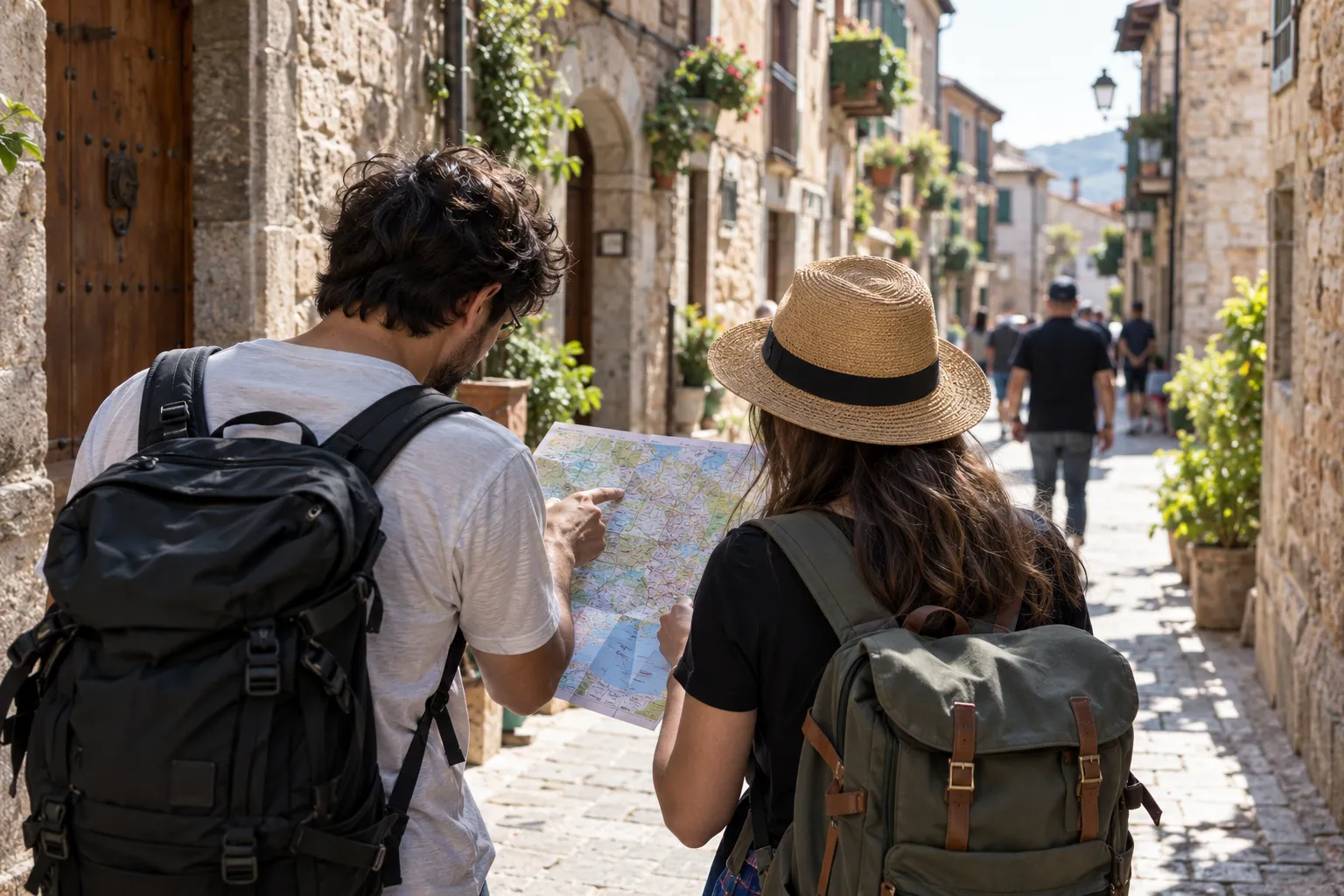
Start with what you want to see, not with the most famous name. Cultural destinations usually fall into three types:
- Living traditions. A festival, ritual, craft or pilgrimage. The date matters, because the experience depends on being there at the right time.
- Heritage places. A monument, old town or temple complex. These are usually open for most of the year, though opening hours and closed days vary.
- Both together. A heritage city with a festival inside it. These need the most planning, because crowds and prices change around the festival.
UNESCO’s two lists are a good way to build a shortlist. The World Heritage List covers places. The Representative List of the Intangible Cultural Heritage of Humanity covers living practices. You can browse it by country, and each entry links to nomination files, photos, videos and evidence of community consent. The Kumbh Mela was inscribed on that list in 2017.
A listing shows that something is significant. It does not tell you when the event happens this year, whether visitors can attend, or how crowded it gets. Treat it as a shortlist, then run the date and access checks in the next section.
Four questions help narrow the list:
- How is the event spread out? Gion Matsuri in Kyoto runs for a month, with two procession days. Goa’s carnival parades move from town to town. A Kumbh Mela runs for months, with a few main bathing days.
- Are visitors guests at a religious event? Gion Matsuri is one of Yasaka Shrine’s most important festivals. UNESCO describes the Kumbh Mela as a gathering of pilgrims who bathe in a sacred river. Expect rules about behaviour, photography and dress.
- How much lead time do seats and rooms need? Some events sell seats on a published date. Others do not sell anything, but rooms fill.
- Does the event fit the time you have? A parade day needs one day. A pilgrimage cycle may need several.
How to verify festival dates through official sources
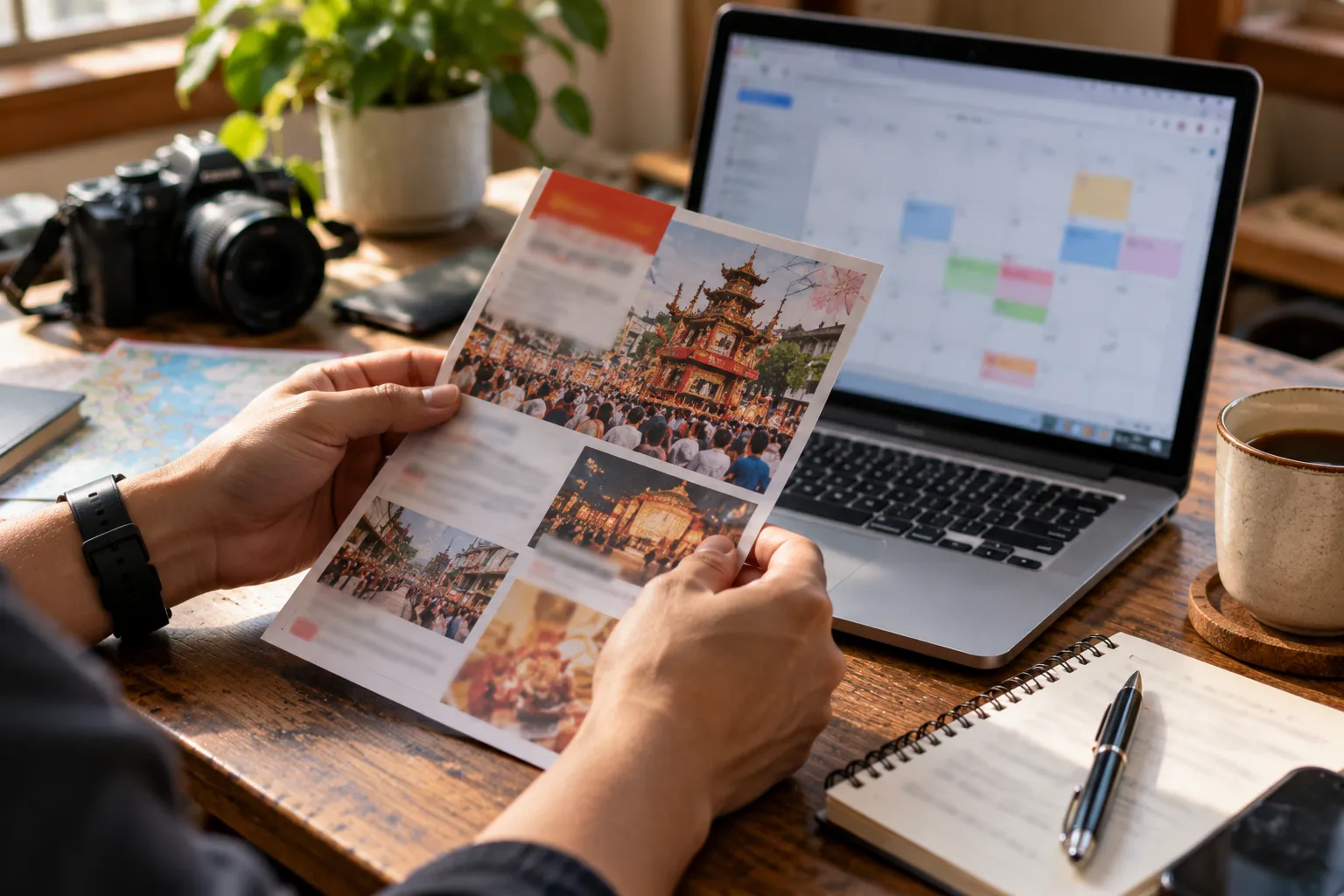 Researching festivals before travel begins with one fact: dates are set in different ways. Three events DionFest has covered show the range.
| Gion Matsuri, Kyoto | Goa Carnival | Nashik–Trimbakeshwar Simhastha Kumbh | |
|---|---|---|---|
| How the date works | Set calendar dates in July. The Kyoto City Tourism Association lists the two procession days as 17 and 24 July in 2025 and in 2026 | Follows the Christian calendar. Held in the days before Ash Wednesday, which fell on 18 February in 2026 | Follows the Hindu calendar. The 2027 bathing days are listed against dates such as Shravan Amavasya |
| 2026–27 dates | Festival 1–31 July 2026. Processions 17 and 24 July | 13–17 February 2026. Panaji parade on 14 February | Opens 31 October 2026. Main bathing days 2 August, 31 August, 11 and 12 September 2027 |
| Who confirms | Kyoto City Tourism Association (dates and paid seats) | State Tourism Department | Maharashtra government, with seers and mahants present |
| A planning milestone | Paid seats went on sale on 1 June 2026 | Full schedule reported on 10 February 2026 | Dates announced on 1 June 2025 |
The Nashik opening date was still being reported as 31 October 2026 in September 2026, with the main flag-hoisting at Ramkund set for 12:02 pm.
When you check a date, use sources in this order:
- The organiser or the religious body that runs the event. A shrine, a council of monastic orders, a carnival committee.
- The government or tourism body that publishes the schedule. A city tourism association, a state tourism department, a state government.
- News reports of an official announcement. Check the publication date and whether the report names the announcing body.
- Travel blogs and booking sites. Useful for logistics. Weak for dates.
Some real examples show where dates go wrong:
- Next-year pages can be placeholders. Japan Travel’s page for Gion Matsuri 2027 shows a late June to late July range and a notice that the dates are not yet confirmed.
- Calendars can be tentative. The Goa Tourism Department’s 2025–26 events calendar labels its festival dates and venues as tentative.
- Early estimates can miss. A travel blog published on 2 January 2026 expected Goa Carnival to run 13–16 February and noted that dates might shift. The department’s schedule ran to 17 February. Reports also split on the length: the Tourism Department’s King Momo announcement coverage described a four-day carnival from 14 February, while the schedule included a curtain-raiser in Porvorim on 13 February. Check which day your source counts as the start.
- Small details differ between guides. Two 2026 guides give different counts for the 24 July Gion procession: 10 floats in one and 11 in the other.
When two sources disagree, go back to the organiser and note the publication date of each source. If the question is still open, plan around the wider window and delay non-refundable bookings.
Researching local traditions and historical background
Background research changes what you notice and what you avoid doing. Work through it in this order:
- Who runs it. Gion Matsuri is a festival of Yasaka Shrine. UNESCO says the Kumbh Mela’s primary bearers belong to akhadas, ashrams and other religious organisations. In Goa, the state Tourism Department publishes the parade schedule.
- What it is. Start with the organiser’s own history page, the UNESCO entry if there is one, or a museum or university page.
- What is belief and what is documented history. Write and read these differently. Gion Matsuri is dated to 869 and is described as having begun as an attempt to appease the gods during an epidemic. UNESCO’s entry says devotees believe bathing in the Ganges frees them from sins. Goa’s carnival traces back to Portuguese cultural heritage.
- What changed recently. Seat systems, routes and rules change. The 2026 Gion seat sales included learning seats with live commentary in English or Japanese for the 24 July procession, and the association says part of the proceeds goes to preserving and continuing the festival.
- What visitors report. Forums, review sites and videos are good for spotting questions and problems. One person’s account is one account, so confirm anything important with an official page.
Transport, accommodation and itinerary planning
Book the limited and inflexible items first, then the flexible ones.
- Seats and tickets. Kyoto’s paid seats for the 2026 Gion Matsuri processions went on sale on 1 June 2026, more than six weeks before the first procession on 17 July. The association’s seat page says the procession is held rain or shine, so read the refund terms before you pay.
- Long-distance travel and peak days. For events with a long window, you can choose a quieter day. When the Nashik dates were announced, Maharashtra’s chief minister said devotees need not rush on particular days because the event runs for a long time. For large pilgrimage events, DionFest’s Kumbh Mela guide explains the four locations and the bathing-day system.
- Accommodation. Kyoto’s tourism association asks visitors to stay only in licensed hotels and vacation rentals. Where an event moves between towns, choose your base after you know the parade days. In 2026 the Goa parades were in Panaji on 14 February, Margao on 15, Vasco da Gama on 16, and Mapusa and Morjim on 17. Check the travel time from your base to each town you plan to visit. DionFest’s Goa Carnival 2026 guide has a section on hotels near the parade towns.
- Getting around. Kyoto’s official site recommends public transport, offers a congestion forecast for popular areas and lists luggage services. Look for similar tools on the destination’s tourism site.
- Itinerary shape. Put the festival day in the middle of the trip, add one buffer day, and do not schedule a flight for the evening of the last event. For a worked example built around one city, see DionFest’s Gion Matsuri travel guide, which includes a festival-week itinerary.
Entry rules, local customs and travel safety
Entry rules. Use the destination government’s own page. For India, the Government of India e-Visa portal is the official site. Indian missions warn that fake websites imitate it and say the government has not authorised any agent to charge a facilitation fee. The same habit applies to any country: go to the official government address and be careful with look-alike sites.
Government travel advice. Read your own government’s advice for the destination. The UK’s FCDO advice for India says travel insurance could be invalidated if you travel against FCDO advice. Check your insurer’s terms against your government’s advice before you book.
Local customs. Official tourism sites often publish rules that guides leave out. Kyoto’s responsible travel page asks visitors to:
- not stop, touch, follow or take unauthorised photos of geiko or maiko in the street
- respect photography bans, which apply in many Gion areas and parts of shrines and temples
- walk and talk quietly in residential areas and near religious sites
- carry their own trash bag
- avoid carving bamboo, which can bring fines of up to 300,000 yen
- use only licensed taxis
Look for a “responsible travel” or “manners” page on the destination’s tourism site.
Crowd safety. Large gatherings carry real risk. The Associated Press reported that police said at least 30 people were killed in a crowd crush at the Maha Kumbh in Prayagraj on 29 January 2025. Crowd guidance is specific to each event. Look for it on the organiser’s or state government’s pages, follow police and event staff instructions on the day, and avoid the single busiest day if the programme allows.
A sample 3-day cultural heritage itinerary
 This is a template, not a timetable for one place. Replace the placeholders with start times from the organiser and opening hours from each site’s own page. For reference, Japan Travel listed the 17 July 2026 Gion procession as running from 9:00 am to 1:00 pm, which is why a festival-day plan should start with the official time.
Day 1: Orient and scout
- Morning: arrive, check in at licensed accommodation, collect any tickets or passes.
- Afternoon: visit the heritage site or museum that explains the festival’s history. Check its opening hours and closed days first.
- Evening: walk the festival route or venue. Note the nearest station, toilets and exits. Eat locally and sleep early.
Day 2: Festival day
- Morning: reach the viewing area before the official start time. Carry water and your tickets.
- Afternoon: rest indoors or in shade during the quietest part of the programme.
- Evening: attend any evening ceremony that the organiser says is open to visitors.
Day 3: Slow day and buffer
- Morning: visit a second site, a craft workshop or a local market.
- Afternoon: keep this free for delays, missed transport or a repeat visit.
- Evening or next morning: travel home with no tight connection.
Why the order works:
- A scouting day means festival-day decisions about exits and transport are already made.
- A festival day in the middle means one delay does not cost you the main event.
- One major activity a day leaves room for crowds, heat and queues.
How to adapt it:
- A fixed parade day, as at Gion Matsuri. Day 2 is the procession date.
- A carnival that moves between towns, as in Goa. Day 2 is the parade in the town closest to your base. In 2026, Panaji’s parade was on 14 February.
- A pilgrimage with a long window, as at the Kumbh Mela. Day 2 can be a non-peak day, which fits the Maharashtra chief minister’s advice to space out visits.
Check before you pay
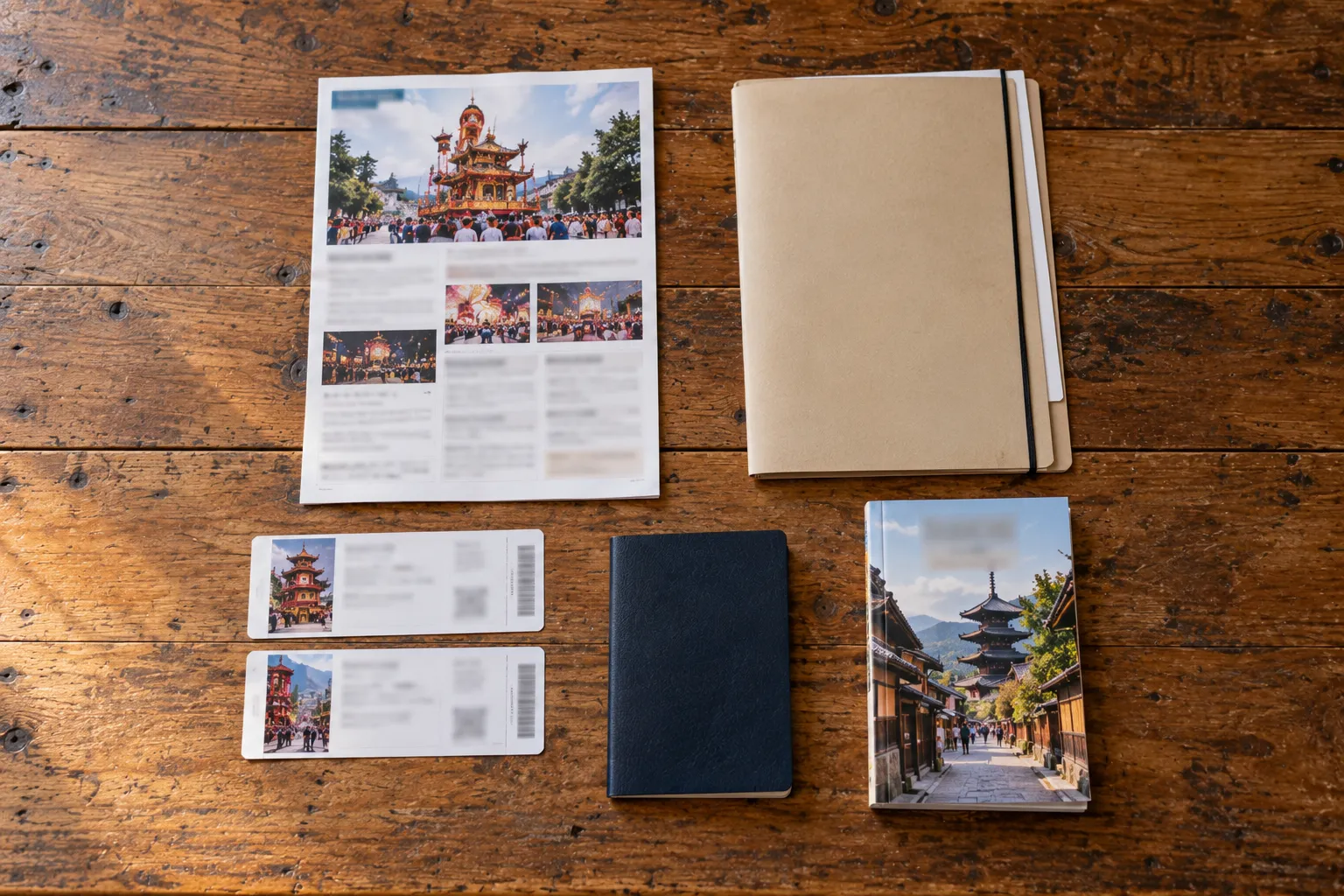
- The organiser or tourism body lists this year’s dates, and the date is marked confirmed, not tentative.
- You know the date seats or tickets go on sale and what the refund terms are.
- Entry rules come from the destination government’s official site.
- You have read your government’s travel advice and your insurer’s conditions.
- You have found the destination’s own guidance on photography, dress and behaviour.

Abhay Ramola researches world festivals across primary sources, local accounts, and on-ground reporting. He founded Dionfest to cover what gets missed when festivals become tourism content the history, the ritual, and the people behind it.


1 thought on “How to Plan a Cultural Heritage Trip: Research, Festival Dates and Travel Tips”