The Hidden Crisis Behind Your Tap: What World Water Day 2027 Reveals About Global Survival (And How It Impacts Your Daily Life)
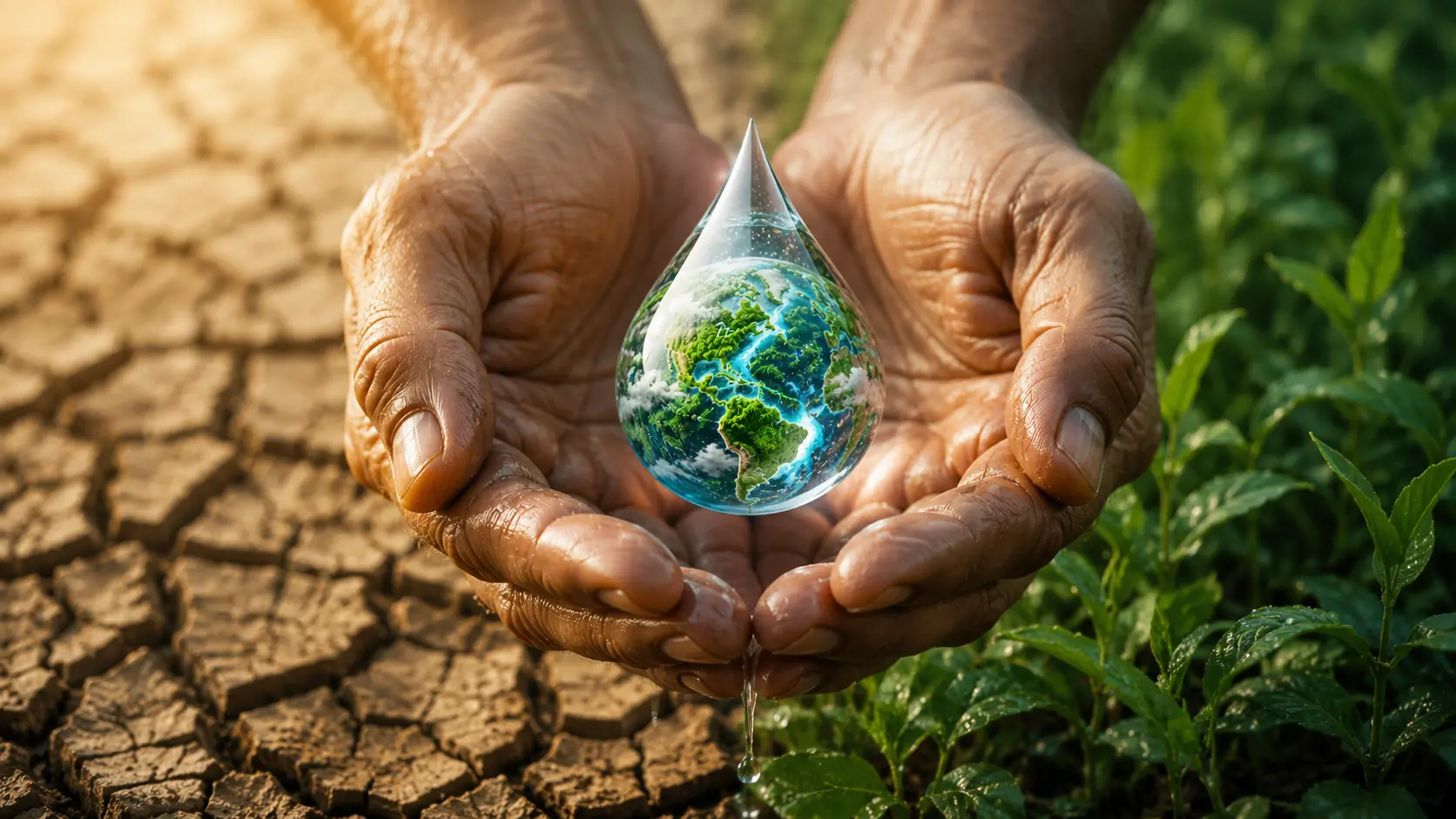
Water gives life to everything on our planet. Yet, billions of people still struggle to find a single clean glass of safe drinking water daily. This ongoing struggle is why the United Nations guides global action through World Water Day 2026 to fix this massive emergency.
The special focus for World Water Day 2027 is “Water and Gender” under the campaign slogan “Where water flows, equality grows.” This theme highlights a truth that many global reports miss. The global water crisis does not hit everyone in the same way. Women and young girls bear the heaviest burden when clean water runs out.
If you want to understand why clean water matters right now, you need to look at the facts. Let us explore what this global day means for you, your family, and the communities around the world.
The Real Meaning of World Water Day 2027
The United Nations started World Water Day back in 1993 to remind everyone about the value of fresh water. Every single year on March 22, the world pauses to look at the state of global water resources. This day is not just about appreciating a cold drink on a hot afternoon.
Instead, it serves as a wake-up call to protect a resource that is disappearing fast due to bad management and climate issues. The official goal is to achieve Sustainable Development Goal 6. This goal aims to give every single person on Earth safe water and proper toilets by the year 2030.
As we look at the progress of World Water Day 2027, we see that standard solutions are no longer working. Rising global heat changes everything. It creates massive droughts that dry out farms and causes severe floods that destroy local water networks. If we do not change how we handle this liquid resource now, our global future will face severe threats.
Why Water and Gender Balance Matter Most Now
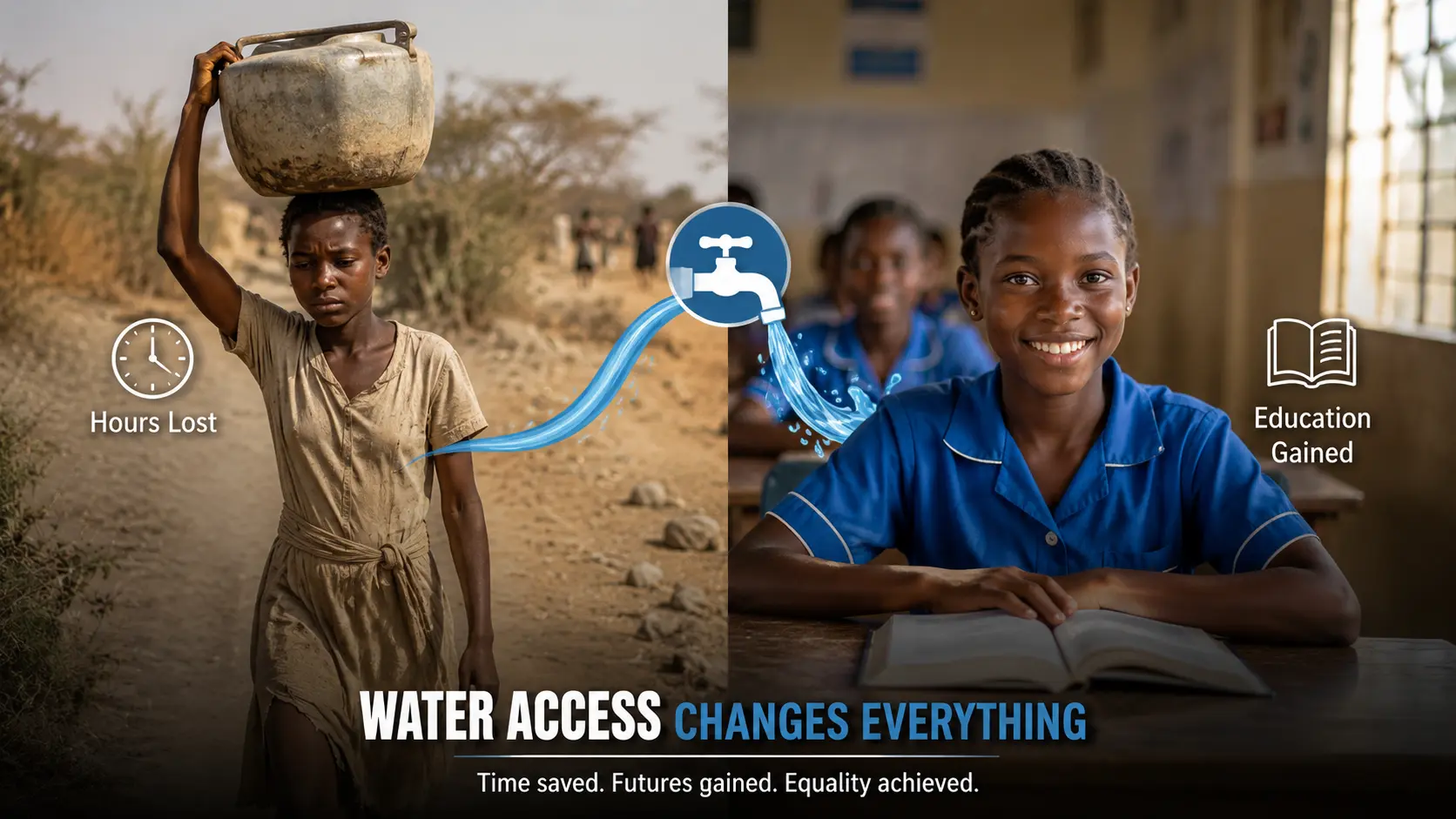 The current global campaign shows that water access connects directly to social fairness. When a village lacks a safe well, someone must walk miles to fetch water. Most of the time, women and young girls carry this heavy burden.
Global Burden Breakdown:
– 156 million teenage girls lack basic period hygiene resources worldwide.
– Millions of hours are lost daily by women carrying heavy water containers.
– Clean water close to home allows young girls to stay in school.
When a school lacks clean toilets, young teenage girls often stop attending classes entirely. This loss hurts their long-term education and cuts down their future job options. Therefore, building a safe local water tap does more than quench thirst. It gives girls their time back and opens doors to a better life.
True solutions require women to help lead the design of water pipelines and local resource policies. We need their real-world experience to build systems that actually serve everyone. When local women run community water boards, the systems last longer and run much better.
Shocking Global Water Data You Cannot Ignore
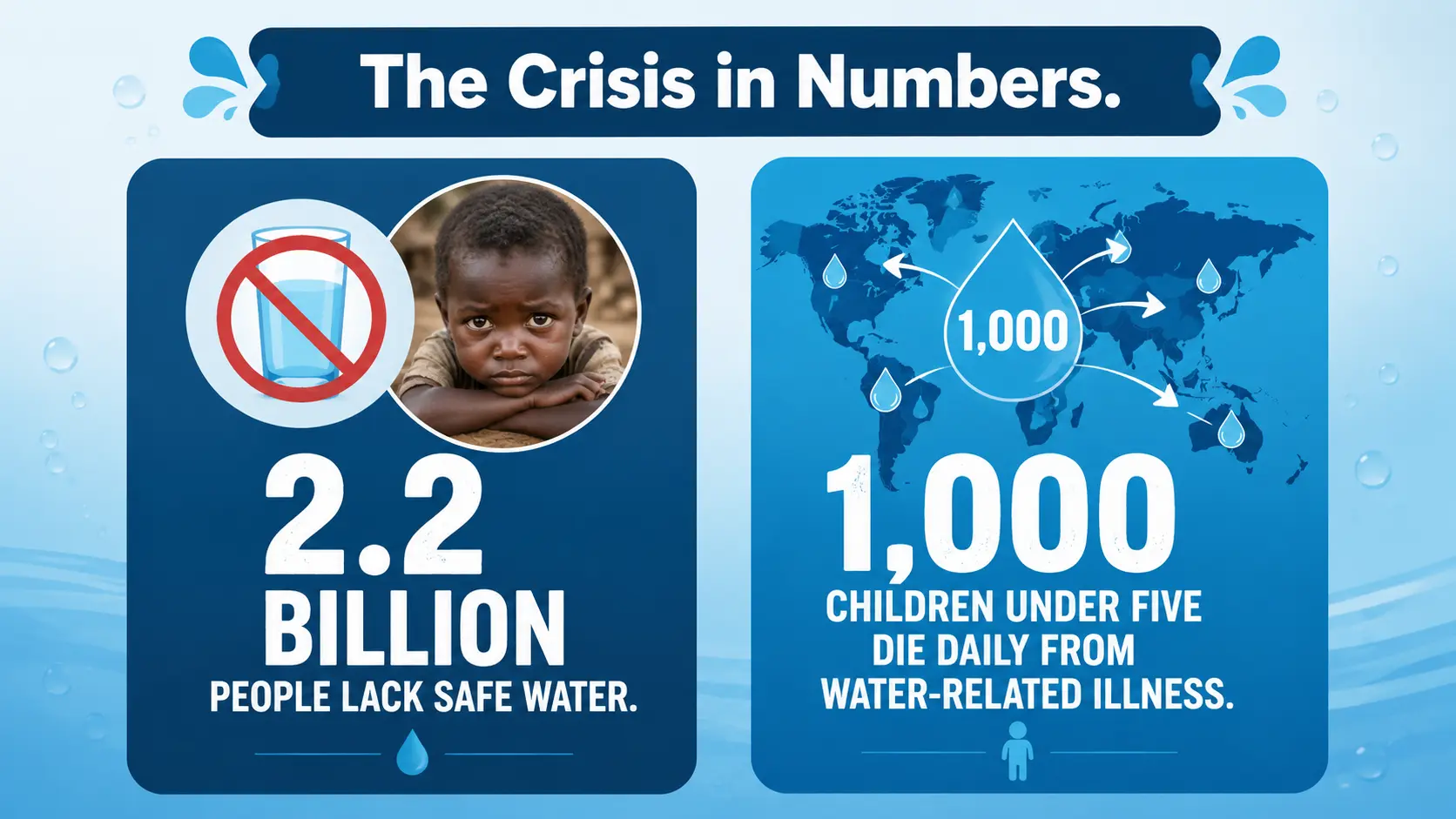 Many people think the water crisis is a distant problem that only affects dry deserts. The official data paints a completely different picture. Look at these verified facts from the World Health Organization and UNICEF:
Child Health Crisis: Unsafe water, bad toilets, and poor hygiene cause the tragic deaths of about 1,000 young children under five years old every single day.
Massive Scarcity: Nearly 2.2 billion human beings across the globe live without access to safely managed drinking water at home.
Severe Extreme Weather: Around 1.5 billion women and girls live in nations facing extreme drought risks.
System Failure: About 14 percent of countries still have no legal way to let women participate in community water management choices.
These numbers show that we are not just dealing with a minor dry spell. We are facing a massive structural problem that impacts health, safety, and basic human dignity every second.
How to Save Liquid Gold in Your Daily Life
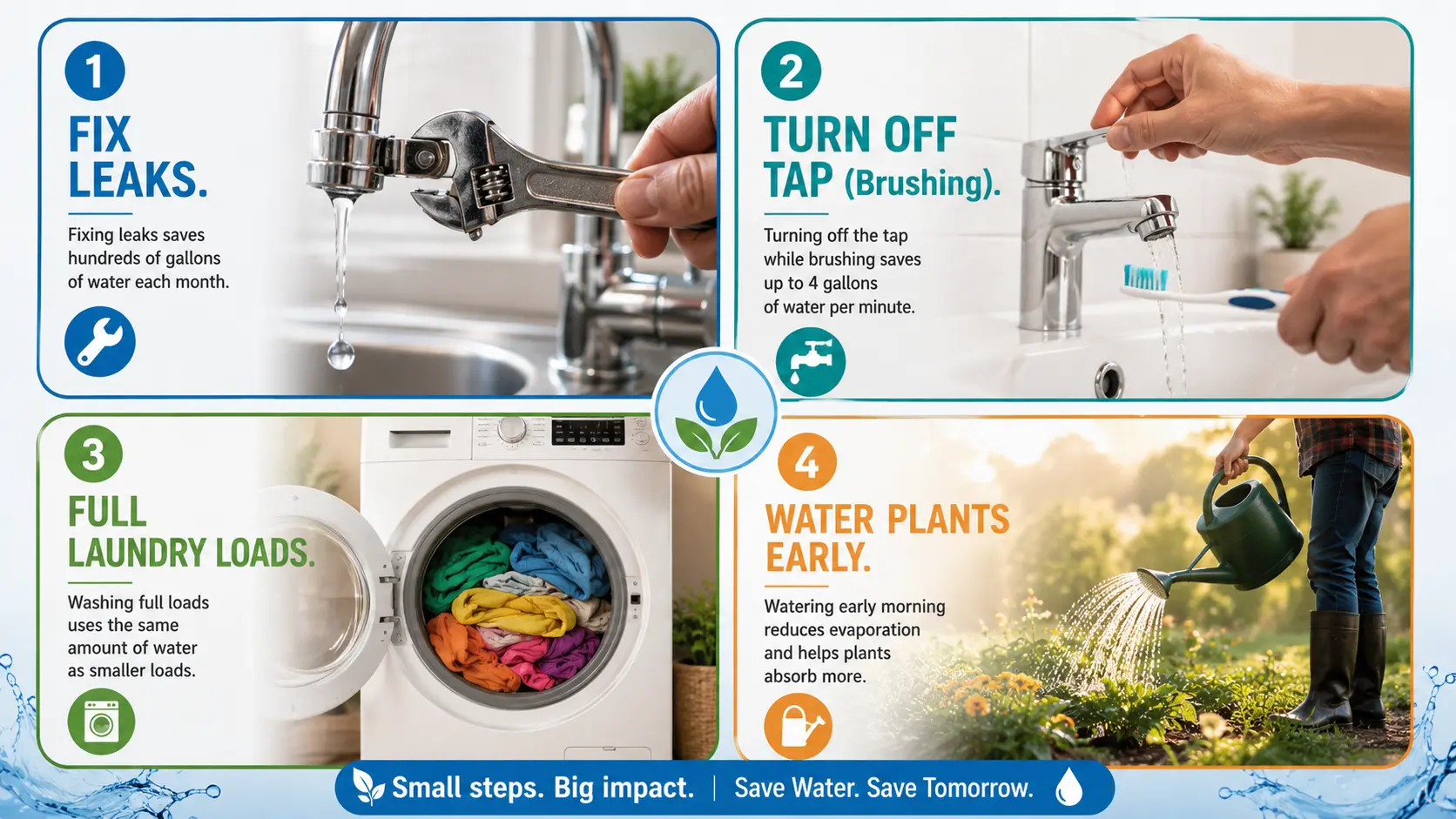 You do not need to lead a massive global charity to make a real difference for World Water Day 2026. Real change starts right inside your own home. Small adjustments to your daily routine can save thousands of gallons of fresh water every year.
First, check every single faucet in your home for hidden leaks. A tiny faucet drip can waste over 3,000 gallons of fresh water every year. Fix those leaky rubber washers immediately to stop this quiet waste.
Second, change how you wash things every day. Turn off the running tap while you brush your teeth or scrub your dinner dishes. Only run your laundry washing machine when you have a completely full load of clothes.
Third, alter your outdoor water habits. Use a simple bucket and sponge to wash your car instead of a running garden hose. If you have a backyard garden, water your plants early in the morning so the water does not evaporate in the midday sun.
Quick Home Savings Chart:
+———————–+————————-+
| Action Taken | Water Saved Daily |
+———————–+————————-+
| Fixing a leaky tap | Up to 8 gallons |
| Shortening showers | 5 to 10 gallons |
| Turning off brush tap | 4 gallons per minute |
+———————–+————————-+
Fourth, think about the indirect water you use through the products you buy. It takes a massive amount of water to produce meat, jeans, and plastic bottles. By reducing food waste and recycling old items, you reduce your hidden water footprint.
Connecting Peace, Safety, and Fresh Water
When water runs completely dry, societies begin to fracture. Clean water is a basic requirement for survival, and communities will move or fight to secure it. This reality links directly to how we look at international safety and global harmony.
When people must fight over a single muddy river, true peace becomes impossible to sustain. If you want to understand how deep these social connections go, learn about the human side of global struggles by reading about the International Day of Peace historical context to see how resource security keeps societies stable. Safe water gives communities a solid foundation to build a calm and prosperous life.
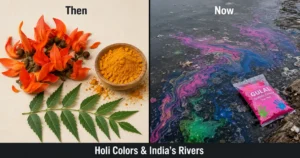
True environmental safety means protecting the natural water cycle from toxic industrial waste. When big factories pollute local rivers, they destroy the future of nearby towns. We must view clean water as a shared human right rather than a commercial product to buy and sell.
Frequently Asked Questions About the Water Crisis
What is the exact date of World Water Day?
World Water Day takes place every single year on March 22. The United Nations General Assembly officially created this special day during their 1992 environmental conference in Rio de Janeiro.
Why is the theme for World Water Day 2027 so important?
The theme focuses directly on Water and Gender because the global water crisis hits women and young girls hardest. Solving the water problem requires putting women in leadership roles to manage water systems fairly.
How does climate change affect our clean drinking water?
Rising temperatures cause wild weather patterns, severe droughts, and major floods. Floods pollute clean wells with mud and sewage, while droughts dry up fresh lakes entirely.
What is the main goal of Sustainable Development Goal 6?
Sustainable Development Goal 6 is a global target to give every single person safe drinking water and clean toilets by 2030. Right now, the world needs to work much faster to meet this deadline.
How can regular citizens help solve the global water crisis?
You can help by fixing home pipe leaks, cutting down your daily shower time, and supporting clean water projects. Spreading clear information online using the official hashtag also helps raise critical global awareness.
We must treat water as a precious shared resource for all of humanity. World Water Day 2026 reminds us that our personal water habits connect to the survival of millions of people worldwide. Turn off your running tap today, support fair water choices, and help build a world where clean water flows freely for everyone.

Abhay Ramola researches world festivals across primary sources, local accounts, and on-ground reporting. He founded Dionfest to cover what gets missed when festivals become tourism content the history, the ritual, and the people behind it.