How to Travel Responsibly During Major Festivals
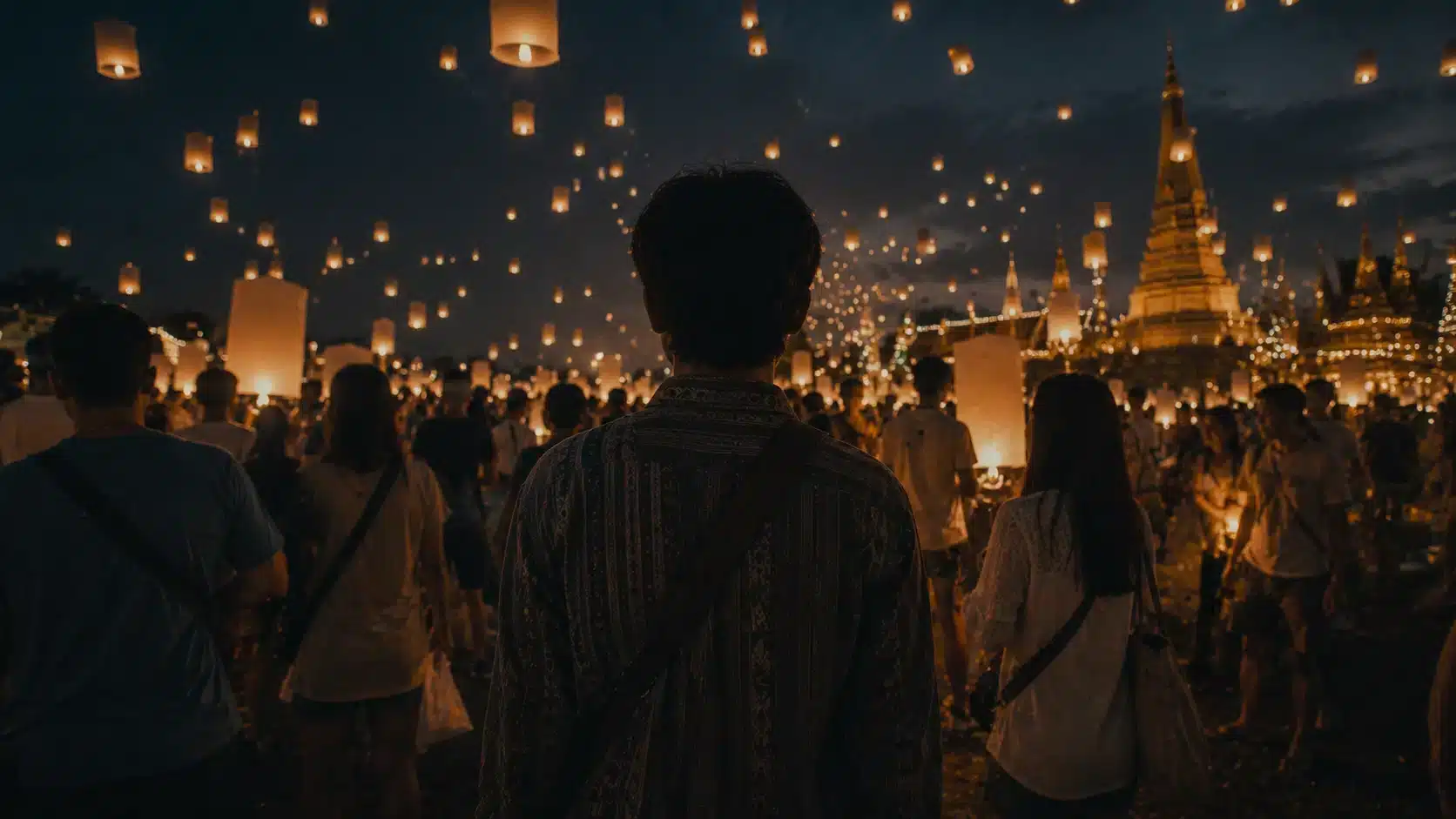
Every November in Northern Thailand, the Yi Peng festival held alongside the nationwide Loy Krathong celebration sends thousands of glowing paper sky lanterns into the night air, a beautiful sight that has also grounded and rescheduled dozens of flights and started fires when the wire frames and fuel cells drift back to earth over farmland and forest. It’s a small, specific example of a much bigger problem: the gap between how a tradition was practiced for generations at a manageable scale, and what happens when a global audience shows up to watch it at once.
How to travel responsibly during major festivals starts with recognizing that your presence is never neutral. It either supports the tradition and the people running it, or it quietly strains both.
Quick Answer
Traveling responsibly during major festivals means researching the ritual’s actual meaning before you go, spending your money directly with local vendors and artisans rather than outside chains, following local guidance on sacred or restricted spaces, asking before photographing people or private rituals, and being honest with yourself about whether your attendance helps or harms an event that wasn’t originally built for an international audience.
Why This Actually Matters, Not Just Etiquette
This isn’t abstract politeness. At many global events, an estimated 80% of tourist spending ends up going to foreign-owned businesses rather than the local economy hotels, tour operators, and chains that aren’t rooted in the community hosting the festival. We broke down exactly how that leakage works in our piece on the economic impact of festivals on local communities: the same festival can generate enormous headline revenue while leaving very little of it in the hands of the people whose tradition is actually being celebrated.
There’s a cultural cost too. Some small festivals have reported that the sheer presence of outside visitors and cameras discourages local residents from attending their own community’s event the tradition survives on paper, but the community ownership behind it thins out.
Before You Go: Do the Homework
- Learn what the ritual actually means, not just what it looks like in photos. If a festival is on UNESCO’s protected heritage list, that’s a signal the underlying practice is considered at risk — we cover exactly what that designation does and doesn’t guarantee in why UNESCO recognizes cultural festivals.
- Check if outsiders are welcome at all parts of the event. Some festivals have public and private components; the private ritual isn’t always meant for an audience.
- Research dress codes and physical conduct expectations specific to that culture and that event, not generic “modest clothing” advice.
- Time your visit deliberately. Attending during a less-crowded window of a multi-day festival reduces strain on local infrastructure without requiring you to skip the experience entirely.
How to Travel Responsibly During Major Festivals: At the Event Itself
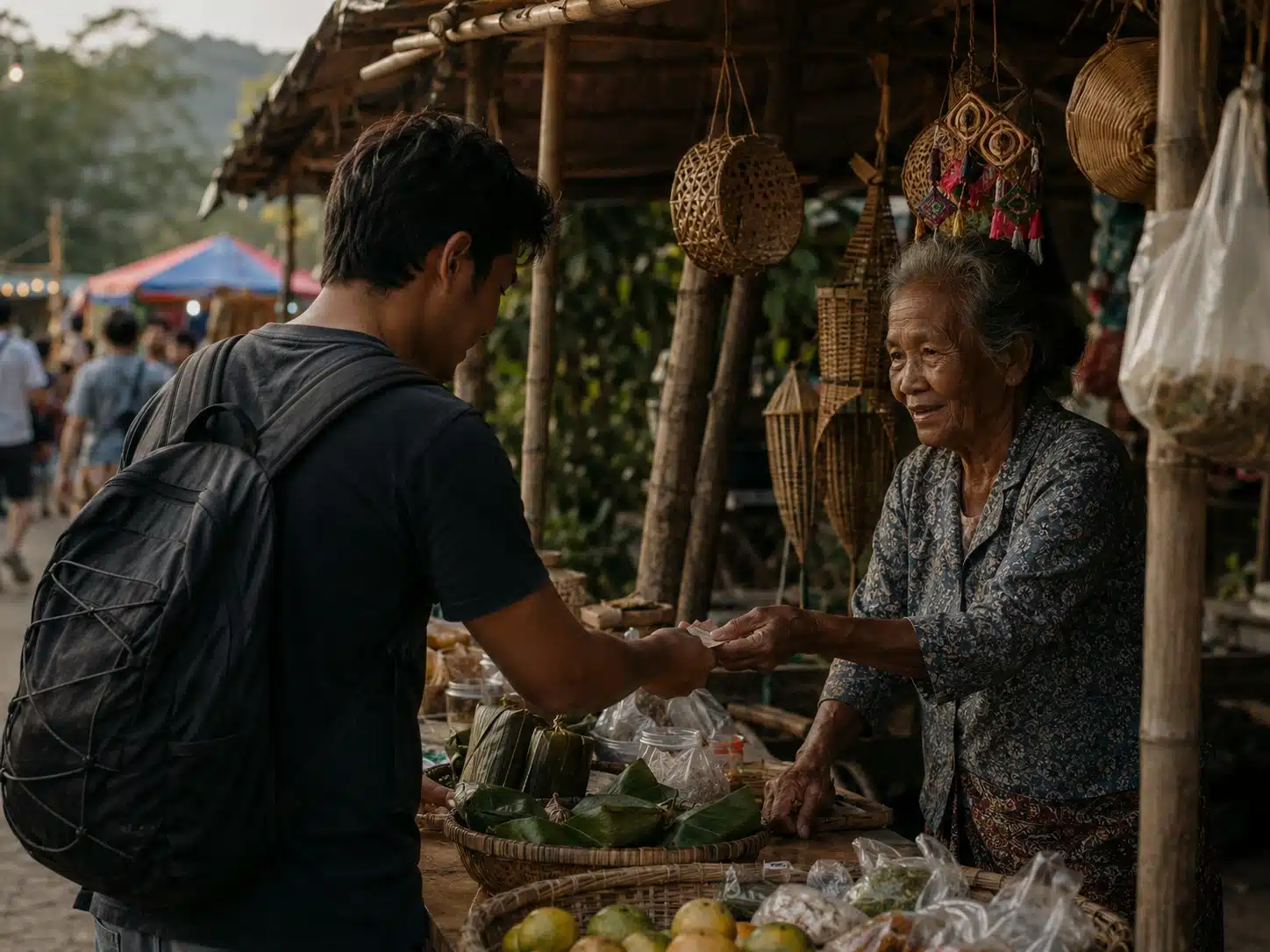
Spend money directly with local vendors and artisans, not just chain hotels and international food outlets set up to serve tourists. This is the single highest-impact thing an individual traveler can do it’s the same craft-economy mechanism that keeps traditions like diya-making or float-building alive, which we explored in how festivals preserve culture.
Ask before photographing people, not just scenery. A ritual, a family altar, or a devotee mid-prayer is not a photo backdrop by default. Large cameras and crowding for a shot can visibly disrupt participants — this has been directly documented with Kazakh eagle hunters at Western Mongolia’s Golden Eagle Festival, where handlers have described tourist photography as more stressful for their birds than their own handling ever was.
Follow posted or spoken restrictions on sacred spaces without negotiating them. If a ritual area, riverbank, or shrine is marked off-limits during a specific ceremony, that boundary exists for a reason you may not be able to see from outside.
Take your waste with you, especially at events with intentional environmental impact. Yi Peng’s sky lantern releases and Loy Krathong’s floating krathong offerings are a known case where beauty and pollution are the same object — traditional versions used biodegradable materials; mass-produced versions often don’t, and abandoned wire frames and fuel cells are a recurring cleanup and fire-hazard problem after the festival ends.
Don’t buy “authentic” souvenirs that are actually mass-manufactured elsewhere. A cheap imported version of a ritual object undercuts the same local artisans a festival’s tourism economy is supposed to support.
The Genuine Grey Area: Festivals Involving Animals
Some festivals include practices around animals that raise real ethical questions for many travelers the Voodoo Festival in Benin includes animal sacrifice as part of its ritual tradition, and the World Nomad Games features kok-buru, a form of polo played with a goat carcass instead of a ball. These aren’t universally agreed-upon issues; they sit at a genuine intersection of cultural tradition and animal welfare concern, and thoughtful people land in different places on them.
If you’re uncomfortable with a specific practice, the responsible choice isn’t to attend and object loudly, and it isn’t necessarily to boycott the entire festival either it’s to research the specific ritual in advance, decide honestly whether you can observe it respectfully or would rather skip that portion, and make that choice before you arrive rather than in the moment.
Warning Signs a Festival Has Already Been Overwhelmed
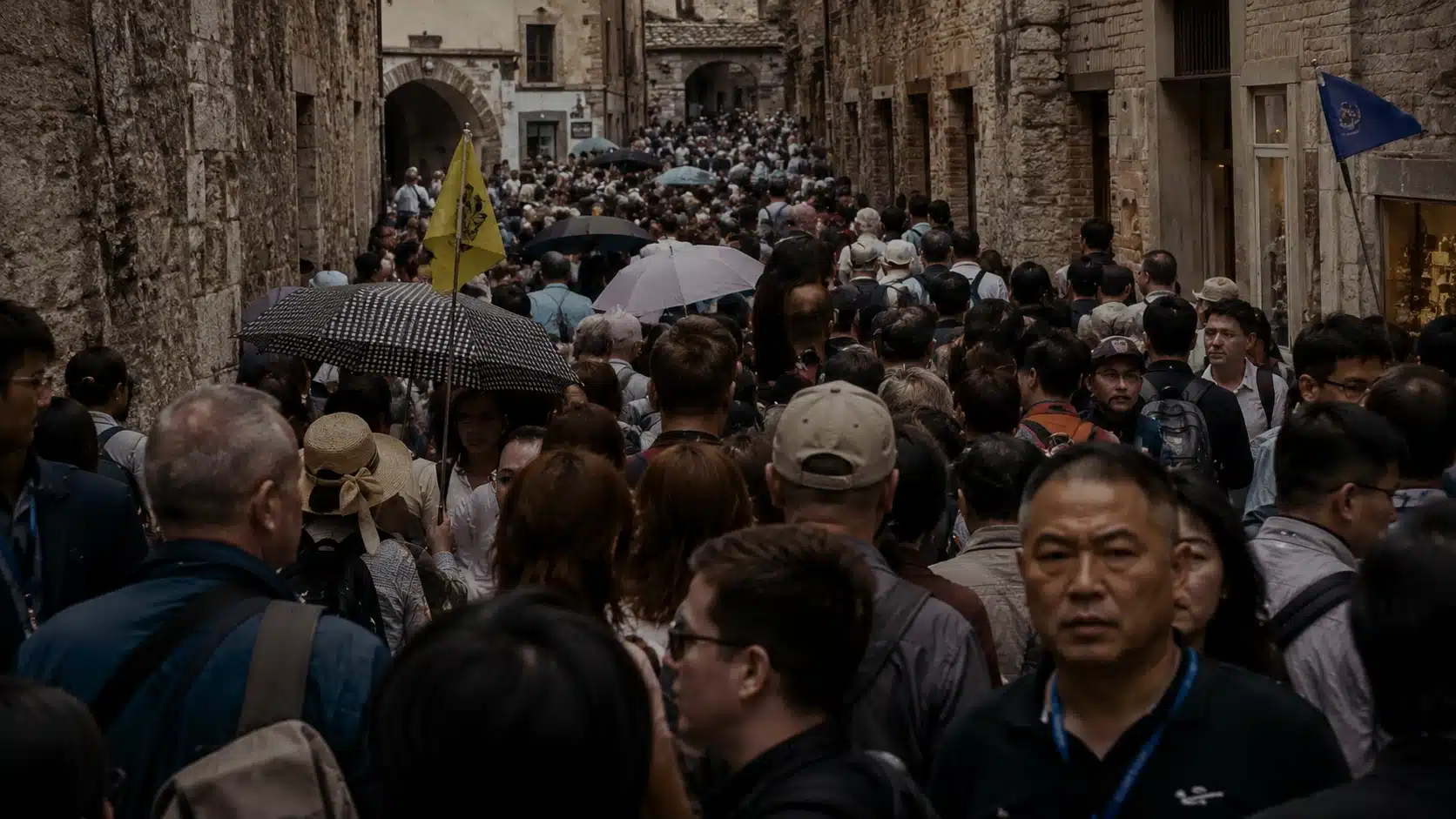
- Long-standing local residents describing the event as “not what it used to be”
- The original ritual timing or route altered specifically to accommodate visitor volume rather than tradition
- More visible security and crowd-control infrastructure than community-run infrastructure
- Local vendors squeezed out of prime locations by larger commercial operators
Venice’s Carnival and Pamplona’s Running of the Bulls are both frequently cited examples where visitor volume has fundamentally changed the character of the event from what long-term residents remember.
How to Choose Which Festivals to Attend as an Outsider
- Prioritize festivals that are actively documented as welcoming respectful outside visitors, rather than assuming any public event wants a tourist audience
- Favor smaller, regional celebrations of a tradition over the single most famous instance of it, which is usually the most strained
- Travel with a local guide or community contact where possible, rather than arriving independently to a ritual you don’t fully understand
- Accept that some festivals or specific rituals within them may simply not be for outside observers, and that’s a legitimate boundary, not an inconvenience to work around
FAQ
What does it mean to travel responsibly during a festival?
It means researching the ritual’s real meaning before attending, spending money with local vendors instead of outside chains, respecting restricted or sacred spaces, and asking before photographing people or private moments.
Is it disrespectful to take photos at a religious festival?
It can be, particularly of private rituals or individuals mid-ceremony. Asking first, and accepting “no,” is the baseline expectation at most festivals with religious or ceremonial components.
How do I know if a festival is too crowded to visit responsibly?
Signs include local residents describing it as changed from what it used to be, rituals altered to accommodate visitor volume, and commercial vendors replacing local ones in prominent positions.
Should I attend a festival that includes animal rituals I’m uncomfortable with?
This is a genuine ethical grey area without a single right answer. Research the specific practice beforehand and decide whether you can observe it respectfully or should skip that portion, rather than deciding in the moment.
Does my tourist spending actually help the local community?
Only if you spend it with local vendors and artisans directly. At many major festivals, a large share of tourist spending goes to foreign-owned hotels and businesses rather than the local economy.
What’s the single most impactful thing a responsible traveler can do at a festival?
Spend money directly with local artisans and small vendors rather than international chains it has the most measurable effect on whether the tradition’s economic base survives.
Conclusion
Learning how to travel responsibly during major festivals isn’t a checklist you complete once and forget it’s a mindset that treats the event as belonging to the people who built it, not as content for your own trip. The tradition was there before the tourists, and whether it’s still recognizable after them depends, in small but real part, on choices individual travelers make.

Abhay Ramola researches world festivals across primary sources, local accounts, and on-ground reporting. He founded Dionfest to cover what gets missed when festivals become tourism content the history, the ritual, and the people behind it.