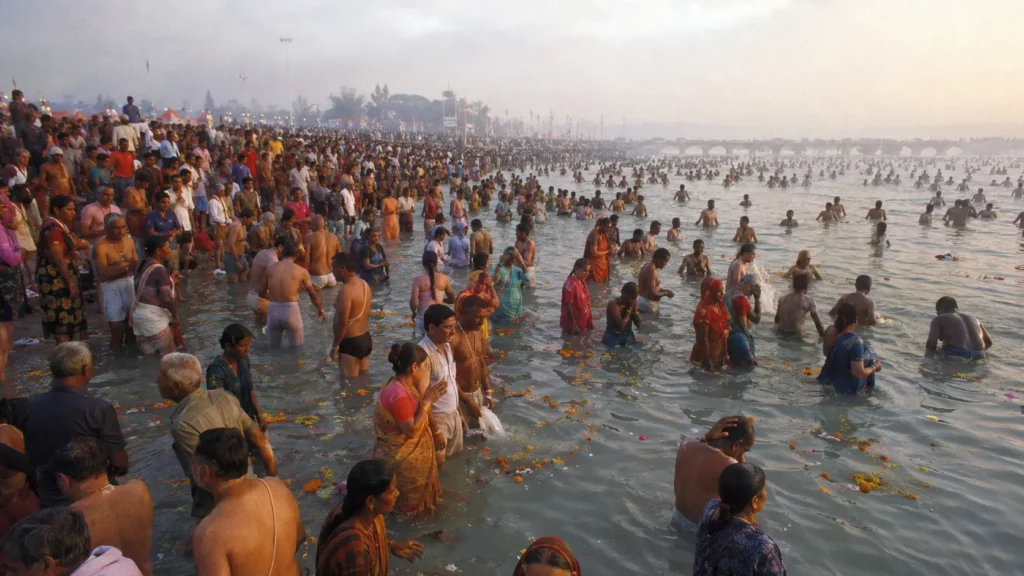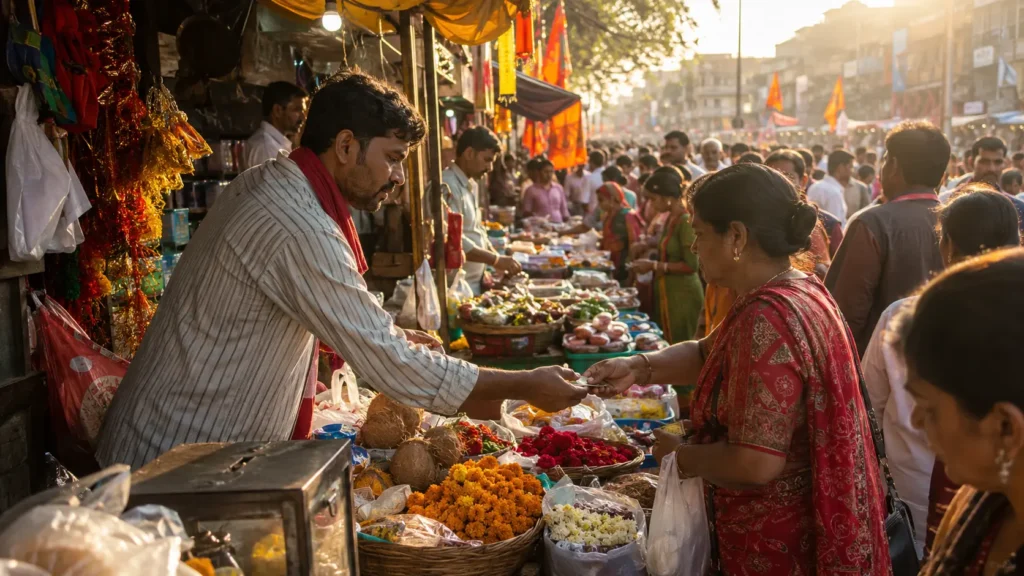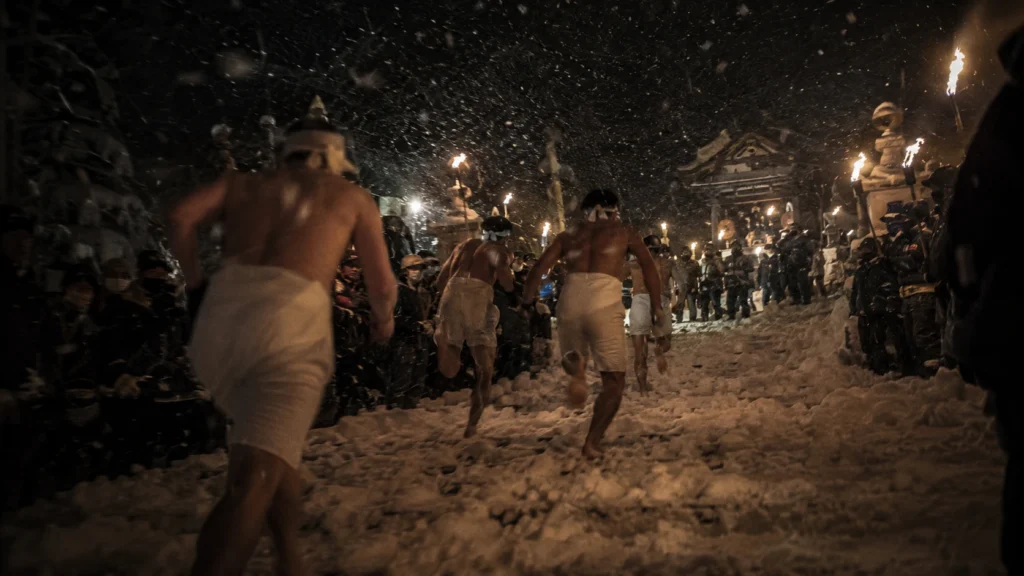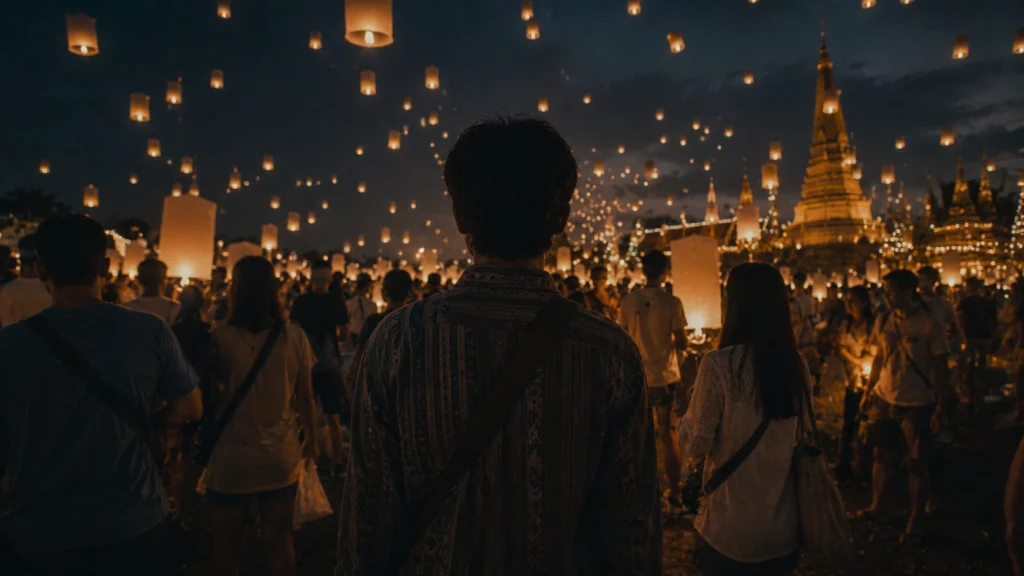
On December 4, 2024, delegates in a conference room in Asunción, Paraguay voted on something most of the world never thinks about twice: whether Chinese New Year deserved a UN designation. Why UNESCO recognizes cultural festivals comes down to one thing: risk, not fame. It already had 4,000 years of continuous practice, a fifth of the planet’s population celebrating it, and zero need for outside validation. UNESCO added it to its list anyway and that decision tells you almost everything about why this recognition exists in the first place.
It isn’t about fame. It’s about risk.
Quick Answer
UNESCO recognizes cultural festivals under its Intangible Cultural Heritage program because a 2003 international treaty obligates it to identify and help protect living traditions that could disappear without active safeguarding regardless of how popular or well-known that tradition already is. Recognition requires a festival to meet five specific criteria (R.1 through R.5), covering authenticity, community consent, cultural diversity value, and a concrete plan to keep the tradition alive. It’s closer to a formal safeguarding designation than an award.
Where This Actually Comes From
UNESCO’s authority to do this isn’t informal it comes from a specific legal instrument: the 2003 Convention for the Safeguarding of the Intangible Cultural Heritage. Before this Convention existed, UNESCO’s World Heritage system only protected physical sites buildings, monuments, landscapes. A festival, a ritual, or a craft technique had no equivalent protection, because none of it is a “site.” The 2003 Convention closed that gap by creating a separate category for living, practiced heritage — traditions that exist only as long as people keep doing them.
We covered the mechanics of that living-tradition idea in our deep dive on how festivals preserve culture this article is about the institutional machinery UNESCO built specifically to identify and protect it.
The 5 Official Criteria (R.1 – R.5)
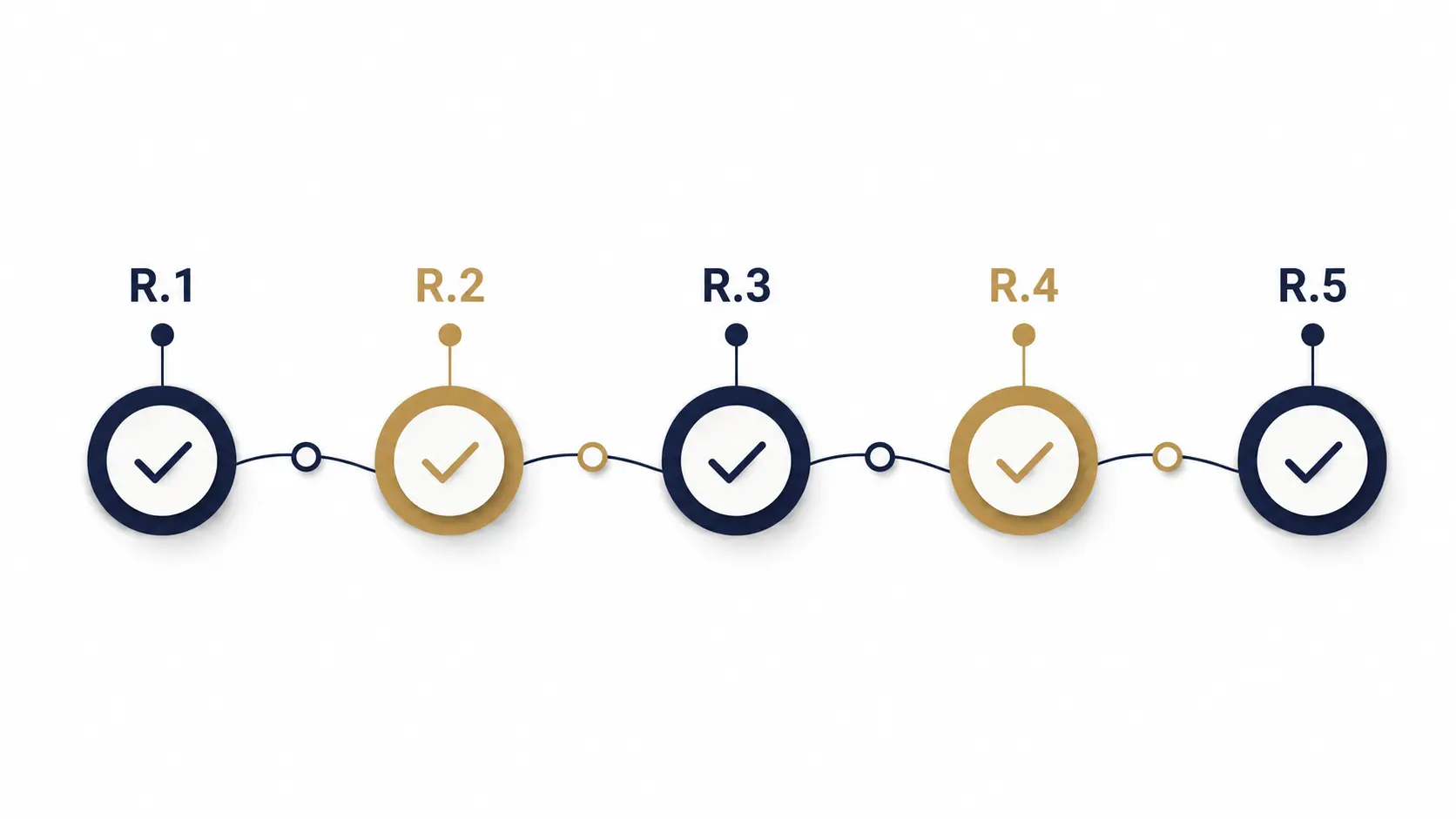 Every festival nominated for UNESCO’s Representative List has to satisfy all five of these, based directly on UNESCO’s own Operational Directives:
R.1 — It has to actually qualify as “intangible cultural heritage.” UNESCO’s Article 2 definition covers oral traditions, performing arts, social rituals, and traditional craftsmanship — practices, not objects. A festival’s parade route doesn’t qualify; the ritual behind why the parade happens does.
R.2 — Inscription has to genuinely add value. UNESCO explicitly requires that recognizing the element will raise visibility and awareness of intangible heritage broadly, and reflect real cultural diversity not just add another item to a list for its own sake.
R.3 — There has to be an actual safeguarding plan. A nomination can’t just describe how great the tradition is; it has to lay out concrete measures for protecting and promoting it going forward.
R.4 — The community itself has to want this, not just the government applying on its behalf. Nominations require the widest possible participation and free, prior, informed consent of the actual practitioners not just a state ministry deciding a festival looks good internationally.
R.5 — It has to already exist in a national inventory. The element must have prior documentation in an inventory maintained by the nominating country, which is meant to prevent countries from nominating traditions with no existing domestic recognition or research behind them.
Miss any one of these five, and the nomination fails regardless of how culturally significant the festival is on the ground.
Why This Matters in Practice, Not Just on Paper
Three concrete things happen when a festival gets inscribed:
- International visibility that translates into protection pressure. Once a tradition is globally recognized as heritage, over-commercializing or degrading it becomes reputationally costly for the host country in a way it wasn’t before.
- A framework for funding and technical assistance. Countries can access UNESCO cooperation and international assistance mechanisms tied to safeguarding recognized elements this is a real operational lever, not just symbolism.
- A documented baseline to measure decline against. Once something is inscribed with an official safeguarding plan on file, later erosion of the tradition is measurable against that baseline, rather than being anecdotal.
The Nomination Process, Step by Step
- A country’s Ministry of Culture (or equivalent) prepares a nomination file demonstrating all five R-criteria
- The file is submitted to UNESCO’s Intangible Cultural Heritage Section ahead of an annual deadline
- An independent Evaluation Body subject-matter experts, not UNESCO staff reviews the file and recommends inscribe, refer back, or reject
- The Intergovernmental Committee, made up of rotating member states, votes at its annual session
- If approved, the element is added to the Representative List and published with its full nomination dossier publicly available
This entire process typically takes over a year from submission to decision, and files are frequently sent back for revision before ever reaching a vote.
What UNESCO Recognition Does NOT Do
This is the part most coverage skips, and it matters:
- It carries no legal enforcement power. UNESCO cannot force a government to protect a festival; inscription creates reputational and cooperative pressure, not legal obligation.
- It doesn’t guarantee funding. International assistance exists but isn’t automatic or unlimited most safeguarding costs remain the nominating country’s responsibility.
- It doesn’t settle ownership disputes. Inscription recognizes a tradition as practiced by a specific community or country; it has occasionally intensified rather than resolved cross-border cultural ownership disputes, since neighboring countries sometimes both claim variants of the same practice.
- It isn’t permanent. Elements can, in principle, be transferred between lists or removed if safeguarding conditions materially change inscription is a status tied to ongoing conditions, not a one-time trophy.
Recent Decisions Worth Knowing
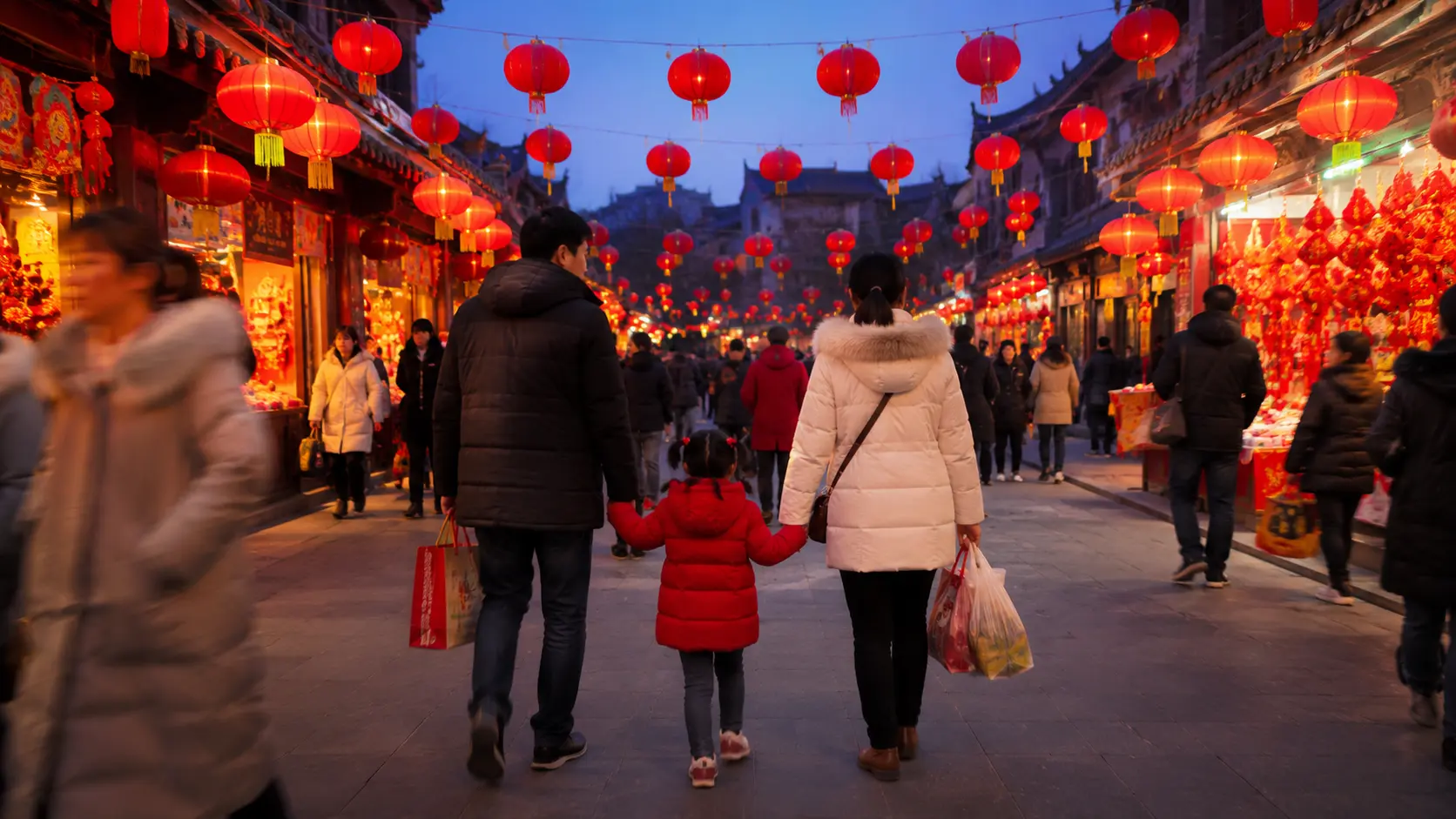
- Spring Festival (China), inscribed December 2024 — recognized specifically for the breadth of social practices around it (family reunions, ancestor rituals, community events) rather than any single ritual act, and for its scale across Chinese communities worldwide.
- Deepavali (India), inscribed 2025 — recognized despite being one of the most commercially visible festivals on earth, which underscores that popularity was never the qualifying factor; the underlying home-based ritual and craft economy were.
- Garba (India), inscribed 2023 — recognized for its community-led, non-commercial folk-dance origins specifically, at a moment when the festival’s public celebrations were rapidly professionalizing.
Interesting Facts
- UNESCO’s Intangible Cultural Heritage list only began in 2008 five years after the Convention that created it was adopted.
- A tradition can be nominated jointly by multiple countries at once; several Nowruz-related nominations have involved more than ten states filing together.
- Not everything on the list is a festival the French baguette and Belgian beer culture sit on the same Representative List, inscribed for identical underlying reasons: risk of disappearing without active daily practice.
FAQ
Why does UNESCO recognize festivals as cultural heritage?
Because a 2003 international treaty requires it to identify living traditions including festivals that could disappear without active safeguarding, regardless of how popular they already are.
What are UNESCO’s criteria for recognizing a festival?
Five criteria, R.1 through R.5: the tradition must qualify as intangible heritage, add genuine value through recognition, have a real safeguarding plan, involve full community consent, and already exist in a national inventory.
Does UNESCO recognition give a festival legal protection?
No. It creates reputational and international-cooperation pressure to protect the tradition, but UNESCO has no legal enforcement power over how a country manages its own festivals.
Can a country lose UNESCO recognition for a festival?
In principle yes elements can be moved between lists or removed if the underlying safeguarding conditions change significantly, though outright removal is rare in practice.
How long does it take for a festival to get UNESCO recognition?
Typically over a year from formal submission to a final committee vote, and many nomination files are sent back for revision before they’re approved.
Does popularity help a festival get UNESCO recognition?
No and this is the most commonly misunderstood part. Deepavali’s 2025 inscription, despite the festival’s massive existing global visibility, shows recognition is based on risk to the underlying practice, not on fame.
Conclusion
Why UNESCO recognizes cultural festivals ultimately isn’t about how impressive they look. It’s because someone, somewhere, decided the specific rituals, crafts, and knowledge underneath the spectacle were worth formally protecting before they had a chance to quietly disappear. The criteria are bureaucratic by design that’s what makes the recognition mean something more than applause.

Abhay Ramola researches world festivals across primary sources, local accounts, and on-ground reporting. He founded Dionfest to cover what gets missed when festivals become tourism content the history, the ritual, and the people behind it.