Traditional Festivals That Are Disappearing
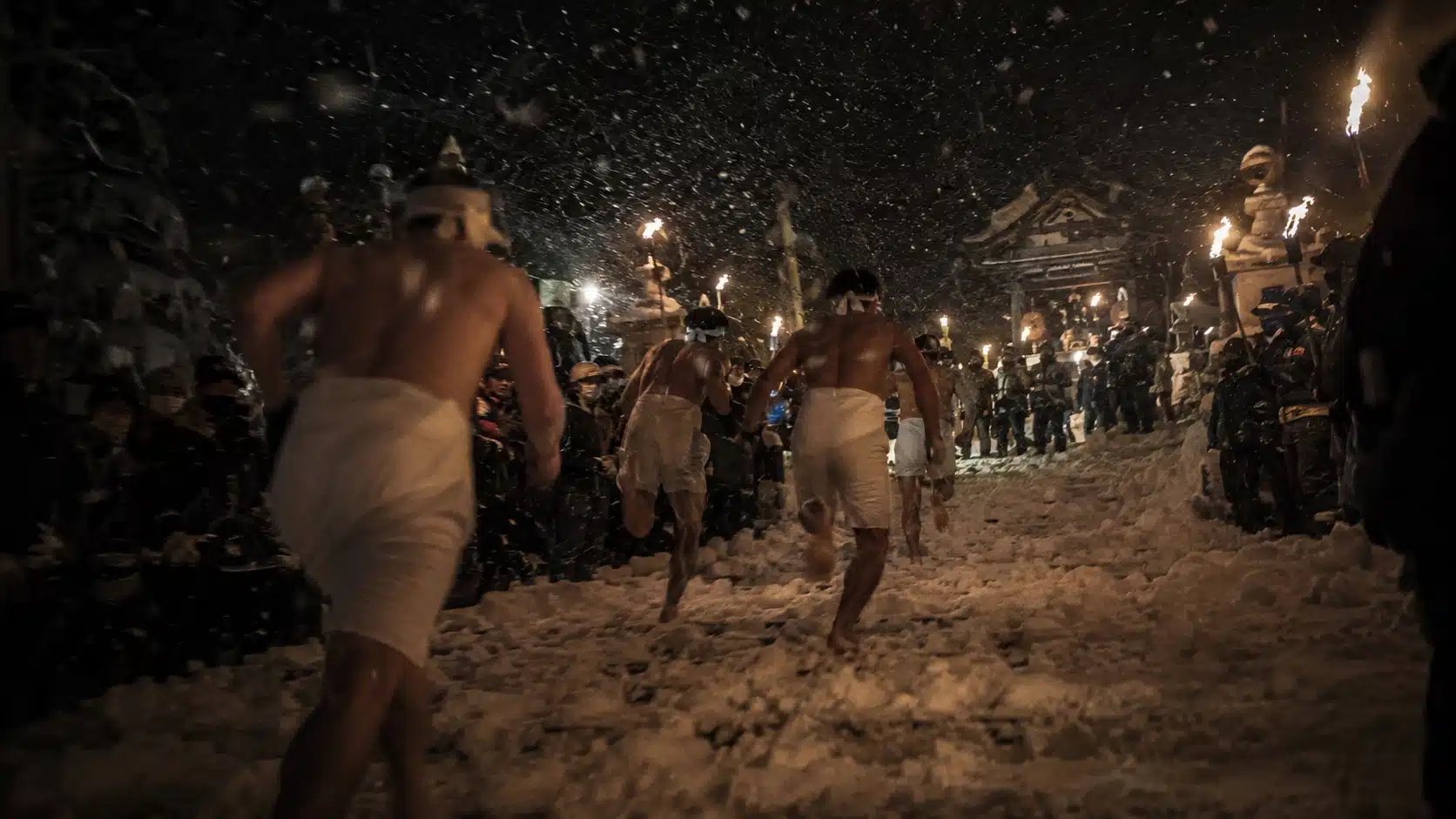
In February 2024, the city of Oshu in Japan’s Iwate Prefecture held the Sominsai Festival for the final time. It had run for roughly 1,200 years. Thousands still showed up that last night: men in loincloths running through snow to touch a sacred talisman, a ritual older than most countries currently on a map. The organizing temple simply couldn’t find enough people left to keep running it. Not enough young men in the area, not enough volunteers, not enough of anything a festival like that needs to survive one more winter.
I find that harder to sit with than a festival being banned or destroyed. Nobody decided to end 1,200 years of continuous practice. It’s one small example of a pattern playing out across the world right now: traditional festivals that are disappearing not through any single decision, but through a slow, quiet shortage of the people needed to keep them going.
Quick Answer
Traditional festivals that are disappearing usually share the same three causes: rural depopulation and youth migration to cities, which breaks the intergenerational chain a festival depends on; loss of economic viability for the artisans and craftspeople behind them; and competition from globalized entertainment that pulls younger generations away from local celebrations. UNESCO tracks the most at-risk cases through a list built specifically for this purpose, the List of Intangible Cultural Heritage in Need of Urgent Safeguarding, which is distinct from, and considerably stricter than, its better-known Representative List.
Traditional Festivals That Are Disappearing: The Real Causes
 We covered the mechanisms that keep festivals alive in how festivals preserve culture forced intergenerational contact, craft economies, oral transmission. Disappearance is what happens when those same mechanisms break down, one at a time.
No one left to inherit the role. Many festivals require specific hereditary participants. In parts of rural Japan, only people classified as ujiko, descendants tied to a particular shrine, are permitted to organize certain rituals. When those families move to cities and don’t return, there’s no legal or cultural substitute waiting in line.
The craft economy underneath it collapses. Vietnam’s Đông Hồ woodblock printing tradition, once widespread, is now in decline as the market for hand-printed folk art shrinks and fewer artisans can make a living from it. Once the economic reason to keep practicing a skill disappears, the skill usually follows within a generation.
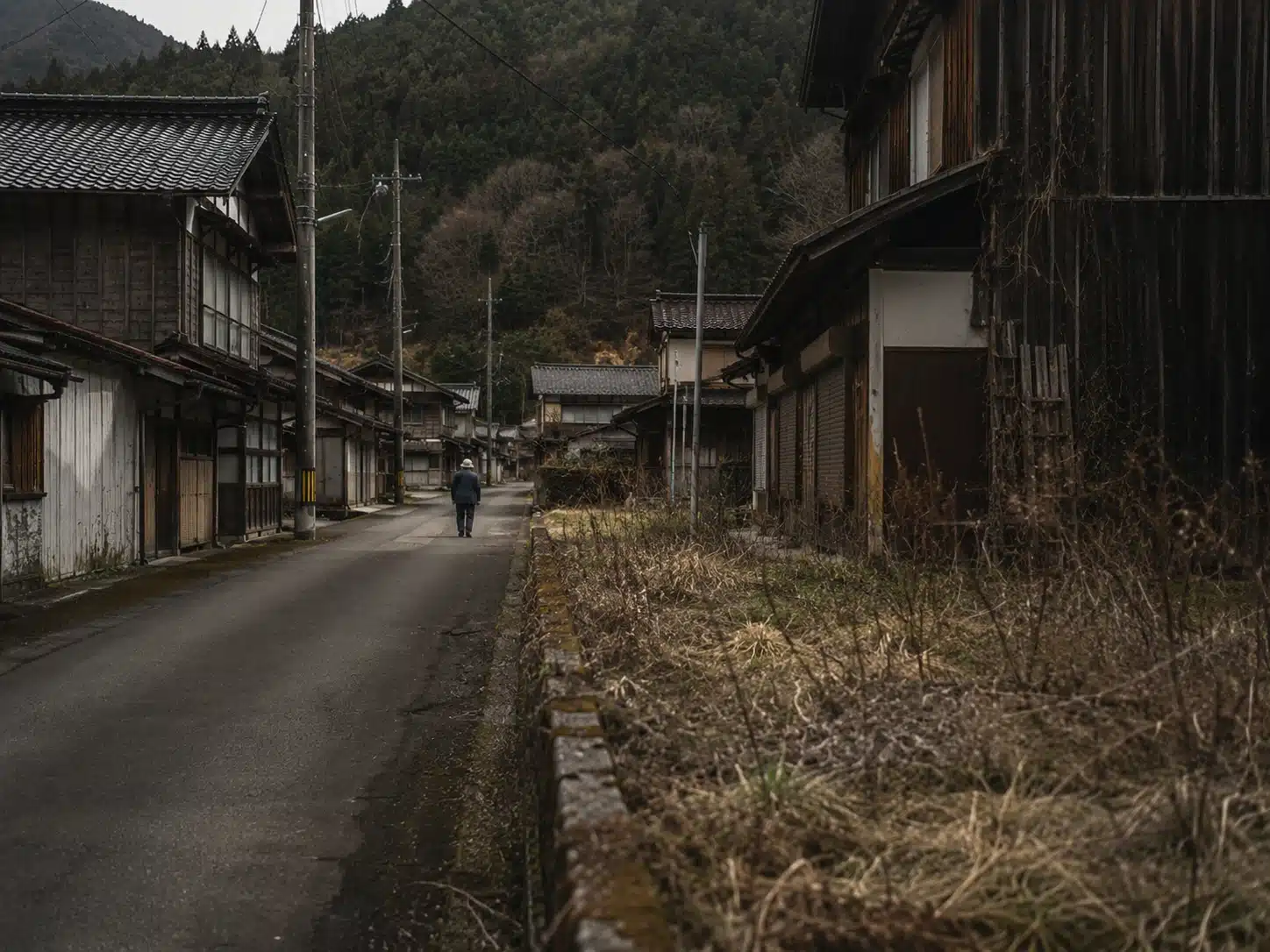
Rural depopulation breaks the pipeline entirely. Japan’s countryside has lost population so consistently that some municipalities have shrunk by more than half since the 1950s. A festival needs bodies: people to build, cook, perform, and organize. A shrinking, aging town runs out of them regardless of how much anyone wants the tradition to continue.
Globalized entertainment competes for attention that used to be automatic. When a local festival was the only major event on a community’s calendar, showing up wasn’t really a choice. Streaming, travel, and other modern leisure options have made attendance genuinely optional in a way it wasn’t a generation ago.
UNESCO’s Own Warning System
UNESCO doesn’t only celebrate festivals. It also maintains a separate list specifically for the ones in trouble. We covered the criteria for UNESCO’s main Representative List in why UNESCO recognizes cultural festivals; the List of Intangible Cultural Heritage in Need of Urgent Safeguarding is a different, stricter mechanism entirely. Where the Representative List exists to raise visibility, the Urgent Safeguarding List exists to mobilize emergency support for traditions whose survival is genuinely in doubt.
Nominations require meeting criteria U.1 through U.5, plus a sixth, U.6, reserved specifically for elements considered extremely endangered. It’s a small list by design: as of UNESCO’s December 2025 committee session, the combined total across all its intangible heritage lists reached 849 elements from 157 countries, and only a modest fraction of those sit on the Urgent Safeguarding List specifically, reserved for cases where community and government safeguarding efforts alone haven’t been enough. A handful of elements have even been successfully transferred off the urgent list entirely once their situation improved, which UNESCO treats as evidence the mechanism is working as intended.
Real Examples of Traditions Currently at Risk
| Tradition | Location | Status |
|---|---|---|
| Sominsai Festival | Oshu, Japan | Ended permanently, February 2024, after ~1,200 years |
| Boreendo (Bhorindo) | Sindh, Pakistan | Ancient clay vessel-flute tradition, UNESCO Urgent Safeguarding List, 2025 |
| Đông Hồ Woodblock Printing | Bắc Ninh, Vietnam | In active decline as artisan numbers fall |
| Mwazindika Spiritual Dance | Daida community, Kenya | UNESCO Urgent Safeguarding List, 2025 |
| Landships Tradition | Barbados | UNESCO Urgent Safeguarding List, 2025 |
| Shimotsuki Matsuri | Kizawa, Japan | At risk, but currently being actively revived by younger organizers |
When Adaptation Works: A Counter-Example
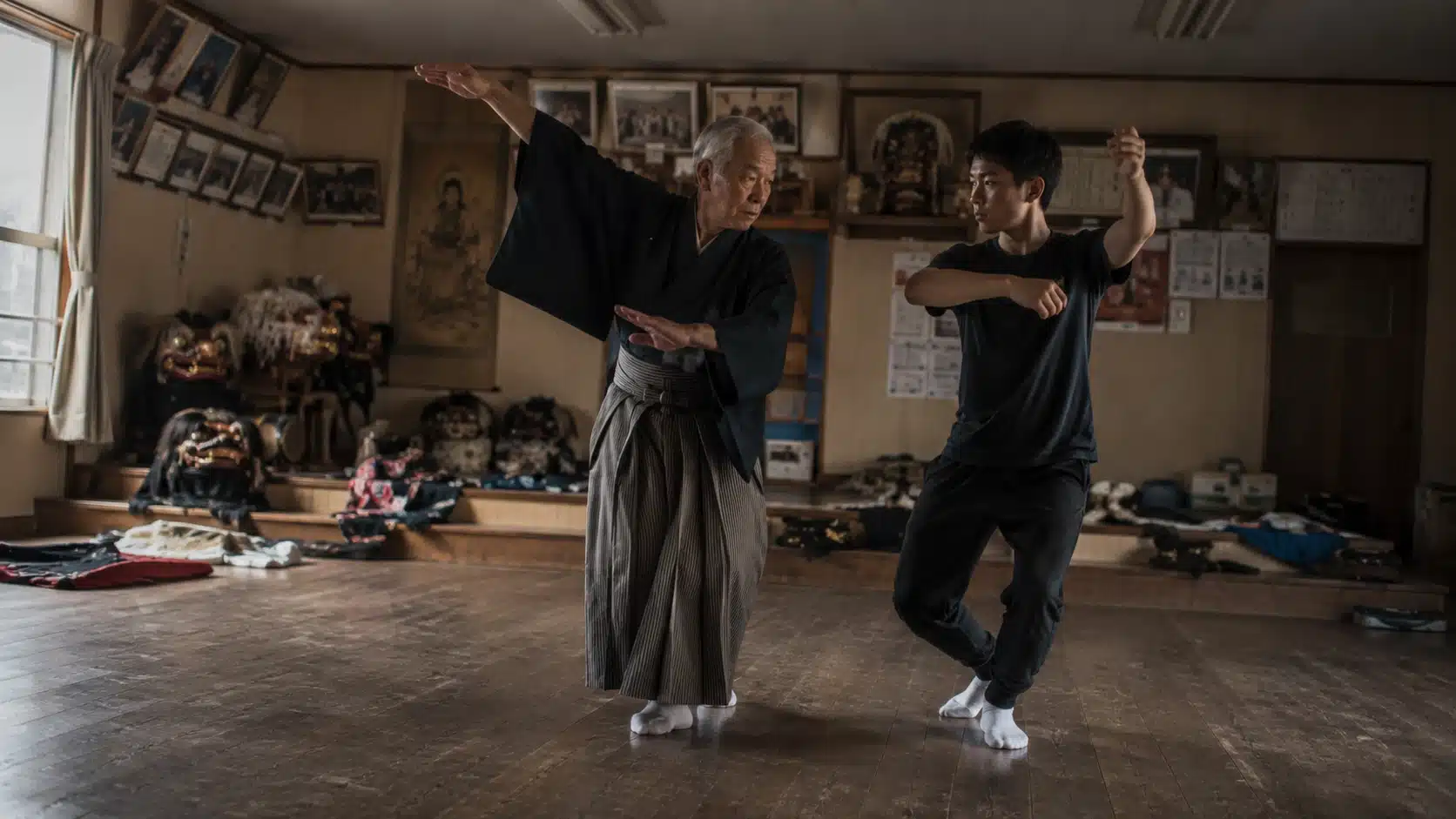 Not every story here ends in loss. In the Kizawa district of Japan, aging residents running the centuries-old Shimotsuki Matsuri faced the same shortage of participants as everywhere else. A group calling itself the Shimotsuki Matsuri Yarō Kai formed specifically to learn the festival’s customs and dances directly from the township’s elders. Many of these younger organizers live elsewhere most of the year and return specifically to keep the festival running. That’s not how the tradition worked a generation ago. It’s also, arguably, the only reason it’s still running at all.
Someone has to actively choose to carry a tradition forward. For most of history that choice was basically automatic, made by whoever happened to be born into the role. It isn’t automatic anymore, and the festivals that survive seem to be the ones where somebody noticed that shift early enough to do something about it.
What Actually Saves a Disappearing Festival
- Rebuild the economic case for participation. A festival that supports real local income the same dynamic explored in the economic impact of festivals on local communities gives younger community members a practical reason to stay involved, not just a sentimental one.
- Let outside visitors help without hollowing the tradition out. Responsible visitor behavior, covered in how to travel responsibly during major festivals, can bring in resources a struggling festival needs without turning it into a show performed purely for tourists.
- Formalize knowledge transfer instead of assuming it’ll happen naturally. The festivals that survive depopulation tend to be the ones where someone deliberately organized to learn the specific skills and rituals before the people who knew them were gone.
- Accept structural adaptation over rigid preservation. Festivals that allowed some flexibility in who could participate, without abandoning the ritual’s core meaning, have had more success than ones that held rigidly to hereditary-only rules.
Interesting Facts
- The December 2025 committee session in New Delhi drew over 1,400 participants, UNESCO’s largest intangible heritage session to date, with 67 elements examined for inscription at the initiative of 77 countries.
- Sominsai’s final organizers reportedly considered several ways to continue the ritual before deciding an authentic version couldn’t be sustained with the people available.
- Some declining festivals aren’t losing participants so much as losing the specific craftspeople who make the ritual objects. The festival can technically continue while a key part of what made it distinct quietly disappears first.
FAQ
Why are traditional festivals disappearing around the world?
Mainly due to rural depopulation and youth migration to cities, loss of economic viability for the artisans behind them, and competition from globalized entertainment options that make attendance optional in a way it wasn’t a generation ago.
What is UNESCO’s Urgent Safeguarding List?
A separate list from UNESCO’s main Representative List, created specifically for intangible cultural heritage — including festivals — whose survival is genuinely at risk despite existing community and government efforts.
Has a major festival actually ended completely in recent years?
Yes. Japan’s Sominsai Festival, with roughly 1,200 years of continuous history, held its final edition in February 2024 due to an insufficient number of local participants to sustain it.
Can a disappearing festival be saved?
Sometimes. Japan’s Shimotsuki Matsuri was revived by younger community members who formed a dedicated group to learn the tradition directly from elders, though this required active, deliberate effort rather than happening automatically.
Does UNESCO recognition stop a festival from disappearing?
Not by itself. Recognition can mobilize international support and attention, but it carries no legal enforcement power, and being listed is not the same as being saved. The underlying population, economic, and knowledge-transfer problems that put a tradition at risk in the first place don’t disappear just because it’s on a list.
What’s the biggest single cause of festivals disappearing?
There typically isn’t one single cause — it’s usually a combination of population decline, loss of economic incentive for participants, and the absence of anyone stepping in to learn the tradition before the people who know it are gone.
Conclusion
Traditional festivals that are disappearing rarely go out with an obvious warning sign. They thin out gradually, year after year, until one organizing committee somewhere quietly decides there aren’t enough people left to do it properly one more time. What separates the festivals that survive from the ones that don’t usually comes down to one thing: whether someone, somewhere, decided to actively learn what was about to be lost before it actually was.

Abhay Ramola researches world festivals across primary sources, local accounts, and on-ground reporting. He founded Dionfest to cover what gets missed when festivals become tourism content the history, the ritual, and the people behind it.