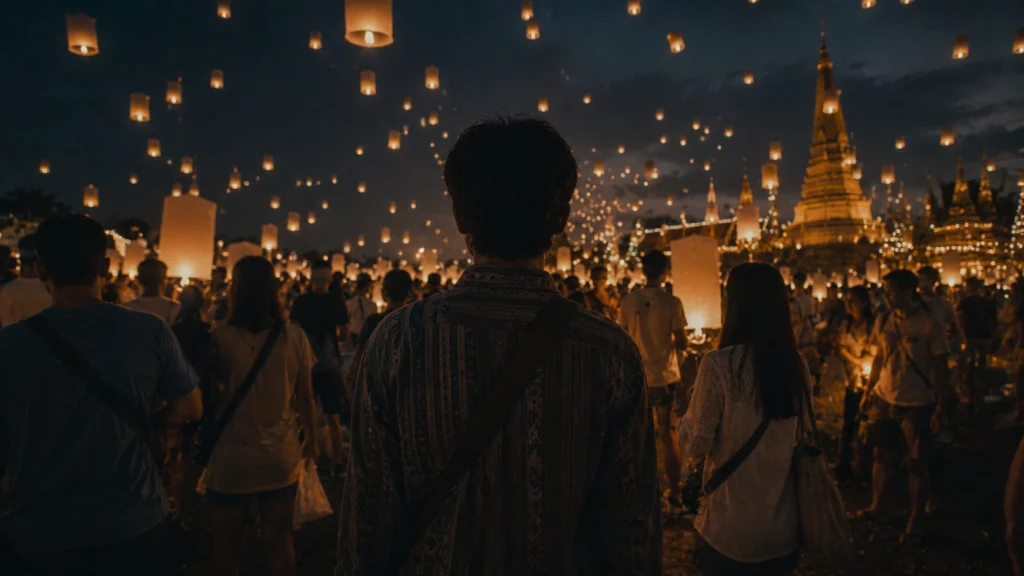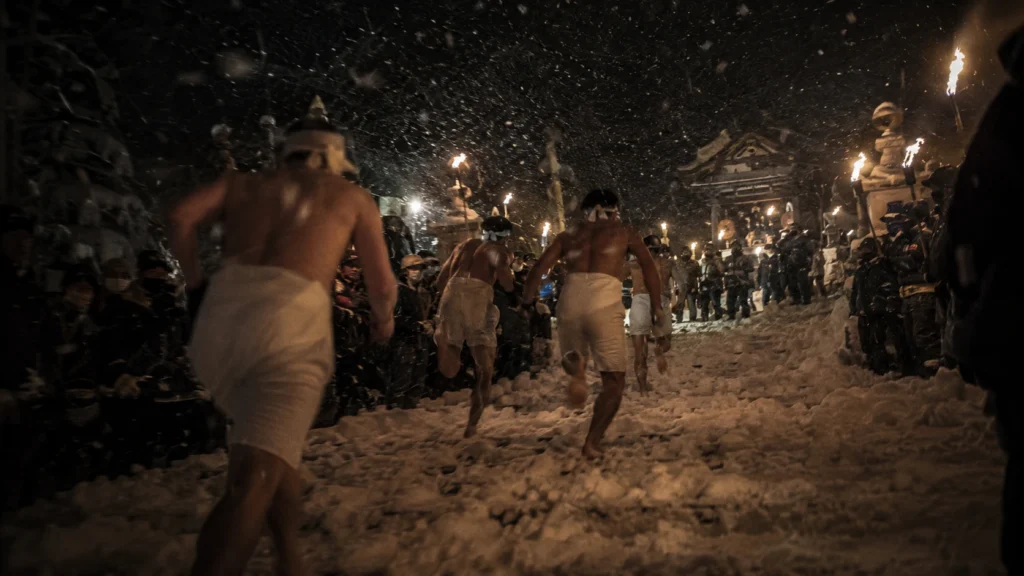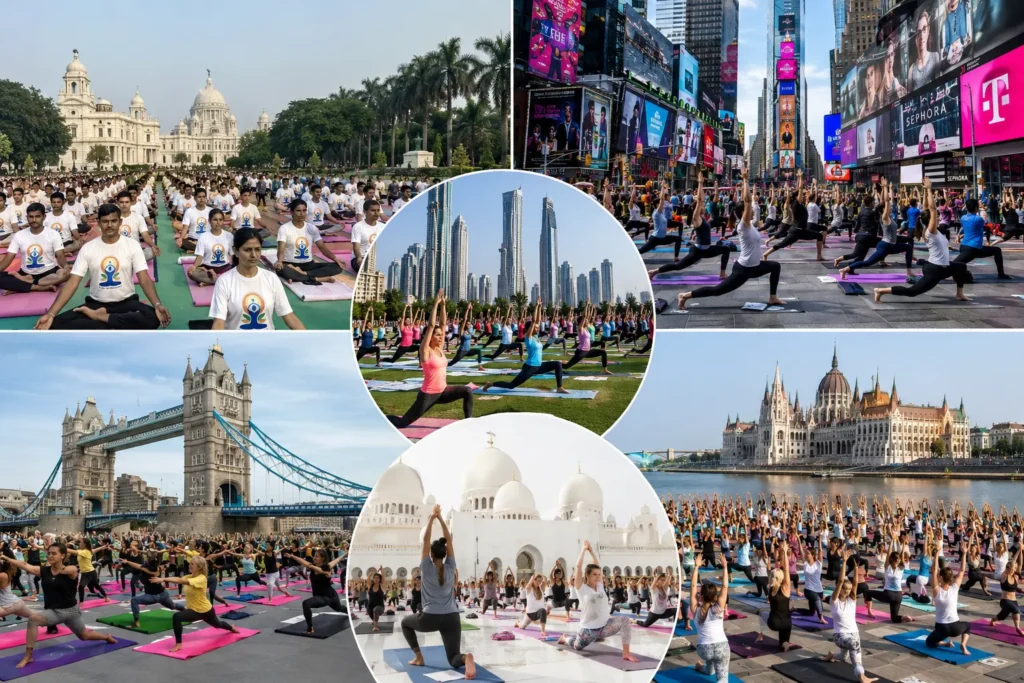
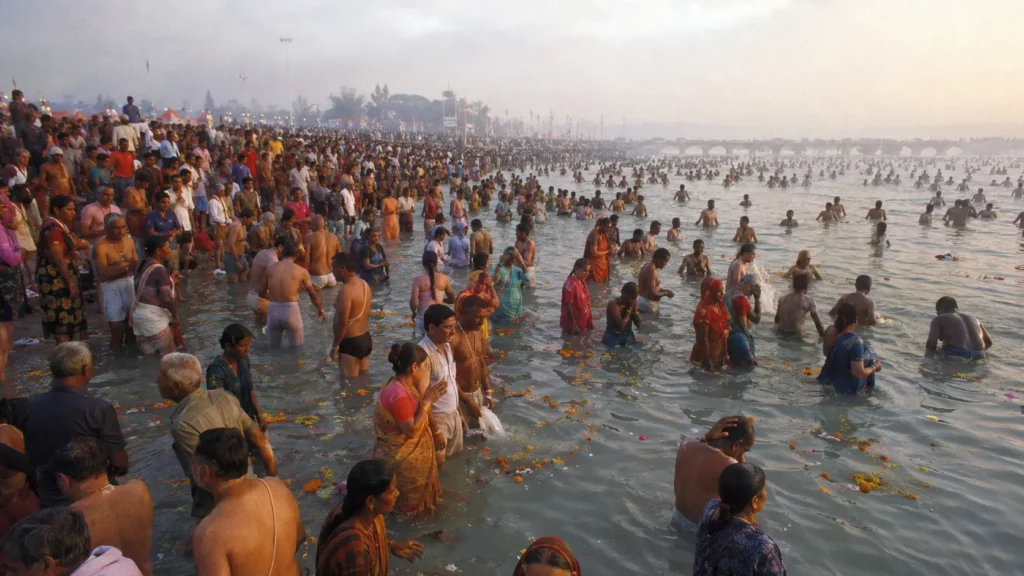
At 4 a.m. on a winter morning in Prayagraj, more than 25 million people once entered the water on a single day of the Kumbh Mela the largest peaceful gathering of human beings ever recorded. No advertising campaign built that. No government mandate forced it. A 2,000-year-old ritual did, passed down mouth to mouth, generation to generation, with no written manual required.
That is what “preserving culture” actually looks like in practice. Not a museum plaque. A living, repeated act.
Quick Answer
Festivals preserve culture by giving communities a recurring, physical reason to repeat their traditions rituals, food, dress, music, and stories in front of the next generation, every single year, without needing a textbook to do it. This repetition is what anthropologists call “living heritage,” and it’s why UNESCO tracks festivals under its Intangible Cultural Heritage program rather than treating them as historical relics.
What “Cultural Preservation” Actually Means Here
People often use “preserving culture” loosely, so it’s worth being precise. A festival preserves culture when it does at least one of these things, year after year:
- Teaches a skill, dance, or craft to someone who wasn’t alive to learn it any other way
- Keeps a language, chant, or oral story in active use instead of only written down
- Gives a community an economic reason to keep making traditional food, textiles, or instruments
- Anchors a diaspora community to its origin culture from thousands of miles away
Miss all four, and an event is just entertainment with a cultural theme. Hit even one consistently, and it’s doing real preservation work — whether or not anyone involved thinks of it that way.
The Mechanisms: How Festivals Actually Do This
1. Forced intergenerational contact
Most cultural knowledge dies in the gap between grandparent and grandchild, not because anyone forgets it, but because there’s no occasion that puts them in the same room doing the same thing. Festivals manufacture that occasion on a fixed date every year. At Durga Puja in Kolkata, teenagers who spend the rest of the year on their phones spend five days learning dhak drumming and pandal-hopping etiquette from relatives — not because they were taught to, but because the calendar forced the contact.
2. Keeping craft economies alive
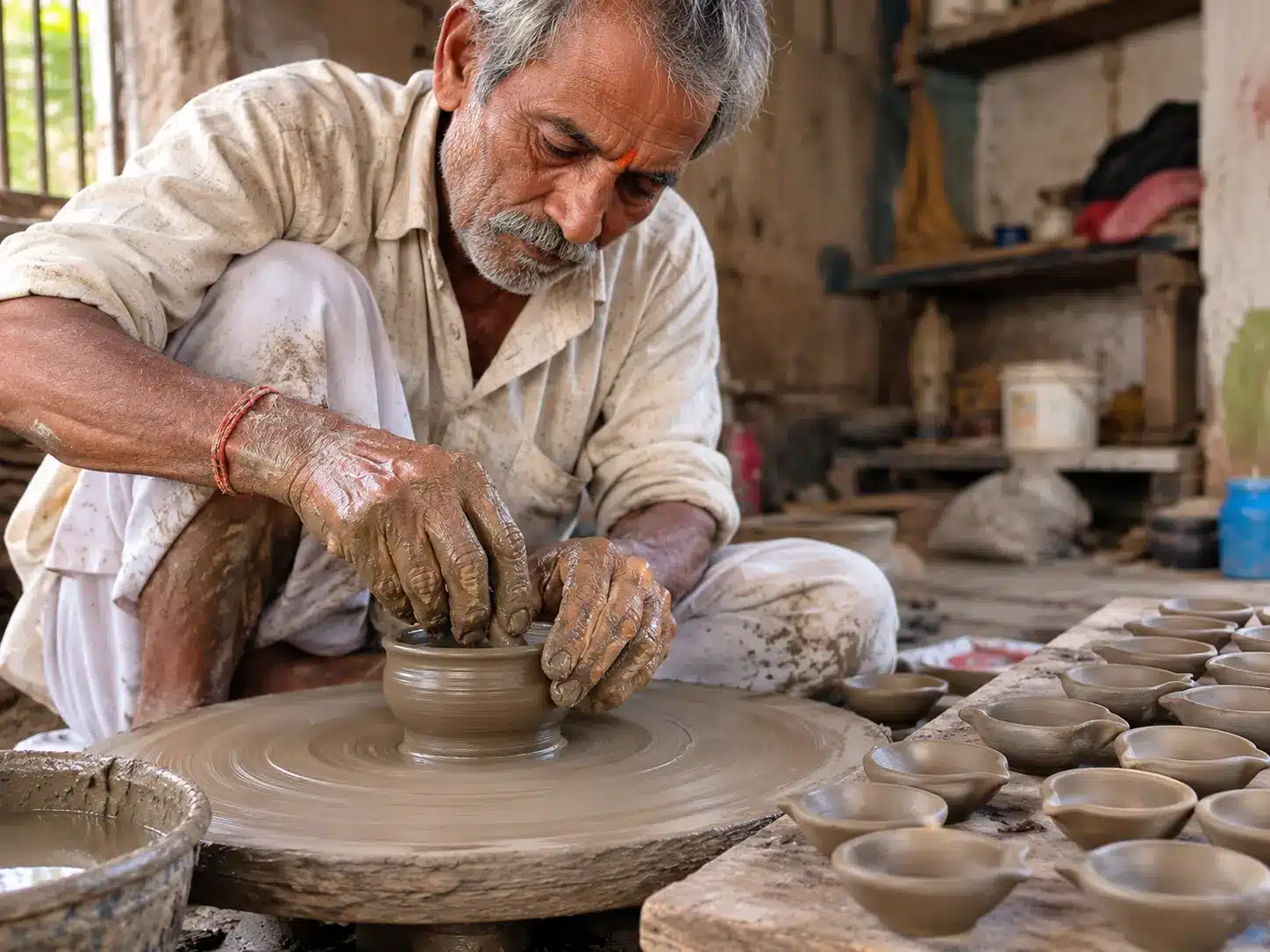
A tradition survives longer when someone can make a living from it. Diwali sustains diya-makers, rangoli artists, and sweet shops that would otherwise have no year-round demand. Ganesh Chaturthi does the same for murti-makers who spend months building clay idols for a festival that ends with most of them being immersed in water days later. Oktoberfest sustains Bavarian brewers using centuries-old purity laws. When a festival disappears, the artisans tied to it usually disappear within a generation there’s no other income to keep the skill alive.
3. Oral transmission through repetition, not documentation
Many of the traditions inside festivals were never written down as formal instructions they exist only because they get repeated aloud or by demonstration every year. Momoeria in Macedonia, recognized by UNESCO, keeps a 12-day cycle of theatre, storytelling, and dance alive purely through yearly repetition rather than any surviving instruction manual.
4. Anchoring diaspora identity
For communities living far from their country of origin, a festival is often the one guaranteed date each year where cultural identity gets actively practiced rather than passively remembered. Nowruz is celebrated by Persian, Kurdish, Afghan, and Central Asian communities across dozens of countries — in each case, the festival is doing more identity-preservation work abroad than it does back home, where the culture doesn’t need reinforcing.
5. Turning private grief or belief into public, repeatable ritual
Día de los Muertos in Mexico takes something universally private remembering the dead and gives it a shared, external, repeatable form: altars, marigolds, sugar skulls, specific foods. That external form is what survives colonization, migration, and generational change, even when the private belief underneath it shifts.
Real Examples From Around the World
| Festival | Country | What it preserves |
|---|---|---|
| Kumbh Mela | India | Ritual bathing tradition, sadhu ascetic orders, river-based worship |
| Holi | India | Spring renewal rituals, pigment-making traditions, community bonfires |
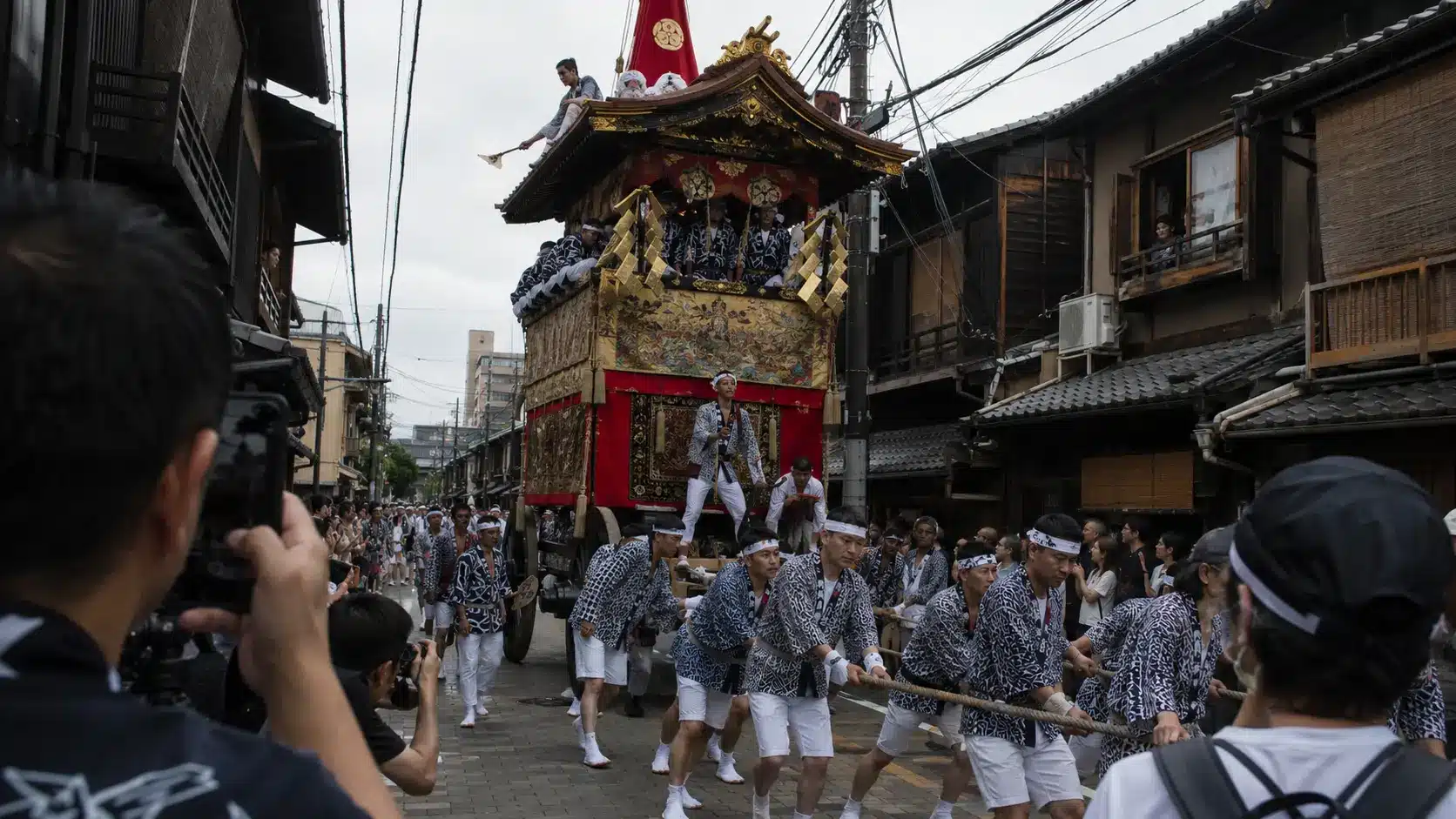
| Gion Matsuri | Japan (Kyoto) | Float-building craftsmanship over 1,100 years old, neighborhood guild structures |
| Día de los Muertos | Mexico | Indigenous-Catholic blended mourning rituals, altar-building skills |
| Sámi National Day | Norway | Indigenous Sámi language, dress (gákti), reindeer-herding identity |
| Nowruz | Iran, Central Asia, diaspora | Zoroastrian-rooted new year rituals across multiple, unrelated nation-states |
| Deepavali (Diwali) | India, global diaspora | Home-based ritual, sweet-making trades, oil-lamp craftsmanship |
Worth noting: Deepavali was formally added to UNESCO’s Representative List of Intangible Cultural Heritage in 2025 one of the most recent festival inscriptions, and a signal that even very large, commercially visible festivals still need active protection, not just popularity.
UNESCO and the Global Effort to Protect Festival Heritage
UNESCO maintains a Representative List of Intangible Cultural Heritage precisely because popularity doesn’t equal safety. A festival can draw millions of attendees and still lose its original meaning if the underlying craft, language, or ritual quietly gets replaced by a commercial version for tourists.
Recent inscriptions show how broad this protection effort is: Chinese tea-processing traditions, Korean masked dance dramas, Singapore’s hawker dining culture, and France’s baguette-making all sit on the same list as festivals like Durga Puja and the float festivals of Japan. The common thread isn’t fame it’s risk of disappearing if nobody keeps doing the underlying practice.
In my view, this is the detail most casual articles on this topic skip entirely: UNESCO listing isn’t a trophy, it’s closer to an endangered-species designation. Getting listed is often a sign a tradition is already under strain, not a sign it has “made it.”
What Happens When Preservation Fails
Not every festival succeeds at this job. Two failure patterns show up repeatedly:
- Commercialization drift — the ritual gets simplified for tourists until the original meaning is optional. This has been a recurring criticism of some large Carnival celebrations, including parts of Rio’s Carnival, where the parade survives but the community ownership behind it thins out.
- Migration without adaptation — a diaspora community keeps the festival’s name and date but loses the language or craft skill needed to do it authentically, so the celebration becomes symbolic rather than functional.
Compare this to Oktoberfest, which has stayed functionally intact for over 200 years largely because Bavarian brewing law (the Reinheitsgebot) ties the festival to an ongoing, regulated industry not just a date on a calendar. That structural anchor is why it has resisted the drift that looser, less-regulated festivals experience.
Regional Variations in How Preservation Works
- South Asia — preservation runs through extended-family and mass community participation (Diwali, Durga Puja, Jagannath Rath Yatra)
- East Asia — preservation runs through guild and neighborhood craft structures (Gion Matsuri’s float-building guilds)
- Latin America — preservation runs through blended indigenous-colonial ritual forms (Día de los Muertos)
- Nordic/Indigenous Europe — preservation runs through language and dress as the core carrier of identity (Sámi National Day)
- Middle East/Central Asia — preservation runs across national borders rather than within one country (Nowruz)
No single model works everywhere — the mechanism has to match how that culture actually transmits knowledge.
How You Can Actually Help Preserve Festival Culture
- Buy directly from artisans at festivals rather than mass-produced versions of the same item
- Attend the full ritual, not just the photogenic part (this is the single biggest thing tourists skip)
- Learn and use the correct name and pronunciation of the festival, not an anglicized shorthand
- Support UNESCO-listed traditions specifically when they’re flagged as at-risk, not just the famous ones
Interesting Facts
- The Kumbh Mela is visible from space due to the temporary tent city built to host it.
- UNESCO’s Intangible Cultural Heritage list only began in 2008 — it’s newer than most people assume.
- Some UNESCO-listed traditions, like the French baguette, aren’t festivals at all but were added for the same underlying reason: risk of disappearing without active daily practice.
FAQ
How do festivals help preserve culture?
Festivals preserve culture by forcing regular, repeated practice of rituals, crafts, food, and language in front of the next generation. Without that yearly repetition, most oral and craft-based traditions fade within one or two generations.
What is UNESCO’s Intangible Cultural Heritage list?
It’s a global list, started in 2008, that tracks traditions, festivals, crafts, and practices at risk of disappearing if communities stop actively practicing them. Being on the list is closer to an at-risk designation than an award.
Which festivals are recognized by UNESCO?
Examples include Durga Puja (India), Gion Matsuri’s float processions (Japan), Momoeria (Macedonia), Nowruz (multiple countries), and Deepavali/Diwali, added in 2025.
Do festivals preserve culture better than museums?
Generally yes, for living traditions museums preserve objects and records, while festivals preserve the actual skill, language, or ritual by keeping people practicing it. A recipe in a museum case is not the same as someone still cooking it.
Can a festival lose its cultural meaning over time?
Yes. This typically happens through commercialization, where the visible spectacle survives but the underlying ritual, craft, or community ownership behind it fades a pattern seen in some heavily tourist-driven Carnival celebrations.
Why do diaspora communities celebrate festivals more intensely than the home country?
Because the festival is often the one reliable yearly occasion where cultural identity gets actively practiced rather than assumed. Communities that don’t need to prove their identity daily tend to treat the festival more casually than those living far from their origin culture.
Are new festivals still being added to UNESCO’s list?
Yes, new inscriptions are added most years. Deepavali (2025) and Garba dance of Gujarat (2023) are recent examples, alongside food and craft traditions from other countries.
What is the single biggest threat to festival-based cultural preservation?
Loss of the underlying craft economy or oral transmission chain not lack of attendance. A festival can be more popular than ever and still be losing its cultural substance if the artisans, storytellers, or ritual specialists behind it aren’t being replaced.
Conclusion
Festivals preserve culture the same way a language survives through use, not storage. Every ritual repeated, every craft bought instead of mass-produced, every story told out loud instead of just written down, is one more year that tradition doesn’t die out. That’s the real stake behind events that otherwise look, from the outside, like just a party.

Abhay Ramola researches world festivals across primary sources, local accounts, and on-ground reporting. He founded Dionfest to cover what gets missed when festivals become tourism content the history, the ritual, and the people behind it.