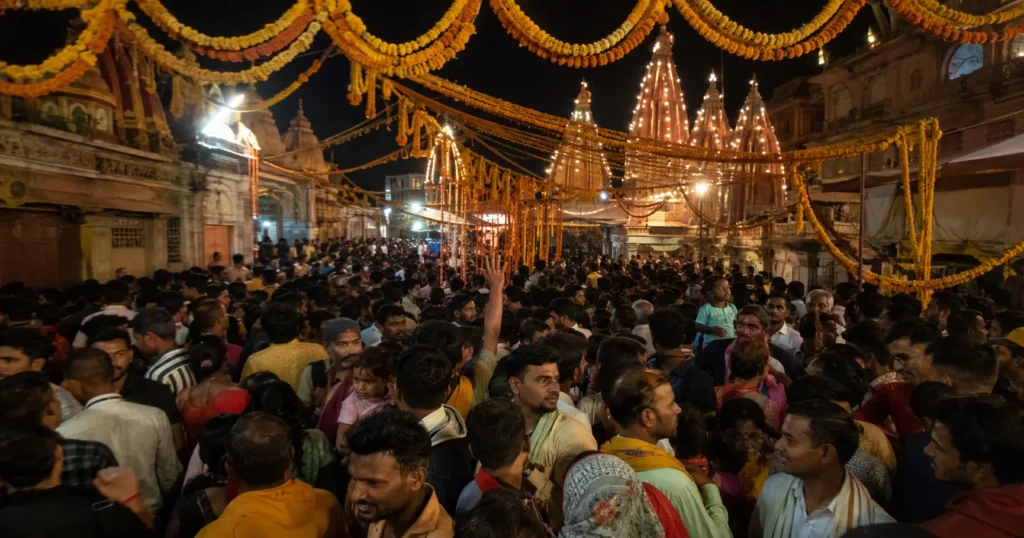
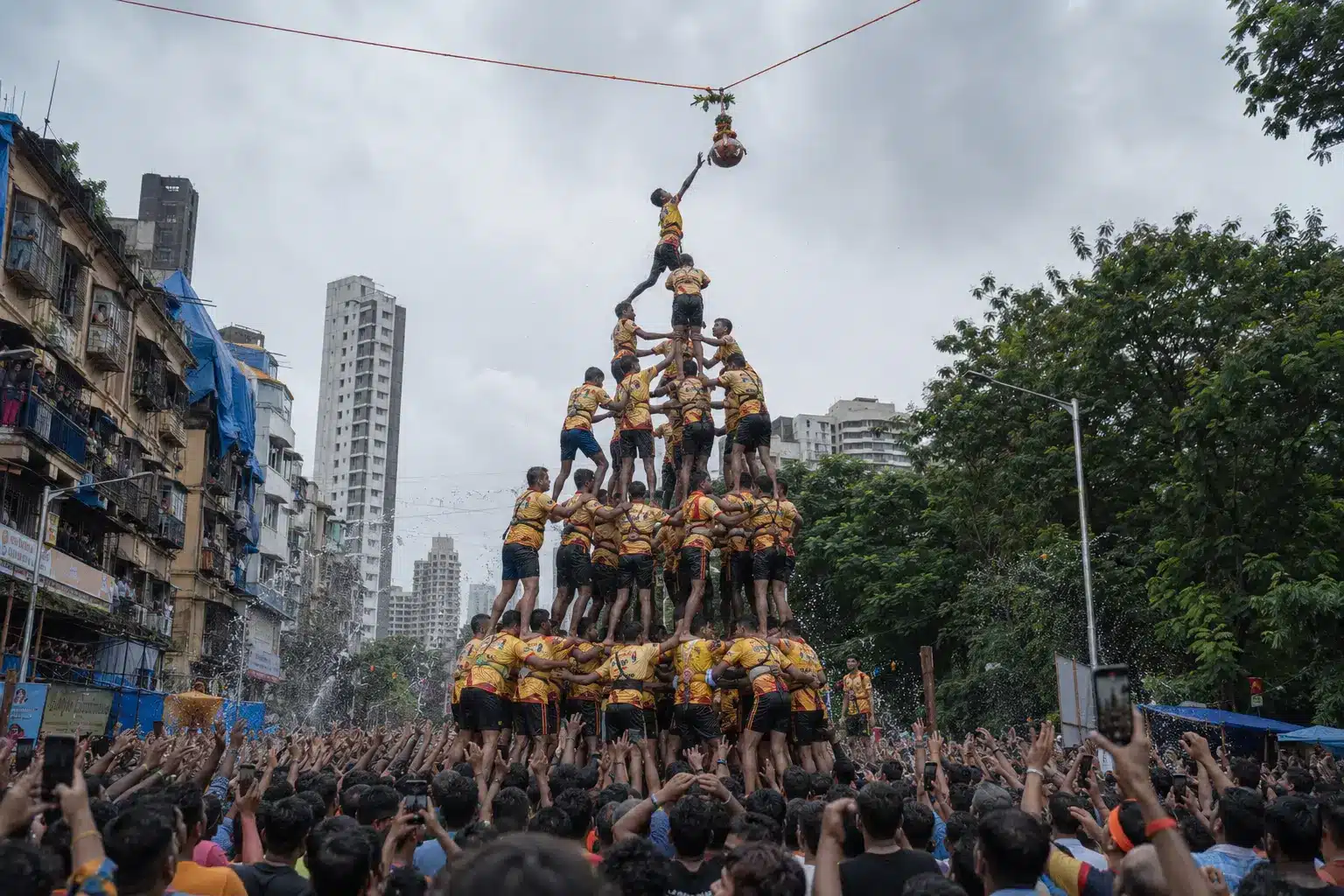
At midnight on a September night, the narrow lanes of Vrindavan (some barely four metres wide) fill with over a million people chanting “Radhe Radhe” while temple bells drown out the sound of their own footsteps. Eight hundred kilometres away in Mumbai, teams of young men are about to fling themselves into a nine-tier human tower, chasing a pot of curd and a cash prize that can run into lakhs of rupees. Both are the same festival. Krishna Janmashtami.
Key Facts Box
- Festival: Krishna Janmashtami (also called Gokulashtami, Krishnashtami, Sree Jayanti, Ashtami Rohini)
- 2026 Date: Thursday, September 3 (Smarta tradition, most households) / Friday, September 4 (ISKCON and most Vaishnava temples)
- Dahi Handi: Friday, September 4, 2026
- Type: Hindu religious festival
- Celebrated In: India, Nepal, and the global Hindu diaspora
- Main Centres: Mathura, Vrindavan (Uttar Pradesh), Dwarka (Gujarat), Mumbai and Thane (Maharashtra), Udupi (Karnataka), Imphal (Manipur)
- Significance: Marks the birth of Lord Krishna, the eighth avatar of Vishnu. 2026 is the 5,253rd birth anniversary by the count most temples use.
- Duration: 1–2 days depending on tradition followed
Janmashtami is celebrated by Hindus worldwide to mark the midnight birth of Lord Krishna in Mathura, over 5,000 years ago by tradition. In 2026 it falls on September 3 or 4 depending on which lunar rule your community follows, and it is observed through fasting, midnight prayers, and in Maharashtra, the famous Dahi Handi pyramid competitions. Ten days later, the same Bhadrapada month brings Ganesh Chaturthi, so late August through mid-September is genuinely the busiest stretch of the Hindu festival calendar.
What is Janmashtami? History and Origin
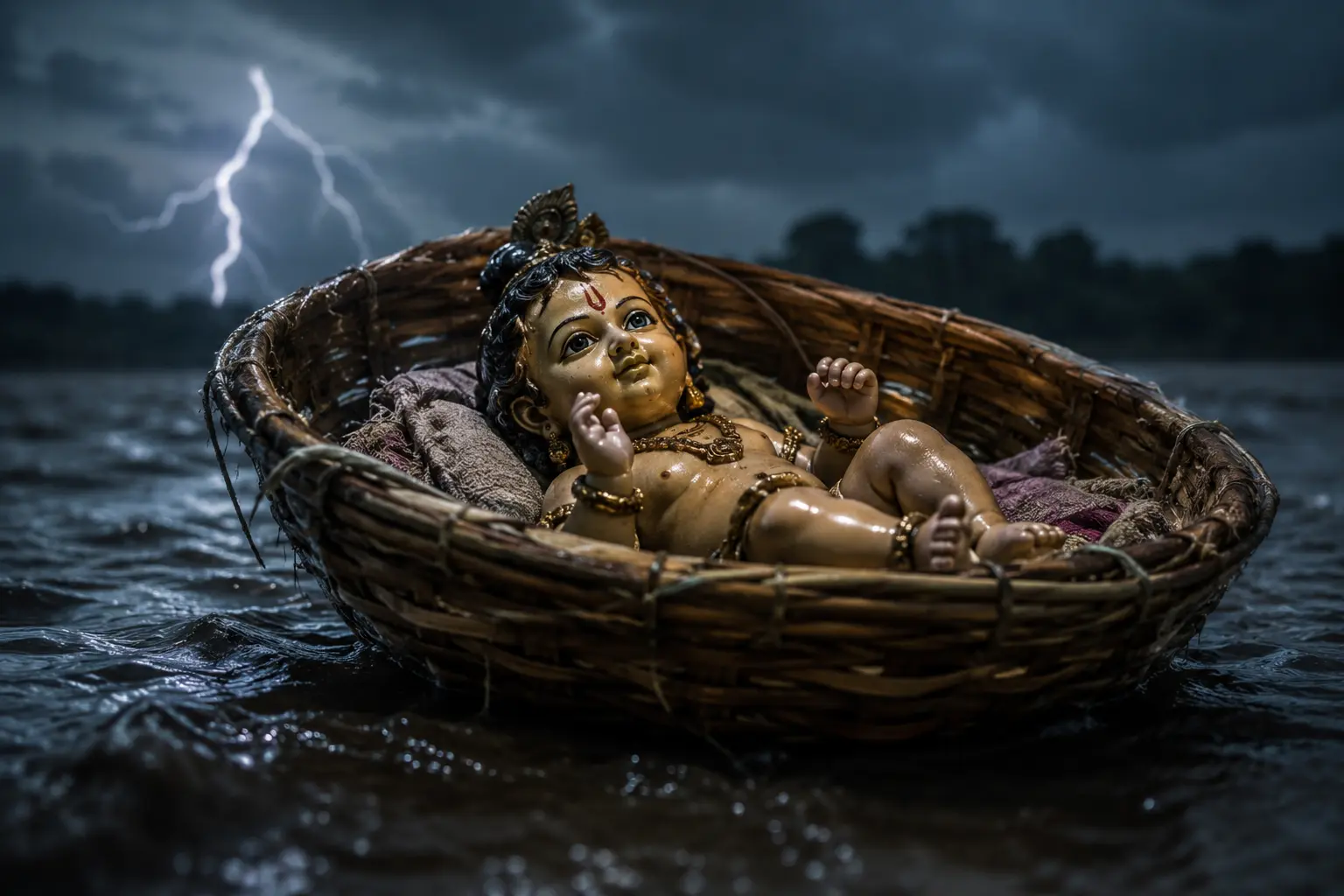 Janmashtami commemorates the birth of Krishna, the eighth incarnation of Vishnu, born to Devaki and Vasudeva in a prison cell in Mathura. According to tradition, Krishna’s uncle Kansa, the tyrant king of Mathura, had been warned that Devaki’s eighth child would kill him. So he imprisoned the couple and murdered each of their first seven children. Krishna, the eighth, was smuggled out at midnight across a flooding Yamuna river to be raised safely in Gokul by foster parents Nanda and Yashoda. He later returned to kill Kansa and restore rightful rule.
That story is why the festival is observed at midnight, why fasting is central to it, and why Gokul, Mathura and Vrindavan, the towns where Krishna was born, hidden, and raised, remain its spiritual epicentre.
By tradition, Krishna’s birth was one of the recurring moments in Hindu cosmology where Vishnu incarnates on earth to restore dharma once adharma has grown unchecked, with Kansa’s tyranny as the immediate trigger. Krishna would later play a central role in the Mahabharata, delivering the Bhagavad Gita’s teachings to Arjuna at Kurukshetra. But Janmashtami itself sticks almost entirely to his childhood: the infant smuggled across the river, the mischievous butter-thief of Gokul, the flute-playing youth of Vrindavan’s forests. That’s probably why the festival’s food, imagery and rituals lean so heavily on play and mischief rather than the more solemn side of Krishna’s story.
The name itself comes from two Sanskrit words, “Janma” (birth) and “Ashtami” (the eighth day), referring to the eighth day of the Krishna Paksha (dark lunar fortnight) in the month of Bhadrapada, usually falling in August or September on the Gregorian calendar.
Janmashtami 2026 Date, Timing and the Two-Date Confusion
Krishna Janmashtami 2026 falls on Thursday, September 3 for most Smarta households, and on Friday, September 4 for ISKCON and most Vaishnava temples, including the major temples of Mathura and Vrindavan, where North Indian crowds typically follow the ISKCON date.
The split exists because Krishna’s birth is astrologically tied to two conditions occurring together at midnight: the Ashtami Tithi (eighth lunar day) and the Rohini Nakshatra (a specific lunar mansion). In 2026 these two conditions don’t align cleanly across a single midnight, so Smarta tradition (which prioritises Nishita Kaal, the midnight moment itself) and Vaishnava/ISKCON tradition (which insists on the exact Ashtami-Rohini combination) land on different days. This isn’t a rare quirk. It happens most years, which is exactly why “is it the 3rd or 4th” is one of the most-searched Janmashtami questions every August.
Nishita Puja, the midnight worship marking the birth, falls between roughly 12:58 AM and 1:44 AM depending on your city, with local variation across Delhi, Mumbai, Chennai and other centres. Dahi Handi, Maharashtra’s signature event, is fixed for Friday, September 4, 2026, the day after the main fast in most calendars.
How is Janmashtami Celebrated? Traditions and Rituals
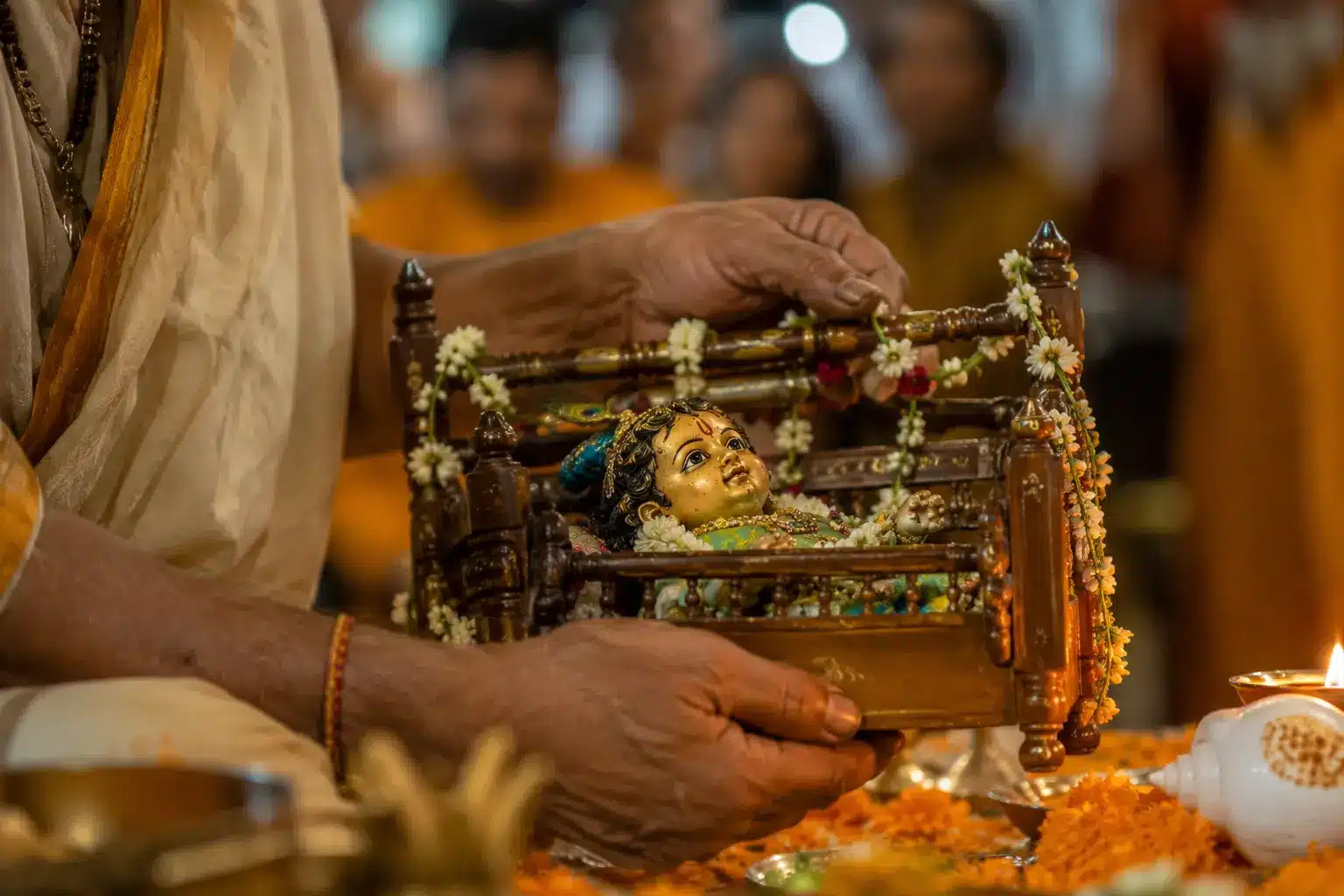 The core ritual sequence is fairly consistent across India, even where the flavour differs by region:
- Fasting: Many devotees observe a full-day fast (some strict Nirjala fasts avoid even water), broken only after the midnight puja or the following morning.
- Midnight puja: At Nishita Kaal, an idol of infant Krishna is bathed, dressed, and placed in a cradle, which is then rocked while conches and bells sound.
- Jhankis and Raas Leela: Temples stage tableaux and dance-dramas re-enacting scenes from Krishna’s childhood and youth, especially his playful pastimes with Radha and the gopis.
- Fasting-breaking prasad: Panchamrit (a mix of milk, curd, honey, ghee and sugar) and makhan-mishri (butter and sugar, a nod to Krishna’s love of stolen butter) are distributed after the puja.
- Rangoli and decoration: Homes draw small footprints from the doorway to the puja room, symbolising baby Krishna’s arrival.
Regional Variations How Different States Celebrate
 This is where Janmashtami stops being one festival and becomes several distinct experiences under the same name.
Mathura and Vrindavan (Uttar Pradesh): The undisputed epicentre. The Shri Krishna Janmabhoomi Temple in Mathura, built at the believed exact birthplace, is the focal point, while Vrindavan’s Banke Bihari, ISKCON, and Prem Mandir temples draw devotees for days of Raas Leela and midnight aarti. Roughly 1 to 1.5 million pilgrims pour into this corridor on Janmashtami night alone, a serious crowd-management event, not just a religious one. The Mathura administration has capped entry numbers at Banke Bihari temple in past years after a fatal stampede, so anyone travelling here should plan around crowd windows, not just temple opening hours. This is the same Braj region that turns even more chaotic a few months later during Holi, when the Lathmar Holi in nearby Barsana draws its own million-strong crowds.
Peer Voyages India, a travel writer, shared their experience on Medium of visiting Banke Bihari Temple in Vrindavan: the temple was packed, but the moment they caught sight of the dark idol of Banke Bihari, they felt a sudden, unexplainable joy. They also describe a distinctive local tradition: priests repeatedly draw and pull back the curtain in front of the idol, said to shield devotees from being overwhelmed by the intensity of Krishna’s gaze.
A local devotee’s account carried by Deccan Herald captures why people keep returning to Mathura specifically. Bimalendra Mishra, a resident of Lakhimpur Kheri who travelled there for the festival, said witnessing the Janmashtami celebrations in Mathura is invigorating and unlike anything experienced elsewhere.
Maharashtra, Dahi Handi: The morning after the fast, Mumbai and Thane erupt into Dahi Handi: teams of young men called Govindas build human pyramids, sometimes nine or ten tiers high, to reach and smash a pot of curd suspended overhead, a re-enactment of Krishna’s butter-stealing childhood. Prize money at major events has reached ₹25 lakh for record-breaking pyramids. The risk is real enough that the Maharashtra government insures every registered Govinda, with payouts up to ₹10 lakh in case of a fatal fall.
Gujarat, Dwarka: Krishna is worshipped here as king (“Dwarkadheesh”) rather than infant. The Dwarkadhish Temple idol is adorned in gold and diamond ornaments for Mangal Aarti, and the region observes Saatam-Aatham (Basoda) the day before, honouring goddess Shitla for children’s health.
South India, Gokulashtami/Sree Jayanti: In Tamil Nadu and Kerala, celebrations are quieter and more home-centred, with kolam (rangoli) at doorways and payasam as the signature offering. Karnataka’s Udupi Krishna Matha holds temple processions with elephants and music through the day.
Manipur and Assam: The Vaishnavite community, centred on Imphal’s Shri Govindajee temple, marks the day with Raslila performances in classical Manipuri dance style, a devotional tradition distinct from anything seen further west or south.
West Bengal and Odisha: Known here as Nanda Utsav, celebrations extend a day past the main fast to honour Krishna’s foster parents Nanda and Yashoda, with Chappan Bhog, a 56-item food offering, presented to the deity.
Janmashtami Around the World How the Diaspora Celebrates
Janmashtami isn’t confined to India. Countries with large Hindu populations, Nepal, Bangladesh, Fiji, Mauritius, hold major celebrations, and ISKCON’s global temple network has turned it into one of the largest Hindu festival gatherings outside India. It shares that same late-summer window with Onam in Kerala, which is worth knowing if you’re trying to plan an India trip around festival season rather than just one date.
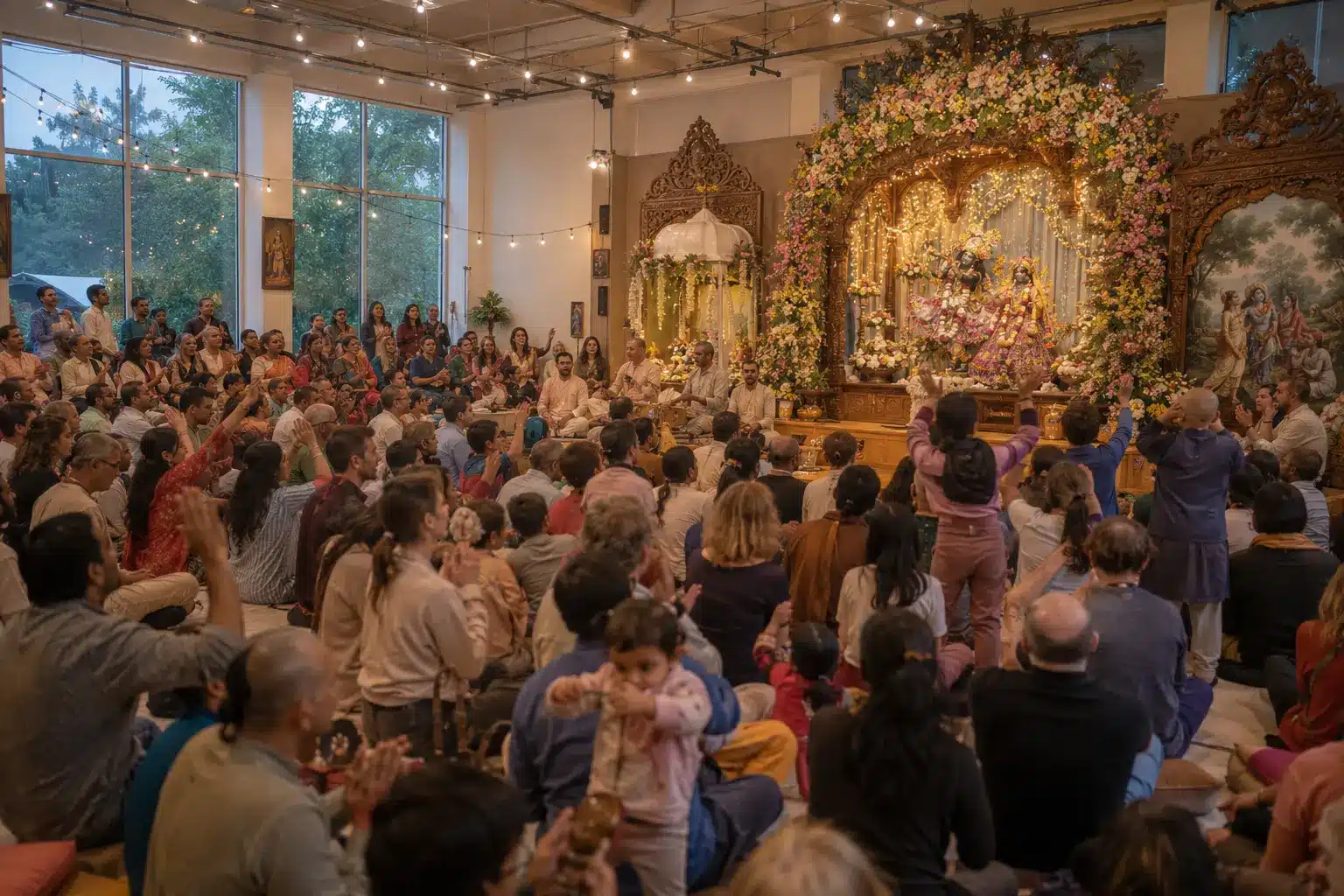
In the United States, ISKCON Houston’s Janmashtami event drew more than 9,000 devotees in 2025, up from around 7,000 the year before, run by nearly 300 volunteers who logged over 5,000 volunteer-hours cooking, managing parking, and coordinating bus shuttles from off-site lots because on-site parking couldn’t handle the crowd. London’s Bhaktivedanta Manor sees a similarly large turnout, and temples in New York, Dallas, Chicago and Silicon Valley run multi-day programs combining kirtan, Krishna Leela performances, Dahi Handi re-enactments, and children’s costume parades. Many now livestream the midnight abhishek so devotees who can’t travel to a temple can still watch the exact moment of the ritual.
For diaspora families, the practical difference from celebrating in India is mostly logistical rather than religious. Local ISKCON or Hindu temple websites list exact program schedules weeks ahead, and most diaspora events compress the multi-day Braj-style celebration (Jhulan Utsav, Nanda Utsav, Dahi Handi) into a single weekend to fit around work and school schedules.
Practical Guide Fasting, Food and What to Expect
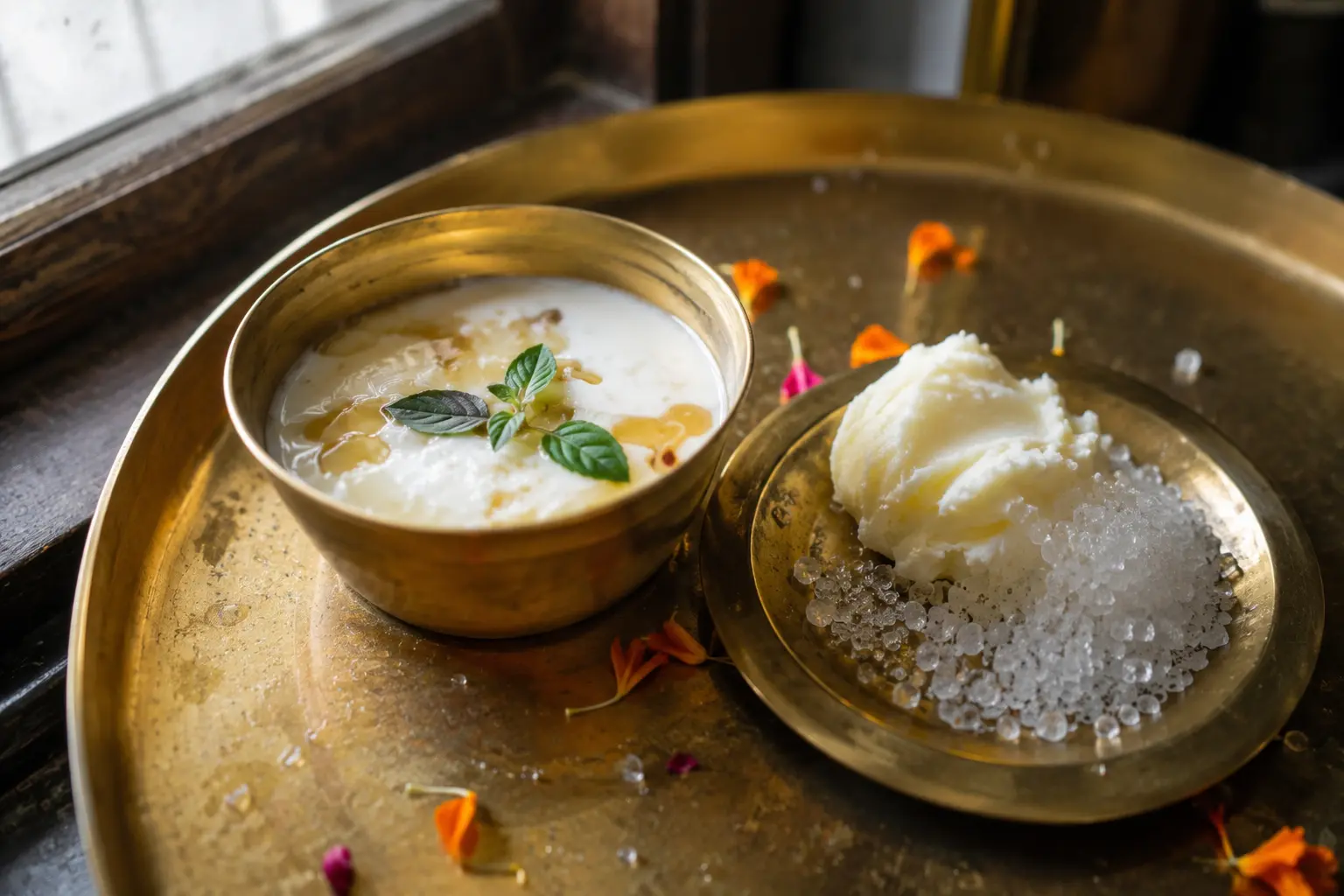 If you’re fasting: no grains are eaten until the fast breaks, and the same rules that apply to Ekadashi fasting generally apply here. Parana (breaking the fast) is done after sunrise the next day once both the Ashtami Tithi and Rohini Nakshatra have ended, which is why serious observers may effectively fast across two days.
If you’re travelling to Mathura or Vrindavan: book accommodation well ahead, arrive a day early if you can, and don’t expect to move through the old town lanes quickly on the night itself. Some stretches are under four metres wide and packed shoulder to shoulder. VIP darshan passes exist at the major temples and are worth arranging in advance if crowds concern you.
If you’re in Mumbai for Dahi Handi: the best viewing is from the ground-level crowd at established pandals in Dadar, Lalbaug, Jogeshwari or Thane’s Vartak Nagar rather than trying to get close to the pyramid itself. Safety cordons go up around record-attempt events.
What to eat: panchamrit, makhan-mishri, and sweets built around milk and curd dominate, a nod to Krishna’s association with Gokul’s dairy farmers. Payasam in the south, Chappan Bhog in Bengal and Odisha, and panchamrut with ladoos in Gujarat are regional signature offerings.
Interesting Facts
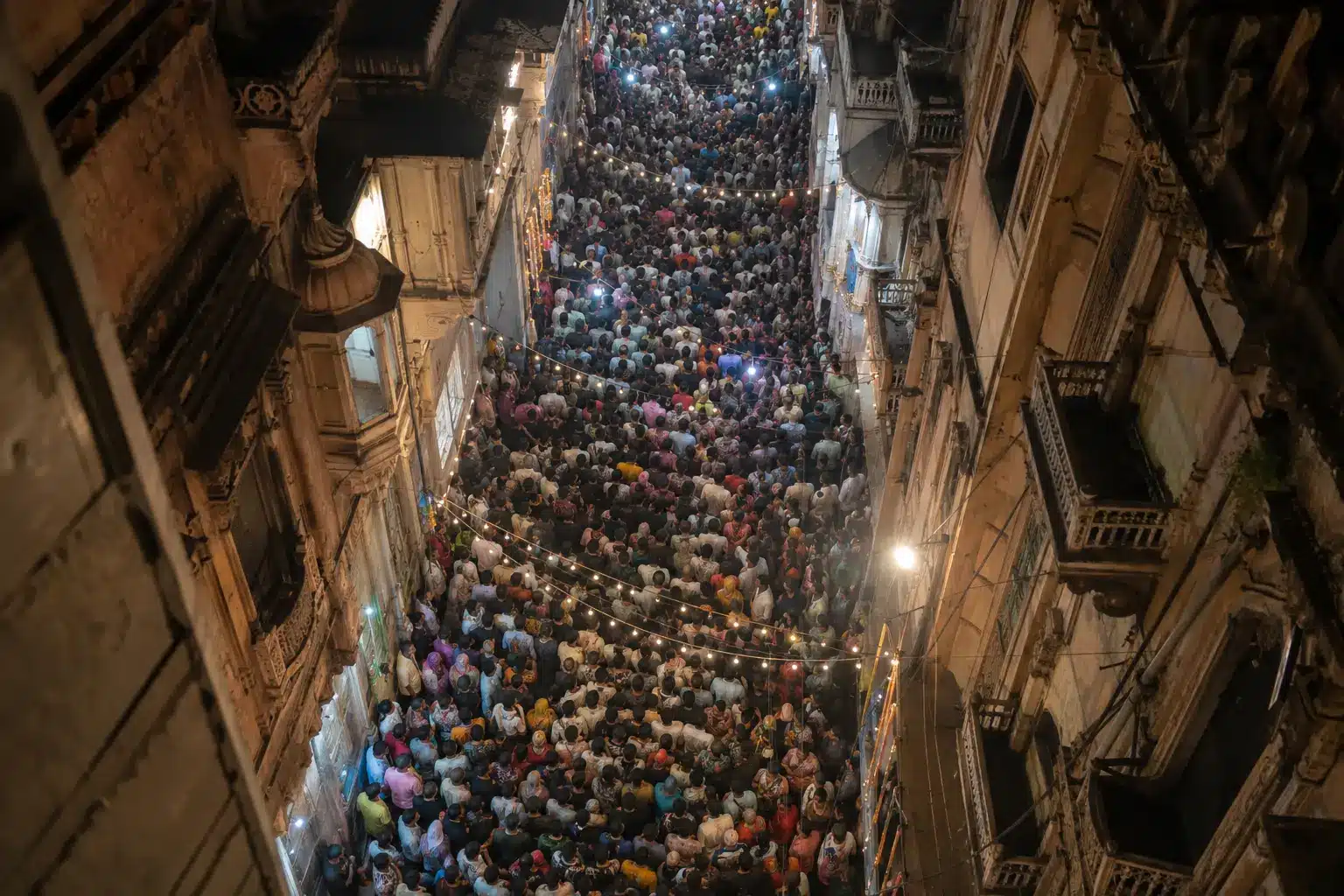
- The 1-4 metre-wide lanes of old Vrindavan mean roughly a million to 1.5 million pilgrims funnel through a genuinely tiny physical footprint every Janmashtami night, one of the densest festival crowds in India.
- Thane’s Jai Jawan Govinda Pathak set a Guinness World Record in 2012 with a nine-tier, 13.35-metre human pyramid. In 2025 a rival Jogeshwari team, Konkan Nagar Govinda Pathak, broke new ground with a ten-tier tower and won ₹25 lakh.
- Maharashtra’s government insures roughly 1.5 lakh registered Govindas every year through a state-funded scheme, an unusual level of official involvement in a religious festival’s riskiest tradition.
- The same festival carries at least five regional names: Gokulashtami, Sree Jayanti, Ashtami Rohini, Nanda Utsav and Krishnashtami, each tied to a different local emphasis on the same story.
- ISKCON Houston’s volunteer effort for a single day of celebration, over 5,000 hours logged by roughly 300 people to feed and manage thousands of attendees, is a scale of organisation more typical of a major public event than a single temple’s annual festival.
- Krishna’s traditional birth year, by the calculations many temples cite, places his birth around 5,200 years ago. That makes the “5,253rd birth anniversary” framing used for 2026 a live point of ongoing scriptural calculation, not settled historical record.
FAQ
When is Janmashtami in 2026?
Krishna Janmashtami 2026 falls on Thursday, September 3 for Smarta households and Friday, September 4 for ISKCON and most Vaishnava temples. Dahi Handi in Maharashtra is observed on Friday, September 4.
Why are there two dates for Janmashtami?
The two dates come from different rules for combining the Ashtami Tithi and Rohini Nakshatra at midnight. Smarta tradition prioritises the midnight (Nishita Kaal) moment, while Vaishnava/ISKCON tradition insists on the Ashtami-Rohini combination specifically, so the two calendars occasionally land a day apart.
What is the history of Janmashtami?
Janmashtami marks the midnight birth of Krishna in a Mathura prison cell, born to Devaki and Vasudeva to escape his tyrant uncle Kansa, who had killed Devaki’s previous seven children on a prophecy that her eighth would end his rule.
How is Janmashtami celebrated?
Devotees fast through the day, perform a midnight puja with an infant Krishna idol, sing bhajans, and break the fast with panchamrit and makhan-mishri. Temples stage Raas Leela dance-dramas re-enacting Krishna’s childhood.
What is Dahi Handi and how is it different from Janmashtami?
Dahi Handi is Maharashtra’s regional Janmashtami tradition, held the day after the main fast, where teams called Govindas form human pyramids to break a curd pot suspended overhead. It re-enacts Krishna’s childhood butter theft and has grown into a competitive sport with prize money reaching ₹25 lakh.
What do people eat during Janmashtami?
Panchamrit (milk, curd, honey, ghee and sugar) and makhan-mishri (butter and sugar) are the universal offerings. Regional specialities include payasam in Tamil Nadu and Kerala, Chappan Bhog in Bengal and Odisha, and panchamrut with ladoos in Gujarat.
Is Janmashtami a public holiday in India?
Yes, Janmashtami is a gazetted or restricted holiday in most Indian states, though the exact holiday designation and date observed can vary by state government, since some follow the Smarta date and others the Vaishnava date.
How long does Janmashtami last?
The core observance is one day and night, centred on the midnight puja. In several regions it extends into a second day: Dahi Handi in Maharashtra the following morning, or Nanda Utsav in Bengal and Odisha the day after.
What should I expect if I visit Mathura or Vrindavan during Janmashtami?
Extremely dense crowds. An estimated 1 to 1.5 million pilgrims move through lanes that are, in places, under four metres wide. Book accommodation well in advance, arrive a day early, and consider a VIP darshan pass at major temples if you want to avoid the heaviest crush.
Is Dahi Handi dangerous?
Yes. Falls from multi-tier human pyramids are common enough that the Maharashtra government insures every registered Govinda, with payouts up to ₹10 lakh in case of a fatality. Participants are now required to wear safety gear at major events.
Conclusion
 Janmashtami is really two festivals wearing one name: a solemn midnight vigil in Mathura and Vrindavan, and a loud, competitive street celebration in Mumbai the next morning. Both trace back to the same story of a child born to escape a tyrant. In 2026, mark September 3 or 4 depending on which tradition you follow. And if you’re travelling to Braj for it, plan around the crowd, not the clock.

Abhay Ramola researches world festivals across primary sources, local accounts, and on-ground reporting. He founded Dionfest to cover what gets missed when festivals become tourism content the history, the ritual, and the people behind it.