Naag Panchami 2026: India’s Most Overlooked Festival
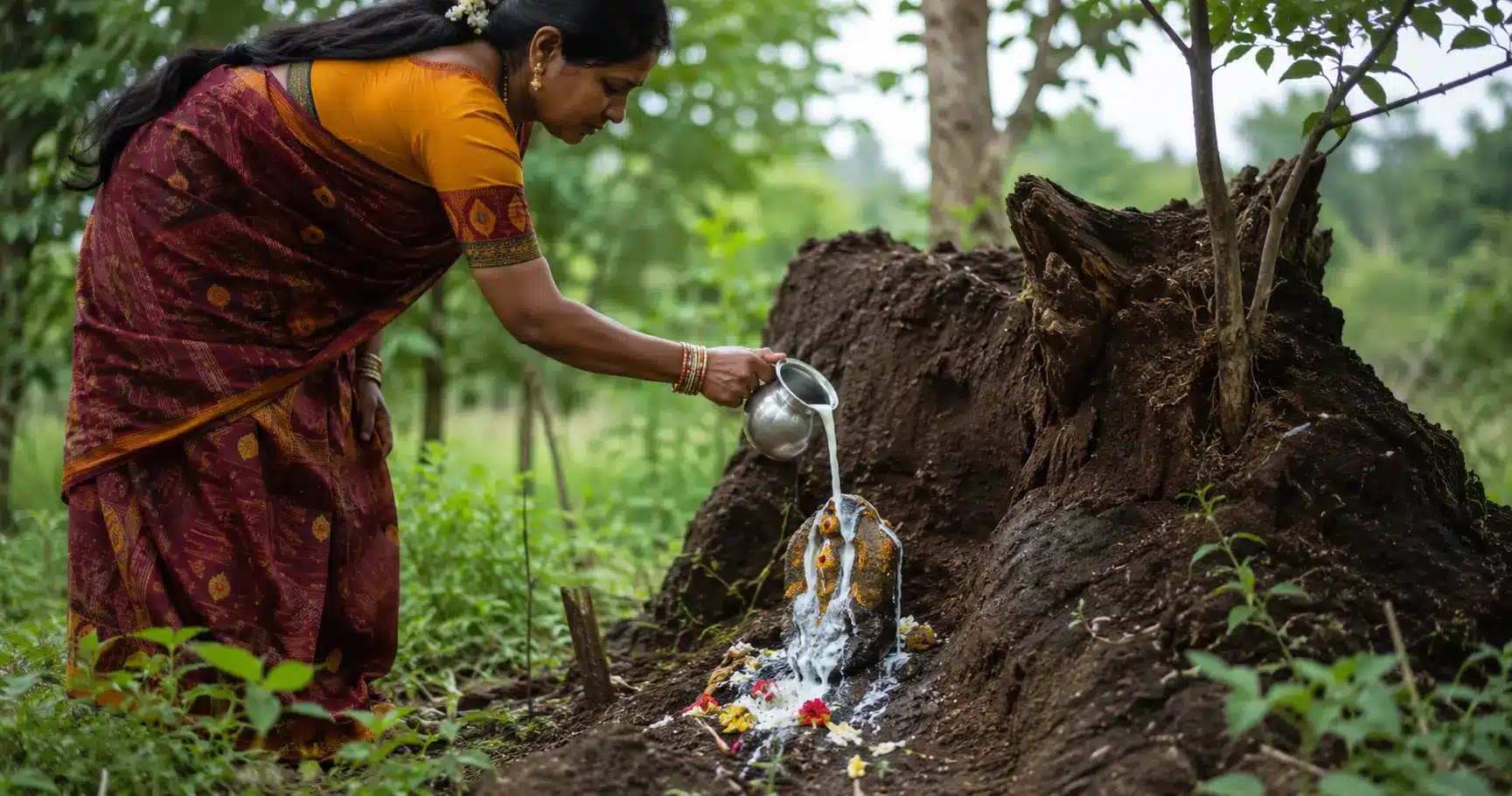
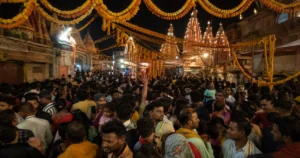
On the morning of August 17, 2026, women across India will walk barefoot to a nearby anthill, pour raw milk over it, and ask a snake that may not even be there to protect their brothers. In Maharashtra, dough will be shaped into cobras and pressed onto doorframes with turmeric paste. In Ujjain, tens of thousands will queue at the Mahakaleshwar temple to bathe a stone serpent in milk. And in the middle of it all, forest officials will be watching for the one thing the festival is technically not supposed to include anymore a live snake.
That tension is what makes Naag Panchami worth writing about in 2026. It’s one of the few Hindu festivals where the ritual, the law, and the animal at the center of it are openly in conflict and the way that conflict is being resolved says something about how Indian tradition adapts.
Quick Answer: Naag Panchami 2026 Key Facts
| Festival Name | Naag Panchami (also spelled Nag Panchami) |
| 2026 Date | Monday, August 17 (most of India) |
| Gujarat Date | Tuesday, September 1, 2026 (Amanta calendar difference) |
| Tithi | Shukla Paksha Panchami, Shravan month |
| Panchami Tithi Window | Begins 4:52 PM, Aug 16 — ends 5:00 PM, Aug 17 |
| Celebrated In | India, Nepal; pockets of the diaspora |
| Type | Hindu religious festival, snake/serpent worship |
| Duration | One day (some regions observe a preceding fast day, Naag Chaturthi) |
| Legal Status | Live snake display is illegal under the Wildlife (Protection) Act, 1972 |
What Is Naag Panchami? History & Origin
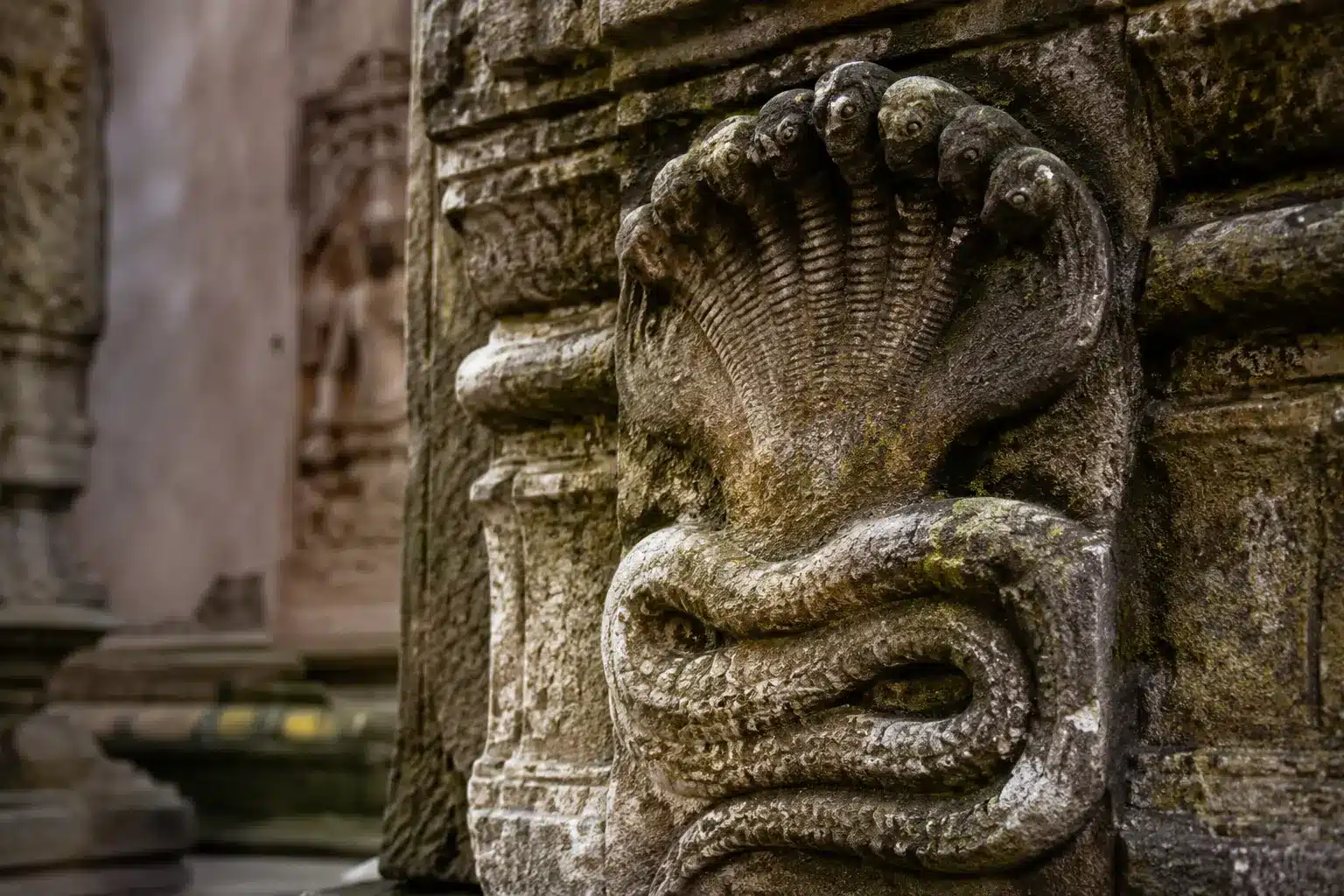 Naag Panchami is a Hindu festival dedicated to the worship of Nagas serpent deities considered guardians of the underworld (Patala) and keepers of hidden treasure and knowledge. It falls every year on the fifth day (Panchami) of the bright fortnight (Shukla Paksha) of the lunar month of Shravana, which usually lands in late July or August on the Gregorian calendar.
The festival’s roots reach back to Vedic and Puranic literature, where three stories are told most often:
Samudra Manthan (Churning of the Ocean). During the mythological churning of the cosmic ocean by gods and demons, the serpent king Vasuki was used as the churning rope. When the deadly poison Halahala emerged, Lord Shiva drank it to save creation, and the serpents are honored on this day for their role in the event.
Krishna and Kaliya. In the Bhagavata Purana, the young Krishna subdues the venomous serpent Kaliya, who had poisoned the Yamuna river near Vrindavan. Krishna forces Kaliya to leave, sparing his life a story especially popular in North India, where it’s retold as the festival’s central narrative.
Astika and the Naga Yagya. King Janamejaya, seeking revenge for his father’s death by snakebite, performed a yagya (fire sacrifice) intended to wipe out the entire serpent race. The sage Astika intervened and stopped the sacrifice the day this happened is remembered as Naag Panchami, and it’s the reason the festival carries an undertone of protection rather than fear.
Serpent worship in the subcontinent likely predates even these stories. Archaeologists and historians link Naga veneration to Indus Valley iconography, and in Nepal’s Kathmandu Valley, local legend holds that the valley was once a lake inhabited by Nagas who were pacified by early settlers a story still referenced in Nepali Naag Panchami observances today.
Naag Panchami 2026 Date, Timing & Regional Variation
Naag Panchami 2026 falls on Monday, August 17, across most of India. The Panchami tithi begins around 4:52 PM on August 16 and ends around 5:00 PM on August 17, which is why puja timings are usually recommended for the morning hours of the 17th roughly 6:00 AM to 8:40 AM is considered the most auspicious window this year.
Gujarat is the exception. The state follows the Amanta lunar calendar (month ends at the new moon) rather than the Purnimanta calendar (month ends at the full moon) used across most of North India. Because of this, Gujarat observes Naag Pancham a full lunar fortnight later on Tuesday, September 1, 2026 just three days before Krishna Janmashtami. A related fasting day, Bola Choth (or Bahula Chauth), is observed the day before in Gujarat, honoring cows.
In Andhra Pradesh and parts of Tamil Nadu, a version of the festival called Nagula Chavithi is observed after Diwali instead, showing how much the “same” festival shifts by region even within a single lunar tradition.
Naag Panchami also kicks off a run of major festivals through the rest of the Hindu calendar year Raksha Bandhan, Janmashtami, and then Ganesh Chaturthi in September. If you’re trying to plan around the festival season rather than just this one date, that’s worth knowing.
How Is Naag Panchami Celebrated? Rituals & Traditions
 The core ritual is consistent across regions even as the specifics vary:
- Milk offerings. Devotees pour milk over stone, silver, or clay images of snakes, or where still practiced over live snakes brought by handlers. This is the festival’s most recognizable image.
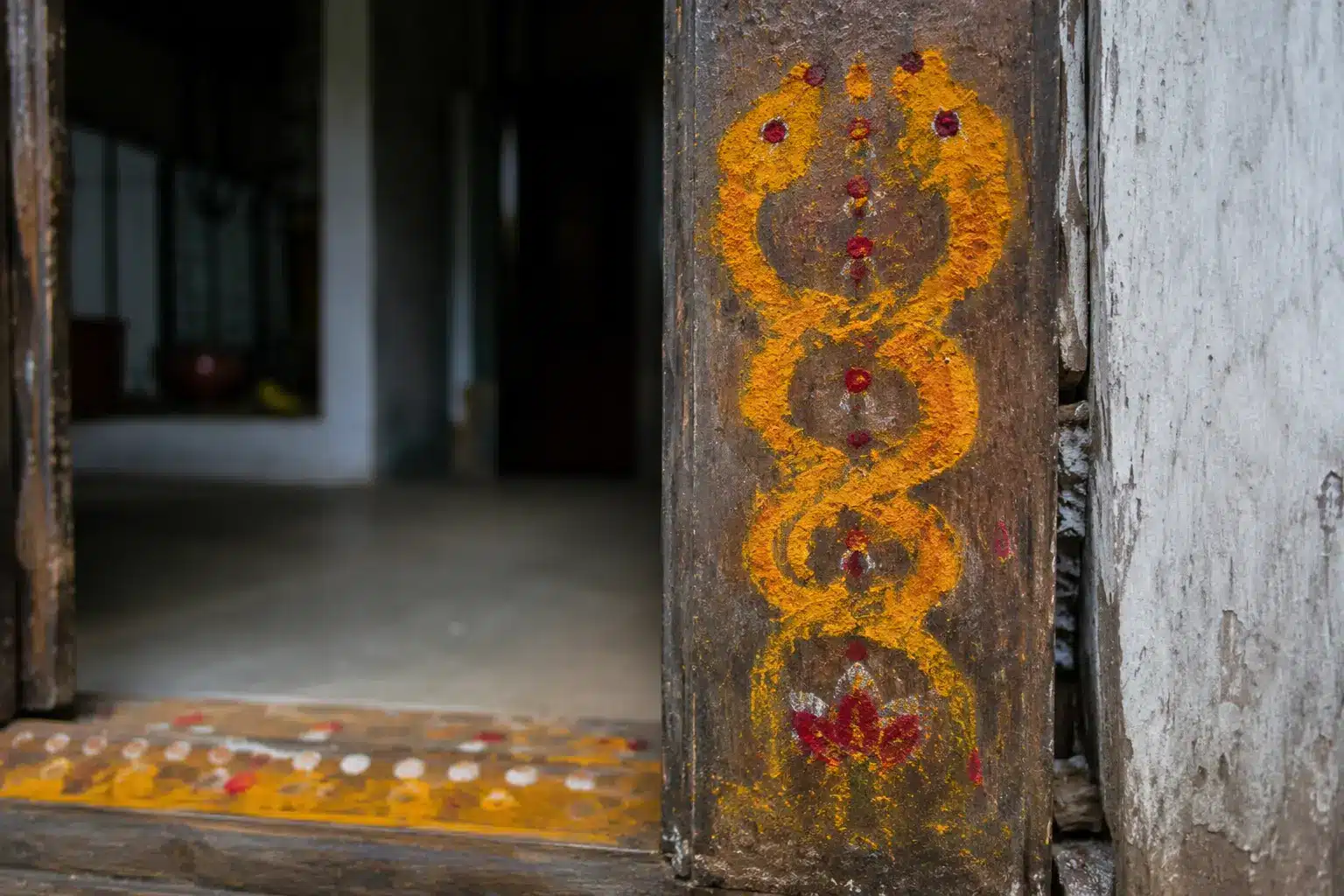
- Snake motifs at the entrance. In many homes, five-hooded or eight-hooded serpent figures are drawn on either side of the main door using turmeric, red sandalwood paste, or cow dung, meant to invite the Naga Devta’s protection into the household.
- Rangoli and puja. A rangoli depicting a coiled serpent is drawn on the floor, and the mantra “Anantadi Nagdevatabhyo Namah” is chanted while offering prayers.
- Fasting. Many women observe a full-day fast on Panchami, eating once the day before (Chaturthi) and breaking the fast after evening puja.
- Family protection rites. Unmarried women fast to pray for a good husband; married women visit their parental homes and pray specifically for their brothers’ wellbeing a thread that connects Naag Panchami to the same protective, sibling-centered logic as Raksha Bandhan, which falls in the same month.
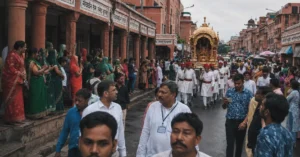
- Dough and clay snakes. In parts of Punjab and Maharashtra, a large snake figure is made from wheat dough and paraded through the neighborhood with singing and dancing before being offered milk.
The Part Most Articles Skip: Naag Panchami and the Law
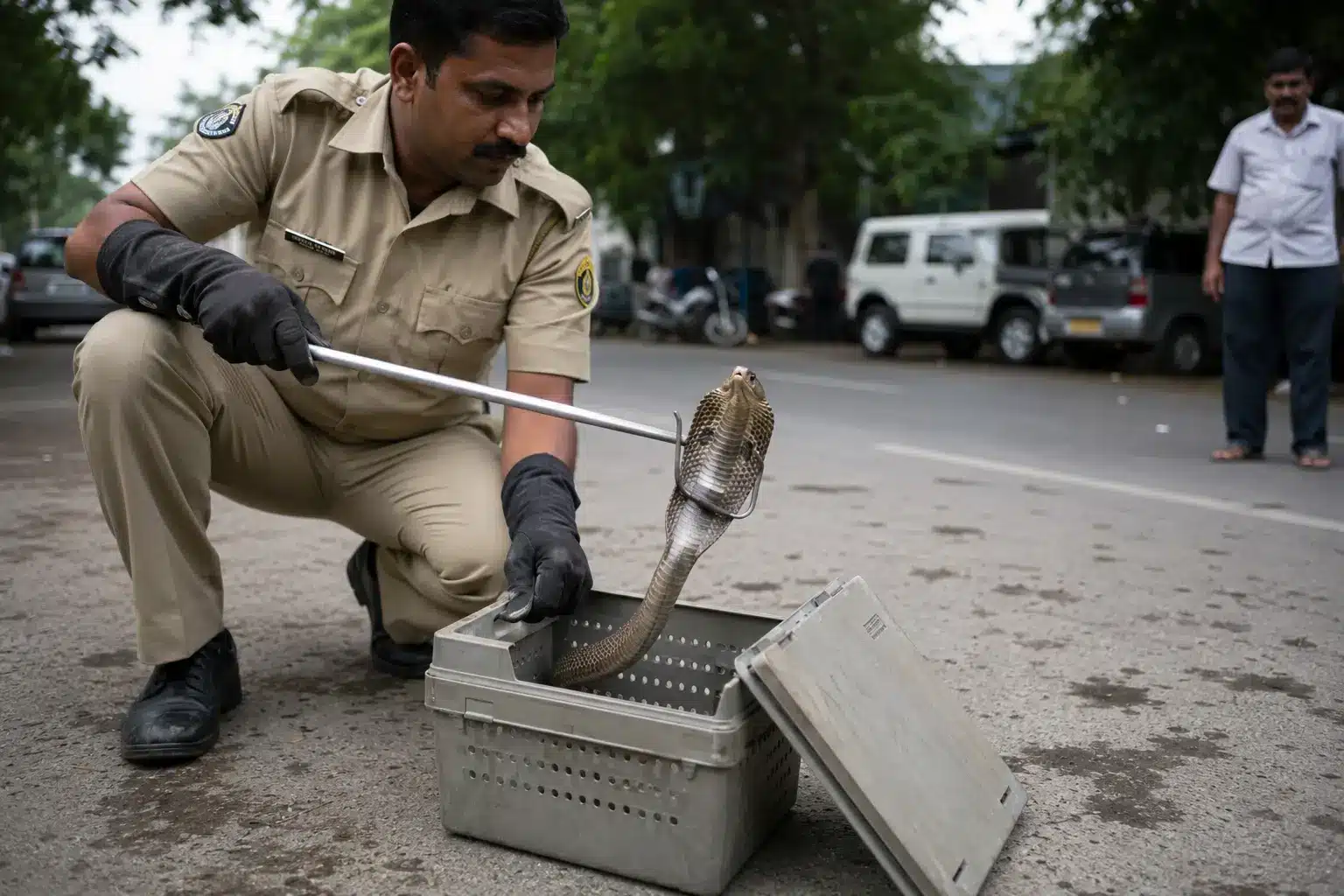 Here’s what almost no English coverage of this festival mentions clearly: using a live snake in Naag Panchami rituals has been illegal in India since 1991-2002, when snake capture, confinement, and public display were brought under the Wildlife (Protection) Act, 1972. Cobras the species most commonly used by snake charmers on this day are listed under Schedule II, and killing or harming one is a non-bailable offence carrying up to seven years in prison.
That hasn’t stopped the practice entirely. Animal welfare groups report that charmers still capture wild cobras and rat snakes roughly 30-45 days before the festival, and the “dance” many people believe is a spiritual performance is, according to wildlife rescuers, a fear response to the charmer’s pipe snakes have no external ears and cannot hear music. The reason snakes accept milk on this day, groups like the Greater Hyderabad Society for Prevention of Cruelty to Animals have documented, is that the animals are already severely dehydrated from weeks of confinement milk is not part of a snake’s natural diet at all, and drinking it often causes fatal dysentery.
Forest departments now run visible surveillance operations around Naag Panchami every year. In Hyderabad alone, rescue groups have recovered thousands of snakes from handlers in a single festival season and released them back into the wild after treatment.
This has actually changed how the festival is practiced, not just how it’s policed. A growing share of urban and even rural households now use clay, silver, or painted images of snakes instead of live ones not a dilution of the tradition, but an adaptation of it. Older snake charmer families, some of whom say they’ve kept cobras “like their own children” for generations, describe watching their profession disappear along with the ban, with no alternative livelihood offered in its place. It’s a rare festival story where the animal-rights argument and the economic-hardship argument are both real, and neither side is simply wrong.
Real Voices from Naag Panchami
Most English coverage of this festival is written from the outside looking in. A couple of people who actually live it have spoken about it on record.
Dev Narayan Mandal, a snake expert in Nepal, spends the weeks before Naag Panchami pulling king cobras out of the hands of snake charmers rather than letting them be used in rituals. Every year, his team rescues snakes from charmers specifically to stop their exploitation, and by his own count he’s personally handled and released around 97 king cobras over the years. His work runs alongside Nepal’s Snake Festival a newer event held on Naag Panchami itself, designed to shift public attention from ritual display toward conservation.
Narayan Prasad Gyawali, a priest at the Australian Nepali Multicultural Centre in Melbourne, described how differently the festival looks for the diaspora now compared to his childhood in Nepal, where snake worship followed strict rules and regulations around how it was done. At the centre today, congregants worship printed images of the naga, or small figures made of flour and mud, instead of live snakes the prayer carried forward, the animal removed entirely.
Taken together, these two accounts point to where the festival is actually heading not toward disappearing, but toward keeping the ritual and dropping the animal.
My own view, for what it’s worth: most festival writing tries to pick a side on stories like this either “tradition is dying” or “cruelty finally ends.” Naag Panchami doesn’t cooperate with either framing. A law protecting an animal and a livelihood disappearing under that same law can both be true and both be worth taking seriously. That’s a more honest place to leave it than a tidy conclusion.
Best Places to Experience Naag Panchami in India
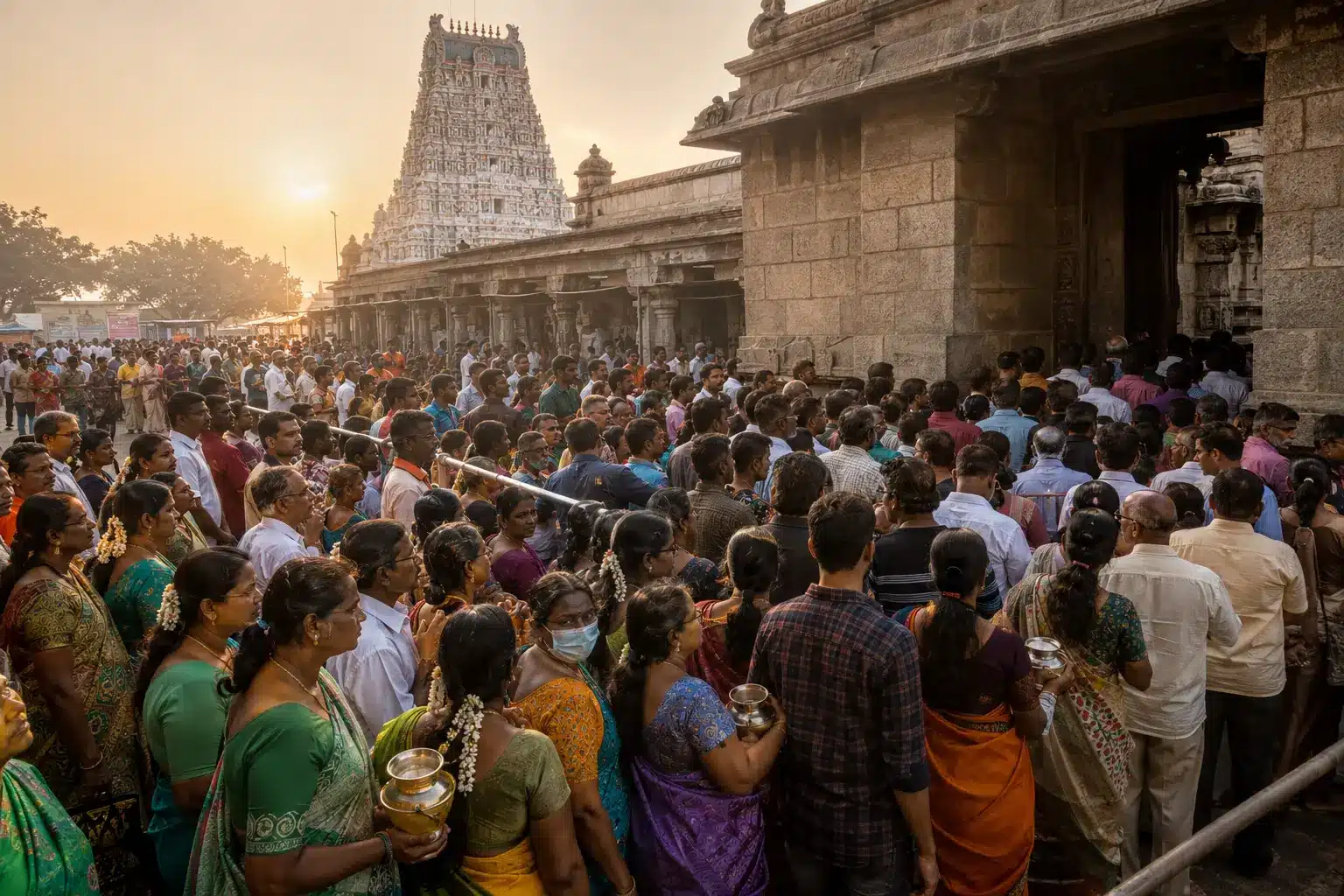
- Mahakaleshwar Temple, Ujjain (Madhya Pradesh) one of the most crowded and visually striking Naag Panchami gatherings in the country, where devotees bathe a Sheshnag idol in milk in large numbers.
- Battis Shirala, Maharashtra historically the most famous (and most controversial) Naag Panchami site in India, once known for large-scale live cobra worship before a Supreme Court ban in 2001 shifted celebrations toward symbolic and idol-based rituals.
- Rural Punjab for the dough-snake processions, which are harder to find written up in English than the temple-centric celebrations further south.
- Kathmandu Valley, Nepal where Naga worship is tied to the valley’s own founding legend, giving the festival a distinctly local flavor outside India.
Naag Panchami and Nature A Festival Rewriting Its Own Relationship With Wildlife
Unlike Diwali’s air-quality debate or Holi’s water-waste concerns, Naag Panchami’s environmental story isn’t about pollution it’s about the treatment of a single animal at the center of the ritual. Schools and NGOs in several states now run Naag Panchami-week campaigns explaining the ecological role snakes play controlling rodent populations, mostly reframing the festival’s original message (snakes deserve respect, not fear) in a way that’s closer to conservation science than the mythology it began with.
Interesting Facts About Naag Panchami
- The Panchami tithi is astrologically ruled by snakes it’s considered the single most effective day in the Hindu calendar for remedies against Kaal Sarp Dosh, a difficult planetary affliction in Vedic astrology.
- Twelve principal Nagas are named in festival scripture: Ananta, Vasuki, Shesha, Padmanabh, Kambal, Shankhapal, Dhritarashtra, Takshak, Kaliya, Pushpak, Pingal, and Shankh.
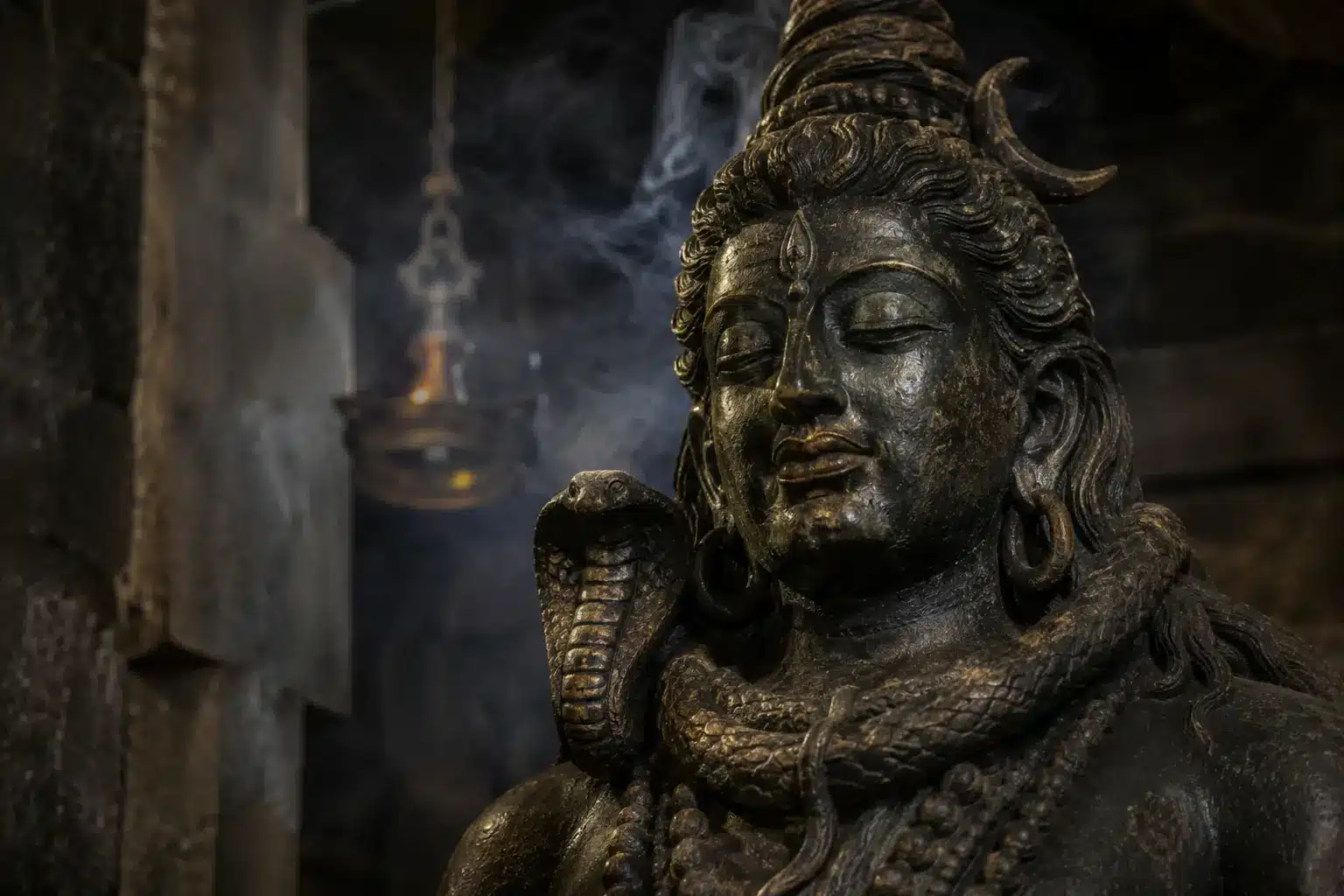
- Lord Vishnu is depicted resting on Shesha Naga, a serpent said to hold the balance of the entire universe on its hood a detail that shows up in temple iconography far beyond snake-specific festivals.
- Because Naag Panchami 2026 falls on a Monday Lord Shiva’s day several astrologers consider this particular year’s date to carry extra weight, since Shiva himself is depicted wearing the serpent Vasuki. If Shiva-centered festivals interest you, our Maha Shivratri guide covers the other major festival built entirely around him.
Frequently Asked Questions
When is Naag Panchami in 2026?
Naag Panchami 2026 falls on Monday, August 17, across most of India. Gujarat observes it separately on Tuesday, September 1, 2026, due to its use of the Amanta lunar calendar.
What is the history of Naag Panchami?
Naag Panchami traces back to Puranic stories including the churning of the ocean (Samudra Manthan), Krishna’s defeat of the serpent Kaliya, and sage Astika’s intervention to stop King Janamejaya’s snake-sacrifice ritual. It has also been linked to pre-Vedic serpent worship traditions in the subcontinent.
How is Naag Panchami celebrated?
Devotees offer milk to snake idols or images, draw serpent figures at their doorways using turmeric and sandalwood paste, create rangoli patterns, fast, and pray for family protection, especially for brothers.
Is it legal to use live snakes during Naag Panchami?
No. Capturing, confining, or displaying snakes is illegal under India’s Wildlife (Protection) Act, 1972. Cobras used by snake charmers are a protected species, and violations can carry up to seven years in prison. Most modern celebrations use idols or images instead.
What do people eat during Naag Panchami?
There’s no signature festival dish tied specifically to Naag Panchami the way there is for Diwali or Holi. Many observers fast for the day, breaking it in the evening after puja, and some regions prepare simple, non-fried sattvic food for the fast-breaking meal.
Is Naag Panchami a public holiday in India?
It is not a national gazetted holiday, but it’s a restricted or optional holiday in several states, and some regions with strong local observance treat it as a de facto local holiday.
Why do women fast on Naag Panchami?
Married women traditionally fast and visit their parental homes to pray for their brothers’ safety and long life, echoing the sibling-protection theme also found in Raksha Bandhan. Unmarried women fast hoping for a good marriage.
How is Naag Panchami different from Nagula Chavithi?
Nagula Chavithi is the Andhra Pradesh and Tamil Nadu equivalent of Naag Panchami, but it’s observed after Diwali rather than during Shravan, showing how the same serpent-worship tradition splits into different calendar dates by region.
Which cities have the most famous Naag Panchami celebrations?
Ujjain’s Mahakaleshwar Temple draws some of the largest crowds nationally. Battis Shirala in Maharashtra was historically the most well-known site before a 2001 court ban shifted its celebrations away from live cobras.
Conclusion
Naag Panchami isn’t a festival that photographs well for outsiders the way Holi or Diwali does, and that’s probably why English-language coverage of it is so thin. But it’s one of the more interesting cultural flashpoints in the Hindu festival calendar right now a tradition actively negotiating with wildlife law, animal welfare science, and a slowly disappearing profession, all while millions of people keep observing it. That negotiation, more than the mythology, is why it’s still relevant in 2026.

Abhay Ramola researches world festivals across primary sources, local accounts, and on-ground reporting. He founded Dionfest to cover what gets missed when festivals become tourism content the history, the ritual, and the people behind it.